-
We detected your language preference as English. Would you like to switch to the English version for a better experience?
Switch to English
Stay here


Acesulfame potassium, also known as Ace-K or Sunett, is an artificial non-nutritive sweetener about 200 times sweeter than sugar. Derived from acetoacetamide and sulfur, it was discovered in 1967 by German scientists and approved for food use in the United States in 1988. It is now one of the most widely used high-intensity sweeteners in the global food industry.
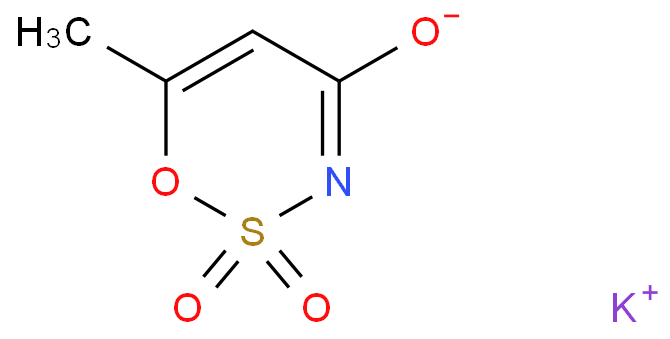
img src="https://structimg.guidechem.com/2/14/24853.png" alt="Acesulfame potassium chemical structure" style="max-width:50%;height:auto;border-radius:8px;box-shadow:0 4px 12px rgba(0,0,0,0.08);display:block;margin:0 auto 20px auto;" />For food developers, the practical questions are not simply whether acesulfame potassium can sweeten a product, but how its intense sweetness, heat stability and characteristic bitter aftertaste interact with the rest of a recipe, and how it performs when blended with other sweeteners or substituted for sucrose.
| Function | Suitable Users | Core Technical Indicators | Compliance Framework |
|---|---|---|---|
| High-intensity sweetener | Beverage, confectionery, bakery and dairy developers seeking sugar-free or reduced-calorie sweetness | About 200 times sweeter than sucrose; CAS 55589-62-3; molecular weight 201.24 g/mol; effectively calorie-free | E number E950; permitted as a low- and no-calorie sweetener; ADI 15 mg/kg body weight/day |
| Heat-stable sweetening | Developers of baked goods, canned products and other high-temperature formats where sweetener degradation is a risk | Stable up to about 250 °C; stable to light and oxidation; retains sweetness through thermal processing | Permitted in thermally processed categories subject to national maximum levels |
| Blend partner and flavour enhancer | Formulators building multi-sweetener systems to round out the sweetness profile and reduce off-taste | Quick onset of sweetness; mild bitter aftertaste softened when combined with aspartame and sucralose | Counted within the total permitted sweetener level for the finished product |
| Special-diet sweetening | Brands developing diabetic-friendly, low-calorie or keto products where blood-sugar impact must be minimal | Not metabolized; does not affect blood glucose or insulin; excreted unchanged in about 24 hours | Declared under the applicable sweetener and diet-food labelling rules of each market |
Acesulfame potassium (ACE-K) is an artificial non-nutritive sweetener derived from acetoacetamide and sulfur. It was discovered in 1967 by the German chemist Karl Clauss and approved for use in food in the United States in 1988, and it remains in use worldwide because it provides high-intensity sweetness without affecting the caloric content of a product.
Commercially the ingredient is supplied as a white to colorless crystalline powder that is neutral in water and has a solubility of about 27% at 20 °C. Its principal function in food is as a low-calorie sweetener that provides intense sweetness and can also enhance the overall flavour profile. It is used to partially or fully substitute sugar in food formulations, and it is frequently blended with other sweeteners to compensate for its one sensory shortfall: a noticeable bitter aftertaste at higher concentrations.
The material is often loosely described as a "sugar substitute", and the description should not be read as meaning it behaves like sugar in a recipe. Acesulfame potassium supplies sweetness but not the bulk, browning, moisture retention or structure that sugar contributes, so products built on it alone usually need separate bulking and texturising ingredients.
Explore the acesulfame potassium technical encyclopedia for additional chemical and application information.
| Parameter | Specification / Description |
|---|---|
| Chemical name | Acesulfame potassium |
| Common names | Ace-K, acesulfame K, Sunett |
| Molecular formula | C4H4KNO4S |
| Molecular weight | 201.24 g/mol |
| CAS Number | 55589-62-3 |
| EC number | 259-715-3 (E number E950) |
| Appearance at 25 °C | White to colorless crystalline powder, neutral in water |
Acesulfame potassium is not used because it performs a processing function such as thickening or emulsifying. Its value is intense, calorie-free sweetness delivered with unusual thermal robustness, and those effects operate through distinct mechanisms a formulator should understand separately.
Acesulfame potassium binds to the same receptors as sucrose on the tongue and provides sweetness when consumed, delivering a quick onset of sweet taste. It can provide a taste profile similar to sucrose at lower concentrations, which is why milligram quantities can match the sweetness of a much larger mass of sugar. The perception mechanism is also the source of its main sensory limitation, because the same binding behavior produces a significant bitter aftertaste at higher concentrations.
Acesulfame potassium is stable across a wide range of temperature and pH conditions, remaining stable up to about 250 °C and resistant to light and oxidation. This is why it keeps the texture of baked goods stable and retains sweetness even when cooked at high temperatures, and why it remains effective in frozen foods. It is also stable at pH above 3.0, which suits acidic beverages and acidified foods.
The gut absorbs acesulfame potassium into the bloodstream, and the kidneys then filter it out and rapidly excrete it unchanged in the urine, a process that takes place within about 24 hours. Because the body does not metabolize it, it does not affect blood sugar levels or insulin production, which makes it suitable for diabetic and low-calorie applications. Small amounts may be excreted in breast milk, a factor taken into account in the safety assessments.
Acesulfame potassium is produced synthetically from acetoacetamide and sulfur, a route that yields the sweetener as a potassium salt. The synthetic origin is relevant to labelling and places the ingredient in the "artificial sweetener" category, unlike plant-derived intense sweeteners such as stevia and monk fruit extract.
During manufacture, the compound is purified through crystallization. Acesulfame potassium tends to crystallize, and this behaviour is deliberately exploited: its solubility rises to about 50% at 80 °C, through which crystals of greater than 99% purity can be obtained. That concentration is far above any realistic food use level, because the material is roughly 200 times sweeter than sucrose, so its crystallization behaviour has no significant effect on the properties of finished food products.
For buyers, the qualification points are identity and purity, the crystalline form and colour, water solubility, and freedom from residual solvents or by-products of synthesis. Because the ingredient is dosed at very low levels, even small inconsistencies in assay can matter more than they would for a bulk ingredient, and the certificate of analysis should be matched against the approved purchasing specification.
From a formulation perspective, the most relevant comparison is among acesulfame potassium and the other high-intensity sweeteners it is commonly substituted for or blended with. The three commonly discussed groups are the synthetic non-nutritive sweeteners, the natural high-intensity extracts, and the polyol bulk sweeteners.
Acesulfame potassium belongs to the synthetic non-nutritive sweetener family together with aspartame, sucralose, saccharin and neotame. Members share intense sweetness with negligible energy, but they differ in heat stability, aftertaste and the ADI. Acesulfame potassium is notable for its thermal stability and for blending particularly well with aspartame, which is why the two appear together in many commercial beverage and tabletop formulations.
Natural high-intensity options such as stevia and monk fruit extract occupy a second category. They address consumer demand for plant-derived intense sweetness but supply no bulk, like their synthetic counterparts. They also differ in aftertaste and stability, so choosing between the synthetic and natural options is usually a trade-off of thermal robustness, cost and label appeal rather than sweetness intensity alone.
Polyol bulk sweeteners such as maltitol, sorbitol and xylitol form a third category. Unlike acesulfame potassium, they are used at percentage levels and supply the bulk, texture and mouthfeel that sugar provides. This makes them complementary rather than competing ingredients: a formulation can pair a polyol as the bulking base with a small quantity of acesulfame potassium to reach the target sweetness without an excessive polyol load.
| Parameter | Acesulfame Potassium | Aspartame | Saccharin |
|---|---|---|---|
| CAS number | 55589-62-3 | 22839-47-0 | 81-07-2 |
| Sweetness vs sucrose | About 200 times sweeter | About 200 times sweeter | About 300 times sweeter |
| Heat stability | Stable up to about 250 °C; suited to baking and canning | Limited; can degrade under prolonged high heat | Reasonably heat stable |
| Acceptable Daily Intake | 15 mg/kg body weight/day | 40 mg/kg body weight/day | 5 mg/kg body weight/day |
| Sensory note | Quick sweetness with a bitter aftertaste at higher levels | Clean sweetness close to sucrose but not heat tolerant | Sweetness with a distinct metallic aftertaste |
| Typical role | Thermally robust base of multi-sweetener blends | Beverage sweetening where heat exposure is low | Legacy sweetener in beverages and tabletop products |
| Key limitation | Bitter aftertaste at high dose; supplies no bulk | Unfit for high heat; contains phenylalanine | Metallic aftertaste and a comparatively low ADI |
| Property | Typical Description |
|---|---|
| Molecular weight | 201.24 g/mol |
| Melting point | 225 °C, consistent with its high thermal stability |
| Density | 1.81 g/cm3 |
| Solubility in water | About 27% (w/w) at 20 °C; rises to about 50% at 80 °C |
| Physical form and colour | Crystalline powder, white to colorless |
| pH in water | Neutral, limiting interference with acidic or neutral formulations |
| Certification options | Halal and kosher claims available on a product-specific basis |
| Function | Typical Applications | Key Formulation Objective |
|---|---|---|
| Beverage sweetening | Soft drinks, carbonated beverages and juices, usually in combination with aspartame | Deliver a full sugar-like sweetness profile at negligible energy in an acidic medium |
| Bakery and heat-processed foods | Cakes and cookies where the sweetener must survive oven temperatures, plus canned goods | Retain sweetness and texture stability through high-temperature processing |
| Confectionery and dairy | Candies, chewing gums, frozen desserts, jams, jellies, ice cream and yogurts | Provide long-lasting sugar-free sweetness without promoting tooth decay |
| Functional and convenience foods | Protein shakes, protein bars, electrolyte drinks, instant beverages and cereals | Sweeten high-protein or low-sugar formats without adding caloric sweeteners |
| Tabletop and oral care | Tabletop sweeteners, condiments and toothpaste | Deliver sweetness in formats where cariogenic sugars are undesirable |
Acesulfame potassium is non-cariogenic, meaning it does not contribute to tooth decay, and it is for this reason also used in toothpaste. It can be used in food products such as gums, candies and chocolates, and in oral hygiene products for children. As a sweetener for special dietary needs, it suits low-calorie foods, diabetic foods because it does not affect blood glucose, and keto-friendly products where it replaces carbohydrates such as sucrose, lactose, fructose and maltose.
Start with the sweetness the sucrose formerly provided and convert it using the roughly 200-fold intensity of acesulfame potassium, so that about 0.005 g replaces the sweetness of 1 g of sugar. Because the quantities are tiny, the ratio should be verified by sensory trial rather than assumed from the arithmetic alone.
Rather than rely on a single high-intensity sweetener, design a blend that exploits the strengths of each component. Combining acesulfame potassium with aspartame and sucralose is a common approach that rounds out the sweetness profile and reduces the bitter aftertaste, while distributing the sweetener load across several actives.
Remember that acesulfame potassium supplies no bulk, so the recipe must obtain body from other ingredients. Polydextrose, mannitol and similar bulking agents are typically added to replace the mass, texture and mouthfeel that sucrose contributed, as shown in the worked formulations below.
Verify that the intended use level is within the permitted maximum for the product category in each market, and confirm that the sweetener is declared correctly on the label. Because maximum levels vary by category, the same formula may need adjustment between markets.
The following formulations are illustrative technical examples rather than universal commercial recipes. Actual ingredient levels must be recalculated according to the sweetness, texture and stability requirements of each project, and against the applicable sweetener limits.
| Ingredient | Illustrative Quantity | Technical Role |
|---|---|---|
| Acesulfame potassium | 15% | Thermally stable high-intensity sweetener in a tabletop blend, providing quick sweetness |
| Aspartame | 20% | Clean-tasting sweetener that counteracts the bitter aftertaste and rounds the profile |
| Sucralose | 25% | Stable intense sweetener adding sweetness depth and improving blend robustness |
| Maltodextrin | 20% | Bulking and carrier agent that stabilises the blend and aids uniform dosing |
| Dextrose | 20% | Diluent that improves flow and extends shelf life of the tabletop product |
A second illustrative example is an acidified cola-flavoured soft drink. In the reference formulation, a control batch containing 345 g of sucrose was matched by substituting a mixture of 1.155 g of aspartame and acesulfame potassium to achieve similar sweetness. The blend of about 0.810 g aspartame and 0.345 g acesulfame potassium, supported by acids, caffeine, caramel colour, flavour and water, shows how a very small mass of high-intensity sweeteners can replace a large mass of sugar.
Regulatory treatment of acesulfame potassium depends on its identity as a high-intensity sweetener and on the intended use of the finished product. A supplier's statement that a material is "food grade" does not by itself establish compliance in every market.
| Market / Framework | Technical Relevance | Compliance Action |
|---|---|---|
| United States FDA | Acesulfame potassium was approved for food use in 1988 and is one of eight low- and no-calorie sweeteners currently permitted in the U.S. food supply. | Confirm the specific permitted category and use level and ensure accurate sweetener labelling. |
| European Union — EFSA | Acesulfame potassium is authorised as the sweetener E950, and the European Food Safety Authority has found it safe to consume within the ADI. | Apply the E950 designation and verify the maximum permitted levels in the current additive regulation for each category. |
| JECFA / WHO | The Joint FAO/WHO Expert Committee on Food Additives has found acesulfame potassium safe and supports an ADI of 15 mg/kg body weight per day. | Use the ADI as a safety reference in intake modelling for high-consumption product categories. |
| Japan, Australia, New Zealand and Canada | Authorities including Japan's Ministry of Health, Labor and Welfare, FSANZ and Health Canada have also found acesulfame potassium safe to consume. | Verify each authority's current permission and category-specific limits before marketing in those markets. |
| Category-specific maximum levels | Illustrative permitted levels include up to 350 mg/L in beverages and milk drinks, 350 mg/kg in desserts and supplements, and 500–2000 mg/kg in confectionery. | Match the use level to the specific product category rather than to a single headline figure, which varies by market. |
| Population guidance | Consumption within the ADI is considered safe for pregnant or breastfeeding women, while low-calorie sweetener use is not recommended for children under two years of age. | Reflect any applicable age-related guidance in product positioning and label communications. |
According to health and food safety authorities such as EFSA, the FDA and JECFA, acesulfame potassium is safe to consume provided the Acceptable Daily Intake is not exceeded. The ADI is 15 mg/kg body weight per day, between the more restrictive ADI for saccharin at 5 mg/kg/day and the more generous ADI for aspartame at 40 mg/kg/day.
Some population-specific guidance is worth noting for product positioning. Consumption of low-calorie sweeteners is not recommended for children under two years of age according to the 2020–2025 Dietary Guidelines for Americans, while consuming acesulfame potassium within the ADI is considered safe for pregnant or breastfeeding women. Small amounts may be excreted in breast milk, a factor that has been considered in the safety assessments.
From a formulation standpoint, the key safety consideration is not the toxicity profile within approved use but the accuracy of dosing. Because the material is used at milligram levels, a weighing or blending error can produce a product substantially out of specification, so assay verification, accurate dispensing and adequate blending should be treated as core quality controls.
The following framework is provided for orientation only and is not a personalised dietary recommendation. Individual intake depends on the products consumed, and any positioning involving blood sugar or calorie claims should be reviewed by qualified professionals.
| Reference Point | Value | Practical Interpretation |
|---|---|---|
| Ace-K Acceptable Daily Intake | 15 mg/kg body weight/day | The safety reference level; typical consumption sits well below it |
| Sweetness intensity | About 200 times sucrose | About 0.005 g replaces the sweetness of 1 g of sugar, so dosing is in milligrams |
| Energy contribution | Effectively none | Not metabolized, so it contributes no calories and no glycemic load |
| Clearance time | Excreted unchanged within about 24 hours | The body eliminates the intact sweetener rather than metabolizing it |
| Comparison with other sweeteners | 15 mg/kg/day vs 40 for aspartame and 5 for saccharin | A mid-range ADI, tighter than aspartame but less restrictive than saccharin |
The values above are general reference figures compiled from published assessments and should not be interpreted as a clinical recommendation for any individual or product.
Acesulfame potassium provides quick, intense sweetness and excellent heat stability, but at higher concentrations it has a significant bitter aftertaste. Blending it with aspartame and sucralose rounds out the sweetness profile and masks the aftertaste, and it also distributes the load across several actives so no single component dominates the taste.
Yes. Its stability up to about 250 °C and its tolerance of light and oxidation make it well suited to baked and canned products, where it keeps texture stable and retains sweetness through high-temperature processing. The other components of the blend may be less heat tolerant, however, so the finished blend should still be validated under actual process conditions.
No. Because it is roughly 200 times sweeter than sucrose and used at milligram levels, acesulfame potassium supplies essentially no mass. When it replaces sugar, the bulk, texture and mouthfeel must come from other ingredients such as polydextrose or mannitol, which is why reduced-sugar reformulations are rarely one-for-one substitutions.
Generally yes. The body does not metabolize acesulfame potassium, so it does not affect blood glucose levels or insulin production, making it suitable for diabetic and low-calorie products. Any claim on a finished product should still be checked against the diet-food rules of its market.
| Identifier | Value | Resource |
|---|---|---|
| Chemical name | Acesulfame potassium (E950) | Technical encyclopedia |
| CAS Number | 55589-62-3 | Chemical dictionary |
| CAS product lookup | 55589-62-3 | Supply search |
| Supplier / trade search | 55589-62-3 | Supplier search |
1. European Food Safety Authority. Scientific opinion on the safety of acesulfame potassium as a food additive.
2. U.S. Food and Drug Administration. Approved low- and no-calorie sweeteners and their permitted uses.
3. Joint FAO/WHO Expert Committee on Food Additives. Evaluation of acesulfame potassium and the establishment of its ADI.
4. European Parliament and Council. Regulation on food additives establishing the E950 designation.
5. Food Standards Australia New Zealand. Approval and permitted-use schedules for high-intensity sweeteners.
6. Health Canada. List of Permitted Sweeteners — Acesulfame Potassium.
7. U.S. Department of Agriculture and U.S. Department of Health and Human Services. Dietary Guidelines for Americans, 2020–2025.
8. Patent literature. Tabletop sweetener and acidified beverage formulations containing acesulfame potassium.
 |
 |
 |
 |
 |
 EN
EN
 Agricultural News
 Food News
 Industrial News
 Cosmetic News
 Pharmaceutical News
 Science News

 3YRS
3YRS

