-
We detected your language preference as English. Would you like to switch to the English version for a better experience?
Switch to English
Stay here


Epinephrine hydrochloride is a crucial medication widely used in the medical field. With its complex mechanisms of action, it influences the functions of multiple organ systems, thus having diverse clinical applications. By delving into the uses of epinephrine hydrochloride, we can better understand the value and potential of this medication, providing more options and possibilities for clinical treatment.
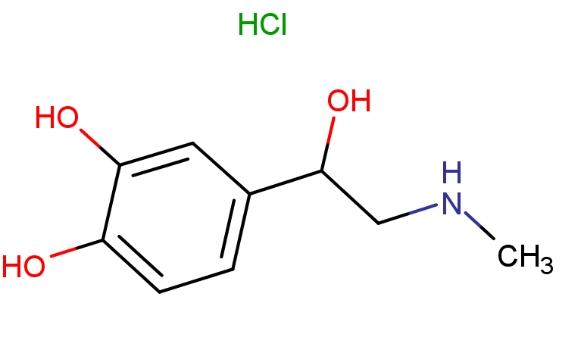
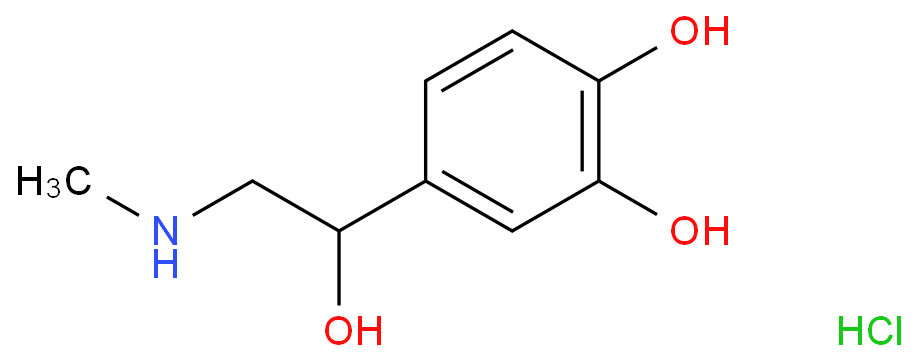
Epinephrine hydrochloride is a synthetic salt formed by the combination of racemic adrenaline (epinephrine) and hydrochloric acid, presenting as a white crystalline powder soluble in water. Racemic adrenaline is not naturally occurring but rather a synthetic analogue of adrenaline, a hormone produced in the adrenal glands. As a non-selective agonist of adrenergic receptors, epinephrine hydrochloride mimics the actions of the natural hormone adrenaline. It interacts with α and β receptors, eliciting various cellular responses such as bronchodilation, vasoconstriction, and increased heart rate. Epinephrine hydrochloride may cause skin and eye irritation, and exposure to high concentrations may result in adverse reactions such as tremors, anxiety, and palpitations. For any inquiries or further understanding, consulting healthcare professionals is recommended.
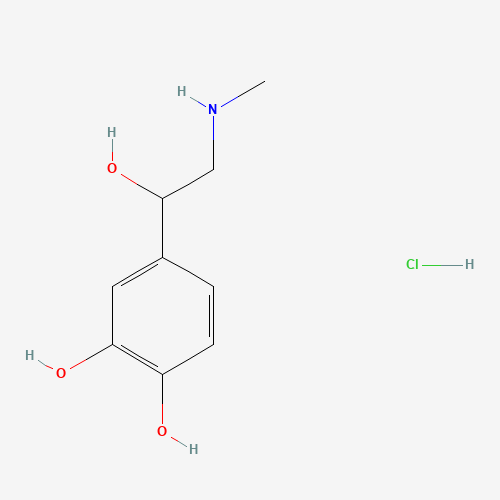
What is the use of epinephrine hydrochloride? Epinephrine hydrochloride serves various medical purposes. Here are epinephrine hydrochloride uses:
Epinephrine is used to treat allergic reactions (acute systemic allergic reactions) that may occur due to exposure to certain medications, insect venom, and foods (such as nuts and shellfish). Its role in treating severe allergic reactions (anaphylaxis) is most prominent. During allergic reactions, the immune system overreacts to foreign substances, triggering a series of reactions that can lead to airway constriction, shock, or even death. Epinephrine rapidly counteracts these effects by:
Constricting blood vessels, increasing blood pressure, and redirecting blood flow to vital organs.
Relaxing the muscles of the airways, facilitating easier breathing.
Stimulating heart rate.
Epinephrine is typically administered via auto-injectors like EpiPen, which enables easy administration even under stressful situations.
During cardiac arrest, epinephrine can be injected into the heart to stimulate cardiac activity. Cardiac arrest refers to the sudden cessation of heartbeats. In cardiopulmonary resuscitation (CPR), chest compressions combined with artificial respiration attempt to restore cardiac activity. What does epinephrine do for the heart? Epinephrine plays a crucial role in advanced CPR protocols for healthcare professionals. Its actions during cardiac arrest include:
Stimulating stronger cardiac contractions.
Increasing heart rate.
Constricting blood vessels to enhance blood flow to vital organs.
Epinephrine is sometimes added to local anesthetics such as lidocaine for dental and surgical procedures. In this regard, it serves two purposes:
Constricting blood vessels to reduce bleeding, aiding in anesthesia retention at the site and prolonging localized numbness.
Slowing the absorption of anesthetic into the bloodstream, minimizing the risk of adverse effects associated with the anesthetic itself.
Additionally, it is occasionally used for emergency treatment of asthma, where relaxation of smooth muscles aids in opening the airways, and for the treatment of glaucoma, where it appears to decrease aqueous humor production and increase its outflow from the eye, thereby reducing intraocular pressure. Conversely, certain disease states are associated with excessive production and secretion of epinephrine and other catecholamines, such as pheochromocytoma (adrenal tumors).
It is important to note that the use of epinephrine may have side effects and should be managed only by qualified healthcare professionals.
The action of epinephrine is complex, as it stimulates both α and β adrenergic receptors (or adrenergic receptors, named for their response to adrenergic hormones), resulting in various responses depending on the specific receptors and tissues involved. Thus, epinephrine causes vasoconstriction in many small vascular networks but dilates vessels in skeletal muscle and the liver. In the heart, it increases both the rate and force of contraction, thereby increasing cardiac output and raising blood pressure.
In certain circumstances, epinephrine may also lead to decreased blood pressure. Epinephrine-induced hypotension has been demonstrated recently. The activation of β2-adrenergic receptors, which are associated with smooth muscle relaxation, may be a potential mechanism. In a study by Wu et al., the effects of ICI 118551, a β2-adrenergic receptor antagonist, were investigated on epinephrine-induced hypotension in rats through different routes of administration. A total of 144 Sprague Dawley rats were randomly divided into 3 groups (intranasal, intravenous, and intra-arterial administration), each with 4 subgroups: saline + saline, ICI 118551 + saline, saline + epinephrine, and ICI 118551 + epinephrine. All rats were anesthetized with spontaneous breathing. Epinephrine was administered intranasally at a dose of 5 μg/kg, intravenously at a dose of 0.25 μg/kg, and intra-arterially at a dose of 0.1 μg/kg. Mean arterial pressure and heart rate were monitored.
After administration, the mean arterial pressure of all three saline + epinephrine subgroups decreased (P < 0.05), while others did not. Heart rate showed no significant changes in all subgroups. It was concluded that epinephrine-induced hypotension could be prevented by ICI 118551 in rats, indicating the contribution of β2-adrenergic receptors to blood pressure reduction.
Epinephrine, a hormone produced by the adrenal glands, plays a crucial role in the body's fight or flight response, a series of physiological changes that occur in response to perceived danger or stress. When released into the bloodstream, epinephrine triggers a cascade of effects throughout the body, including:
(1) Increased heart rate and contractility: Allowing the heart to pump more blood throughout the body, delivering oxygen and nutrients to muscles and vital organs.
(2) Increased breathing rate: Assisting in bringing more oxygen into the body and clearing metabolic waste carbon dioxide.
(3) Dilation of pupils: Allowing more light into the eyes, improving vision in low-light conditions.
(4) Elevated blood sugar levels: The liver breaks down glycogen into glucose, a sugar that provides energy to muscles.
(5) Relaxation of airways: Allowing more air to enter the lungs.
(6) Constriction of blood vessels: Redirecting blood flow from non-essential areas (like the skin) to essential areas (like muscles and the brain).
(7) Increased sweating: Aiding in cooling the body as it works harder.
These changes prepare the body to confront threats or flee from danger. Epinephrine surges are typically brief, lasting only a few minutes. Once the threat passes, the body returns to its normal state.
In addition to its role in the fight or flight response, epinephrine serves many other vital functions in the body, including:
Regulating blood pressure
Regulating metabolism
Stimulating the release of glucagon, a hormone that helps raise blood sugar levels
Epinephrine can also be used as a medication to treat various conditions, such as allergic reactions, asthma, and cardiac arrest.
(1) Common side effects may include rapid or pounding heartbeat, nervousness, sweating, nausea, vomiting, difficulty breathing, headache, dizziness, anxiety, tremors, or pale skin. If these effects persist or worsen, inform your doctor or pharmacist immediately.
(2) If you experience any serious side effects, inform your doctor immediately, including: irregular heartbeat, signs of infection at the injection site (such as redness, warmth, swelling, or pain).
(3) If you experience any very serious side effects, seek medical help immediately, including: chest pain, fainting, changes in vision, seizures, blurred consciousness.
This is not a complete list of possible side effects. If you notice any other effects not listed above, contact your doctor or pharmacist.
Epinephrine hydrochloride, as an important medication, serves multiple purposes in clinical settings, spanning across various disease treatment areas. Through this introduction, we've gained a deeper understanding of the uses of epinephrine hydrochloride. If you or your loved ones have conditions requiring treatment, it is advisable to consult a doctor or a professional medical team for personalized treatment plans and guidance.
[1] https://go.drugbank.com/drugs/DB00668
[2] https://www.ncbi.nlm.nih.gov/books/NBK541120/
[3] https://pubmed.ncbi.nlm.nih.gov/6380304/
[4] https://my.clevelandclinic.org/health/articles/22611-epinephrine-adrenaline
[5] https://www.webmd.com/drugs/2/drug-17227/epinephrine-hcl-anaphylaxis-injection/details
[6] https://www.britannica.com/science/epinephrine
[7] https://pubmed.ncbi.nlm.nih.gov/23945274/
[8] https://pubchem.ncbi.nlm.nih.gov/compound/5924
 |
|
 |
 |
 |
|
 EN
EN
 Agricultural News
 Food News
 Industrial News
 Cosmetic News
 Pharmaceutical News
 Science News

 3YRS
3YRS

