-
We detected your language preference as English. Would you like to switch to the English version for a better experience?
Switch to English
Stay here


Epinephrine hydrochloride, as an important medication, has wide applications in the field of medicine. Understanding its mechanism of action is crucial as it helps us better comprehend its role in treating various diseases. Epinephrine hydrochloride interacts with α and β receptors in the human body, triggering a series of complex cellular responses involving the regulation of multiple organ systems. In this article, we delve into the mechanism of action of epinephrine hydrochloride, hoping that through the elucidation of these contents, readers can gain a comprehensive understanding of the principles of this medication, providing more references and guidance for clinical applications.
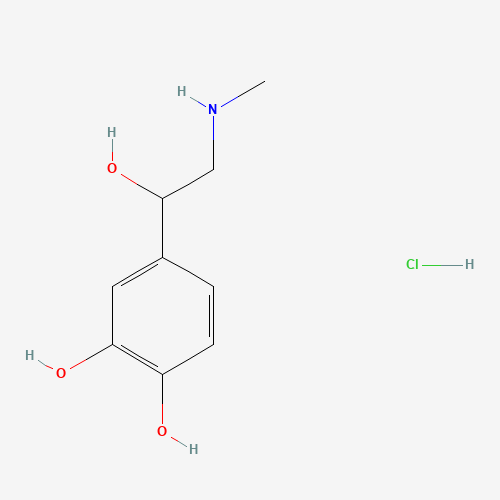
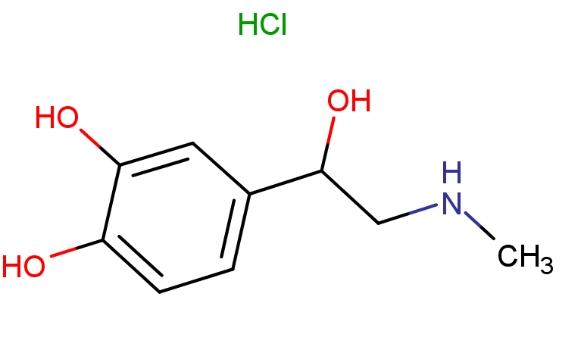
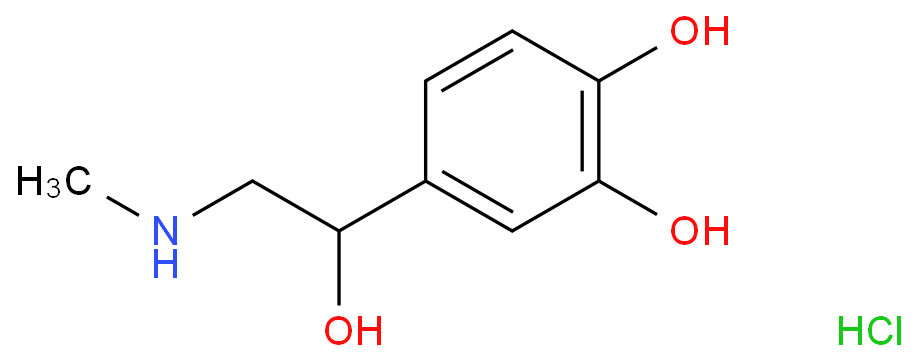
Epinephrine hydrochloride is the hydrochloride salt of naturally occurring sympathomimetic amine, possessing vasoconstrictor, intraocular pressure-reducing, and bronchodilator activities. By stimulating vascular α-adrenergic receptors, epinephrine causes vasoconstriction, thereby increasing vascular resistance and blood pressure. When administered in the conjunctiva, the drug binds to α-adrenergic receptors in the iris dilator muscle, resulting in vasoconstriction, decreased aqueous humor production, and decreased intraocular pressure. Through its β1 receptor stimulating action, epinephrine increases the force and rate of myocardial contraction and relaxes bronchial smooth muscle, leading to bronchodilation.
Epinephrine hydrochloride originates from the active sympathomimetic hormone of the adrenal medulla. It stimulates both α and β adrenergic systems, causing systemic vasoconstriction and relaxation of the gastrointestinal tract, cardiac stimulation, bronchodilation, and cerebral vasodilation. It is used for asthma and heart failure and delays the absorption of local anesthetics.
Epinephrine hydrochloride is the hydrochloride salt form of epinephrine. Epinephrine is one of the most commonly used drugs in various situations as it acts as both a drug and a hormone. It is currently FDA-approved for various conditions, including emergency treatment of type 1 hypersensitivity reactions such as allergic reactions, induction and maintenance of mydriasis during intraocular surgery, and hypotension caused by septic shock. Off-label uses of epinephrine include but are not limited to ventricular fibrillation, pulseless ventricular tachycardia, cardiac arrest, pulseless electrical activity (PEA), stridor, and severe asthma attacks unresponsive to standard therapy. In the operating room (OR) setting, epinephrine is also used as a local anesthetic block. Epinephrine, produced by the adrenal medulla, plays a crucial role in the body's acute stress response by stimulating the sympathetic nervous system.
Epinephrine Hydrochloride Pharmacological. Epinephrine is a sympathomimetic catecholamine that acts on α and β-adrenergic receptors via G-protein-coupled second messenger systems. It has greater affinity for β receptors at low doses. However, at high doses, it exerts selective actions on α receptors. Through its action on α-1 receptors, epinephrine induces vasoconstriction of vascular smooth muscle, contraction of the iris dilator muscle, and increased contraction of the intestinal sphincter. Other notable effects include increased heart rate, myocardial contractility, and renin release via β-1 receptors. β-2 effects can cause bronchodilation, which may aid in the treatment of acute exacerbations of asthma and vasodilation, uterine relaxation, and increased aqueous humor production.
Epinephrine does not target a single organ. Instead, it has widespread effects throughout the body as it interacts with two types of receptors: α and β adrenergic receptors. These receptors are present in many organs, including:
(1) Heart: In the heart, epinephrine increases the rate and force of contraction, thereby increasing cardiac output and raising blood pressure.
(2) Lungs: Epinephrine relaxes airway muscles, making breathing easier.
(3) Blood vessels: Epinephrine causes vasoconstriction in certain areas (such as the skin) and vasodilation in others (such as muscles), redirecting blood flow to where it's most needed.
(4) Muscles: Epinephrine increases blood flow to muscles, providing them with more oxygen and glucose as energy.
(5) Liver: In the liver, epinephrine stimulates the breakdown of glycogen into glucose, leading to elevated blood glucose levels. Epinephrine stimulates the liver to release glucose into the bloodstream, providing another source of energy for the body.
(6) Eyes: Epinephrine also causes contraction of the iris dilator muscle in the eye, resulting in pupil dilation (mydriasis) and improved vision.
These effects work together to prepare the body for the fight or flight response when facing stress or danger.
Epinephrine auto-injectors, including EpiPen, Twinject, and Avi-Q, have a relatively short shelf life, typically at least one year. According to different manufacturers, the typical shelf life of an epinephrine auto-injector is at least 12 months from its manufacturing date. Epinephrine takes immediate action upon injection:
Relaxing muscles in the airways, aiding in easier breathing
Reversing rapid drops in blood pressure by constricting blood vessels
Relaxing muscles in the stomach, intestines, and bladder
EpiPens begin to work immediately upon injection. They also dissipate within 20 to 30 minutes, and allergic reactions may start to recur.
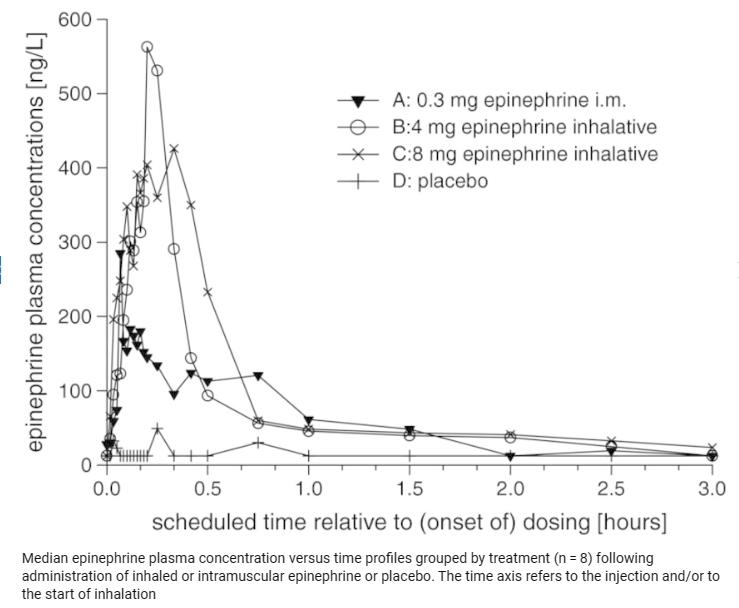
Research suggests that epinephrine stays in your system for at least 6 hours. It peaks at a high level for about an hour and reaches its peak in about 5 minutes. There is a substantial circulating amount within 40 minutes. Seeking medical attention immediately after using an epinephrine auto-injector is crucial, even if your symptoms improve. The following chart is a graph of median plasma epinephrine concentrations over time by treatment group after inhalation or intramuscular injection of epinephrine or placebo (n = 8). The timeline refers to the start of injection and/or inhalation:
Alpha-adrenergic blocking agents, such as phentolamine
Vasodilators, such as nitrates
Diuretics
Antihypertensive drugs
Ergot alkaloids
Phenothiazine antipsychotic drugs
Sympathomimetic drugs
Beta-adrenergic blocking agents, such as propranolol
Tricyclic antidepressant drugs
Monoamine oxidase (MAO) inhibitors
Catechol-O-methyltransferase (COMT) inhibitors, such as entacapone
Cocaine
Doxapram
Oxytocin
Beta-adrenergic blocking agents, such as propranolol
Cyclopropane or halogenated hydrocarbon anesthetics, such as halothane
Antihistamines
Thyroid hormones
Diuretics
Cardiac glycosides, such as digitalis glycosides
Quinidine
Potassium-depleting diuretics
Corticosteroids
Theophylline
Overall, epinephrine hydrochloride, as an important medication, achieves epinephrine hydrochloride mechanism of action by interacting with alpha and beta receptors in the human body, triggering a series of cellular responses. These reactions involve the regulation of functions in multiple organ systems and have therapeutic effects on various diseases. By understanding the mechanism of action of epinephrine hydrochloride in depth, we can better comprehend its applications and effects in clinical treatment. If you have any questions or need further understanding of the mechanism of action of epinephrine hydrochloride, it is advisable to consult a doctor or a professional medical team for personalized guidance and advice.
[1] https://my.clevelandclinic.org/health/articles/22611-epinephrine-adrenaline
[2] https://www.webmd.com/drugs/2/drug-17227/epinephrine-hcl-anaphylaxis-injection/details
[3] https://www.britannica.com/science/epinephrine
[4] https://www.verywellhealth.com/expired-epipen-82701
[5] https://www.allergicliving.com/2020/01/09/all-about-epinephrine-what-it-does-in-a-reaction-how-long-it-lasts-when-it-gets-hot-or-cold/
[6] https://www.ncbi.nlm.nih.gov/books/NBK482160/
[7] https://pubchem.ncbi.nlm.nih.gov/compound/Epinephrine-Hydrochloride
[8] Breuer C, Wachall B, Gerbeth K, et al. Pharmacokinetics and pharmacodynamics of moist inhalation epinephrine using a mobile inhaler[J]. European journal of clinical pharmacology, 2013, 69: 1303-1310.
|
 |
 |
 |
 |
|
 EN
EN
 Agricultural News
 Food News
 Industrial News
 Cosmetic News
 Pharmaceutical News
 Science News

 3YRS
3YRS

