-
We detected your language preference as English. Would you like to switch to the English version for a better experience?
Switch to English
Stay here


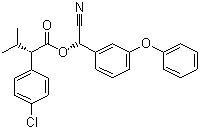
Esfenvalerate and Bifenthrin are both common pyrethroid insecticides widely used for pest control in agricultural production. Despite their chemical structural similarities, they exhibit significant differences in properties, uses, and toxicity. This article compares and analyzes Esfenvalerate and Bifenthrin to better understand their differences and select suitable insecticides for agricultural production.
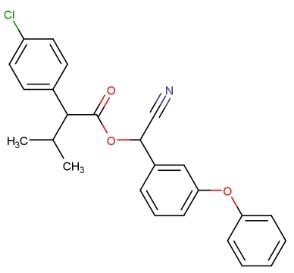
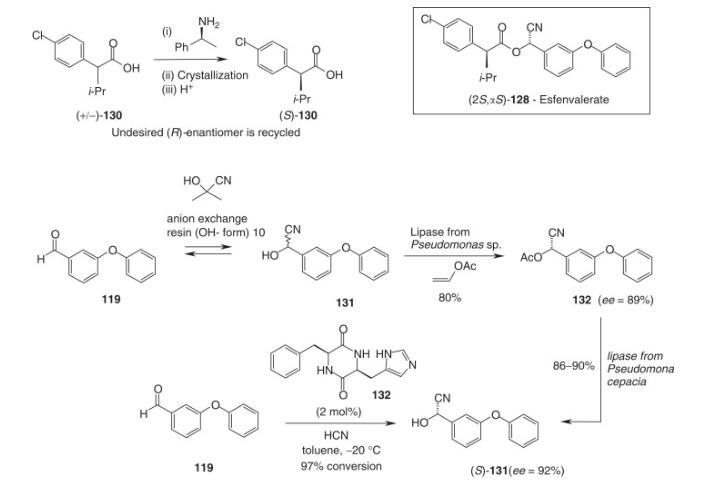
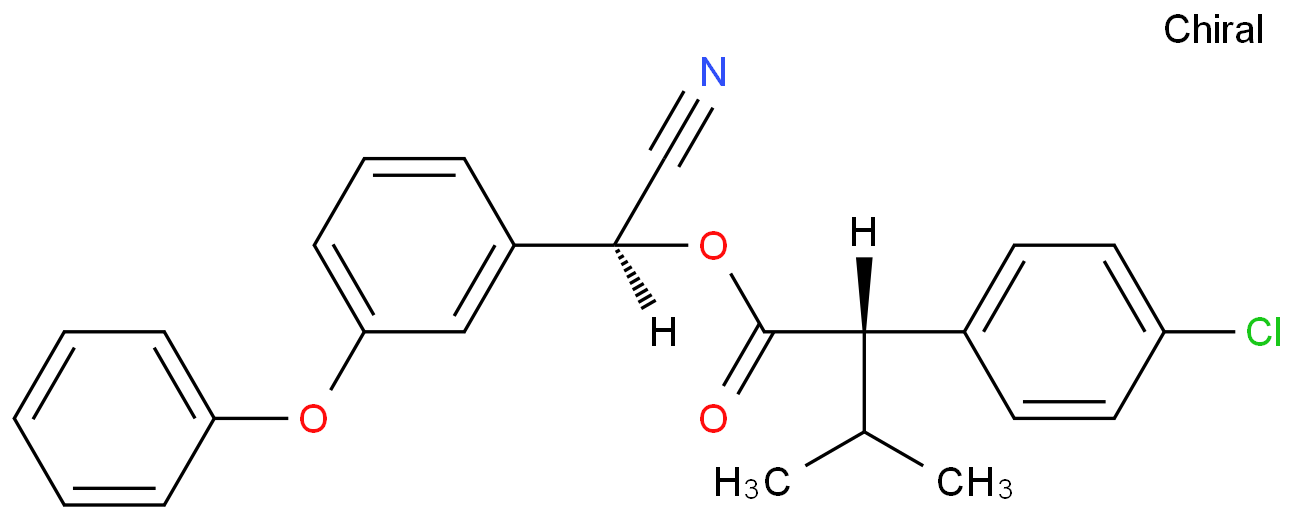
Esfenvalerate is a synthetic pyrethroid insecticide effective against various pests such as moths, flies, beetles, and other insects. It is used on vegetable crops, fruit trees, and nut crops. It may be mixed with various other types of pesticides such as carbamate compounds or organophosphates. In the United States, Esfenvalerate has replaced the naturally occurring compound cypermethrin (which is almost identical). Esfenvalerate has become the preferred compound because it requires lower application rates than cypermethrin, has lower chronic toxicity, and is a stronger insecticide. The compound contains a much higher percentage of an isomer with insecticidal activity. It may be mixed with various other types of pesticides such as carbamate compounds or organophosphates.
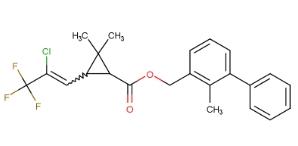
Bifenthrin is a pyrethroid insecticide widely used to combat ant infestations. Like other pyrethroids, bifenthrin is chiral; it has different enantiomers that can produce different effects. Bifenthrin exists in two enantiomeric forms: 1S-cis-bifenthrin and 1R-cis-bifenthrin. 1S-cis-bifenthrin is 3-4 times more toxic to humans than 1R-cis-bifenthrin, while the latter is over 300 times more effective as an insecticide.
Bifenthrin is extensively used to combat infestations of red imported fire ants. It is also effective against aphids, worms, other ants, midges, moths, beetles, thrips, grasshoppers, mites, midges, spiders, ticks, yellow jackets, maggots, thrips, caterpillars, flies, fleas, spotted lanternflies, and termites. It is primarily used in orchards, nurseries, and households. In the agricultural sector, it is heavily used on certain crops such as corn. In the United States, approximately 70% of hops and raspberries have been treated with bifenthrin.
Bifenthrin is used by the textile industry to protect wool products from moth damage. It was introduced as a replacement for chlorpyrifos-based drugs because it has stronger efficacy against moth insects, better wash resistance, and lower aquatic toxicity.
Esfenvalerate is effective against a wide range of pests, including crawling and flying insects. This makes it a versatile choice for pest control professionals dealing with ants, centipedes, cockroaches, scorpions, yellow jackets, and more.
Esfenvalerate can quickly kill contacted insects and provide lasting protection against reinfestation. This is because the residual film it leaves behind continues to kill insects for weeks after application.
Esfenvalerate can be used for indoor and outdoor pest control. This makes it a valuable tool for homeowners and businesses alike. When used as directed, it is a safe and effective method to eliminate pests in homes, gardens, and other environments.
Esfenvalerate can be sprayed indoors and outdoors but should not be sprayed on ornamental plants or edible vegetables and fruits. It also should not be directly sprayed on animals and pets for flea or tick treatment.
Bifenthrin, first introduced in 1983, is a broad-spectrum insecticide, acaricide, and termiticide. These insecticides are used indoors and outdoors to control many pests such as ants, termites, cockroaches, ticks, crickets, bed bugs, sticky insects, and many other invasive, turf, or ornamental pests. Bifenthrin is available in a flowable formulation for general pest control and termite control and a granular formulation for general outdoor pest control. Additionally, bifenthrin has a long-lasting residual effect, meaning it continues to kill insects for weeks after application, providing ongoing protection. This is particularly helpful in preventing quick pest return. When allowed to dry on surfaces, bifenthrin leaves a persistent residue that continues to control pests for a period of time, typically several months.
Although bifenthrin is an effective active ingredient, it does not provide immediate knockdown. Exposed insects outdoors may take about 10 minutes to die from the effects of bifenthrin. Avoid using bifenthrin-based products when you want to treat insects that damage fruit plants, vegetables, or flowers.
Esfenvalerate and bifenthrin are both common pyrethroid insecticides, synthesized chemical insecticides that mimic natural pyrethrins found in chrysanthemums. These two compounds are effective against a variety of insects and relatively safe for mammals when used according to the label. Here are some key differences:
Generally, bifenthrin has a longer residual effect, lasting several weeks to months depending on the formulation and environmental conditions. This makes it a good choice for long-term pest control.
The residual effect of esfenvalerate is shorter than bifenthrin, typically lasting from a few days to weeks. It may be preferable when faster knockdown effects and less environmental persistence are desired.
Both compounds effectively kill various insects, including ants, cockroaches, spiders, termites, and beetles. Esfenvalerate may be more effective against certain pests like ticks and mites.
Both esfenvalerate and bifenthrin have relatively low toxicity to mammals if used properly. However, always follow label instructions and wear appropriate personal protective equipment when handling any insecticide.
The best choice for you depends on the specific pest problem you're facing and the level of persistence you desire. Before using any insecticide, carefully read and follow the instructions on the insecticide label.
Both are pyrethroids, but esfenvalerate is generally considered more effective against certain insects. Cypermethrin may have a quicker knockdown effect, but esfenvalerate can provide longer residual control.
Similar to cypermethrin, deltamethrin has a faster kill rate but may not be as effective as esfenvalerate in the long term. Deltamethrin has a broader spectrum of activity, meaning it targets a wider range of insects.
Permethrin shares similar activity characteristics with the above insecticides. However, esfenvalerate may be more effective against specific pests. For applications requiring low mammalian toxicity, permethrin might be a better choice. Permethrin is a photostable insecticide, highly effective against various insects and mites, with low toxicity to mammals and almost no allergic side effects.
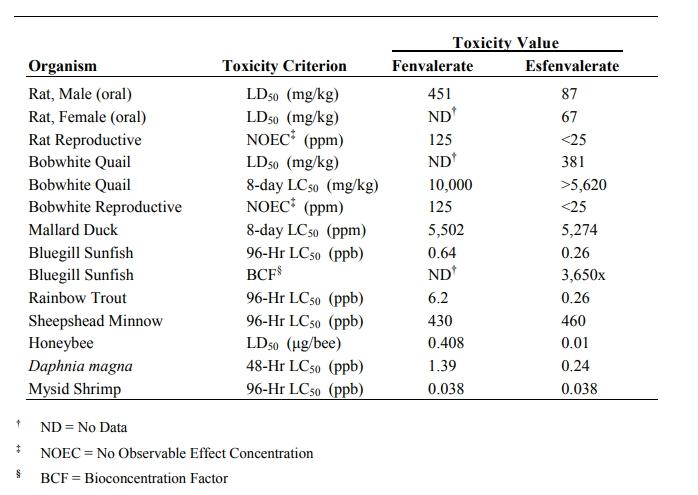
What is the difference between esfenvalerate and fenvalerate? The only difference between the two products is the relative proportion of four individual components (isomers). Esfenvalerate has become the preferred compound because it requires lower application rates, has less chronic toxicity than fenvalerate, and is a more potent insecticide. Esfenvalerate contains a higher proportion of one insecticidal active isomer (esfenvalerate is 84%, fenvalerate is 22%).
In conclusion, while the above insecticides all belong to the pyrethroid class, there are significant differences in their properties, uses, and toxicity. Choosing the right insecticide is crucial for effective pest control, so agricultural producers should select the appropriate product based on specific circumstances and needs. By thoroughly understanding and comparing the characteristics of different insecticides, they can better utilize them to protect crops, increase yields, and ensure the safety and stability of agricultural production.
[1] https://www.solutionsstores.com/esfenvalerate
[2] http://extoxnet.orst.edu/pips/esfenval.htm
[3] https://www.solutionsstores.com/bifenthrin
[4] https://www.pestxpert.com.au/diy-pest-control-which-insecticide-should-you-choose/
[5] https://www.thelawnforum.com/threads/best-general-interior-exterior-home-insecticide.47554/
[6] https://pubmed.ncbi.nlm.nih.gov/2010292/
 |
 |
|
 EN
EN
 Agricultural News
 Food News
 Industrial News
 Cosmetic News
 Pharmaceutical News
 Science News

 13YRS
13YRS