-
We detected your language preference as English. Would you like to switch to the English version for a better experience?
Switch to English
Stay here


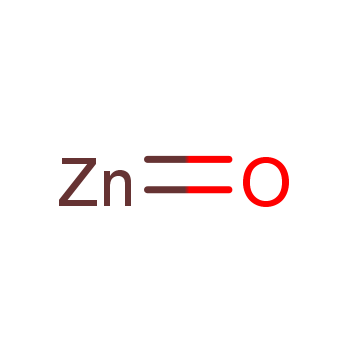
Zinc oxide is a versatile compound known for its wide-ranging applications, from skincare to industrial manufacturing, playing vital roles in many aspects of our daily lives. However, whether it's maintaining the skin, keeping metal surfaces shiny, or restoring the appearance of car interiors, mastering the art of cleaning zinc oxide is crucial. In this guide, we delve into the methods of cleaning zinc oxide to ensure the performance and aesthetics of products related to it. How do you clean zinc oxide?

Cleaning zinc oxide residues is crucial across various applications, from skincare products to industrial processes and automotive maintenance. Zinc oxide, being a widely used compound in creams, ointments, paints, and rubber manufacturing, can leave residues on surfaces such as skin, metal, and car interiors. These residues not only affect aesthetics but also performance and safety. For instance, in skincare products, improper removal of zinc oxide residues can lead to skin irritation or hinder the effectiveness of subsequent treatments. Similarly, in industrial environments, these residues can disrupt metal manufacturing processes, resulting in product defects. In the automotive field, overlooked zinc oxide residues on car interiors can diminish surface quality, compromising the overall appearance and value of the vehicle.
Proper cleaning techniques are essential for effectively removing zinc oxide residues and mitigating associated risks. Understanding the characteristics of zinc oxide residues, such as their adhesion properties and chemical composition, forms the basis for devising effective cleaning strategies. Whether dealing with skin, metal surfaces, or car interiors, using appropriate cleaners and methods is necessary to ensure thorough removal without causing damage. Additionally, adhering to proper cleaning protocols helps maintain product quality, prolong equipment lifespan, and uphold safety standards. By recognizing the importance of meticulous cleaning practices, individuals and industries can mitigate potential issues associated with zinc oxide residues, enhancing the performance and aesthetics of various applications.
Zinc oxide ointment is a non-prescription dermatological medicine and is rightfully considered the first aid of dermatology. Its main ingredient, zinc oxide, has been used since ancient Egypt to assist in wound healing. Currently, various creams, ointments, dressings for treating dermatitis, wounds, ulcers, and sunscreens are on the market with zinc oxide as the main component. Companies producing baby products like Johnson & Johnson and Mustela also offer a variety of zinc oxide-based ointments for sale as diaper rash creams or diaper ointments. So, how do you remove zinc oxide from the skin?
You can use mild soap and water to clean the skin, which is the basic step in removing zinc oxide. Gently wipe the area with damp cotton pads to remove zinc oxide. Alternatively, use oily cleansers such as olive oil or coconut oil to reduce skin irritation and dryness. After washing, rinse thoroughly with water to remove any residual zinc oxide.
For stubborn zinc oxide, you can try using makeup remover or micellar water to assist in removal. Makeup remover can effectively remove makeup and zinc oxide residues, while micellar water can form tiny micelles, making it easier to remove zinc oxide. Gently apply these liquids to the zinc oxide area using a cotton swab or pad, then rinse with warm water.
Some exfoliating products can also help remove zinc oxide. The specific steps are to use a soft scrub or sugar syrup to gently massage the zinc oxide area in circular motions, then rinse with warm water.
Please note not to use overly harsh chemicals to remove zinc oxide, such as alcohol or bleach, as this may further damage the skin. If zinc oxide remains stubborn, consult a dermatologist for professional advice.
When zinc oxide stains are heavy on metal surfaces, you can first use vinegar solution for treatment. Pour vinegar onto the zinc oxide stain, let it sit for a few minutes, then wipe with a damp cloth until the zinc oxide is completely gone. The method using vinegar solution is simple but needs to be noted that acetic acid is corrosive, so care should be taken to avoid damaging the metal surface.
If zinc oxide stains on metal surfaces are light, you can use baking soda paste for treatment. Apply baking soda paste to the zinc oxide stain, let it sit for a few minutes, then wipe with a damp cloth until the zinc oxide is completely gone. The method using baking soda paste is simple and does not harm metal surfaces, making it suitable for removing zinc oxide stains on metal.
Cleaning zinc oxide from the interior of cars requires special methods to ensure thorough removal. Start by vacuuming all surfaces to remove loose particles and dust. Pay close attention to cracks and seams where zinc oxide particles may settle. Then, wipe surfaces with a microfiber cloth or soft brush to further remove any remaining particles.
When dealing with interior upholstery and carpets, use appropriate cleaning techniques according to the materials. For fabric upholstery, clean with a mild detergent solution and a soft brush, then blot dry with a clean cloth. For leather upholstery, use leather cleaner and conditioner to gently remove any residues. For carpets, consider using a carpet cleaner or a mixture of mild detergent and water to remove stains and debris.
After thorough cleaning, allow sufficient time for drying to restore the car interior to its original condition.
Zinc oxide is commonly used in sunscreen, paint, rubber, pressure-sensitive resistors, and other fields. Its water solubility is very weak, but it can be washed off with the appropriate water-based cleaning method.
The cleaning process of zinc oxide typically requires using chemicals that can effectively dissolve zinc oxide, such as using cleansers based on amino acid or alkyl polyglucoside (APG) to clean. This method can effectively dissolve zinc oxide in water, thereby effectively removing it during the washing process.
It is important to note that due to the very weak water solubility of zinc oxide, using water-based cleaning methods may require a longer time and effort.
Preventive measures to prevent zinc oxide staining are essential. While wearing or using zinc oxide products, try to avoid direct contact with items of other colors. If accidentally stained, sprinkle some water on the affected area and gently brush with a soft brush.
When dealing with already formed zinc oxide stains, which can be stubborn especially on fabrics and surfaces, implementing preventive measures can minimize the hassle of dealing with these stains. First, taking prompt action upon leakage or staining is crucial. Immediately blotting the affected area with a clean cloth or tissue can prevent zinc oxide from penetrating deeper into the material. During the cleaning process, be cautious to avoid vigorous rubbing or scrubbing as it may further spread the stain. Gently wiping the stain with mild detergent or stain remover can help remove residues without causing damage.
Choosing the right cleaning products is crucial for effectively removing zinc oxide stains. Opting for gentle yet effective cleansers formulated specifically for the material at hand can yield optimal results. For fabrics, enzyme-containing laundry detergents or oxygen bleach can effectively remove stains without compromising fabric integrity. For hard surfaces like countertops or tiles, multi-purpose cleaners with mild abrasives can help remove residues without scratching or dulling the surface. Additionally, using tools like soft brushes or microfiber cloths can facilitate targeted cleaning, ensuring thorough removal of zinc oxide residues. By adhering to these preventive measures and selecting suitable cleaning products, the process of removing zinc oxide stains can become quite easy and more effective.
Zinc oxide is generally easy to wash off. Zinc oxide is commonly used in sunscreens and skincare products because it forms a protective barrier on the skin that can be easily removed with water and mild cleansing. However, some zinc oxide formulations may be more water-resistant, especially if they are designed for prolonged exposure to sunlight or water activities. In such cases, using a gentle facial cleanser or makeup remover may help ensure thorough removal.
The best methods for washing off zinc oxide residues include the following steps:
Cleaning zinc oxide residues is crucial across various applications, from skincare products to industrial processes and automotive maintenance. This article summarizes effective techniques and preventive measures for removing zinc oxide residues from skin, metal, and car interiors to ensure product performance and aesthetics. Utilizing mild yet effective solvents or cleaners specifically tailored to the target surface, as well as regularly maintaining and promptly removing any zinc oxide buildup, can prevent stubborn stains and corrosion, thereby maintaining the integrity of the relevant surfaces.
[1] Shu C. Zinc Oxide Ointment is Not a Panacea for Dermatology[J]. Jiangsu Health Care, 2016, (19): 30.
[2] Liu C. Study on Self-Propagating High-Temperature Synthesis of Nano-Zinc Oxide and Its Application in Automobile Field[J]. Automobile Science and Technology, 2012, (05): 77-80.
[3] Chen YZ, Li CM. Application of Nano-Zinc Oxide in Tire Surface Adhesive[J]. Rubber Technology Market, 2003, (20): 11-14.
 |
 |
 |
 |
 |
 |
 EN
EN
 Agricultural News
 Food News
 Industrial News
 Cosmetic News
 Pharmaceutical News
 Science News

 1YR
1YR

