-
We detected your language preference as English. Would you like to switch to the English version for a better experience?
Switch to English
Stay here


Propylene glycol is a common compound widely used in food, pharmaceuticals, cosmetics, and other industries. However, during use and production, it is crucial to understand how to dispose of propylene glycol properly to ensure the safety of the environment and human health. This article will explore how to dispose of propylene glycol correctly, helping us protect the environment, avoid pollution, and promote sustainable development.
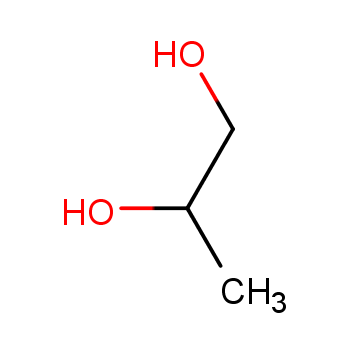
Propylene glycol is a non-toxic liquid additive that can absorb water. As a humectant, emollient, and preservative, it retains moisture and prevents mold in certain medicines, cosmetics, and foods. As a solvent, it improves the texture and consistency of foods, medicines, and paints. It is also used to create artificial smoke. Propylene glycol is usually odorless, tasteless, colorless, and has a slightly oily or syrupy texture. According to the Centers for Disease Control and Prevention, it is generally considered a safe chemical, though frequent contact can cause skin irritation.
Propylene glycol can be produced in two different ways. It is primarily made by treating propylene oxide (a chemical derived from refined petroleum) with water. It can also be derived from glycerol, a major byproduct of biodiesel production. This type of propylene glycol is mainly used for industrial purposes, such as making plastics or antifreeze.
Propylene glycol itself is generally considered safe and can be disposed of in small amounts down the drain, especially for household use. It is biodegradable and non-toxic. However, some considerations must be kept in mind:
While propylene glycol is relatively harmless, disposing of large amounts down the drain can overwhelm septic systems or local treatment plants.
It’s best to check with local authorities to see if there are specific regulations for disposing of propylene glycol.
If your propylene glycol is mixed with other chemicals, disposal recommendations may change.
The U.S. Environmental Protection Agency (EPA) provides guidelines for managing and disposing of hazardous waste under the Resource Conservation and Recovery Act (RCRA). Waste is considered hazardous if it poses a significant or potential threat to public health or the environment. RCRA defines four main characteristics of hazardous waste: ignitability, corrosivity, reactivity, or toxicity. Regulators have set specific criteria to classify waste as hazardous.
Generally, propylene glycol itself is not considered hazardous waste. It has low flammability, is non-corrosive, and has low toxicity. Safety Data Sheets (SDS) usually classify it as a non-hazardous material.
However, in some cases, propylene glycol may be considered hazardous waste:
(1) If propylene glycol is mixed with other harmful substances, the resulting mixture may be classified as hazardous waste.
(2) At very high concentrations (over 700 mg/L), propylene glycol may exceed some regulatory environmental protection limits.
(3) Local regulations may be stricter than federal guidelines, requiring specific disposal procedures even for pure propylene glycol.
(4) Consult the SDS for the specific propylene glycol product. SDS provides disposal recommendations. Contact local waste disposal authorities for specific guidelines in your area.
Contact local authorities. Although propylene glycol is biodegradable, small amounts are unlikely to harm septic systems. If your municipality permits, dilute it with plenty of water and pour it down the drain.
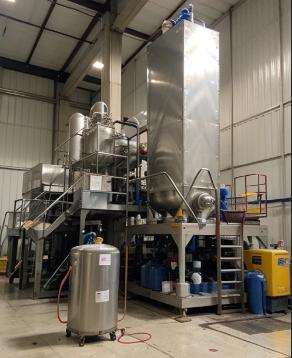
Treat it as potentially hazardous waste. Contact a licensed hazardous waste disposal company for proper collection and disposal. Industrial propylene glycol generally has a shelf life of two years from the date of manufacture when stored in sealed conditions below 100°F, away from direct sunlight. Never pour expired or contaminated propylene glycol down the drain. Contact a qualified waste disposal company to transport it in properly labeled containers.
Thoroughly clean and check local recycling programs for #2 HDPE plastic (usually acceptable).
Some additional suggestions: Wear gloves and goggles when handling propylene glycol, especially when mixed with other substances; never mix propylene glycol with other chemicals before disposal; store leftover propylene glycol in sealed, labeled containers until disposal.
Food-grade propylene glycol undergoes rigorous testing to ensure its purity and safety, meeting strict standards set by regulatory agencies like the FDA. While "food-grade" indicates suitability for ingestion, it primarily signifies higher purity and safety. Products for human or animal use, whether ingested or not, often require food-grade quality. Food-grade propylene glycol can be safely disposed of by consuming or destroying the products containing it.
Propylene glycol is versatile, with many uses beyond its initial application. Here are alternative uses and recycling options:
Propylene glycol’s non-toxic and low-volatility properties make it a safer alternative to more demanding solvents in various industries.
Used to make unsaturated polyester resins (UPR) used in composite materials.
Due to its antifreeze properties, propylene glycol can be used in agricultural applications.
Propylene glycol can be recycled. Companies are developing methods to recycle or reprocess used propylene glycol for reuse in various applications.
Advanced recycling techniques are being studied to break down propylene glycol into its basic components for more applications.
As a last resort, propylene glycol can be used as a fuel source to generate energy.
Check local regulations and guidelines to properly dispose of or recycle propylene glycol, especially in larger quantities or specific mixtures.
Proper disposal of propylene glycol is our responsibility. Only through correct disposal methods can we effectively protect the environment and human health. This article explored how to dispose of propylene glycol properly and its importance. Whether recycling, safe storage, or reasonable disposal, we should take proactive steps to handle propylene glycol correctly.
[1] https://www.hwhenvironmental.com/guide-to-glycol-disposal/
[2] https://www.accessdata.fda.gov/scripts/cdrh/cfdocs/cfcfr/cfrsearch.cfm?fr=184.1666
[3] https://onlinelibrary.wiley.com/doi/10.1111/j.1525-139X.2007.00280.x
[4] https://www.verywellhealth.com/propylene-glycol-5076050
[5] https://choicehousecolorado.com/will-propylene-glycol-test-positive-for-alcohol/
[6] https://info.kellerheartt.com/blogs/top-four-questions-about-food-grade-glycol
 |
 |
 |
 |
 |
 |
 EN
EN
 Agricultural News
 Food News
 Industrial News
 Cosmetic News
 Pharmaceutical News
 Science News

 1YR
1YR

