-
We detected your language preference as English. Would you like to switch to the English version for a better experience?
Switch to English
Stay here


Cleaning is an essential task in our daily lives, and citric acid, as an eco-friendly and natural cleaner, is increasingly favored by many. Its powerful cleaning and antibacterial properties make it an ideal choice for household cleaning. But how to use citric acid properly for cleaning to ensure effectiveness and safety? In this article, we will explore how to effectively use citric acid for cleaning, from household cleaning to personal hygiene, let's learn how to create a clean and comfortable living environment with citric acid.

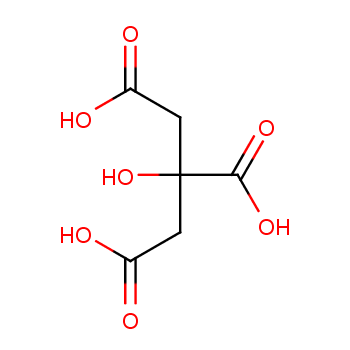
Citric acid is a natural substance found in citrus fruits such as lemons, limes, oranges, and grapefruits. It is non-toxic, antibacterial, and preservative. With its mild acidity, it is highly effective against mineral deposits and hard water stains. This makes it capable of removing limescale from kettles, coffee machines, and tackling dirt in bathrooms and kitchens. Citric acid even has antimicrobial and antifungal properties, making it a natural alternative to many harsh chemicals in cleaning applications. Some commercial products containing citric acid are water-based, which may cause metal corrosion or rust. Rinse and dry metals after cleaning to prevent rust.
In hard water areas, many stains and dirt come from mineral deposits such as calcium and magnesium. The acidity of citric acid weakens the bonds that hold these minerals together, causing them to dissolve in water. This reduces the adhesion of stains on surfaces, making them easier to wipe away. Citric acid also has a mild bleaching effect, which can lighten some stains, especially those caused by organic substances like tannins (found in tea and coffee). It achieves this by reacting with the dye molecules, altering their structure, and making them less noticeable. How to use citric acid for cleaning?
Compared to harsh chemical cleaners, citric acid offers a fresh alternative. Unlike those often irritating fumes, citric acid is a naturally non-toxic cleaning substitute. Derived from citrus fruits, it boasts prominent eco-friendly and safety features. This makes it a perfect choice for eco-conscious cleaners and those concerned about chemical exposure, especially around children and pets.
Citric acid is a mild organic acid. As a cleaner, it's highly effective, suitable for light descaling, removing hard water stains, mineral deposits, and more. Some areas where citric acid solution may be useful include bathrooms, toilets, toilet tanks, kitchens, coffee machines, kettles, dehumidifiers, and more. Because it's a relatively gentle and safe natural product, it may be more popular than more corrosive chemicals. Citric acid is a widely used ingredient applicable in various scenarios including oven cleaner, dishwasher detergent booster, all-purpose cleaner, soap scum remover, bathroom cleaner, carpet cleaner, dishwasher soap, laundry detergent, air freshener, window cleaner, and stain remover.
Citric acid doesn't just clean; it also has impressive deodorizing properties. Unlike masking odors with artificial fragrances, citric acid neutralizes odors at the source.
To maximize its effectiveness, dilution is key. The appropriate ratio depends on the cleaning task at hand. For mild cleaning tasks like removing limescale from a kettle or dealing with light soap scum, a 5-7% solution is ideal. This means mixing 1 tablespoon (15 grams) of citric acid with 2 cups (475 milliliters) of warm water. For tougher jobs like removing heavy stains or rust, you can increase the concentration to 10%, adding 2 tablespoons (30 grams) of citric acid per 2 cups of water.
When diluting citric acid, be sure to add the powder to water to prevent splashing of concentrated acid. Dissolves faster in warm or hot water. Wear gloves and safety goggles when handling citric acid, especially at high concentrations. By following these simple dilution techniques, you can create safe and effective cleaning solutions tailored to your specific needs.
While citric acid itself is a magical natural cleaner, you can combine it with other ingredients to unleash more cleaning power. Adding a few drops of essential oils can enhance the pleasant aroma of your cleaning solution while providing additional cleaning effects. For example, tea tree oil has antibacterial properties, making it an excellent addition for cleaning surfaces like cutting boards. Lavender oil can add a soothing scent while providing mild antiseptic effects. Just remember to properly dilute essential oils and avoid using them on certain surfaces like granite.
For tougher cleaning tasks, consider mixing citric acid with baking soda, a combination that can help remove stubborn dirt and grease. You can use equal parts of citric acid and baking soda to tackle burnt-on residues on pots and pans or sprinkle the mixture on bathroom floors and grout to remove soap scum and hard water stains.
Citric acid can be mixed with other water-based cleaners to boost their performance. Adding a tablespoon of citric acid to other water-based cleaners can enhance their ability to tackle mineral deposits and soap scum. It can also be combined with dish soap to form a more potent degreasing solution. However, be cautious about mixing citric acid with bleach or other harsh chemicals, as it can produce harmful fumes.
Start with a solution of 1-2 tablespoons (15-30 grams) of citric acid per liter of hot water. This is a good all-purpose concentration for cleaning mineral deposits, stains, and general dirt.
If you're dealing with stubborn mineral buildup or tough stains, you can increase the concentration to 1/4 cup (60 grams) of solution per liter of water. Note that stronger solutions may require additional rinsing.
To remove hard water stains and mineral buildup, sprinkle 1/2 cup (120 grams) of citric acid powder on the bottom rack of the dishwasher, then run a hot water cycle.
For a sparkling toilet, pour 1 tablespoon of powder into the toilet bowl, scrub with a toilet brush, and let it sit for 15 to 20 minutes. Flush.
Due to citric acid's chelating properties, it can have effects on surfaces containing iron, such as stainless steel. Note that passivating stainless steel with citric acid is a common practice. This is a process of removing iron atoms from the surface of stainless steel parts in a citric acid (or similar) solution to inhibit corrosion.
It can also etch surfaces of natural porous stones like marble and granite as they are composed of carbonaceous material. Etching causes the surface to become dull over time and repeated use, potentially making these surfaces less appealing.
Grout is a semi-porous cement and can be cleaned with citric acid but over time, it may erode it. However, this is the case with many grout cleaners.
While it's sometimes used in laundry for washing clothes, we don't recommend putting it in the washing machine as it may damage the machine and rubber components. We also don't advise using it in dishwashers.
Mix 1 tablespoon (15 grams) of citric acid powder with 1 cup (240 milliliters) of warm water in a spray bottle. Spray this solution on countertops, stovetops, or even the outside of refrigerators. Citric acid can remove grease and grime, leaving clean, disinfected surfaces. Rinse with clean water and then wipe dry with a microfiber cloth.
For stubborn mineral deposits on faucets and showerheads, make a citric acid paste. Mix 2 tablespoons (30 grams) of citric acid powder with a small amount of water to form a thick consistency. Apply the paste directly to the mineral deposits, let it sit for 30 minutes to 1 hour. Scrub with a brush and rinse thoroughly.
Dishwashers often accumulate hard water deposits in hoses and connectors. Citric acid can get into all these small crevices, break down, and remove buildup. Fill the dishwasher's detergent cup with citric acid powder, then run as usual, set to the hottest and longest cycle. Run a second cycle with regular detergent (and dishes) to clear away any remaining mineral deposits.
Electric Kettles or Stovetop Kettles
Mineral deposits build up quickly in electric or stovetop kettles and are hard to remove from teapots—whether stove or electric models. Boiling water and a little citric acid can solve this problem without scrubbing. Fill the kettle halfway and then bring to a boil. After boiling, remove from the stove (or turn off the electric model) and add 1-2 tablespoons of citric acid to the water. Let it sit for 15 to 20 minutes. Rinse, and the pesky mineral deposits will disappear.
Cutting boards can harbor bacteria and unpleasant odors. Sprinkle coarse salt and half a lemon on the board. Scrub the surface and rinse thoroughly. Next, disinfect further with a citric acid solution to eliminate residual odors.
Through this article, we've learned that citric acid, as a natural cleaner, has great potential to play an important role in household cleaning and personal hygiene. Using citric acid correctly can effectively remove dirt, disinfect, and is also an environmentally friendly choice. When using citric acid for cleaning, we need to pay attention to dilution ratios, avoid mixing with other chemicals, to ensure cleaning effectiveness and safety.
Hopefully, through this introduction, readers can better understand how to effectively use citric acid for cleaning, creating a clean and comfortable living environment. Let's try using citric acid for cleaning in our daily lives, enjoy a fresh, healthy home environment, and create a more comfortable living space for ourselves and our families.
[1]https://thechemco.com
[2]https://corecheminc.com/cleaning-with-citric-acid-heres-what-you-need-to-know/
[3]https://www.theprogressnews.com/how-to-use-citric-acid-to-clean-descale-and-restore-just-about-anything/article_c85caa62-cfce-11ec-84c5-177a02b91b72.html
[4]https://purdyandfigg.com/blogs/natural-tips-and-tricks/a-beginners-guide-to-citric-acid
 |
 |
 |
 |
 |
 |
 EN
EN
 Agricultural News
 Food News
 Industrial News
 Cosmetic News
 Pharmaceutical News
 Science News

 3YRS
3YRS

