-
We detected your language preference as English. Would you like to switch to the English version for a better experience?
Switch to English
Stay here


Hydroxypropyl beta cyclodextrin, as an important functional material, offers extensive potential applications. What does hydroxypropyl β Cyclodextrin do? Its various uses in fields such as drug delivery, biological separation, and environmental remediation provide rich possibilities for scientific research and engineering applications.
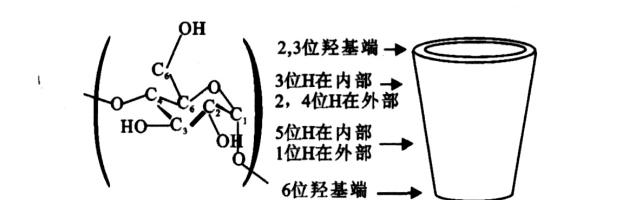
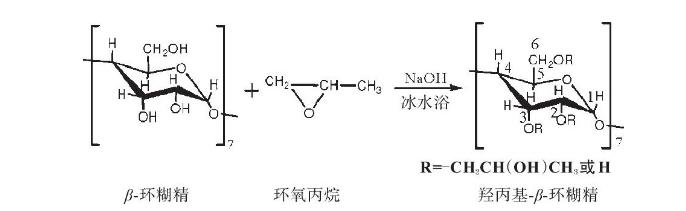
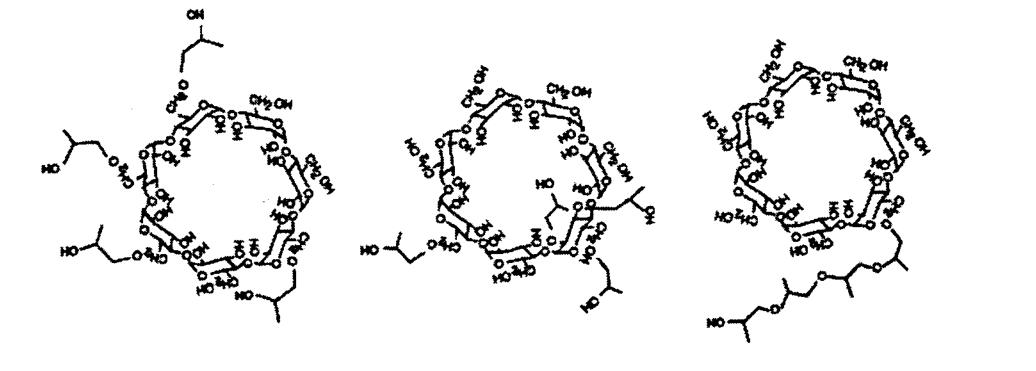
Cyclodextrins (CDs) are cyclic oligosaccharides composed of several D-glucose units, forming a unique conical-shaped cavity with hydrophobic interiors and hydrophilic exteriors (see Figure below). CDs can form inclusion complexes with various hydrophobic compounds such as active pharmaceutical ingredients, food additives, and organic pollutants, altering their physicochemical properties to enhance water solubility, controlled release, and stability. Among the most common CD molecules, β-cyclodextrin (β-CD), composed of seven glucose residues, is industrially significant due to its simplicity and lower cost in production. However, β-CD's applications are limited by its low solubility in water due to intra-molecular hydrogen bonding between C2 and C3 hydroxyl groups. Hydroxypropyl beta cyclodextrin (HPβCD) is a chemically modified ether derivative of CD. What are the uses of hydroxypropyl beta cyclodextrin? The introduction of hydroxypropyl opens up the hydrogen bonds within the β-CD molecule, forming amorphous mixtures with significantly enhanced water solubility and lower hemolytic properties compared to β-CD. Hydroxypropyl beta cyclodextrin is considered a promising pharmaceutical excipient and food additive.
Solubility is an inherent physicochemical property of drugs. Enhancing solubility accelerates drug dissolution and release in gastrointestinal fluids, thereby increasing absorption and therapeutic efficacy. Incorporation into cyclodextrin alters the original crystalline structure of drugs, allowing them to enter the hydroxypropyl beta cyclodextrin cavity in molecular form. Due to its high hydrophilicity, hydroxypropyl beta cyclodextrin facilitates rapid dissolution in the gastrointestinal tract, improving water solubility and enhancing bioavailability, thereby reducing the dosage required. Therefore, hydroxypropyl beta cyclodextrin and drug inclusion can affect drug solubility depending on the ratio, type, inclusion conditions, preparation methods of inclusion compounds, and the form of the drug. For example, hydroxypropyl beta cyclodextrin treated with osthole in a 1:1 molar ratio can increase osthole solubility from 0.01 mg·m L-1 to 2.599 mg·m L-1.
Hydroxypropyl beta cyclodextrin improves drug stability. Some drugs decompose due to exposure to light, heat, and oxygen, potentially losing some or all of their effectiveness within their designated 3 to 5-year shelf life. Encapsulation within hydroxypropyl beta cyclodextrin effectively shields drugs from photosensitivity, oxidation, and thermal degradation, thereby maintaining drug stability. For example, estradiol in complex with hydroxypropyl beta cyclodextrin extends its degradation half-life from 1.2 years to 4 years at room temperature.
Incorporating drugs into the hydroxypropyl beta cyclodextrin cavity prevents direct contact with biological surfaces, reducing the likelihood of drugs contacting non-target tissues and cells, thereby minimizing side effects. Hydroxypropyl beta cyclodextrin inclusion complexes effectively penetrate tissues without significantly reducing therapeutic efficacy. The protective effect on muscle tissue is primarily attributed to the weak affinity between hydrophilic inclusion complexes and muscle fiber cell membranes, reducing damage caused by drug injection to muscle tissue. For example, hydroxypropyl beta cyclodextrin inclusion complexes of sirolimus can effectively reduce the risk of local skin toxic reactions such as erythema and ulceration upon injection.
Ordinary oral drugs, under the inclusion effect of hydroxypropyl beta cyclodextrin, can achieve four release control mechanisms, including immediate release, delayed release (time-controlled release), extended release, and controlled release. By selecting appropriate hydroxypropyl beta cyclodextrin (different degrees of substitution) and designing rational oral drug formulations, release rates can be improved or adjusted. For example, fentanyl released slowly from hydroxypropyl beta cyclodextrin upon injection, resulting in sustained release.
Hydroxypropyl beta cyclodextrin enhances drug corneal permeability. For example, hydroxypropyl beta cyclodextrin increases the corneal permeability of nitroglycerin by nearly four times.
Hydroxypropyl beta cyclodextrin is mainly used in the food industry as a food additive in the following aspects: anti-volatility, antioxidant, light and heat decomposition resistance, pigment protection, moisture retention, odor elimination, and improvement of food texture.
Some flavors added to food, such as rose essence, lauric aldehyde, and anethole, are volatile and susceptible to oxidation by sunlight and air, which is not conducive to transportation and storage. After encapsulation with hydroxypropyl beta cyclodextrin, their stability is greatly enhanced, allowing for long-term storage.
Natural pigments used as food additives, such as carotene, flavonoid pigments, and lutein pigments, are stable in terms of toxicity but are unstable under light, heat, acid, and alkali conditions. These natural pigments can form complexes with hydroxypropyl beta cyclodextrin to improve stability.
Rutin, as a raw material for food, especially functional ingredients in health foods, has broad application prospects, but its low water solubility limits its use. After encapsulation with hydroxypropyl beta cyclodextrin, the solubility of rutin is improved.
Fabrics treated with hydroxypropyl beta cyclodextrin can be used as decorative materials such as curtains to remove odors and harmful substances from the air. Textiles treated with hydroxypropyl beta cyclodextrin can impart additional properties to fabrics. For example, aromatic substances encapsulated with hydroxypropyl beta cyclodextrin can impart fragrance to textiles; deodorants encapsulated with hydroxypropyl beta cyclodextrin can achieve deodorizing effects; antimicrobial agents encapsulated with hydroxypropyl beta cyclodextrin can impart antimicrobial properties to textiles.
The role of hydroxypropyl beta cyclodextrin in the environment mainly includes increasing the solubility of non-polar pollutants, enhancing bioavailability, promoting the biological transformation of pollutants, absorbing harmful substances in the atmosphere, water, and soil, catalyzing the degradation of pollutants, and reducing the toxicity of pollutants.
The benefits of hydroxypropyl beta cyclodextrin are numerous, and ongoing research around its continuous exploration is particularly exciting. Scientists are exploring its potential in various fields:
By attaching targeting moieties to hydroxypropyl beta cyclodextrin, researchers aim to deliver drugs specifically to diseased tissues, thereby minimizing side effects.
Hydroxypropyl beta cyclodextrin is being researched for its ability to create sustained-release formulations, potentially reducing dosing frequency and improving patient compliance.
Hydroxypropyl beta cyclodextrin can be complexed with multiple drugs, opening doors for developing combination therapies against complex diseases.
Hydroxypropyl beta cyclodextrin demonstrates extensive application prospects in pharmaceuticals, food industry, and environmental remediation. With continuous advancements in science and technology and in-depth research, its applications across various fields are expected to expand and deepen, providing more effective solutions to challenges in medicine and the environment.
[1] Cai H, Wang C. Preparation and Application of Hydroxypropyl-β-Cyclodextrin. Journal of Nantong University (Natural Science Edition). 2014;13(02):54-59+65.
[2] Song G, Feng L, Pei L, et al. Research Overview of Pharmaceutical Excipients Hydroxypropyl-β-Cyclodextrin. China Pharmacy. 2011;22(45):4292-4294.
[3] Cai S, Huang H, Chen L. Development of Hydroxypropyl-β-Cyclodextrin Applications. Chinese Journal of Pharmaceutical Industry. 2008;(10):78-79.
[4] Yuan C, Jin Z. Structure of Hydroxypropyl-β-Cyclodextrin. Journal of Food and Biotechnology. 2007;(04):34-36.
[5] Tao T. Characteristics and Pharmaceutical Applications of Hydroxypropyl Beta Cyclodextrin. Chinese Pharmaceutical Industry Journal. 2002;(06):46-50.
[6] https://www.intechopen.com/chapters/70358
[7] https://pubmed.ncbi.nlm.nih.gov/26535909/
|
 |
 |
 EN
EN
 Agricultural News
 Food News
 Industrial News
 Cosmetic News
 Pharmaceutical News
 Science News
