-
We detected your language preference as English. Would you like to switch to the English version for a better experience?
Switch to English
Stay here


In today's beauty care field, people often seek various natural ingredients to improve the health and appearance of their hair. Citric acid, as a common natural ingredient, is widely used in hair care products. Is citric acid good for hair? But what are the benefits of citric acid for hair? Can it truly improve hair texture, add shine, or is it just a marketing gimmick? Does citric acid repair hair? In this article, we will delve into the potential benefits of citric acid for hair and how to use it correctly in hair care. Let's uncover the secrets of citric acid for hair and explore its role and value in hair care.
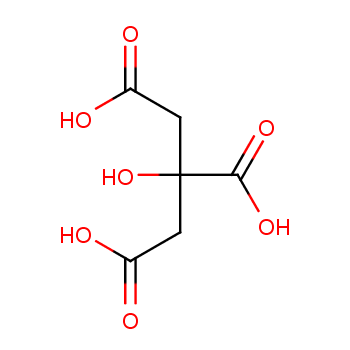
Citric acid is an organic acid found in all citrus fruits such as lemons, oranges, limes, grapes, tomatoes, papayas, kiwis, etc., giving them their sour taste. It is a colorless, odorless compound present in almost all citrus fruits. Unlike other organic acids, citric acid is essentially weakly acidic, with a pH value between 3 and 6. Due to its acidity, citric acid is used as a food additive and preservative. It is also used in many cosmetics such as eye creams, serums, lip balms, moisturizers, soaps, hair gels, deodorants. Medically, citric acid is used in nasal sprays, skin ointments, etc.
This organic acid found in fruits has beauty benefits, helping to make hair soft, silky, and shiny. This white crystalline powder is equally effective as any other professional hair care product and has proven to be an incredible hair care ingredient. Let's elucidate the beneficial properties of citric acid in hair care:

Citric acid can promote hair growth by improving blood circulation in the scalp. This powder has a warming effect on the scalp, so after use, the increased blood circulation in the scalp nourishes and stimulates the hair follicles, thus promoting hair growth.
Citric acid is also used as an exfoliant in many hair care products. It helps to remove dead skin cells that clog pores, promoting scalp health. A healthy scalp promotes the growth of shiny, beautiful hair.
Human hair and scalp are inherently slightly acidic, while most hair care products are inherently alkaline or neutral. When alkalinity increases, it can damage your scalp and hair, leading to various hair care problems. Acidic water rinses diluted with citric acid have been shown to help maintain the acidity of the scalp and hair.
Citric acid has antioxidant properties, making it very effective in enhancing follicles and preventing hair breakage and thinning.
Citric acid can remove buildup or flakes from the hair, giving it shine. Esters formed by citric acid create a thin protective coating on the hair surface, preventing moisture loss, making it look shiny and hydrated.
Citric acid is a natural bleaching agent or oxidizer, and when exposed to sunlight, it accelerates the bleaching process. The hair lightening effect is more pronounced in golden and light brown hair. It works by chemically reducing melanin.
Citric acid can balance the pH of the scalp as hair care products make it more alkaline. Therefore, citric acid is used in many hair care products to lower the pH of the product and help acidify the scalp, thus regulating the pH of the scalp and improving scalp condition.
Citric acid can remove excess oil or sebum from the scalp, helping to reduce buildup on the scalp and hair, thereby promoting a healthy scalp and beautiful hair.
Due to these beneficial properties, citric acid is widely used in many hair care products such as shampoos, conditioners, hair masks, scalp masks, leave-in conditioners, mousse, and hair gel, making your hair relatively soft, smooth, and shiny.
Although citric acid has many benefits, it's important to be aware of potential drawbacks. Can citric acid cause hair breakage? Overuse, its acidity can strip away natural oils, leaving the hair dry, brittle, and prone to breakage. Moderation is key to avoiding this situation. Dilute citric acid with water or conditioner before use, and limit usage to a few times per week. It's also advisable to conduct a patch test on a small area of the scalp, especially if you have sensitive skin.
Is citric acid suitable for curly hair? Citric acid is suitable for most hair types, including curly hair. However, citric acid also has some side effects; its drying properties may exacerbate frizz, especially for curly hair. If you notice this, consider using a deep conditioner after moisturizing with citric acid. Additionally, those who color their hair should use it with caution, as over time, citric acid may slightly lighten the hair color.
Citric acid is a useful hair care agent, but using it safely and effectively is crucial. Here's how:
Citric acid is acidic, and using it directly on the hair can damage it. Always dilute it with water or other hair care products before use. A common recommendation is to mix half a teaspoon to a teaspoon of citric acid with one liter of water.
There are several methods to incorporate citric acid into your daily routine:
Does citric acid cause hair breakage? Citric acid doesn't directly repair existing hair damage, but it can provide some indirect benefits, promoting healthier hair and a stronger appearance. Here's a detailed analysis:
Damaged hair often exhibits frizz and unruliness. Citric acid, with its gentle acidity, can help smooth the hair cuticle, making it smoother and less prone to curling. This can make the hair look stronger and healthier.
Uneven hair cuticles reflect light unevenly, leading to dullness. Citric acid, by smoothing the cuticle, can improve light reflection, making the hair more shiny.
Damaged hair often stems from an unhealthy scalp environment. The mild acidity of citric acid can help restore the scalp's natural pH balance, creating a more ideal environment for hair growth. Over time, this can indirectly promote stronger, healthier hair.
Damaged hair attracts product buildup, further weighing down the hair and impeding healthy growth. The gentle exfoliating properties of citric acid can help remove this buildup, allowing the hair to breathe and potentially become stronger.
Citric acid won't repair the internal bonds of hair that have broken, which is the main cause of damage. For more significant repair, professional treatments or products designed specifically for bond repair may be necessary.
Citric acid is a common ingredient in many shampoos and hair care products. It has several benefits for hair, such as lowering pH, strengthening follicles, and adding shine. However, it can also lighten your hair color, especially if you have blonde or light brown hair and expose it to sunlight. This is because citric acid accelerates hair bleaching, reducing hair pigment.
If you want to reverse this effect, you may need to use a hair gel or conditioner that can restore lost hair pigment. You can also try semi-permanent or demi-permanent hair dyes that match your natural color. These dyes are less damaging than permanent dyes and can gradually fade. Alternatively, you can wait for your hair to grow out and then trim the lighter ends.
Does citric acid bleach hair? If you're looking for a natural way to remove hair color, you can try various homemade hair dye removers, such as lemon juice. The high acidity of lemon juice, which contains citric acid, helps remove hair dye. Apply lemon juice to damp hair, leave it on for about 30 minutes, then rinse thoroughly.
In conclusion, citric acid has certain benefits for hair, helping to cleanse hair, remove dandruff, balance scalp oil, etc. However, we should also use citric acid in moderation to avoid overdrying the hair or irritating the scalp. When choosing hair care products containing citric acid, pay attention to the ingredients and target audience to ensure they meet your needs and hair type.
In addition to citric acid, we can also maintain healthy hair by maintaining good hair care habits, balanced diet, avoiding excessive use of heat tools, etc. Hopefully, through the introduction in this article, readers can have a better understanding of the effects of citric acid on hair, make wise hair care choices, and keep their hair healthy and beautiful.
[1] https://www.anveya.com/blogs/top-tips/amazing-benefits-of-citric-acid-for-your-hair
[2] https://www.lorealparis.com.au/benefits-of-citric-acid-for-hair
[3] https://www.bluebanana.com/en_GB/page/how-to-remove-hair-dye
[4] https://www.quora.com>
 |
 |
 |
 |
 |
 |
 EN
EN
 Agricultural News
 Food News
 Industrial News
 Cosmetic News
 Pharmaceutical News
 Science News

 3YRS
3YRS

