-
We detected your language preference as English. Would you like to switch to the English version for a better experience?
Switch to English
Stay here


Levonorgestrel vs norethindrone
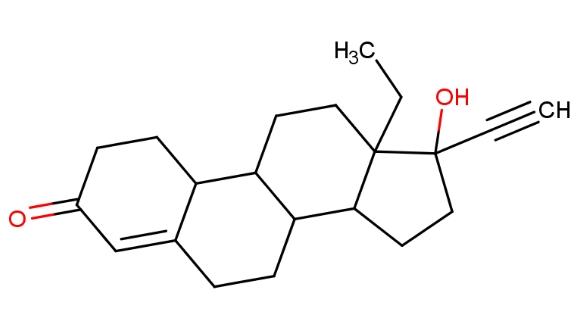
Levonorgestrel is a hormone medication used in various contraceptive methods. It is combined with estrogen to make combined contraceptive pills. As an emergency contraceptive, it is sold under brands like Plan B One-Step and Julie, effective within 72 hours after unprotected intercourse. The longer the time after intercourse, the less effective the medication becomes, and it will not work if pregnancy (implantation) has already occurred. Levonorgestrel works by preventing ovulation or fertilization. It reduces the chance of pregnancy by 57-93%. In intrauterine devices (IUDs), such as Mirena, it provides effective long-term pregnancy prevention. Some countries also offer implants that release Levonorgestrel.
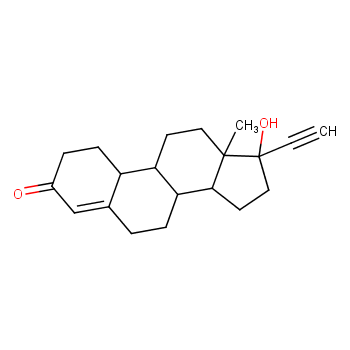
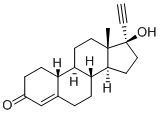
Norethisterone is a progestin medication used for oral contraceptives and hormone replacement therapy, as well as for treating certain gynecological conditions. It is used for abnormal uterine bleeding, endometriosis, amenorrhea, gender-affirming hormone therapy, and contraception.
Levonorgestrel: FDA-approved for use as an emergency contraceptive, with the best results if taken within 72 hours after unprotected intercourse. It is also used in hormonal IUDs and other short-term contraceptive methods. Additionally, Levonorgestrel is used to treat certain types of menstrual issues.
Norethisterone: A prescription contraceptive that can also be used as an emergency contraceptive. Besides contraception, Norethisterone is used for treating amenorrhea, endometriosis, and abnormal uterine bleeding.
Levonorgestrel: Prevents ovulation by inhibiting the release of luteinizing hormone (LH). It also alters the cervical mucus to make it harder for sperm to pass through. Timing is crucial for its effectiveness, with the best results achieved when used before ovulation to maximize contraceptive efficacy.
Norethisterone: Also prevents ovulation by inhibiting LH release but enhances contraceptive effectiveness by thickening cervical mucus and altering the endometrial lining, making it difficult for a fertilized egg to implant.
Levonorgestrel: Common side effects (reported in 10% or more of users) include urticaria, dizziness, hair loss, headaches, nausea, abdominal pain, uterine pain, menstrual delays, heavy menstrual bleeding, uterine bleeding, and fatigue. Less common side effects (reported in 1% to 10%) include diarrhea, vomiting, and menstrual pain. These side effects typically resolve within 48 hours. However, compared to combination pills, Levonorgestrel has a lower risk of long-term side effects such as arterial disease. Using Levonorgestrel as an IUD is associated with a higher risk of breast cancer compared to not using it.
Norethisterone: Side effects include menstrual irregularities, headaches, nausea, breast tenderness, mood changes, acne, and increased hair growth. The most common side effect is menstrual irregularities, including frequent or irregular bleeding or spotting and amenorrhea.
Levonorgestrel: The effectiveness of emergency contraception depends on the timing of administration, with optimal results achieved when taken within 72 hours after unprotected intercourse. Its long-term contraceptive effectiveness is lower, and it may not prevent pregnancy during use.
Norethisterone: When used correctly, its effectiveness can reach up to 99%, making it a highly effective long-term contraceptive method. Proper use provides consistent contraceptive protection.

Levonorgestrel is highly effective as an emergency contraceptive when taken within the recommended time frame. However, its effectiveness compared to other synthetic hormones like Norethisterone may vary depending on individual use and other factors.
Levonorgestrel can be used orally or as an IUD (e.g., Mirena) for long-term contraception. Norethisterone is primarily available in oral form.
Both medications share similar side effects, including menstrual irregularities, nausea, and headaches. However, the incidence and severity of specific side effects may vary between individuals. Norethisterone's side effects may be similar to Levonorgestrel in some aspects, but individual responses may differ.
A study conducted by the Victorian Family Planning Association in Australia involved randomly recruiting 240 women aged 15-33, divided into two groups. One group took a combined oral contraceptive (OC) with 500 mg Norethisterone (Brevinor), and the other group took OC with 150 mcg Levonorgestrel (Nordette 30) to compare the clinical effects of the two OCs. Only 140 women were followed up (48 women for 15 cycles, 92 women for 1-12 cycles). During the cycles, Norethisterone users experienced breakthrough bleeding more frequently than Levonorgestrel users (78.3% vs. 50%; p 0.001). Breakthrough bleeding was more common in Norethisterone users in the first 2 cycles (68.3% vs. 36.2%; p 0.001). However, after 2 cycles, the rates were relatively equal (11.7% vs. 11.25%). Levonorgestrel users had a slightly higher incidence of breast tenderness compared to Norethisterone users, but the difference was not significant (67.5% vs. 55%). 33% of Norethisterone users stopped using Brevinor due to breakthrough bleeding. Family planning providers should consider prescribing 1 mg Norethisterone OC (Brevinor 1) or Synphasic formulations (0.5 and 1 mg Norethisterone combination) if they need to prescribe Norethisterone-containing OC.
Clare Barnett and colleagues directly compared the risk of thromboembolic events associated with combined oral contraceptives containing Norethisterone acetate and Levonorgestrel. The dataset included 235,437 users of combined oral contraceptives, with a total follow-up of 571,163 woman-years. Among them, 40,142 women used Norethisterone/Norethisterone acetate (ethinyl estradiol ≤30 µg) and 39,098 women used Levonorgestrel (ethinyl estradiol ≤30 µg), contributing 61,976 and 84,816 woman-years of observation, respectively. Baseline prevalence of prognostic factors showed typical characteristics of users in the US and Europe. Both cohorts exhibited similar low rates of thromboembolic events. These data confirm that the risk of thromboembolic events is similar between Norethisterone/Norethisterone acetate and Levonorgestrel among routine users of combined oral contraceptives in Europe and North America/Canada.
Levonorgestrel has an average rating of 7.0 (out of 10) from 10,489 reviews on Drugs.com, with 60% of reviewers reporting positive effects and 22% reporting negative effects. Norethisterone has an average rating of 4.9 (out of 10) from 1,565 reviews, with 33% of reviewers reporting positive effects and 45% reporting negative effects. Both Levonorgestrel and Norethisterone are effective synthetic hormones used in different forms of hormonal contraception. The best choice depends on individual differences, so it is recommended to discuss with a healthcare provider before deciding which medication to use.
Combining Norethisterone and Levonorgestrel is generally not recommended due to potential interactions and the risk of overlapping side effects. Always consult with a healthcare provider before combining medications to ensure safety and effectiveness.
Levonorgestrel and Norethisterone both serve as effective hormonal contraceptives but differ in their application, mechanism, and side effects. Understanding these differences helps in choosing the most appropriate method for your needs. Always consult with a healthcare professional for personalized advice and treatment options.
 |
 |
 |
 EN
EN
 Agricultural News
 Food News
 Industrial News
 Cosmetic News
 Pharmaceutical News
 Science News

 13YRS
13YRS