-
We detected your language preference as English. Would you like to switch to the English version for a better experience?
Switch to English
Stay here


This article outlines the application of sodium thiosulfate in dialysis, particularly in addressing calcification reactions such as calciphylaxis. Sodium thiosulfate has become a key therapeutic agent in effectively controlling this complication due to the significant challenge of calcification faced by dialysis patients. Its mechanism of action includes neutralizing toxic substances in the blood, thereby reducing the risk of calcification reactions and supporting the overall efficacy of dialysis. By understanding the critical role of sodium thiosulfate in treating calcification reactions, both patients and healthcare professionals can recognize its importance in improving patient outcomes and enhancing the quality of care for dialysis patients.
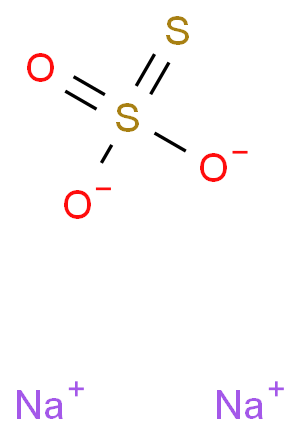
Understanding sodium thiosulfate is crucial for dialysis patients as it plays a key role in their treatment regimen. Sodium thiosulfate, a compound known for its unique properties and mechanism of action, is commonly used in medical settings, especially in dialysis. Its primary function as a detoxifier involves binding to and neutralizing toxic substances present in the blood, which are often elevated in kidney failure patients undergoing dialysis. This mechanism helps alleviate the burden on the kidneys and supports the overall efficacy of dialysis. Additionally, sodium thiosulfate is renowned for its ability to reduce the risk of calcification reactions, a serious complication characterized by vascular calcification, which is prevalent among dialysis patients. The role of sodium thiosulfate in preventing and managing calcification reactions underscores its importance in dialysis treatment regimens.
Given the complex nature of sodium thiosulfate's mechanism of action and its impact on dialysis patients, individuals undergoing dialysis must consult their healthcare providers regarding its management. While sodium thiosulfate offers promising benefits, its use must be tailored to each patient's specific circumstances and medical history. Physicians can provide personalized guidance on dosage, administration frequency, and potential interactions with other medications to ensure the safe and effective incorporation of sodium thiosulfate into the patient's treatment plan. Healthcare professionals can also closely monitor any adverse reactions or side effects in patients, mitigating potential risks associated with sodium thiosulfate therapy.

Dialysis therapy is an alternative treatment method for patients with chronic kidney failure, with calciphylaxis being a common complication among dialysis patients. Currently, sodium thiosulfate is recommended as a first-line medication for treating calciphylaxis. The following details the application and best practices of sodium thiosulfate in dialysis.
Sodium thiosulfate, an ancient therapeutic agent historically used for cyanide poisoning detoxification, has gradually expanded its application to the field of dialysis due to its discovered role in delaying vascular calcification and hardening in dialysis patients.
The dosage of sodium thiosulfate typically ranges from 20-40 milligrams per kilogram of body weight, administered in two divided doses with a six-hour interval. During dialysis, the use of sodium thiosulfate dosage may need to be adjusted based on the patient's specific condition. Additionally, precise dosing is essential to avoid inadequate treatment outcomes or adverse reactions.
The management of sodium thiosulfate requires attention to the following aspects:
(1) Titration Adjustment: Before initiating sodium thiosulfate therapy, titration tests should be conducted to determine the patient's titration rate to avoid adverse reactions due to improper dosing.
(2) Intravenous Injection: Sodium thiosulfate should be administered slowly via intravenous injection to prevent vascular damage and spasms.
(3) Monitoring Blood Sodium Concentration: Sodium thiosulfate may lead to elevated blood sodium concentrations in patients, necessitating regular monitoring during use.
(4) Drug Interactions: Sodium thiosulfate may interact with other medications, necessitating detailed consultation with a physician before use.
Understanding the best practices for using sodium thiosulfate during dialysis is crucial for patients seeking to enhance their knowledge of their treatment regimen. However, it is important to note that the information provided here aims to raise public awareness and should not replace professional medical advice. When considering the use of sodium thiosulfate during dialysis, patients should consult their healthcare providers for personalized guidance based on their individual needs and medical histories. While sodium thiosulfate holds potential benefits in treating certain dialysis-related conditions such as calcification reactions, its use must adhere to specific medication guidelines to ensure safety and efficacy.
Calciphylaxis, also known as calcific uremic arteriolopathy, is a potentially life-threatening condition involving calcification of small arterioles, intravascular fibrosis, and subcutaneous tissue thrombosis. It often results in severe pain, ischemia, necrosis, and non-healing skin ulcers. In addition to pain, complications may also occur in the form of infections and organ failure. Calciphylaxis is most commonly seen in patients with end-stage renal disease (ESRD) but can also occur in patients with normal kidney function who have underlying predisposing factors such as the need for calcium and vitamin D supplementation in hypoparathyroidism and obesity. The mortality rate of calciphylaxis is as high as 80%. Conventional treatments include the use of low-calcium dialysate in conjunction with blood dialysis, non-calcium phosphate binders, cinacalcet, selective vitamin D analogs, analgesics, or active wound care techniques for patients receiving hemodialysis.
Traditionally, sodium thiosulfate has been used as an antidote for cyanide poisoning and as a renal protector during cisplatin administration. It is believed to possess cation chelating and antioxidant properties. The basic principle of using sodium thiosulfate in calcification reactions is chelation of calcium to produce calcium thiosulfate, which may be more soluble than other calcium salts, thus facilitating its clearance from the body.
Sodium thiosulfate (STS) is a compound with strong antioxidant properties that can form chelates with calcium ions. Its clinical application value was initially as an antidote for cyanide poisoning. In recent years, domestic and foreign scholars have mainly used it to treat metastatic calcification, achieving good efficacy in the treatment of renal failure small arterial calcification. According to previous studies, STS can effectively reduce the deposition of calcium in the vascular wall, delay the occurrence of vascular calcification. In the progression of renal failure, it can induce excessive oxidative stress response of the body, leading to the increase of its related oxidative stress index level. STS can prevent the occurrence of vascular calcification in renal failure rats. Its mechanism of action may be that STS alleviates the lipid peroxidation reaction caused by renal failure through its antioxidant properties, enhances the activity of superoxide dismutase (SOD), improves the body's antioxidant capacity, promotes the clearance of free radicals, inhibits or blocks the lipid peroxidation reaction caused by free radicals, and improves endothelial cell function.
Fetuin-A is one of the most important vascular calcification inhibitors in the body. This substance acts in the blood by interacting with inhibitory factor matrix Gla protein to form mineralized fet
uin-A complexes with calcium and phosphorus, which inhibits the formation and deposition of minerals in blood vessels and tissues, thereby reducing the risk of vascular calcification. Studies have confirmed that fetuin-A is negatively correlated with the body's inflammatory response, and chronic inflammation is an independent influencing factor for vascular calcification in renal failure. The exacerbation of inflammatory reactions can increase the possibility of vascular calcification. However, the increase in the content of fetuin-A is inversely related to the degree of chronic inflammatory response, and actively increasing the level of fetuin-A can reduce the degree of inflammation, thereby achieving positive prevention and treatment of vascular calcification. Experimental studies have also confirmed that after the treatment of renal failure vascular calcification rats with sodium thiosulfate, the content of fetuin-A and matrix Gla protein in their bodies significantly increased. It is believed that while STS inhibits oxidative stress and inflammatory reactions, it may also achieve the inhibitory effect on vascular calcification by increasing the expression of vascular calcification inhibitors.
In previous drug studies, STS has been shown to cause mild acidosis in users. For patients with renal failure, mild acidosis can alleviate vascular calcification. Additionally, in the drug reactions in the body, STS can produce a certain amount of vasodilator hydrogen sulfide, which clinically has anti-inflammatory and analgesic effects, can alleviate oxidative stress reactions, and combined with the inhibition of inflammatory reactions, thereby inhibiting vascular calcification. Literature has shown that clinical studies have achieved significant clinical efficacy by using STS in combination with cinacalcet and non-calcium phosphate binders and low-dose calcitriol for the treatment of renal failure small arterial calcification, and also have a certain alleviating effect on skeletal adverse reactions, indicating that STS has a good effect on the prevention and treatment of renal failure vascular calcification.
Examining the safety and efficacy of sodium thiosulfate in dialysis therapy is essential for ensuring optimal patient care. While sodium thiosulfate offers promising therapeutic effects, patients undergoing dialysis should be vigilant for potential adverse reactions such as nausea, vomiting, or allergic reactions and promptly report any relevant symptoms to healthcare providers. Furthermore, understanding the clinical evidence supporting the safety and efficacy of sodium thiosulfate is crucial for informed decision-making. Numerous studies have demonstrated positive outcomes of sodium thiosulfate therapy in treating conditions such as calcification reactions in dialysis patients. These findings underscore the importance of incorporating sodium thiosulfate into treatment regimens under the supervision of qualified medical professionals.
Despite the robust clinical evidence supporting its use, patients should use sodium thiosulfate therapy cautiously and always seek guidance from healthcare providers. Individual factors such as medical history, concomitant medications, and overall health status can influence the safety and efficacy of sodium thiosulfate therapy. Healthcare providers play a crucial role in monitoring patients for any adverse reactions or complications, adjusting doses as needed, and ensuring the optimal balance between treatment benefits and potential risks.
Sodium thiosulfate is a common medication used in dialysis, primarily aimed at maintaining calcium and phosphate levels in dialysis patients. However, there are some common questions about using sodium thiosulfate during dialysis.
The use of sodium thiosulfate requires intravenous injection before or during dialysis. Typically, physicians will set appropriate doses based on the patient's specific condition and conduct thorough examinations and assessments before injection.
Sodium thiosulfate is used during dialysis to correct hypercalcemia and hyperphosphatemia in patients. These two conditions are common complications among dialysis patients and may cause symptoms such as pain and skin itching, and in severe cases, can even be life-threatening. Therefore, the use of sodium thiosulfate can effectively control the calcium and phosphate levels of patients, improving their physical condition. It is worth noting that during the use of sodium thiosulfate during dialysis, patients need to be vigilant for adverse reactions such as nausea, vomiting, headaches, etc. If these symptoms occur, injection should be stopped immediately, and the doctor should be informed promptly for appropriate management.
Sodium thiosulfate is a crucial component in the field of dialysis treatment, especially in the management of calcification reactions such as calciphylaxis. It can reduce the risk of calcification reactions, alleviate the burden on dialysis patients, emphasizing its importance in improving clinical outcomes in kidney disease patients and enhancing quality of life. By neutralizing toxic substances and supporting detoxification processes, sodium thiosulfate contributes to the efficacy of dialysis therapy while minimizing potential complications. When navigating through dialysis, patients must recognize the importance of sodium thiosulfate and its potential benefits under the guidance of healthcare professionals. For further inquiries or consultations regarding the incorporation of sodium thiosulfate into dialysis treatment regimens, individuals are encouraged to engage with their healthcare providers to facilitate informed decisions and personalized care.
[1] https://www.mdpi.com/1648-9144/59/7/1306
[2] https://www.ncbi.nlm.nih.gov/pmc/articles/PMC4750847/
[3] https://emedicine.medscape.com/article/1095481-treatment
[4] Jiao, Y., & Zhang, X. (2022). Research progress and controversy on the mechanism of sodium thiosulfate in the treatment of vascular calcification. Journal of Clinical Nephrology, 22(01), 63-66.
[5] Wang, S. (2021). The effect of sodium thiosulfate injection on patients with calcification defense during hemodialysis. Journal of Clinical Rational Drug Use, 14(05), 95-97. DOI:10.15887/j.cnki.13-1389/r.2021.05.040.
[6] Li, L., & Zhang, Z. (2020). Research progress on the mechanism of sodium thiosulfate in the treatment of renal failure and vascular calcification. Journal of Chinese PLA Medicine, 32(12), 113-116.
[7] Liu, Y., Zhao, B., Liu, L., et al. (2020). Clinical observation of sodium thiosulfate in the treatment of refractory pruritus in hemodialysis patients. Journal of Clinical Nephrology, 20(03), 194-197.
 |
 |
|
 |
 |
 |
 EN
EN
 Agricultural News
 Food News
 Industrial News
 Cosmetic News
 Pharmaceutical News
 Science News

 1YR
1YR

