-
We detected your language preference as English. Would you like to switch to the English version for a better experience?
Switch to English
Stay here


Desmopressin acetate is a widely used medication in the field of medicine, with various important purposes. Its mechanism of action involves regulating neural activity, influencing emotions and behaviors, and modulating the endocrine system. What is desmopressin acetate used for? The multifunctionality of desmopressin acetate makes it a powerful tool for treating various diseases and symptoms. In this article, we will explore what is desmopressin acetate used for and its significance in the medical field.
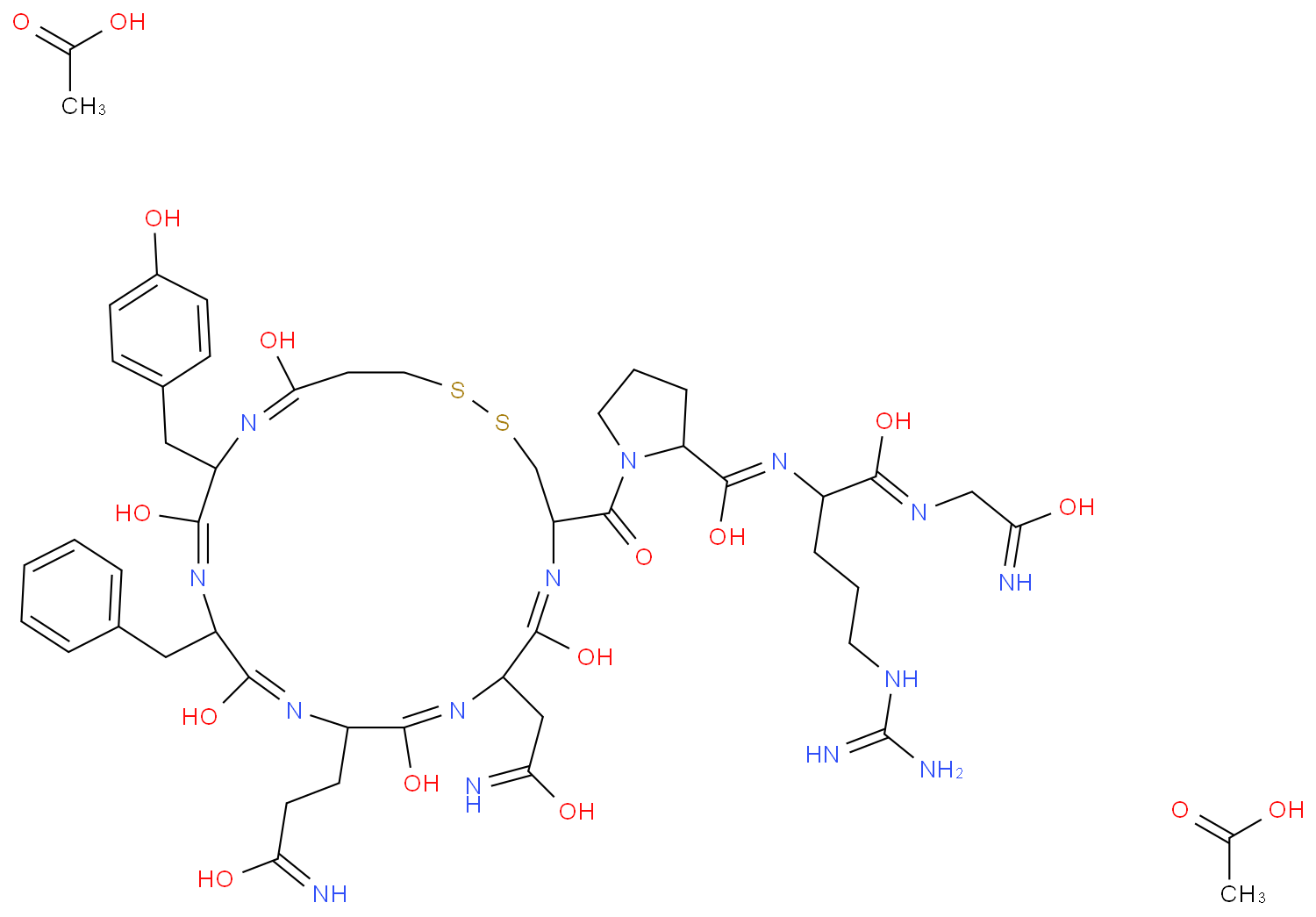
What does desmopressin acetate do? Desmopressin acetate (DDAVP) is a structural analogue of natural arginine vasopressin, which is the acetic acid salt of desamino vasopressin. It can increase the concentration of plasma vWF, effectively activate endogenous clotting factors VIII and von Willebrand factor, and release tissue-type plasminogen activator (t-PA), thereby increasing platelet adhesion and exerting hemostatic effects. Its effects can last for 6 to 24 hours, with pharmacological effects at low concentration levels. Clinically, it is mainly used to shorten bleeding time for invasive or diagnostic treatments; or for patients with prolonged bleeding time due to uremia, cirrhosis, congenital or drug-induced platelet dysfunction, and unknown causes, to shorten or restore normal bleeding time; it can also be used for central diabetes insipidus. Additionally, the U.S. FDA approved desmopressin acetate for the treatment of adult nocturnal polyuria (nocturnal polyuria), which applies to those who wake up at least twice a night, on March 3, 2017. This is also the first drug approved by the FDA for this indication.
The main function of desmopressin acetate is to treat diabetes insipidus. Desmopressin acetate, also known as DDAVP, is used to replace a hormone called antidiuretic hormone (ADH) for the treatment of diabetes insipidus ("water diabetes") in children. Diabetes insipidus can be caused by brain tumors, injury, or other unknown reasons. Unlike diabetes mellitus or "sugar diabetes," diabetes insipidus is not related to sugar. DDAVP can help the kidneys reduce urine volume. Normally, the body releases ADH from the pituitary gland (a small gland in the brain). ADH controls how much urine the kidneys secrete. If the body doesn't release enough ADH, too much urine is produced. This can cause the body to lose too much water, leading to dehydration. If left untreated, diabetes insipidus can lead to severe dehydration and seizures.

During sleep, the body naturally produces less vasopressin. This decline may be more pronounced in children who experience nocturnal enuresis, leading to involuntary urination at night. What is the function of desmopressin acetate? Desmopressin acetate can mimic the action of vasopressin, reducing the urge to urinate.
Desmopressin acetate is a medication for treating pediatric enuresis. While desmopressin acetate cannot cure this condition, it does help alleviate symptoms during medication. Many studies report a reduction in nocturnal voiding frequency. Desmopressin acetate is a synthetic analogue of a normal human body chemical that controls urine production. The therapeutic benefits of desmopressin acetate may be due to a reduction in nocturnal urine production or possibly its impact on awakening. Many studies attempt to identify which children are most likely to respond to desmopressin acetate. Older children are more sensitive to it. Children with normal bladder capacity are more likely to respond than those with small bladder capacities.
Recent research has explored the potential of desmopressin acetate in treating certain bleeding disorders. Hemophilia A and von Willebrand disease are characterized by a deficiency of clotting factors. Desmopressin acetate can stimulate the release of these clotting factors from their storage sites in the body, potentially reducing bleeding episodes in some patients with these diseases. Although it is not a definitive treatment, it provides a hopeful additional approach for managing these diseases.
Desmopressin acetate is also used off-label for specific conditions such as reducing excessive menstrual bleeding. However, this requires careful assessment by healthcare professionals. Research is also ongoing to explore its potential benefits in other areas, including promoting wound healing and managing certain neurological disorders. As understanding of the mechanism of action of desmopressin acetate deepens, its therapeutic applications may continue to expand in the future.
Diabetes insipidus (DI) is a condition characterized by an imbalance in water regulation in the body. Unlike diabetes mellitus (high blood sugar), DI is unrelated to sugar and is instead related to a hormone called vasopressin. This hormone signals the kidneys to retain water. In diabetes insipidus, either the body cannot produce enough vasopressin (central diabetes insipidus) or the kidneys are resistant to its effects (nephrogenic diabetes insipidus). This disorder leads to excessive thirst (polydipsia) as the body tries to compensate for water loss, as well as frequent urination of large volumes of dilute urine (polyuria).
So what is the role of desmopressin acetate? Desmopressin acetate serves as a synthetic replacement for vasopressin in central DI. It mimics the hormone's action, binding to receptors in the kidneys to promote water reabsorption. This can significantly reduce urine volume, alleviate persistent thirst, and improve the quality of life for patients. The dosage and administration guidelines for desmopressin acetate depend on individual needs and the severity of DI. Consulting healthcare professionals for proper diagnosis and treatment planning is crucial.
Enuresis, also known as bedwetting, is a common childhood problem that can disrupt sleep and cause emotional distress. While multiple factors can contribute to enuresis, a potential culprit is reduced nighttime vasopressin secretion. This hormone typically signals the kidneys to conserve water during sleep. Desmopressin acetate treats this by mimicking vasopressin's action. Taken before bedtime, it helps the kidneys retain water, reducing urine volume. This means fewer trips to the bathroom for children and drier nights. However, it's important to note that desmopressin acetate does not cure enuresis. Following proper dosing instructions and ensuring fluid intake is limited before bedtime are crucial to maximizing its effectiveness and avoiding potential side effects such as bedwetting accidents due to bladder overfilling. When desmopressin acetate is used to treat bedwetting, it's typically taken once daily before bedtime. Try to take desmopressin acetate at approximately the same time each day. Follow the instructions on your prescription label carefully, and have your doctor or pharmacist explain any parts you don't understand. Take desmopressin acetate exactly as directed. Do not take more or less of it or take it more often than prescribed by your doctor.
Hemophilia A and von Willebrand disease (VWD) are inherited bleeding disorders caused by deficiencies in clotting factors. While not a definitive treatment, desmopressin acetate may be a valuable tool in treating these diseases. In some cases of mild hemophilia A and certain types of VWD, desmopressin acetate can stimulate the release of stored clotting factors in the body. This temporary increase in clotting factors can help reduce the frequency and severity of bleeding, especially for minor injuries or dental procedures. However, it's important to remember that desmopressin acetate does not address the underlying clotting factor deficiency. Additionally, potential side effects such as headache, nausea, and fluid retention need to be monitored. Regular consultation with healthcare professionals is crucial to determine the suitability of desmopressin acetate and monitor any side effects.
While generally well-tolerated, desmopressin acetate can cause some side effects. Common symptoms include headache, nausea, stomach cramps, and dry mouth. Certain patients should avoid the use of desmopressin acetate, such as those with uncontrolled hypertension, heart failure, or a history of seizures. Long-term use requires monitoring, as desmopressin acetate may lead to electrolyte imbalances, particularly if fluid intake is not properly restricted, resulting in low sodium levels (hyponatremia). To ensure safety and effectiveness, consulting healthcare professionals for appropriate dosing, monitoring blood sodium levels, and maintaining hydration is crucial.
In addition to its established uses, the potential of desmopressin acetate is being explored through ongoing research and clinical trials. Interesting areas include its role in promoting wound healing by stimulating clotting factor release and its effects on neurological disorders such as migraines. Furthermore, researchers are studying its efficacy in treating conditions such as excessive menstrual bleeding and reducing blood loss during surgical procedures. With a deeper understanding of its mechanism of action, desmopressin acetate may find new applications in the future.
In conclusion, utilizing desmopressin acetate as a therapeutic tool offers multiple benefits. Its multifunctionality makes it an effective tool for treating various diseases, providing patients with more treatment options. We encourage patients to engage in informed discussions with healthcare providers to explore the most suitable treatment plans for individual cases. This not only improves treatment outcomes but also empowers patients with the right to choose treatment options, promoting the development of personalized medicine. Let's work together to advance the field of medicine and provide better medical services and care for patients.
[1] https://www.cureus.com/articles/183247-desmopressin-as-a-treatment-in-patients-with-von-willebrand-disease-a-systematic-review# !/
[2] https://www.kidney.org/patients/bw/BWmeds
[3] https://www.nationwidechildrens.org
[4] https://medlineplus.gov/druginfo/meds/a608010.html
[5] https://my.clevelandclinic.org/health/drugs/19345-desmopressin-tablets
[6] Wang, J. (2019). Adverse Reaction Analysis of Desmopressin Acetate Injection. China Rational Drug Use Exploration, 16(12), 196-198.
 |
 |
 |
 |
 |
|
 EN
EN
 Agricultural News
 Food News
 Industrial News
 Cosmetic News
 Pharmaceutical News
 Science News

 1YR
1YR


