-
We detected your language preference as English. Would you like to switch to the English version for a better experience?
Switch to English
Stay here


Desmopressin acetate, also known as DDAVP, is a widely used medication for treating various conditions such as diabetes insipidus, bedwetting, hemophilia A, von Willebrand disease, and elevated blood urea levels. Despite its effectiveness, desmopressin acetate, like any medication, may cause some side effects. Understanding these side effects is crucial for healthcare providers and patients when choosing appropriate treatment plans. The side effects of desmopressin acetate can affect various systems in the body, including the nervous system, digestive system, and cardiovascular system. In this article, we will explore the possible side effects of desmopressin acetate and their impact on patient health.
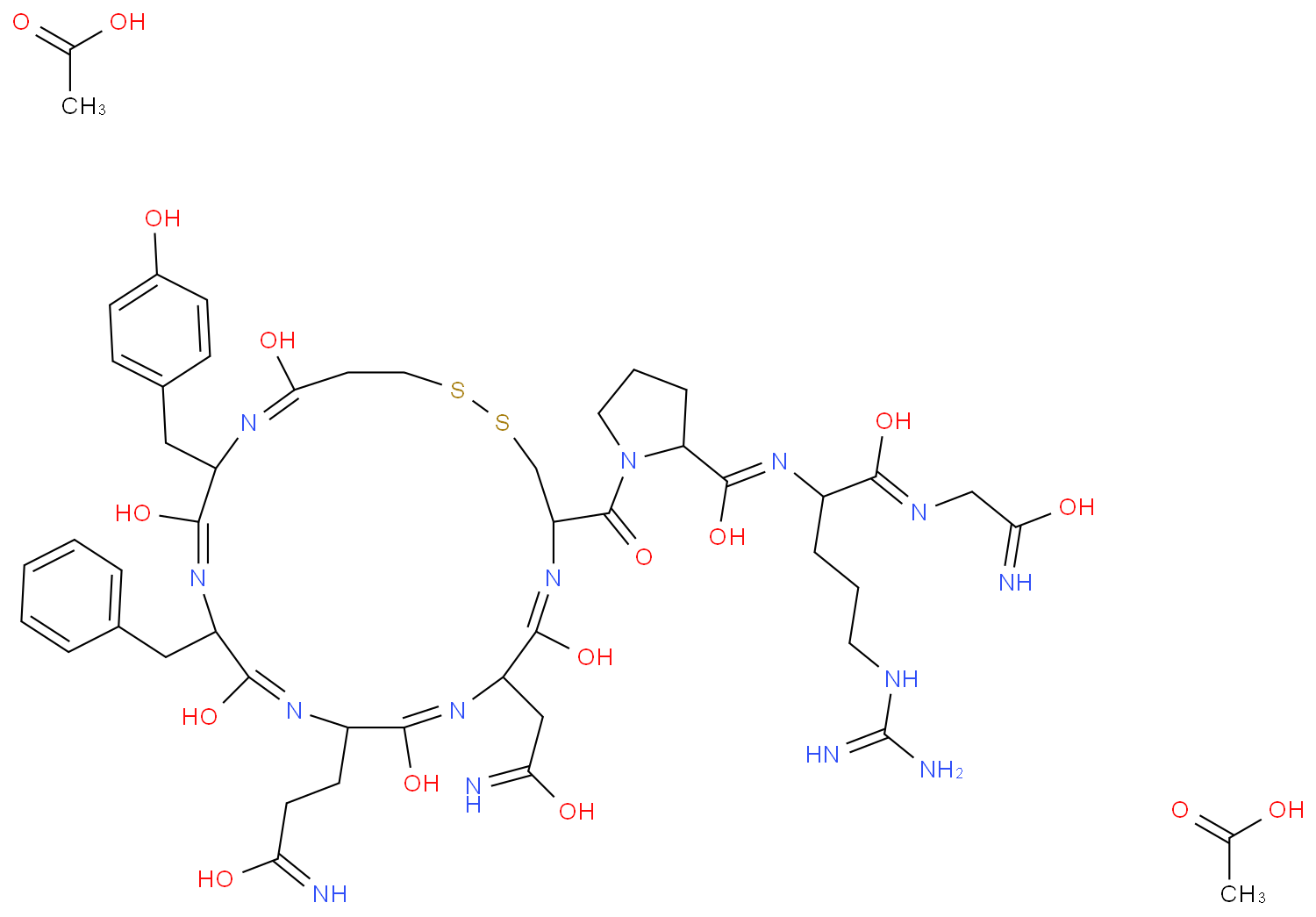
Desmopressin acetate, marketed under the brand name DDAVP, is a medication used to treat diabetes insipidus, bedwetting, hemophilia A, von Willebrand disease, and high blood urea levels. In hemophilia A and von Willebrand disease, it is only used in mild to moderate cases. It can be administered intranasally, intravenously, orally, or sublingually. Common side effects include headache, diarrhea, and low blood sodium levels. Low blood sodium caused by desmopressin acetate may lead to seizures. It should not be used in people with severe kidney problems or low blood sodium levels. Its use during pregnancy appears to be safe. It is a synthetic analogue of vasopressin, a hormone that plays a role in controlling body water balance, blood pressure regulation, kidney function, and reducing urine production.
The U.S. FDA approved desmopressin acetate for the treatment of adult nocturnal polyuria on March 3, 2017.

The dose of DDAVP (desmopressin acetate tablets) must be determined for each patient and adjusted based on the response pattern. The response should be assessed using two parameters: adequate sleep time and adequate but not excessive fluid turnover. Patients previously treated with intranasal DDAVP should start tablet therapy 12 hours after the last intranasal administration. During the initial titration period, patients should be closely monitored, and appropriate safety parameters measured to ensure a sufficient response. "During DDAVP (desmopressin acetate tablets) treatment, patients should be regularly monitored to ensure an adequate antidiuretic response." The dosing regimen may need to be modified as needed to ensure adequate fluid turnover. Fluid restriction should be noted. (See Warnings, Precautions, Pediatric Use, and Geriatric Use.)
Adults and Children: Patients are advised to start at a dose of 0.05 mg (1/2 of a 0.1 mg tablet) twice daily, adjusted to the optimal therapeutic dose based on individual response. Most patients in clinical trials found the optimal dose range to be 0.1 to 0.8 mg per day, administered in divided doses. Each dose should be adjusted individually to ensure adequate diurnal rhythm of fluid turnover. Total daily doses should be increased or decreased within the range of 0.1 to 1.2 mg per day, divided into 2 or 3 doses as needed to achieve adequate antidiuresis. Special considerations for the use of desmopressin acetate in children with diabetes insipidus can be found in the Pediatric Use section.
Geriatric Use: Since the drug is primarily excreted by the kidneys, the risk of toxic reactions to the drug may be greater in patients with impaired renal function. Because older patients are more likely to experience a decline in kidney function, dose selection should be carefully considered, and renal function should be monitored. (See Clinical Pharmacology, Human Pharmacokinetics, Contraindications and Precautions, Geriatric Use.)
The dose of DDAVP (desmopressin acetate tablets) must be determined for each patient and adjusted based on the response. Patients previously treated with intranasal DDAVP should start tablet therapy on the night (24 hours) after the last intranasal administration. The recommended starting dose for patients aged 6 years and older is 0.2 mg per night. The dose may be titrated up to 0.6 mg to achieve the desired response. Fluid intake should be limited from 1 hour before desmopressin administration until the next morning or for at least 8 hours after administration. (See Warnings, Precautions, Pediatric Use, and Geriatric Use.)
This article may not describe all possible side effects. Call your doctor for medical advice about side effects.
What are the gastrointestinal side effects of desmopressin acetate? Desmopressin acetate can cause mild gastrointestinal side effects. The exact mechanism behind these effects is not fully understood but is believed to be related to the effect of desmopressin on smooth muscle contraction in the gastrointestinal system. Desmopressin enhances the action of antidiuretic hormone (ADH), which typically regulates water reabsorption in the kidneys. However, in the gastrointestinal tract, ADH can also stimulate smooth muscle contraction. This may lead to abdominal cramping and potentially disrupt the normal flow of digestive contents, resulting in nausea. While these side effects are usually temporary and self-resolving, they can be bothersome for patients.
About 2% of people taking desmopressin experience these side effects. They are typically mild and resolve on their own. However, if they are severe or do not resolve, you should tell your doctor.
If you experience any of these severe side effects, you should stop taking desmopressin and call your doctor immediately.
Desmopressin acetate may sometimes cause stomach discomfort. You can take some steps to reduce these side effects. Here are some suggestions:
Focus on eating smaller, more frequent meals throughout the day rather than larger meals. This helps alleviate stress on the digestive system. You may also need to limit high-fiber foods, especially if you experience cramping, as fiber can bulk up stools, exacerbating cramping.
Drinking plenty of fluids every day is crucial for preventing constipation, another potential side effect.
Taking desmopressin acetate with meals may help reduce stomach discomfort. If cramping does occur, applying a heating pad to the abdomen can provide relief.
Important note: If you experience severe or persistent gastrointestinal side effects, consult your doctor. They can advise you on adjusting your dosage or medication regimen to find the best solution for you.
In conclusion, understanding the possible side effects of desmopressin acetate is crucial for ensuring the safe and effective treatment. From the nervous system to the digestive system, the range of side effects is broad and far-reaching. However, by engaging in open and honest communication with healthcare providers, patients can better manage and alleviate these side effects. Patients should prioritize open and honest discussions with healthcare providers, sharing any symptoms or concerns to adjust treatment plans promptly and ensure optimal treatment outcomes. Desmopressin acetate is a beneficial medication, but its therapeutic effects can be maximized and potential side effects minimized only when a good communication and collaboration between patients and healthcare providers are established.
[1]https://www.rxlist.com/ddavp-drug.htm#dosage
[2]https://my.clevelandclinic.org/health/drugs/19345-desmopressin-tablets
[3]https://en.wikipedia.org/wiki/Desmopressin
[4]https://www.webmd.com/drugs/2/drug-12128/desmopressin-oral/details
 |
 |
|
 |
 |
|
 EN
EN
 Agricultural News
 Food News
 Industrial News
 Cosmetic News
 Pharmaceutical News
 Science News

 1YR
1YR


