Have you ever wondered how certain insects survive in the scorching desert or how some plants endure the cold winter? The answer may lie in a special sugar called trehalose dihydrate. What is trehalose dihydrate? This unique molecule, naturally occurring in a wide range of organisms, has diverse applications. This article delves into the chemical properties, applications, and growing importance of trehalose dihydrate across various scientific domains.
What is trehalose dihydrate?
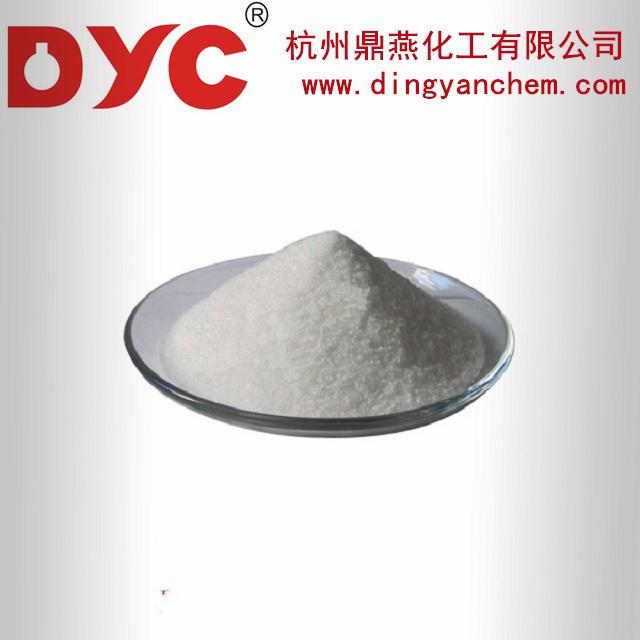
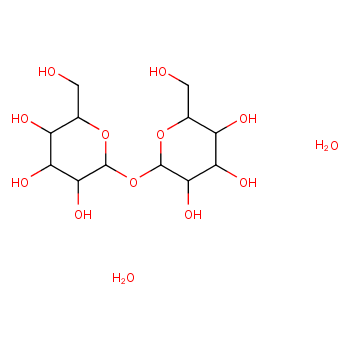
Trehalose, also known as Trehalose, is formed by the connection of two pyranose glucose molecules through α,α-1,1-glycosidic bonds, with the chemical name α-D-pyranose glucose-α-D-pyranose glucoside, and is the most stable natural disaccharide. According to the type of hydroxyl group on the first carbon of the glucose molecule (α and β), trehalose has three optical isomers, but only the (α,α) configuration exists in organisms. Typically, trehalose exists as trehalose dihydrate. What is the chemical formula for trehalose dihydrate? Its molecular formula is C12H22O11·2H2O, with a relative trehalose dihydrate molecular weight of 378.33, CAS number 6138-23-4, and the chemical structural formula as shown in the diagram.
What is trehalose dihydrate in nature?
Trehalose dihydrate is an extraordinary sugar found naturally in many organisms, from insects like grasshoppers and bees to plants and even some fungi. This sugar plays a crucial role in helping these organisms withstand harsh environmental conditions. Trehalose dihydrate is a compatible solute, meaning it can accumulate within cells at high concentrations without disrupting normal cellular functions. This is particularly important for extremophilic microorganisms, enabling them to thrive in environments like hot deserts or freezing polar regions. In these extremophilic microorganisms, trehalose dihydrate helps protect cell membranes and proteins from damage caused by dehydration, freezing, and high temperatures. For example, desert beetles accumulate large amounts of trehalose dihydrate during drought periods. This trehalose acts as a protective shield, safeguarding the beetle's cells.
Applications of trehalose dihydrate
As a novel functional natural sugar, trehalose has various characteristics such as non-reducing, moisturizing, high sweetness, low calorie, and non-cariogenic, which have wide applications in agriculture, cosmetics, food, and biomedicine.
In agriculture, trehalose can enhance the stress resistance of crops such as wheat and rice seeds or seedlings, and prolong the flowering period. Due to its moisturizing, sun protection, and radiation protection effects, trehalose can be used as a moisturizer, protective agent, UV absorber, etc., in cosmetics.
In the food industry, with food safety being a major concern, chemically synthesized food additives have been gradually banned, while trehalose, as a safe natural food additive, has been increasingly recognized and recommended. In 2000, trehalose was certified as Generally Recognized as Safe (GRAS) by the United States Food and Drug Administration and allowed its application in the food industry; in the same year, the Joint FAO/WHO Expert Committee on Food Additives confirmed that the daily intake of trehalose is unlimited; in 2001, the European Union approved trehalose to enter the European market as a novel food or food additive. In 2005, the Chinese Ministry of Health approved trehalose as a new resource food, and in 2009, the national standard for trehalose was formally implemented in China. Currently, trehalose has been widely used in more than 30 countries and regions including the United States, Europe, Japan, China, and Southeast Asia. Japan, as the country with the most widespread application of trehalose, has an annual consumption of over 20,000 tons.
In the field of biomedicine, trehalose has profound significance for life protection, hailed as the "sugar of life" in the 21st century. An article in Nature magazine published in July 2000 pointed out, "For many organisms, the presence or absence of trehalose means life or death," other sugars in nature such as sucrose and glucose do not possess this function. Exogenous trehalose also has a good protective effect and can serve as a biologically active protective agent. It plays an important role in protecting biological tissues, reproductive cells, liposomes, antibody drugs, vaccines, enzymes, etc. Trehalose has successfully replaced plasma proteins as stabilizers for biological products such as blood products, lymphocytes, vaccines, etc. Additionally, research has found that trehalose has therapeutic effects on diseases such as Huntington's disease, atherosclerosis, and Parkinson's disease. In 2015, trehalose was included in the Chinese Pharmacopoeia as a pharmaceutical excipient, which can be used as a tablet diluent and freeze-drying auxiliary material for drugs.
Applications of trehalose dihydrate in biotechnology research
The unique properties of trehalose dihydrate make it a valuable tool in biotechnology research. Its ability to protect cells and biomolecules from stress opens doors for advancements in low-temperature preservation, protein stability, and drug delivery systems. In cryopreservation, trehalose dihydrate acts as a cryoprotectant during the process of freezing cells or tissues for long-term storage. By stabilizing cell membranes and preventing ice crystal formation during freezing, researchers can preserve cells and tissues upon thawing, enhancing their viability. Trehalose's role as a protein stabilizer is advantageous for the storage and transportation of proteins. It prevents protein unfolding and aggregation, ensuring that proteins maintain their functionality when needed. This is particularly important for developing new protein-based drugs. Furthermore, researchers are exploring the application of trehalose dihydrate in drug delivery systems. It can alter the release characteristics of drugs and enhance their stability in vivo, offering hope for more targeted and effective treatments.
Chemical properties and composition
The chemical formula of trehalose dihydrate is C12H22O11·2H2O. It is a disaccharide, composed of two glucose units and two additional water molecules. The key here lies in the specific type of bond (α -1,1-glycosidic bond) connecting these glucoses, endowing trehalose dihydrate with its special properties.
What is the solubility of trehalose dihydrate? Trehalose dihydrate is renowned for its high solubility in water (H2O: 50mg/mL). Unlike many other sugars, it can dissolve significantly even at room temperature. This solubility stems from its ability to form hydrogen bonds with water molecules, making it easy to integrate into aqueous environments. However, trehalose dihydrate is not just hydrophilic; compared to simple sugars, it also has a relatively high molecular weight (approximately 378 g/mol). This high molecular weight contributes to its role as a compatible solute, allowing molecules to accumulate within cells at high concentrations without disrupting cellular functions. The trehalose dihydrate density is moderate, approximately 1.12 g/cm3, greater than the density of water but not excessively heavy. The combination of high solubility, high molecular weight, and moderate density makes trehalose dihydrate a valuable adaptation for organisms facing harsh environments.
Benefits and potential health impacts
Researchers are actively exploring the potential benefits of trehalose on health. One area of interest is its role as a prebiotic. By promoting the growth of beneficial gut bacteria, it may contribute to digestive health and immune function. Additionally, the ability of trehalose dihydrate to scavenge free radicals suggests its antioxidant properties, potentially protecting cells from damage. Researchers are also investigating its potential as a therapeutic agent for various diseases. Studies indicate that it may help control blood sugar levels and even have neuroprotective effects. However, it's worth noting that research on these potential health impacts is ongoing. While consuming trehalose dihydrate appears to be safe, its long-term effects require further study. Regulatory considerations are also being taken into account, with some countries approving its use as a food additive.
Conclusion
Through this discussion, we gain insight into the properties and diverse applications of trehalose dihydrate. As a compound with wide-ranging utility, trehalose plays an important role in different industries, supporting product stability, functionality, and performance. This article underscores the ubiquity and significance of trehalose dihydrate, as well as its potential in future research and innovation. We encourage further development and utilization of trehalose in various fields, exploring its potential for additional applications and providing new opportunities and possibilities for the development and innovation of different industries.
References:
[1]Iordachescu M, Imai R. Trehalose and abiotic stress in biological systems[J]. Abiotic stress in plants-mechanisms and adaptations, 2011: 215-234.
[2]https://pubmed.ncbi.nlm.nih.gov/12065209/
[3]https://en.wikipedia.org/wiki/Trehalose
[4]https://www.biosynth.com/p/OT05313/6138-23-4-aa-d-trehalose-dihydrate
[5] Zhang Huihui. Research on trehalose polymorphs and spherical crystallization [D]. Tianjin University, 2018.



 EN
EN
 Agricultural News
 Food News
 Industrial News
 Cosmetic News
 Pharmaceutical News
 Science News

 3YRS
3YRS

