-
We detected your language preference as English. Would you like to switch to the English version for a better experience?
Switch to English
Stay here


Calcium Carbonate, with the chemical formula CaCO3 and CAS number 471-34-1, is a commonly used supplement for managing conditions such as GERD, osteoporosis, and hypocalcemia. It also serves as an antacid for indigestion and stomach ulcers.
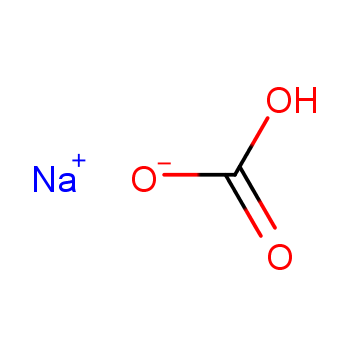
Sodium Bicarbonate, with the chemical formula NaHCO3 and CAS number 144-55-8, is often prescribed for treating conditions like acidosis, diabetic ketoacidosis, hyperkalemia, and urinary alkalinization. It is also used as an antacid to relieve indigestion.
Calcium Carbonate and Sodium Bicarbonate are both utilized as antacids, but they have distinct properties and are used for different medical conditions. While Calcium Carbonate is mainly used for conditions like osteoporosis and hypocalcemia, Sodium Bicarbonate plays a vital role in addressing acidosis and regulating pH levels in the body.


Both compounds involve reactions with carbon dioxide, but Calcium Carbonate is produced from calcium oxide, whereas Sodium Bicarbonate involves sodium carbonate.
Calcium Carbonate and Sodium Bicarbonate are both widely used compounds, each with distinct roles in medical treatments. While they may appear similar due to their ability to impact pH levels, their applications and benefits vary significantly, catering to different health conditions and therapeutic needs.

Calcium Carbonate is an essential mineral supplement commonly used in treating conditions related to calcium deficiency. It is especially valuable for individuals with osteoporosis, hypocalcemia (low blood calcium), and osteopenia (bone thinning), as it helps support bone health and prevent fractures. In these patients, Calcium Carbonate is often recommended to maintain adequate calcium levels, promoting bone density and strength.
Beyond bone health, Calcium Carbonate serves as a highly effective antacid, providing relief from a variety of digestive issues. It neutralizes stomach acid, offering temporary relief for individuals suffering from gastroesophageal reflux disease (GERD), erosive esophagitis, and heartburn. This property also makes Calcium Carbonate useful in the treatment of stomach ulcers, including both duodenal and gastric ulcers, by reducing stomach acid and promoting healing.
Moreover, Calcium Carbonate’s versatility extends to addressing general indigestion. By buffering the excess stomach acid, it can relieve discomfort, bloating, and belching caused by acid reflux or gastritis. It is often found in over-the-counter antacid medications, providing a practical and accessible solution for many people seeking quick relief from an upset stomach.
Sodium Bicarbonate, commonly known as baking soda, plays a critical role in medical applications related to the management of body acidity. One of its primary uses is in treating conditions characterized by excess acidity, such as metabolic acidosis and diabetic ketoacidosis. In metabolic acidosis, Sodium Bicarbonate helps to neutralize the excess acid in the blood, stabilizing the body’s pH levels and preventing severe complications. Similarly, in diabetic ketoacidosis (DKA), it helps to correct the acidosis caused by high blood sugar and ketone production, often seen in uncontrolled diabetes.
In addition to its role in managing acidosis, Sodium Bicarbonate is instrumental in urinary alkalinization, which raises the pH of urine. This process is crucial in preventing kidney stone formation, particularly uric acid and cystine stones. By making the urine less acidic, Sodium Bicarbonate can dissolve certain types of stones and reduce the risk of new stone formation, benefiting individuals with a history of kidney stones.
Sodium Bicarbonate is also used in emergency medicine, particularly for stabilizing patients in critical conditions. In cases of asystole (the absence of a heartbeat), Sodium Bicarbonate is administered to help restore the body’s normal pH balance, promoting better heart function. Additionally, it is employed to treat hyperkalemia (high potassium levels in the blood), which can cause dangerous heart arrhythmias. By increasing the pH of the blood, Sodium Bicarbonate helps shift potassium into cells, thus lowering the blood potassium level and reducing the risk of arrhythmias and cardiac arrest.
In conclusion, Calcium Carbonate is more suited for addressing calcium deficiencies and digestive issues like heartburn, while Sodium Bicarbonate is used for managing systemic acidity, such as in acidosis or diabetic ketoacidosis. Both compounds are effective in their respective applications and should be used based on the specific health condition they are intended to treat.
| Side Effect |
Calcium Carbonate |
Sodium Bicarbonate |
|---|---|---|
| Digestive Issues | Rare, may cause bloating or constipation | Common, can cause nausea or bloating |
| Low Blood Pressure | Possible, may cause dizziness or lightheadedness | Possible, may cause dizziness or lightheadedness |
| Dehydration | Unlikely to cause dehydration | Can cause dehydration due to its alkalinizing effect |
| Kidney Strain | Rare, but should be used cautiously in individuals with kidney conditions | Risk of kidney strain, especially with prolonged use or in those with kidney issues |
| Allergic Reactions | Rare, could include rash, itching, or swelling | Rare, could include rash, itching, or difficulty breathing |
When choosing the right form of calcium or sodium for your health, it's essential to consider your specific needs, dietary habits, and health conditions. Calcium Carbonate is commonly used as a supplement to support bone health, regulate muscle function, and promote overall calcium levels in the body. Due to its higher concentration of elemental calcium, it can be a more cost-effective option for those looking to meet their calcium requirements. However, it requires stomach acid for better absorption, which may cause digestive discomfort in some individuals.
On the other hand, Sodium Bicarbonate, while not commonly used for calcium supplementation, plays a vital role in balancing pH levels and neutralizing stomach acid. It is often used for managing acid indigestion or for its role in maintaining the body's acid-base balance. However, excessive intake of Sodium Bicarbonate can lead to sodium overload, which may have adverse effects, particularly for individuals with hypertension or kidney issues.
Ultimately, for individuals specifically aiming to boost calcium intake for bone health or deficiencies, Calcium Carbonate is the superior choice. However, if you are dealing with acidity or digestive discomfort, Sodium Bicarbonate may be a useful short-term solution. It's important to monitor your intake to avoid any unwanted side effects related to sodium.
*For optimal results and to ensure that you are taking the appropriate form and dosage, it is highly recommended to follow the guidance of your healthcare provider. They can help you determine the most suitable form of calcium or sodium based on your specific health requirements and any underlying medical conditions.
If you're looking to purchase these compounds, Guidechem is your go-to platform for sourcing high-quality raw materials and reliable suppliers. With our extensive global network, we connect you to a wide range of calcium carbonate suppliers and sodium bicarbonate suppliers, ensuring you find the right products to meet your specific research or production requirements. Whether you're in pharmaceuticals, food additives, or other industries, Guidechem simplifies the sourcing process, offering verified supplier information, competitive pricing, and seamless communication.
 |
|
 |
 |
 |
 |
 EN
EN
 Agricultural News
 Food News
 Industrial News
 Cosmetic News
 Pharmaceutical News
 Science News

 1YR
1YR

