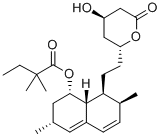
Lovastatin, with the chemical formula C24H36O5 and CAS number 75330-75-5, is a statin used to lower cholesterol and reduce the risk of cardiovascular diseases. It works by inhibiting HMG-CoA reductase, a key enzyme in cholesterol biosynthesis, thereby lowering LDL cholesterol levels and improving overall lipid profiles.
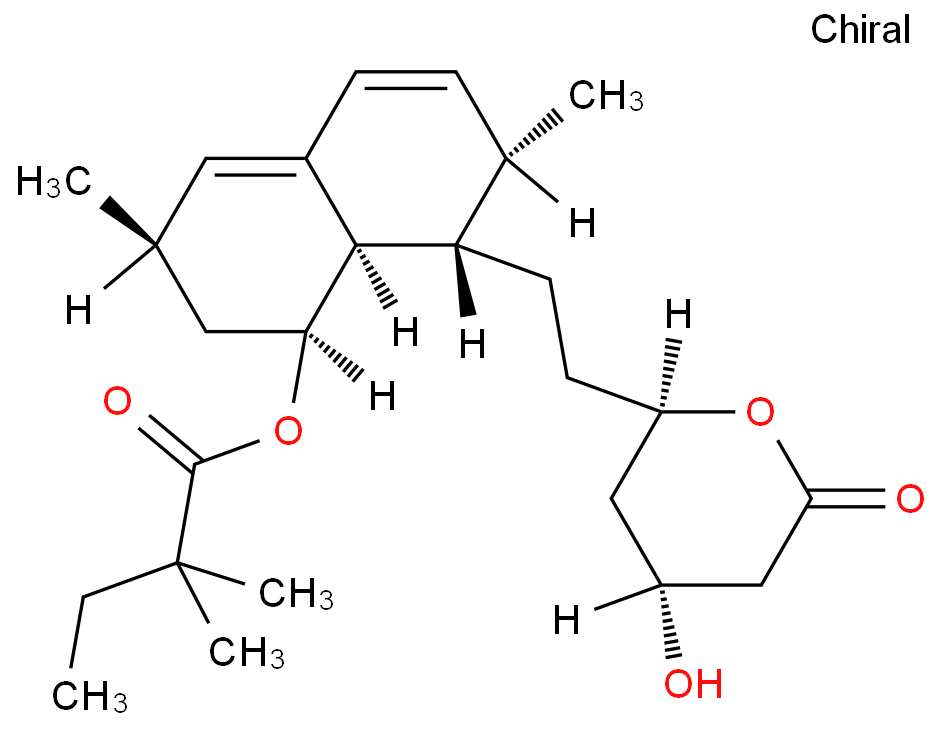
Simvastatin, with the chemical formula C25H38O5 and CAS number 79902-63-9, is also an HMG-CoA reductase inhibitor and a widely prescribed cholesterol-lowering medication. Simvastatin is a derivative of lovastatin, designed to provide a more potent effect on reducing LDL cholesterol and triglycerides while increasing HDL cholesterol levels.
Both lovastatin and simvastatin are part of the statin family, sharing a similar mechanism of action but differing in their potency and dosing requirements. These differences make them suitable for tailored therapeutic approaches based on individual patient needs.


Both lovastatin and simvastatin share a similar structural backbone derived from fungal metabolites, but the additional methyl group in simvastatin enhances its lipophilicity and pharmacokinetic profile. This structural modification contributes to better cellular uptake and prolonged activity, optimizing its clinical application in lipid management and cardiovascular risk reduction.
Lovastatin and simvastatin are essential medications in managing cholesterol-related conditions such as hypercholesterolemia, coronary artery disease, and stroke prevention. Both drugs are classified as HMG-CoA reductase inhibitors, or statins, and their primary mechanism of action involves reducing LDL cholesterol—commonly known as "bad cholesterol." By lowering LDL levels, these statins significantly contribute to decreasing the risk of cardiovascular events, making them cornerstones in cholesterol management.

Lovastatin is frequently prescribed for individuals with moderate cholesterol elevations or those who may not require high-potency statin therapy. It is often recommended as an adjunct to dietary and lifestyle changes, particularly in cases where non-pharmacological interventions fail to achieve target lipid levels. Its milder potency makes it a suitable option for patients who may be sensitive to stronger statins or at a lower risk for cardiovascular events.
One of the unique advantages of lovastatin is its enhanced bioavailability when taken with food. This characteristic not only optimizes its absorption but also makes it more effective in lowering cholesterol levels. Lovastatin is sometimes used in combination with other lipid-lowering agents, such as bile acid sequestrants or niacin, to achieve a synergistic effect in reducing LDL cholesterol while maintaining a favorable safety profile.
Overall, lovastatin remains a valuable tool in the treatment of hypercholesterolemia, offering an effective and well-tolerated option for patients requiring lipid-lowering therapy. Its milder potency, enhanced bioavailability, and potential for use in combination with other treatments make it a versatile and important medication in the management of cholesterol levels and the prevention of cardiovascular events.
Simvastatin, on the other hand, is recognized for its higher potency, making it particularly effective for patients with severe hypercholesterolemia or those at a heightened risk of cardiovascular complications. Its ability to achieve significant LDL reduction at lower doses translates into a reduced pill burden, a factor that can improve patient adherence to treatment regimens.
Unlike lovastatin, simvastatin’s absorption is less dependent on food intake, offering greater flexibility in dosing schedules. This feature allows for convenient once-daily administration, typically in the evening, aligning with the body’s natural rhythm of cholesterol synthesis. Simvastatin’s higher efficacy makes it the preferred option for achieving aggressive lipid-lowering goals, especially in patients with diabetes, familial hypercholesterolemia, or a history of cardiovascular events.
Both lovastatin and simvastatin play vital roles in reducing cardiovascular risk and managing cholesterol levels. However, their applications differ based on the patient’s clinical needs and risk factors. Lovastatin is an ideal choice for those requiring a gentler approach or as part of combination therapy, whereas simvastatin’s greater potency positions it as the go-to option for patients with more severe cholesterol imbalances or higher cardiovascular risk profiles. By tailoring the choice of statin to individual needs, healthcare providers can optimize treatment outcomes and reduce the long-term burden of cardiovascular disease.
| Side Effect |
Lovastatin |
Simvastatin |
|---|---|---|
| Headache | Commonly reported, often mild and typically resolves without intervention. | Common, may occur during the initial stages of treatment but generally subsides. |
| Liver Damage | Rare but possible, particularly with prolonged use or higher doses; liver function monitoring is recommended. | Rare, with similar risks as lovastatin; regular liver enzyme tests can help detect early signs. |
| Muscle Pain | Occasional, may present as mild discomfort or weakness, especially in active individuals or those on higher doses. | Occasional, with a slightly higher risk than lovastatin due to its potency; symptoms should be reported if severe. |
When deciding between Lovastatin and Simvastatin for your health, understanding their specific benefits and potential limitations is crucial. Lovastatin, being the first statin developed, has a proven track record in managing cholesterol levels and reducing the risk of cardiovascular events. It is particularly beneficial for patients who require moderate cholesterol reduction and prefer a statin with extensive long-term data supporting its safety and efficacy. However, its absorption is influenced by food intake, making its timing of administration an important factor to consider.
On the other hand, Simvastatin is known for its slightly stronger potency compared to Lovastatin, allowing it to lower LDL cholesterol levels more effectively at equivalent doses. This makes it a better option for individuals requiring more aggressive lipid management. Additionally, Simvastatin can be taken regardless of meals, offering greater convenience for patients with busy schedules or inconsistent eating habits. However, higher doses of Simvastatin may carry an increased risk of side effects, such as muscle pain or weakness, particularly in susceptible individuals.
Ultimately, the choice between Lovastatin and Simvastatin should be guided by individual health goals, cholesterol levels, and tolerance to statin therapy. If you prioritize long-term safety and a well-documented history, Lovastatin is a solid choice. Conversely, if you require stronger cholesterol-lowering effects or greater dosing flexibility, Simvastatin might be more suitable. Consulting with your healthcare provider is essential to tailor the treatment to your specific needs.
*For optimal results and to ensure that you are taking the appropriate medication and dosage, it is highly recommended to follow the guidance of your healthcare provider. They can help you determine the most suitable statin based on your specific health requirements and any underlying medical conditions.
If you're looking to purchase these compounds, Guidechem is your go-to platform for sourcing high-quality raw materials and reliable compound suppliers. With our extensive global network, we connect you to a wide range of Lovastatin suppliers and Simvastatin suppliers, ensuring you find the right products to meet your specific research or production requirements. Whether you're in pharmaceuticals, food additives, or other industries, Guidechem simplifies the sourcing process, offering verified compound suppliers, competitive pricing, and seamless communication.
[1] Statins: Mechanisms and Clinical Applications by R. Brown.
[2] Pharmacokinetics of Simvastatin by J. Smith et al.
[3] Comparative Efficacy of Statins in Journal of Lipid Research.
[4] Cholesterol Management Guidelines by the American Heart Association.
|
 |
 |


 2YRS
2YRS