EN
EN


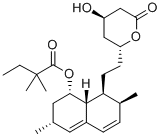
Simvastatin, with the chemical formula C25H38O5 and CAS number 79902-63-9, is a commonly prescribed medication used to lower cholesterol and reduce the risk of heart disease by inhibiting HMG-CoA reductase, an enzyme involved in cholesterol production.
Rosuvastatin, with the chemical formula C22H28FN3O6S and CAS number 287714-41-4, is another statin used to manage cholesterol levels. Rosuvastatin, sold under the brand name Crestor among others, is a statin medication, used to prevent cardiovascular disease in those at high risk and treat abnormal lipids. It works similarly to simvastatin, by blocking the HMG-CoA reductase enzyme, but it is considered more potent and effective in lowering LDL cholesterol levels.
Simvastatin and Rosuvastatin are both statin medications that help to lower cholesterol levels and reduce the risk of cardiovascular diseases. They have a similar mode of action but differ in their potency, dosage requirements, and specific applications. Rosuvastatin is known for its higher efficacy, particularly at lower doses, in comparison to simvastatin, which may be more suited to individuals with less severe cholesterol issues.


Both simvastatin and rosuvastatin are chemically synthesized, though their processes differ in key ways. Rosuvastatin’s synthesis includes the incorporation of fluorine, boosting its potency and efficacy in cholesterol management. In contrast, simvastatin starts with the natural compound lovastatin, which is modified to produce the final statin drug.
Statins, such as Simvastatin and Rosuvastatin, are widely used medications in the management of cholesterol levels, and they play a critical role in reducing the risk of heart disease, stroke, and other cardiovascular complications. These medications work by inhibiting an enzyme in the liver responsible for producing cholesterol, thereby lowering levels of low-density lipoprotein (LDL) cholesterol, commonly referred to as “bad” cholesterol. Though both Simvastatin and Rosuvastatin are highly effective at managing cholesterol levels, they differ significantly in their potency, recommended dosage, and their overall applications, making each more suitable for specific patient needs and treatment goals. Questions about crestor vs simvastatin are answered below.

Simvastatin is one of the most commonly prescribed statins and is primarily used to lower LDL cholesterol and triglycerides in patients diagnosed with hyperlipidemia, a condition characterized by elevated cholesterol levels. It is often recommended as part of a comprehensive cardiovascular risk management strategy, which includes not only pharmaceutical intervention but also lifestyle changes such as adopting a heart-healthy diet, increasing physical activity, and managing weight. Simvastatin works by inhibiting the enzyme HMG-CoA reductase, which is essential for cholesterol production in the liver, ultimately leading to lower cholesterol levels in the blood.
For most patients, Simvastatin is an effective choice for general cholesterol management. It has been shown to significantly reduce the risk of heart attacks, strokes, and other cardiovascular events by lowering LDL cholesterol levels, thus improving long-term heart health. However, Simvastatin is generally considered less potent than Rosuvastatin, meaning that higher doses may be necessary to achieve the same therapeutic effects. As such, Simvastatin is particularly beneficial for patients with moderate cholesterol levels or as a secondary treatment option for individuals whose cholesterol remains elevated despite lifestyle changes.
Another key advantage of Simvastatin is its affordability and accessibility. It is typically considered a first-line statin therapy due to its cost-effectiveness, especially for patients without significant cardiovascular risks. For many individuals, Simvastatin offers a balanced approach to managing cholesterol without the need for more intensive or costly treatments.
In contrast, Rosuvastatin is often prescribed to individuals at higher risk for cardiovascular events, including those with significantly elevated cholesterol levels, a history of heart disease, or existing conditions such as diabetes that increase the likelihood of heart complications. Rosuvastatin is recognized for its superior potency compared to other statins, which allows it to be effective at lower doses. This makes it a preferred option for patients who require more aggressive management of their cholesterol levels, particularly those who are at high risk for heart attacks, strokes, or other serious cardiovascular conditions.
In addition to its primary role in lowering LDL cholesterol, Rosuvastatin has been shown to have additional benefits in reducing the risk of heart attacks and strokes. It also has a significant effect on reducing levels of C-reactive protein (CRP), an inflammatory marker that is associated with cardiovascular disease. This makes Rosuvastatin especially valuable for patients with severe hyperlipidemia, or those who have not responded adequately to other statin medications, including Simvastatin. By targeting both cholesterol and inflammation, Rosuvastatin addresses key factors contributing to heart disease, thereby improving overall cardiovascular health.
Rosuvastatin is also beneficial for patients who have a history of cardiovascular events and are seeking long-term prevention of further complications. For instance, individuals who have had a heart attack, stroke, or coronary artery disease (CAD) may be prescribed Rosuvastatin to reduce the likelihood of subsequent events. Due to its higher potency and ability to achieve desired cholesterol levels at lower doses, Rosuvastatin is often a go-to option for patients with severe cholesterol imbalances or those whose cholesterol remains uncontrolled on lower-dose statins.
In summary, both Simvastatin and Rosuvastatin are effective statins, but they differ in their ideal applications based on patient needs. Simvastatin is often used for general cholesterol management, particularly in patients with moderate cholesterol levels or as a complementary treatment in those making lifestyle changes. On the other hand, Rosuvastatin is typically prescribed for high-risk patients who require more aggressive intervention due to elevated cholesterol levels or a history of cardiovascular disease. The choice between these two statins depends on the patient's individual risk factors, cholesterol levels, and the need for potency in treatment.
| Side Effect |
Simvastatin |
Rosuvastatin |
|---|---|---|
| Muscle Pain | Possible, though less common | Common, especially at higher doses |
| Liver Enzyme Elevation | Possible, should be monitored | Possible, especially at higher doses |
| Diabetes Risk | Possible, but lower risk compared to rosuvastatin | Possible, higher risk compared to simvastatin |
| Kidney Issues | Rare, but possible in high doses | Rare, but higher doses increase the risk |
| Gastrointestinal Disturbance | Rare, mild discomfort possible | Possible, can cause nausea or bloating |
When choosing between Simvastatin and Rosuvastatin for your health, it's essential to consider your specific cardiovascular needs, tolerance, and risk factors. Rosuvastatin is generally considered to be more potent in lowering LDL cholesterol and reducing the risk of heart disease, making it an ideal choice for individuals with higher cholesterol levels or those at greater risk for cardiovascular events. Additionally, Rosuvastatin has a longer half-life, allowing for more flexibility in dosing, and it may be more effective in individuals who need stronger cholesterol management.
On the other hand, Simvastatin is often prescribed for individuals with moderate cholesterol elevations. It is more cost-effective compared to Rosuvastatin and can be a suitable option for those with lower to moderate cholesterol levels or those who are looking for a more affordable treatment. However, Simvastatin may come with a higher risk of side effects, such as muscle pain or liver enzyme abnormalities, particularly when taken in higher doses.
Ultimately, if you're looking for a more powerful cholesterol-lowering option with potentially fewer dosing restrictions, Rosuvastatin may be the better choice for you. However, if cost is a significant concern or if you have fewer risk factors, Simvastatin can still provide considerable benefits for managing cholesterol levels. It's important to work with your healthcare provider to assess your specific needs and determine which statin is best suited for your long-term health and wellness.
*For optimal results and to ensure that you are taking the appropriate medication and dosage, it is highly recommended to follow the guidance of your healthcare provider. They can help you determine the most suitable statin based on your cholesterol levels, medical history, and any underlying conditions.
If you're looking to purchase these compounds, Guidechem is your go-to platform for sourcing high-quality raw materials and reliable 化合物加 suppliers. With our extensive global network, we connect you to a wide range of Simvastatin suppliers and Rosuvastatin suppliers, ensuring you find the right products to meet your specific research or production requirements. Whether you're in pharmaceuticals, food additives, or other industries, Guidechem simplifies the sourcing process, offering verified supplier information, competitive pricing, and seamless communication.
 |
 |
|
 Agricultural News
 Food News
 Industrial News
 Cosmetic News
 Pharmaceutical News
 Science News


 2YRS
2YRS