
Pravastatin, with the chemical formula C23H36O7 and CAS number 81093-37-0, is a statin medication commonly used to lower cholesterol and prevent cardiovascular diseases. It functions by inhibiting the enzyme HMG-CoA reductase, which plays a key role in cholesterol synthesis.
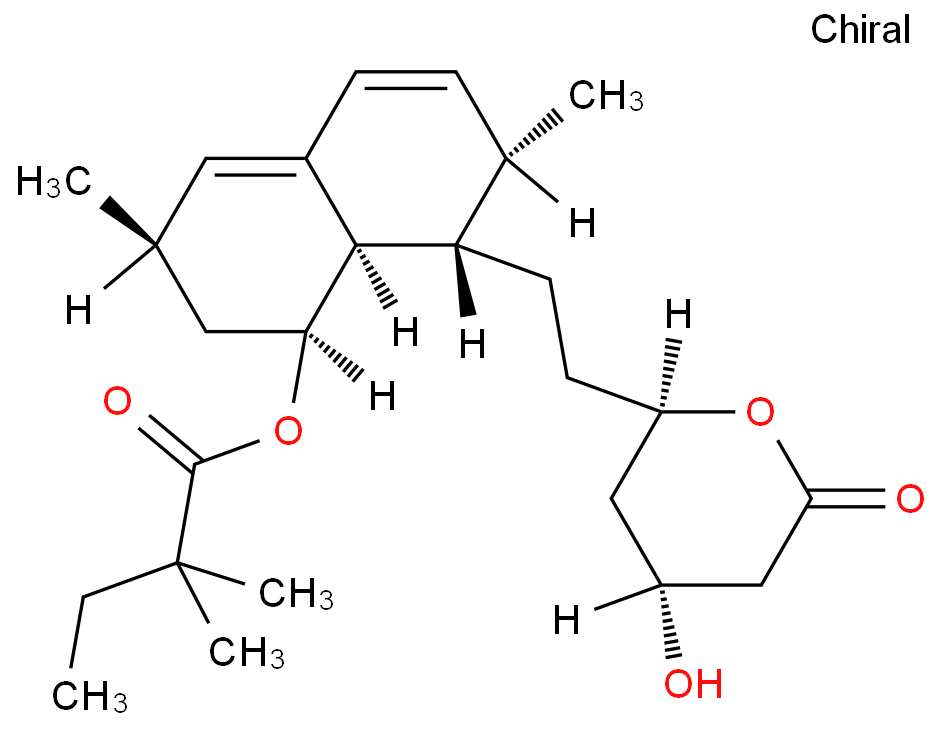
Simvastatin, with the chemical formula C25H38O5 and CAS number 79902-63-9, is another statin drug used for managing cholesterol levels and reducing the risk of heart-related complications. Like pravastatin, simvastatin works by inhibiting HMG-CoA reductase to lower LDL cholesterol and triglyceride levels in the blood.
Pravastatin and Simvastatin are both statins that effectively lower cholesterol and reduce the risk of cardiovascular issues. Both medications function similarly by inhibiting HMG-CoA reductase, but there are differences in their chemical structure, potency, side effects, and drug interactions. While both are beneficial in managing cholesterol, Simvastatin may offer stronger LDL cholesterol reduction at lower doses.


Both pravastatin and simvastatin are synthesized through biotechnological processes that involve fermentation, followed by chemical modifications to enhance their bioactivity and cholesterol-lowering effects. While their synthesis methods share similarities, the differences in their chemical modifications contribute to their distinct pharmacological profiles.
Both pravastatin and simvastatin are widely used statins prescribed to manage cholesterol levels and lower the risk of cardiovascular events, such as heart attacks and strokes. While both medications share a common goal of improving cardiovascular health, their specific applications and patient suitability differ, making one preferable over the other in certain clinical scenarios.

Pravastatin is a go-to option for patients who require cholesterol-lowering therapy to prevent cardiovascular diseases, particularly those at moderate risk. Its favorable safety profile makes it a preferred choice for individuals who are more prone to side effects from other statins or those undergoing treatment for existing coronary artery disease. Pravastatin is especially effective for patients who have undergone organ transplants or have other conditions requiring immunosuppressive therapy, as it has fewer drug interactions.
This statin works by efficiently lowering LDL cholesterol, the "bad" cholesterol that contributes to arterial plaque formation. By decreasing LDL levels, pravastatin reduces the risk of plaque rupture, which can lead to heart attacks and strokes. Beyond cholesterol management, pravastatin is noted for its role in reducing inflammation and stabilizing arterial plaques, contributing to improved long-term cardiovascular health. It is often recommended for patients who have experienced previous heart attacks or are managing early signs of heart disease.
Pravastatin’s tolerability and efficacy make it a suitable option for individuals with mild to moderate cholesterol elevations or those seeking a preventive approach to cardiovascular health. Its safety profile also makes it ideal for older adults or individuals with underlying conditions, ensuring effective management with minimal adverse effects.
Simvastatin is recognized for its potent cholesterol-lowering capabilities, often outperforming pravastatin in terms of reducing LDL cholesterol. This makes it an ideal choice for patients with high cholesterol levels, such as those with familial hypercholesterolemia or severe dyslipidemia. By achieving significant reductions in LDL cholesterol, simvastatin provides a robust defense against cardiovascular complications, including heart attacks and strokes.
Simvastatin is particularly beneficial for individuals who have already experienced cardiovascular events, as its intensive lipid-lowering effects help prevent recurrence. It is also widely used in patients undergoing coronary artery bypass surgery or those with elevated triglyceride levels, where it can contribute to overall lipid profile improvement.
In addition to lowering cholesterol, simvastatin exhibits anti-inflammatory properties that aid in slowing the progression of atherosclerosis. By reducing inflammation in the arterial walls and limiting fatty plaque buildup, simvastatin enhances vascular health and minimizes the risk of life-threatening cardiovascular events.
However, simvastatin’s higher potency can also result in an increased risk of side effects, particularly at higher doses. Patients on simvastatin require careful monitoring for potential issues such as muscle pain or weakness (myopathy) and liver function abnormalities, especially when combined with other medications.
In conclusion, both pravastatin and simvastatin are effective statins used to lower cholesterol and prevent cardiovascular diseases. However, simvastatin tends to offer stronger LDL cholesterol reduction, making it a preferred choice for individuals with significantly elevated cholesterol levels. Pravastatin, on the other hand, is a gentler option that is less likely to cause side effects, making it a better choice for long-term use in individuals at risk of cardiovascular diseases. Both medications should be prescribed based on the specific needs and health conditions of the patient.
| Side Effect |
Pravastatin |
Simvastatin |
|---|---|---|
| Digestive Issues | Rare, may cause mild bloating or upset stomach | Common, can cause diarrhea, cramps, or nausea |
| Low Blood Pressure | Possible, may cause dizziness or lightheadedness | Possible, may cause dizziness or lightheadedness |
| Dehydration | Unlikely to cause dehydration | Can cause dehydration due to its laxative effect |
| Kidney Strain | Rare, but should be used cautiously in individuals with kidney conditions | Risk of kidney strain, especially with prolonged use or in those with kidney issues |
| Allergic Reactions | Rare, could include rash, itching, or swelling | Rare, could include rash, itching, or difficulty breathing |
When choosing between pravastatin and simvastatin, it's important to consider your specific health needs and any underlying conditions you may have. Both medications are effective in lowering cholesterol and reducing the risk of cardiovascular events, but they differ in terms of potency, side effects, and suitability for various patient profiles.
Pravastatin is known for being gentler on the digestive system, making it a good option for individuals who are sensitive to statins. It is particularly effective for long-term management of cholesterol levels and is a preferred choice for patients with mild to moderate cholesterol issues or those who require a lower-risk medication. Since it has fewer side effects, it may be the better option for individuals who are concerned about the long-term impact of cholesterol-lowering drugs on their health.
In contrast, simvastatin is a more potent medication, making it ideal for individuals who need a more aggressive approach to cholesterol reduction. It may be especially beneficial for those with high cholesterol levels, familial hypercholesterolemia, or a history of cardiovascular events. However, its potency comes with a slightly higher risk of side effects, including muscle pain and liver issues, so careful monitoring is required when using this medication.
Ultimately, if you're seeking effective cholesterol reduction with fewer side effects, pravastatin may be the superior choice due to its gentler profile. However, if stronger cholesterol-lowering effects are needed for severe cases, simvastatin could be more suitable, though it may come with a higher risk of side effects.
*For the best outcomes and to ensure that you are selecting the right medication, it's highly recommended to consult with your healthcare provider. They can guide you toward the most appropriate statin based on your specific health status and individual needs.
If you're looking to purchase these compounds, Guidechem is your go-to platform for sourcing high-quality raw materials and reliable 化合物加 suppliers. With our extensive global network, we connect you to a wide range of Pravastatin suppliers and Simvastatin suppliers, ensuring you find the right products to meet your specific research or production requirements. Whether you're in pharmaceuticals, food additives, or other industries, Guidechem simplifies the sourcing process, offering verified supplier information, competitive pricing, and seamless communication.
[1]Cholesterol Management and the Role of Statins by L. H. Johnson.
[2]Pharmacological Comparison of Statins: Pravastatin vs Simvastatin by T. S. Williams.
[4]The Impact of Statins on Heart Disease Prevention in The Lancet.
 |
|
 |


 9YRS
9YRS


