-
We detected your language preference as English. Would you like to switch to the English version for a better experience?
Switch to English
Stay here


Symbicort, with the chemical formula C44H58N2O10 and CAS number 150693-37-1, is a fixed-dose combination medication used to manage asthma and chronic obstructive pulmonary disease (COPD). It contains budesonide, a corticosteroid, and formoterol, a long-acting bronchodilator. Symbicort is commonly prescribed for individuals with moderate-to-severe asthma that remains uncontrolled despite regular inhaled corticosteroids.
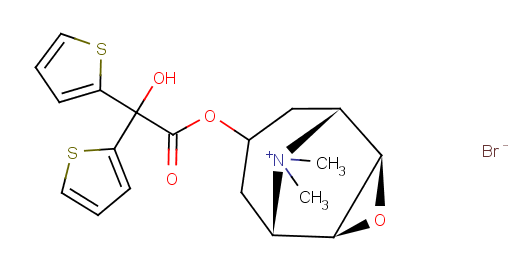
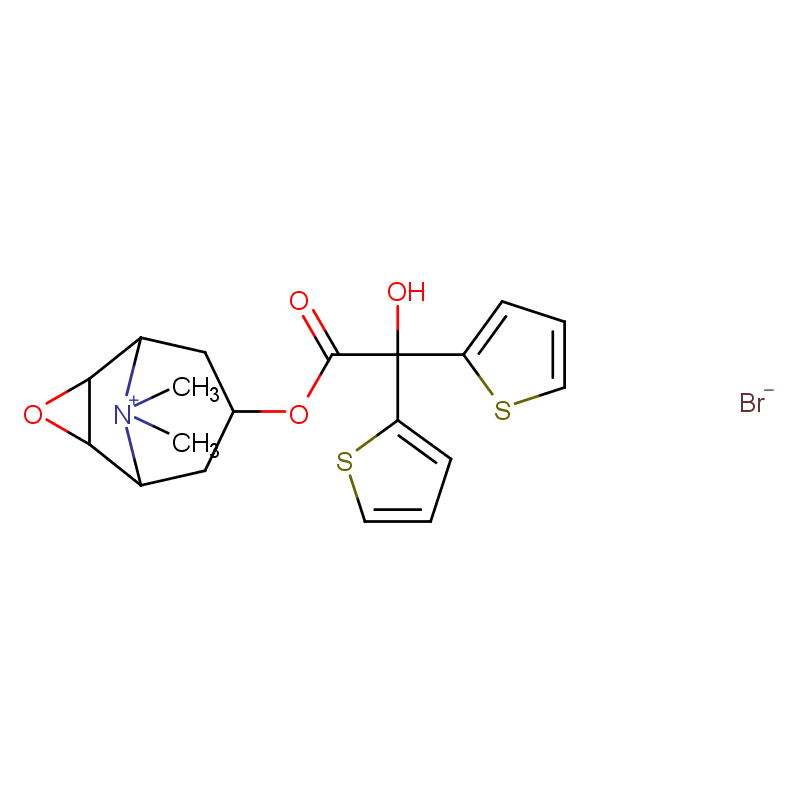
Spiriva, with the chemical formula C19H22BrNO4S2 and CAS number 136310-93-5, is an anticholinergic drug used primarily for the maintenance treatment of COPD. Its active ingredient, tiotropium, works by relaxing the muscles around the airways, improving airflow and reducing symptoms associated with chronic lung diseases.
Symbicort and Spiriva belong to different drug classes and have distinct mechanisms of action. Symbicort combines anti-inflammatory and bronchodilator properties, making it suitable for asthma and COPD management, while Spiriva focuses on long-term airway relaxation and is mainly prescribed for COPD.


The molecular and functional differences between Symbicort and Spiriva highlight their complementary roles in respiratory disease management.
Both Symbicort and Spiriva are pivotal medications for managing chronic respiratory conditions, but their applications differ significantly due to their distinct mechanisms of action and chemical compositions. These inhalers cater to specific aspects of respiratory health, ensuring tailored treatment for conditions like asthma and chronic obstructive pulmonary disease (COPD).

Symbicort combines two active ingredients, budesonide (a corticosteroid) and formoterol (a long-acting bronchodilator), to address both inflammation and bronchoconstriction in the airways. It is primarily prescribed for individuals with moderate-to-severe asthma who experience persistent symptoms despite regular use of inhaled corticosteroids. By reducing airway inflammation and relaxing bronchial muscles, Symbicort improves breathing and minimizes the frequency of asthma attacks.
In addition to asthma, Symbicort is used in COPD management, particularly for patients who experience frequent exacerbations. It helps in reducing the number of flare-ups and improving overall lung function. Symbicort is typically administered as a maintenance therapy, making it unsuitable for immediate relief of acute bronchospasm. Patients should adhere to a regular dosing schedule and monitor their symptoms to ensure optimal results.
Spiriva, containing tiotropium bromide, is an anticholinergic bronchodilator specifically designed for long-term management of COPD. It works by relaxing the smooth muscles in the airways and preventing airway narrowing, thereby facilitating easier breathing. Spiriva is highly effective in reducing COPD symptoms such as chronic cough, shortness of breath, and wheezing. Its once-daily dosing ensures sustained bronchodilation and symptom control throughout the day.
While Spiriva is not typically used for asthma, some patients with asthma-COPD overlap syndrome may benefit from its bronchodilatory effects. However, its primary role remains in COPD maintenance therapy, helping patients achieve better quality of life and reducing hospitalizations due to severe exacerbations.
In some cases, both Symbicort and Spiriva may be prescribed together as part of a combination therapy to address complex respiratory needs. While Symbicort targets inflammation and acute airway constriction, Spiriva provides sustained airway relaxation, offering comprehensive symptom control for patients with advanced COPD or overlapping respiratory conditions. This approach underscores the importance of personalized treatment plans tailored to the severity and progression of the disease.
In summary, Symbicort is ideal for individuals requiring a combination therapy for asthma and COPD, while Spiriva excels in providing long-term airway relaxation for COPD patients. Both medications serve distinct roles and can be used in tandem for optimal respiratory health.
| Side Effect |
Symbicort |
Spiriva |
|---|---|---|
| Oral Thrush | Common, due to corticosteroid component | Rare |
| Dry Mouth | Rare | Common |
| Increased Heart Rate | Possible | Possible |
While both Symbicort and Spiriva are effective medications for respiratory conditions, they serve distinct purposes and should be used under medical supervision. Symbicort is ideal for managing moderate-to-severe asthma and COPD with frequent flare-ups, while Spiriva is the preferred choice for long-term COPD maintenance. Always consult a healthcare professional to determine the most suitable treatment plan for your condition, and never self-medicate without proper guidance.
If you're looking to purchase these compounds, Guidechem is your go-to platform for sourcing high-quality raw materials and reliable suppliers. With our extensive global network, we connect you to a wide range of Symbicort suppliers and Spiriva suppliers, ensuring you find the right products to meet your specific research or production requirements. Whether you're in pharmaceuticals, food additives, or other industries, Guidechem simplifies the sourcing process, offering verified supplier information, competitive pricing, and seamless communication.
|
 |
 |
 |
 EN
EN
 Agricultural News
 Food News
 Industrial News
 Cosmetic News
 Pharmaceutical News
 Science News

 3YRS
3YRS

