
I. Executive Summary
Oxalic acid (CAS 144-62-7), systematically ethanedioic acid, is the simplest commercially important dicarboxylic acid. In 2026 it spans two markets: a bulk technical acid for textile bleaching, leather tanning, metal finishing, precision cleaning and stone care, and a high-purity reagent for pharmaceutical salt formation, electronic cleaning and specialty oxalate synthesis. Two structural engines dominate demand: rare-earth separation for permanent-magnet chains and oxalate precipitation in battery recycling.
Capacity is concentrated in Asia, led by Chinese coal-to-chemicals complexes using carbonylation of carbon monoxide to dialkyl oxalate with hydrolysis, followed by Indian carbohydrate and sodium-formate plants. European and North American assets are smaller, specialised and oriented to low-metal certified grades. Cost is set by nitric acid, syngas, caustic soda and energy plus abatement and effluent duties, so landed-cost parity shifts with freight, currency and trade remedies.
This paper gives procurement and regulatory teams a decision framework: how chelation chemistry drives grade selection, which route predicts impurity profiles, how to read EU REACH and CLP and US TSCA, EPA and FDA perimeters, and how to build specification-led qualification. The thesis is that value has migrated from volume to verifiable quality, traceability and regulatory readiness.
II. Product Deep Dive: Molecular Mechanisms and Production Evolution
2.1 Physicochemical Properties and Mechanisms
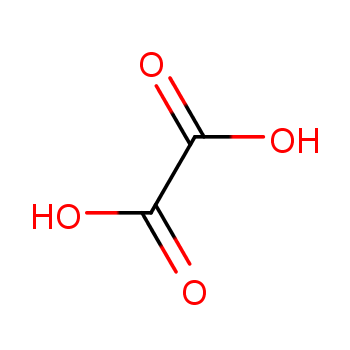
Oxalic acid is a planar symmetrical dicarboxylic acid of molecular weight 90.03 grams per mole anhydrous and 126.07 as the dihydrate in which most tonnage trades. Dissociation constants near pKa1 1.25 and pKa2 4.14 make it among the strongest industrial organic acids, while adjacent carboxylates give an ideal bite angle for chelating di- and trivalent metals. It is also a mild reductant, oxidised to carbon dioxide by permanganate.
- Acidity, Chelation and Redox Behaviour: Strong acidity dissolves iron oxide and carbonate scale, and is preferred to hydrochloric or sulfamic acid where substrate attack, chloride pitting or fuming must be avoided. The oxalate dianion forms stable five-membered chelate rings with ferric, rare-earth, cobalt, nickel and manganese ions, giving sparingly soluble salts that calcine to oxides with controlled morphology. This pathway underpins rare-earth oxide production and oxalate-route cathode precursors.
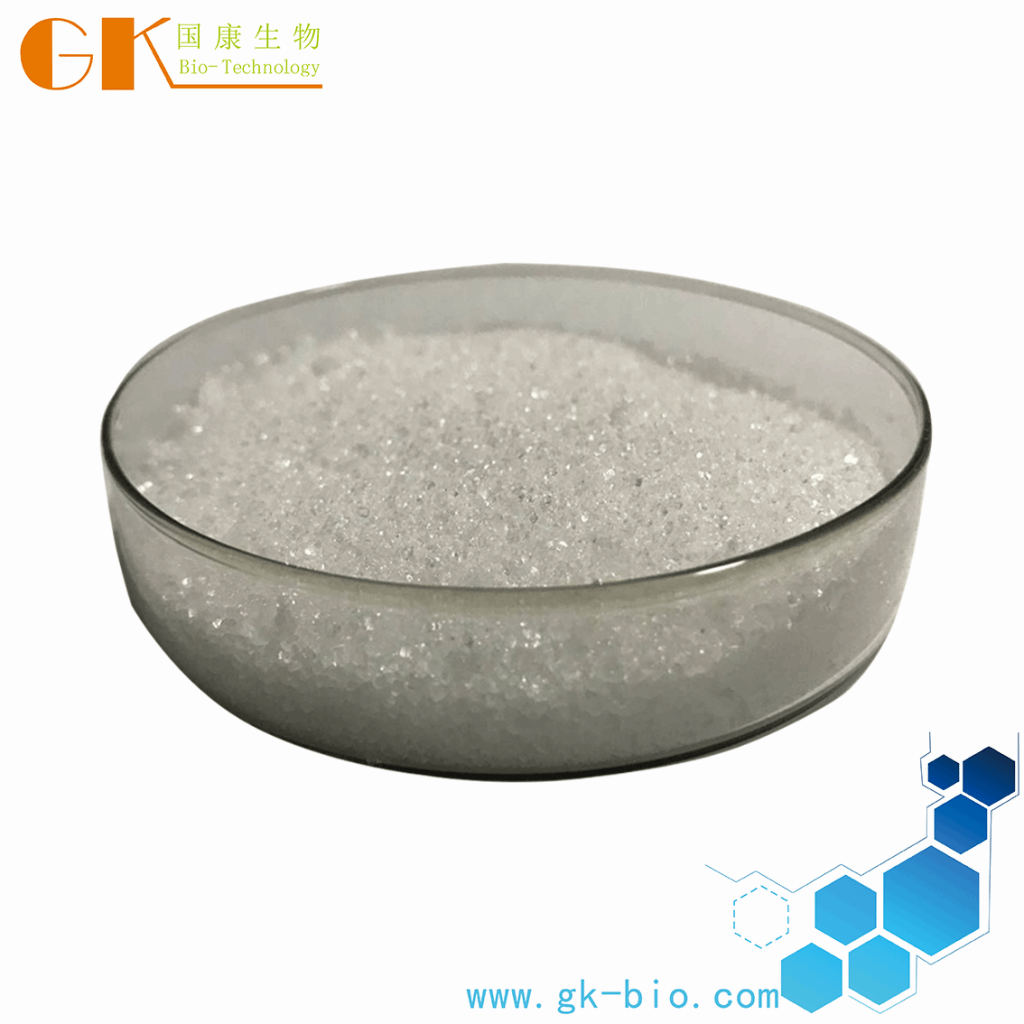
- Solid-State Form, Solubility and Handling Speciation: Commercial material is free-flowing dihydrate crystal that loses water near 100 degrees Celsius and effloresces in dry air, while the anhydrous form is hygroscopic and decomposes near 189 degrees Celsius. Absorbed oxalate precipitates calcium oxalate, the basis of its acute toxicity and nephrotoxicity, so handling needs acid-resistant materials, ventilation and dust control.
2.2 Synthesis and Manufacturing Technologies
Four production philosophies coexist, and the route is the best predictor of a lot's impurity signature. Carbohydrate oxidation with nitric acid and sodium-formate fusion are older distributed technologies; nitric-acid oxidation of ethylene glycol is a flexible middle path; oxidative carbonylation of carbon monoxide to dialkyl oxalate with hydrolysis dominates in coal-rich regions. Fermentative routes remain limited by recovery cost.
- Sodium-Formate Fusion and Nitric-Acid Oxidation: Carbon monoxide and caustic soda give sodium formate, dehydrogenated near 400 degrees Celsius to sodium oxalate, then converted with lime and liberated with sulfuric acid. Carbohydrate and glycol routes oxidise glucose, molasses or ethylene glycol with concentrated nitric acid, producing nitrogen oxides requiring abatement. Both leave sulfate, calcium, nitrate and nitrite residues and catalyst metals that drive refining cost.
- C1 Oxidative Carbonylation, Hydrolysis and Finishing: The carbonylation route couples carbon monoxide with an alkyl nitrite over supported palladium to give dialkyl oxalate, regenerating nitric oxide in a closed nitrite loop, then hydrolyses to oxalic acid and recycles alcohol. Integrated with syngas and methanol assets it gives strong variable-cost economics, but demands tight control of nitrate, nitrite and palladium traces. Finishing adds carbon treatment, ion exchange and fractional crystallisation.
2.3 Core Application Matrix
- Rare-Earth Separation, Hydrometallurgy and Battery Recycling: Oxalic acid is the precipitant of choice for converting purified rare-earth solutions into oxalates calcined to oxides with controlled particle size, serving magnet, phosphor and catalyst chains. The same selectivity recovers cobalt, nickel and manganese from laterite liquors, spent catalysts and recycled-cell black mass. These uses are sensitive to iron, calcium, sodium and heavy metals, so they demand high-purity grades and the strongest documentation.
- Metal Surface Treatment, Textile, Leather and Cleaning: In metal finishing it brightens, pickles and passivates stainless steel and aluminium with less fuming and lower chloride pitting risk than mineral acids. Textile and leather processors use it as a bleaching assistant and iron-stripping agent, where complexing stray iron prevents fibre damage and shade variation. Dilute formulations remove iron staining from marble without aggressive attack. Rinsing matters, since residual oxalate recrystallises.
- Pharmaceutical, Electronic and Specialty Synthesis: As a salt-forming acid it prepares oxalate salts of basic drug substances, where counterion choice shapes crystallinity and dissolution, requiring residual-solvent control, ICH Q3D element data and ICH M7 assessment. It also feeds oxalate esters used as solvents, plasticiser intermediates and ligands. High-purity dihydrate serves as a permanganate primary standard.
III. Global Market Supply-Demand Landscape and Export Trends
3.1 Demand Drivers and Market Shifts
Demand growth is an electrification story. Magnet supply chains for traction motors, wind generators and electronics need separated rare-earth oxides whose dominant precipitation step is oxalic acid, so capacity additions translate close to linearly into offtake. Battery recycling and cathode-precursor plants add demand, where oxalate precipitation competes with hydroxide routes on morphology control and lower ammonia loading. Textile, leather and cleaning demand is mature and cyclical.
3.2 Capacity Distribution and Export Flows
Capacity is concentrated in China, where coal-based carbonylation complexes supply domestic demand and most traded tonnage, with India second on carbohydrate, glycol and formate routes. Europe and North America retain specialised assets tied to captive use or high-purity refining, competing on differentiation rather than scale. Flows run from East Asia into South and Southeast Asia, the Middle East, Europe and Latin America. Buyers have diversified away from single-origin dependency.
3.3 Market Bifurcation and Pricing Dynamics
The market is bifurcated by grade. Technical material competes on delivered price and is exposed to capacity additions, export-tax and rebate changes and freight volatility. High-purity, low-metal and pharmacopoeial grades behave differently: small volumes, slow sticky qualification and prices negotiated against specification, documentation and audit performance. Contracts increasingly use index-linked pricing, quarterly review and defined pass-through for energy, freight and regulatory cost.
IV. In-depth Analysis of Global Compliance and Regulatory Barriers
Oxalic acid sits at an awkward compliance intersection: a high-tonnage industrial chemical with adjacent uses in apiculture, food-plant cleaning, pharmaceutical salt formation and food-equipment treatment, each with its own perimeter. The same substance can be a registered industrial intermediate in one transaction and an unauthorised food additive or unregistered pesticide in another. Status must be treated as a product attribute defined by use and jurisdiction.
4.1 European Market: REACH, CLP, and Sector-Specific Directives
- REACH Registration, CLP Classification and Exposure Scenarios: Oxalic acid is a registered phase-in substance under Regulation (EC) No 1907/2006 with a full dossier covering high tonnage band manufacture and import. Its harmonised classification under Regulation (EC) No 1272/2008 places it in acute toxicity category 4 orally and dermally, requiring corresponding statements, pictograms and a compliant safety data sheet with exposure scenarios. Non-EU producers need an only representative or covered importer.
- Sector Overlays: Biocides, Food Contact and Detergents: Any claim of varroa mite control brings the Biocidal Products Regulation into play, requiring an approved active substance, authorised product and approved supplier listing, which excludes generic technical material. Food-plant and food-contact uses fall under the framework regulation and national lists, with detergent formulations additionally subject to ingredient rules. Pharmaceutical salt formation is governed by the finished product authorisation and ICH impurity qualification.
4.2 North American Market: TSCA, EPA, and FDA Regulations
- TSCA Status, EPA Pesticide and Occupational Requirements: Oxalic acid is active on the Toxic Substances Control Act inventory, so ordinary industrial import needs no pre-manufacture notice, though importers must certify status at entry and observe Chemical Data Reporting where thresholds are met. Sold for mite control it becomes a pesticide under the Federal Insecticide, Fungicide and Rodenticide Act, and only registered labelled products may be distributed.
- FDA, Food-Contact and Pharmaceutical Expectations: Oxalic acid is not an approved direct food additive in the United States, and food-processing use is limited to clearly cleared food-contact or processing-aid contexts; indirect contact requires a documented notification or effective exemption. Pharmaceutical buyers should require current good manufacturing practice aligned manufacture, ICH Q7 expectations, ICH Q3D element data and drug master file support.
4.3 The Critical Hurdle: Quality Control and Safety Limits
Compliance Warning: Never assume a technical-grade certificate of analysis supports pharmaceutical, food-plant, apiculture or electronics use. Require a lot-specific panel for assay, water of crystallisation, sulfate, chloride, nitrate and nitrite, iron, calcium, sodium and heavy metals, matched to the application. Confirm the physical form, since anhydrous and dihydrate differ in molecular weight, dosing and dust behaviour. Oxalate dust is corrosive and nephrotoxic.
V. Green Trade Barriers and ESG in Manufacturing
Environmental performance is now a commercial differentiator, not a reporting exercise. Nitric-acid and carbonylation routes emit nitrogen oxides and nitrous oxide, generate acidic sulfate-laden effluents and consume steam for crystallisation and drying, giving measurable Scope 1 process emissions, Scope 2 electricity emissions and upstream Scope 3 burdens. Downstream magnet, battery and electronics customers push these requirements upstream through questionnaires and ratings that now carry tender weight.
5.1 Carbon Footprint and Circular Economy
Although oxalic acid is outside the current product scope of the European Union carbon border adjustment mechanism, customers increasingly request verified embodied-carbon data in similar templates and score product carbon footprint in tenders. Levers are established: nitrogen-oxide absorption with recycle to weak acid, nitrous-oxide destruction, mechanical vapour recompression and waste-heat recovery. Circular options include oxalate recovery from rare-earth mother liquors, bath regeneration and gypsum valorisation. ISO 14001 and ISO 14067 documentation converts cost into tender advantage.
5.2 Sustainable Sourcing and Traceability
Traceability expectations have sharpened because oxalic acid feeds chains where responsible sourcing is contractually and legally mandated. Rare-earth and battery customers require chain-of-custody records, conflict-mineral screening and evidence that upstream partners meet environmental and social standards. Certifications remain the practical currency: ISO 9001, ISO 14001, ISO 45001 and ISO 50001, plus third-party ratings. Buyers should require lot-level traceability from campaign to container loading.
VI. Supply Chain Resilience and Export Logistics
Oxalic acid is a corrosive, harmful, moisture-sensitive crystalline solid whose performance depends as much on packaging and transit discipline as on synthesis quality. It cakes under humidity cycling, picks up iron from handling equipment and generates respirable dust during transfer, so logistics failures usually surface as quality complaints.
6.1 Packaging Standards and Moisture/Contamination Control
- Packaging Specification and Moisture-Barrier Design: Standard packs are 25 kilogram multiwall or woven bags with polyethylene liner, drums, and 500 to 1000 kilogram flexible intermediate bulk containers, specified by liner thickness, closure and palletisation. Because the dihydrate effloresces and the anhydrous form is hygroscopic, packs need heat-sealed liners, hooding and container desiccant for long transits. Warehouses should enforce rotation, humidity control and caking inspection.
- Contamination Control, Segregation and Documentation: Oxalic acid must be segregated from alkalis, hypochlorite, other oxidisers, cyanides and from food or feed materials unless certified. Electronic and pharmaceutical grades need low-shedding liners, controlled-environment packing, tamper-evident seals and lot genealogy. Each consignment should carry a destination-language safety data sheet, lot certificate of analysis and matched packing list.
6.2 Dangerous Goods Identification and Transit Protocols
Transport classification must follow the actual form shipped. Many safety data sheets classify oxalic acid as harmful rather than transport-regulated and the dihydrate often moves as a non-dangerous good, whereas the anhydrous acid may require consignment as a corrosive solid under the appropriate United Nations number in class 8, packing group III. Shippers should evidence classification with test data, then apply specification packaging, Globally Harmonized System marking, segregation and documentation under ADR, RID, IMDG or IATA.
VII. Enterprise Global Expansion Strategy Guide
Expansion is less about finding new demand than qualifying for existing demand under stricter technical, regulatory and sustainability conditions. The sequence below reflects how successful suppliers and large buyers structure programmes: define the grade architecture, build the regulatory dossier ahead of the sale, then harden the physical supply chain.
- Grade Architecture and Specification-Led Qualification: Segment the portfolio into technical, low-metal industrial, electronic and pharmacopoeial grades with published limits for assay, water of crystallisation, chloride, sulfate, nitrate and nitrite, iron, calcium, sodium and ICH Q3D elemental impurities, produced on qualified equipment. Pair this with a protocol covering route disclosure, change control, process validation, retained samples and audit access. Grade clarity protects margin and prevents misuse of technical material.
- Registration Readiness and Multi-Jurisdiction Dossiers: Maintain a live matrix covering EU REACH and CLP, UK REACH, US TSCA and Chemical Data Reporting, Korea K-REACH, Türkiye KKDIK, and national inventory and hazardous-chemical rules across Asia-Pacific, with named owners and renewal calendars. Pre-build end-use dossiers: biocidal authorisation for apiculture, food-contact clearance for food-plant use, drug master file support for pharmaceutical salt formation. Complete dossiers routinely displace cheaper competitors without documented lawful status.
- Resilient, Low-Carbon Supply Networks and Commercial Structures: Combine a cost-advantaged Asian base with qualified secondary sources in India or Europe and, where volumes justify, regional toll finishing or blending nearer the customer. Contracts should include dual sourcing, safety stock or vendor-managed inventory, index-linked pricing with defined pass-through, and force-majeure language. Add verified product carbon footprints, ISO 14001 and ISO 50001 certification and documented circular-recovery projects.
VIII. Conclusion
Oxalic acid's 2026 profile is that of a mature molecule with renewed strategic relevance. Acidity, chelation and reducing behaviour are hard to substitute in rare-earth separation, battery-material recovery, metal finishing and precision cleaning, and electrification investment has turned a cyclical commodity into a structurally supported specialty. The market has bifurcated: technical tonnage competes on delivered cost, while high-purity grades compete on specification, documentation and audit performance.
Buyers should purchase oxalic acid as a qualified, documented material rather than a price-tracked commodity: define the impurity panel and physical form, confirm registration and end-use legality per market, insist on lot traceability and carbon data, and build dual-sourced, inventory-backed frameworks. Producers should invest in low-metal finishing, nitrogen-oxide abatement and verified ESG reporting, and treat logistics discipline as part of the product.
IX. Industry Resource Connection and Supplier Ecosystem
Powered by Guidechem
This white paper is exclusively compiled by the Guidechem Intelligence Team based on global customs data, regulatory databases, and industry research. Guidechem is a leading global B2B chemical platform, dedicated to connecting global buyers with verified, high-quality manufacturers.
Relying on Guidechem's extensive global database, we have mapped the core participants in the current global Oxalic acid supply chain:
- North America: The North American tier is import-dependent, served by regional repackers, blenders and distributors holding TSCA-compliant import documentation and domestic warehousing. Buyers prioritise support for EPA and occupational exposure requirements, English-language safety data sheets and vendor-managed inventory for continuous-process users.
- Europe: The European tier is organised around importers and distributors acting as REACH registrants, only representatives or downstream users, plus specialty formulators serving metal treatment, cleaning and rare-earth customers. Access depends on harmonised CLP labelling and dossiers for biocidal, detergent and food-contact overlays.
- Asia-Pacific and China: The Asia-Pacific tier combines integrated coal-to-chemicals producers, nitric-acid specialists and independent high-purity refiners, offering the broadest grade range and the most competitive technical-grade economics. It supplies most export tonnage and moves fastest on electronic and battery-grade qualification.
Disclaimer: The content of this white paper is compiled based on public market data and regulatory information available as of 2026. Global chemical regulations are subject to dynamic adjustments. In actual export operations, enterprises must consult professional regulatory advisors or relevant competent authorities to obtain the latest compliance guidance.




 EN
EN
 Agricultural News
 Food News
 Industrial News
 Cosmetic News
 Pharmaceutical News
 Science News

 3YRS
3YRS

