
I. Executive Summary
Barbituric acid (CAS 67-52-7, C4H4N2O3, molecular weight 128.09) is the unsubstituted pyrimidine-2,4,6-trione that forms the structural core of the barbiturate class. The molecule itself is not a pharmacologically active central nervous system agent, because sedative activity requires substitution at the 5-position, and it is not normally scheduled as a controlled substance in its own right. Its legitimate industrial uses are substantial and diverse: vitamin B2 manufacture, speciality pigment and dye chemistry, Knoevenagel condensation derivatives and regulated pharmaceutical intermediate supply.
Commercial production rests almost entirely on the classical condensation of a malonate ester, usually diethyl malonate, with urea in the presence of a sodium alkoxide base, followed by acidification, crystallisation and drying. Variants using malonic acid with dehydrating agents exist for specific purity requirements. The route is mature and highly optimised, so competition is decided by impurity control, nitrogenous effluent management and, increasingly, by the quality of the supplier's compliance function rather than by the chemistry itself.
That compliance function is the defining commercial feature of this molecule. Because barbituric acid is the scaffold from which controlled barbiturate substances are derived, responsible producers and traders apply end-use declarations, know-your-customer verification and buyer qualification screening to every order, and decline business that cannot be reconciled with legitimate industrial or licensed pharmaceutical use. This paper examines the chemistry, market, regulatory perimeter and logistics of barbituric acid within that compliance-first frame.
II. Product Deep Dive: Molecular Mechanisms and Production Evolution
2.1 Physicochemical Properties and Mechanisms
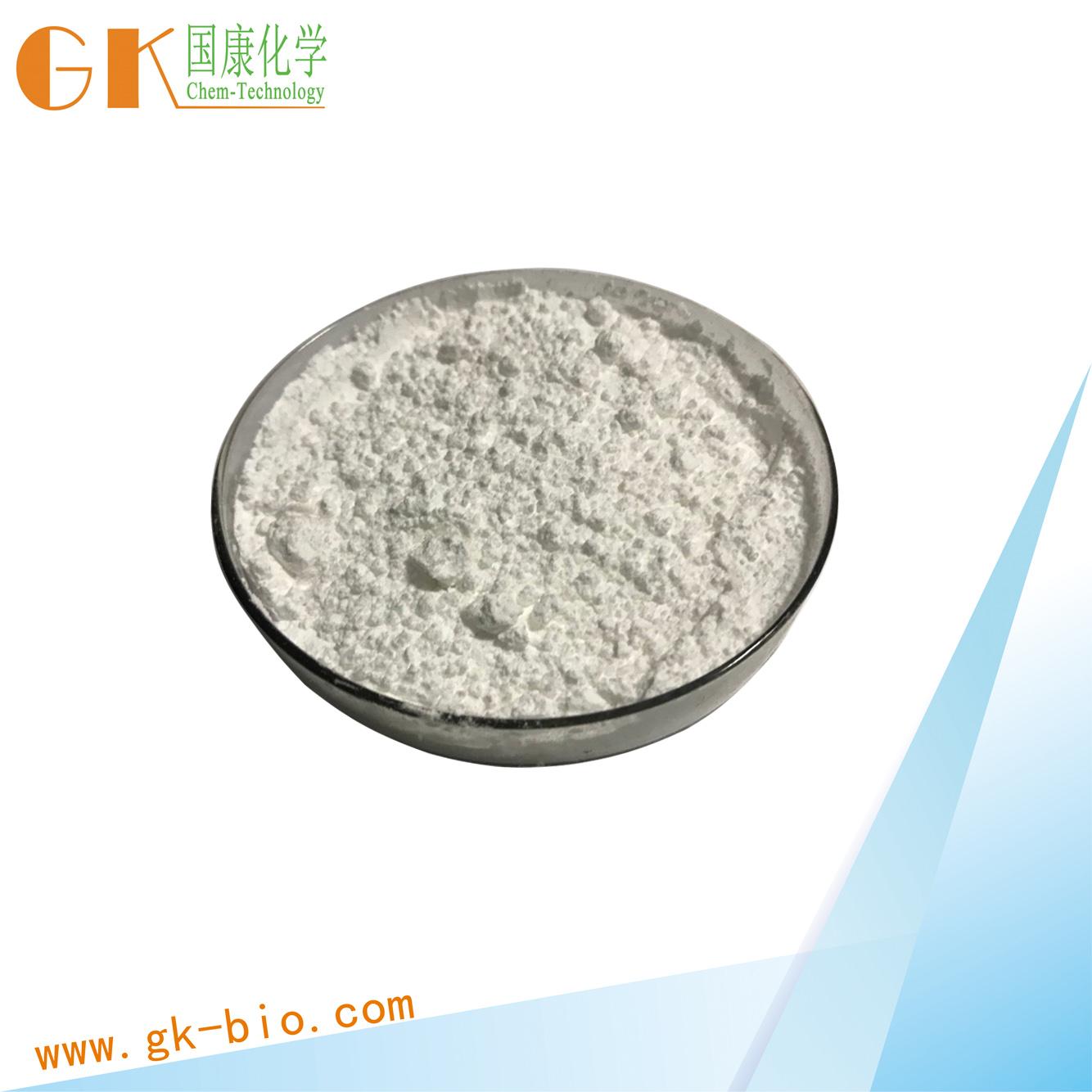
Barbituric acid crystallises as a white to off-white solid that decomposes rather than melts cleanly at temperatures approaching 250 degrees Celsius, and it is sparingly soluble in cold water but appreciably soluble in hot water and in polar solvents. Its acidity, with a pKa near 4, arises from the imide-like methylene flanked by two carbonyls and two ring nitrogens, which stabilises the enolate and makes the C-5 position strongly nucleophilic. That single feature explains the entire downstream chemistry of the molecule.
- Active methylene and Knoevenagel reactivity: The acidic methylene at C-5 condenses readily with aldehydes and related electrophiles to give arylidene and heteroarylidene derivatives, and it undergoes alkylation at the same position. This is the chemistry used to build the 5-substituted and 5,5-disubstituted structures that define the barbiturate family, and equally the chemistry exploited in pigment and functional materials synthesis where no pharmaceutical outcome is involved.
- Tautomerism, chelation and solid-state behaviour: The ring exists in keto-enol equilibrium and forms stable salts and metal complexes, which underpins its use as a coupling and complexation component in colour chemistry. Because the enolate form and the hydrate state influence crystal habit and colour, producers control crystallisation conditions carefully and specify loss on drying, appearance and assay together rather than relying on assay alone.
2.2 Synthesis and Manufacturing Technologies
Industrial manufacture is dominated by base-catalysed cyclocondensation of a malonate ester with urea, a reaction that has been run substantially unchanged for more than a century and that remains preferred because both feedstocks are commodity chemicals and the by-product alcohol is recoverable. Process development effort is therefore directed at yield, solvent and base recovery, colour and residual-ion control, and nitrogenous effluent treatment rather than at route invention.
- Diethyl malonate and urea condensation: Urea and diethyl malonate are condensed in alcoholic solution with a sodium alkoxide base, the sodium barbiturate salt is liberated by acidification, and the product is isolated by crystallisation, washing and drying. Critical control points are completeness of cyclisation, removal of residual urea and malonate, control of inorganic salt and sodium content, and recovery of the alcohol and base to make the economics and the effluent load acceptable.
- Malonic acid variants and purification strategy: Routes using malonic acid with a dehydrating or activating agent avoid ester handling and are useful where sodium content or ester residues are problematic. Regardless of route, final quality is set by controlled crystallisation, carbon treatment where colour demands it, and drying under conditions that avoid thermal decarboxylation, with assay, loss on drying, residue on ignition, heavy metals and residual urea specified and tested.
2.3 Core Application Matrix
- Vitamin and fine-chemical manufacture: Barbituric acid is a key intermediate in industrial riboflavin, vitamin B2, production and in the synthesis of other heterocyclic fine chemicals and uracil derivatives. Demand from this segment is volume-stable, specification-driven and entirely legitimate, and it accounts for a substantial share of global merchant consumption.
- Pigments, dyes and functional materials: The compound serves as a coupling and complexation component in speciality azo and high-performance pigment chemistry, and its arylidene derivatives are investigated in colourant, UV-absorbing and optical materials. These customers prioritise consistent colour, particle characteristics and low metal content over price, and often require tight lot-to-lot reproducibility.
- Regulated pharmaceutical intermediate supply: Licensed pharmaceutical manufacturers use the compound as a starting material in legitimate, authorised syntheses carried out under national drug control permissions and good manufacturing practice. This is the most heavily scrutinised application, and supply into it is conditional on documented end-use, verified buyer status and, where applicable, evidence of the appropriate licence.
III. Global Market Supply-Demand Landscape and Export Trends
3.1 Demand Drivers and Market Shifts
Demand is anchored by three relatively stable outlets. Riboflavin production, which is concentrated in Asia and serves both animal nutrition and human food fortification markets, provides the largest volume base. Speciality pigment manufacture provides steady, higher-margin demand with tight quality requirements. Pharmaceutical demand is smaller in tonnage but is the most documentation-intensive and the most sensitive to compliance failure, and it is increasingly concentrated among a reduced number of licensed manufacturers in Europe, India and Japan.
3.2 Capacity Distribution and Export Flows
China holds the dominant position, with malonate and urea condensation capacity in Shandong, Jiangsu, Zhejiang and Hubei, frequently integrated with diethyl malonate production and with vitamin B2 plants that consume a share of output captively. India supplies both domestic pharmaceutical and pigment customers and export markets from Gujarat, Maharashtra and Hyderabad, with strength in documentation and in serving regulated customers. Germany, Switzerland and Japan retain important high-purity and pharmaceutical-grade capacity, and the European Union and the United States remain net importers of the commodity grade while retaining regulated pharmaceutical demand.
3.3 Market Bifurcation and Pricing Dynamics
Pricing follows diethyl malonate, urea and energy costs fairly closely, since the route is mature and margins are thin at commodity grade. The market bifurcates between industrial grade sold on assay, appearance and loss on drying, and pharmaceutical or high-purity grade sold on residual ion and metal content, colour, documented impurity profile and, critically, on the supplier's ability to support a compliance audit. Buyers frequently underestimate the cost of that documentation, and suppliers who treat it as a product feature rather than an overhead consistently win regulated accounts.
IV. In-depth Analysis of Global Compliance and Regulatory Barriers
Barbituric acid must be handled as a compliance-sensitive intermediate, not as an ordinary commodity. The substance itself is generally not scheduled as a controlled drug, but finished barbiturates are controlled under national drug laws and under the international psychotropic substances regime, and the acid is the scaffold from which they are built. Suppliers therefore carry a duty of care that extends beyond the safety data sheet, and failure to exercise it creates legal, reputational and supply-chain exposure disproportionate to the tonnage involved.
4.1 European Market: REACH, CLP, and Sector-Specific Directives
- REACH registration and CLP position: The substance is registered under REACH and supplied with a safety data sheet and, where required, exposure scenarios. It carries no harmonised CLP classification, so notifications vary between suppliers, with conservative notifications for eye and respiratory irritation being common. Buyers must reconcile these differences in their own risk assessment and, where a non-EU manufacturer supplies EU customers, confirm that an only representative has been appointed.
- Controlled-substance adjacency and due diligence: Although barbituric acid is not itself normally listed among scheduled drugs or in the tables of the international drug precursor instruments, national regimes differ and competent authorities monitor trade in barbiturate precursors closely. European suppliers accordingly apply end-use declarations, verify buyer licensing status, monitor order patterns for anomalies and retain transaction records for inspection by bodies such as the European Union Drugs Agency and national competent authorities.
4.2 North American Market: TSCA, EPA, and FDA Regulations
- TSCA inventory and import certification: Barbituric acid is listed as active on the TSCA Inventory, so import is permitted without a premanufacture notice, subject to Section 13 import certification and to Chemical Data Reporting where thresholds are met. Importers should nonetheless confirm active status for the specific grade and maintain documentation, since inactive designations on close analogues cause customs delay and, for this chemistry, any documentation gap invites enhanced scrutiny.
- Controlled Substances Act context: Finished barbiturates are scheduled under the United States Controlled Substances Act and are subject to registration, quota and recordkeeping requirements administered by the Drug Enforcement Administration. Barbituric acid itself is not a scheduled substance, but suppliers operating in or exporting to the United States are expected to maintain customer verification and end-use records and to report suspicious orders, and they should confirm current federal and state expectations with counsel.
4.3 The Critical Hurdle: Quality Control and Safety Limits
Compliance Warning: The decisive control for barbituric acid is not assay, it is end-use control. Suppliers must obtain a written end-use declaration, verify that the buyer is a legitimate industrial, pigment, vitamin or licensed pharmaceutical manufacturer, screen orders against expected consumption patterns, and retain records for competent authority inspection. Enquiries suggesting unlicensed manufacture of controlled barbiturate substances must be declined and reported where required. This paper provides no operational guidance for the synthesis of controlled barbiturate substances, and none should be requested or supplied.
V. Green Trade Barriers and ESG in Manufacturing
The environmental profile of barbituric acid manufacture is dominated by nitrogen. Urea brings ammonia-derived nitrogen into the process, the condensation generates recoverable alcohol, and the aqueous stream carries nitrogenous organic load and inorganic salt that are expensive to treat. Producers that recover solvent and base, and that invest in biological nitrogen removal or in concentration and recovery of by-product salt, gain both a cost advantage and a defensible position in customer ESG audits.
5.1 Carbon Footprint and Circular Economy
Cradle-to-gate emissions are driven mainly by upstream urea, since ammonia production is energy intensive, and by diethyl malonate manufacture, with additional contributions from alcohol recovery, multiple crystallisations and drying. Reduction levers include closed-loop alcohol and alkoxide recovery, heat integration around the condensation and crystallisation steps, and replacement of fossil steam with recovered or renewable heat. Buyers assessing Scope 3 emissions should request product-level footprints aligned to ISO 14067 or the GHG Protocol Product Standard and should confirm whether effluent treatment is inside the boundary.
5.2 Sustainable Sourcing and Traceability
Traceability obligations here are unusually strict because they serve two purposes simultaneously: product quality and diversion prevention. Responsible suppliers maintain lot genealogy from urea and malonate receipt through to packed drum, and retain the end-use declaration, buyer verification and shipping records for every order. ISO 9001 and ISO 14001 certification, third-party responsible-care or EcoVadis auditing, and documented compliance with ISO 14001-aligned environmental management are now standard expectations among European and Japanese pigment and pharmaceutical customers.
VI. Supply Chain Resilience and Export Logistics
Barbituric acid is, physically, an easy product to move: a non-regulated crystalline solid stable at ambient temperature and requiring no cold chain. The operational risks are moisture pickup and caking, contamination from shared equipment, colour drift on storage, and combustible dust during charging and milling. A resilient programme therefore centres on packaging integrity, dust-safety discipline and dual-source qualification rather than on specialised transport.
6.1 Packaging Standards and Moisture/Contamination Control
- Moisture barrier and colour stability: Product should be packed in polyethylene-lined fibre drums or woven bags with an inner barrier, palletised and stretch-wrapped to prevent damage and moisture ingress during sea transit. Because residual moisture accelerates caking and can promote colour drift, water content and loss on drying should be specified, tested at release and retested on receipt after long voyages or humid seasonal conditions.
- Equipment segregation and change control: Multi-purpose plants must demonstrate validated cleaning between campaigns and should dedicate or campaign-dedicate crystallisation and drying equipment for pharmaceutical grades. Buyers should require retain samples from every lot, insist on notification of any change to feedstock, solvent, catalyst or site, and treat such changes as qualification events, since a silent route change can invalidate downstream impurity risk assessments.
6.2 Dangerous Goods Identification and Transit Protocols
Barbituric acid is normally classified as not dangerous for transport under IMDG, ADR, RID and IATA, so it moves as general cargo in drums or bags, typically by containerised sea freight for intercontinental volumes and by road or rail for regional distribution. The hazard that does require formal management is combustible dust: producers should determine explosibility parameters including Kst, maximum explosion pressure and minimum ignition energy, classify zones under ATEX or the NFPA combustible dust standards, and operate grounded, dust-tight transfer with local exhaust ventilation.
VII. Enterprise Global Expansion Strategy Guide
Because the chemistry is mature, competitive advantage in barbituric acid comes from compliance capability, quality consistency and environmental performance. Suppliers who can demonstrate robust due diligence without slowing legitimate business will take share from traders who cannot, particularly in regulated pharmaceutical and high-purity pigment segments.
- Make end-use control a commercial asset: Implement a standardised end-use declaration, buyer verification and order-pattern screening process, train commercial staff to identify and escalate anomalous enquiries, and retain records for competent authority inspection. Documented due diligence protects the business and is increasingly a prerequisite for supply agreements with European and Japanese customers.
- Compete on impurity and consistency, not on assay: Control residual urea, malonate, sodium and heavy metals, fix colour and particle characteristics, and hold tight lot-to-lot reproducibility for pigment and pharmaceutical customers. Publish a full impurity profile and support it with validated methods, because specification depth is what converts a commodity enquiry into a long-term regulated supply agreement.
- Invest in nitrogenous effluent and solvent recovery: Alcohol and alkoxide recovery, ammonia and urea recovery where feasible, and biological nitrogen removal reduce both cost and regulatory risk in every major producing region simultaneously. Documented emissions and effluent performance is now requested in European and Japanese tenders and increasingly determines supplier approval alongside price and quality.
VIII. Conclusion
Barbituric acid will remain a stable, moderately growing industrial intermediate supported by vitamin, pigment and licensed pharmaceutical demand, with production concentrated in China and India and high-purity capacity retained in Europe and Japan. The chemistry is settled, the feedstocks are commodity chemicals, and the economics are transparent, which means that differentiation must come from elsewhere.
It comes from governance. Because this molecule is the scaffold of a controlled substance class, the supplier's ability to verify end-use, qualify buyers, monitor orders, maintain records and refuse inappropriate business is the true measure of quality in this market. Organisations that build that capability into routine commercial practice will sustain access to regulated customers; those that treat barbituric acid as an ordinary commodity will lose it.
IX. Industry Resource Connection and Supplier Ecosystem
Powered by Guidechem
This white paper is exclusively compiled by the Guidechem Intelligence Team based on global customs data, regulatory databases, and industry research. Guidechem is a leading global B2B chemical platform, dedicated to connecting global buyers with verified, high-quality manufacturers.
Relying on Guidechem's extensive global database, we have mapped the core participants in the current global Barbituric acid supply chain:
- China: Integrated Malonate and Vitamin Corridor: Shandong, Jiangsu, Zhejiang and Hubei host condensation capacity frequently integrated with diethyl malonate production and with vitamin B2 plants that consume part of the output captively. Chinese producers set the global industrial-grade price floor and increasingly supply high-purity grades, though buyers should audit residual ion control, colour consistency and environmental compliance before qualification.
- India: Documentation-Led Intermediate Manufacturing: Gujarat, Maharashtra and Hyderabad host manufacturers serving domestic pigment and licensed pharmaceutical customers as well as export markets, competing on impurity control, ICH-aligned quality systems and regulatory documentation rather than on commodity price. Indian suppliers are frequently the preferred second source for customers needing to qualify an alternative to Chinese capacity under dual-sourcing policies.
- Germany, Switzerland and Japan: High-Purity and Pharmaceutical Specialists: European and Japanese producers retain the high-purity and pharmaceutical-grade capacity, supported by mature REACH documentation, strong environmental performance and long-standing relationships with pigment and regulated pharmaceutical customers. These sources are selected where end-use verification, change-control discipline, audit readiness and tight lot-to-lot reproducibility are contractual requirements rather than preferences.
Disclaimer: The content of this white paper is compiled based on public market data and regulatory information available as of 2026. Global chemical regulations are subject to dynamic adjustments. In actual export operations, enterprises must consult professional regulatory advisors or relevant competent authorities to obtain the latest compliance guidance.



 EN
 Agricultural News
 Food News
 Industrial News
 Cosmetic News
 Pharmaceutical News
 Science News


 3YRS

