-
We detected your language preference as English. Would you like to switch to the English version for a better experience?
Switch to English
Stay here


Figure 1. Pearlescent pigment: micaceous iron oxide-free mica platelets coated with high-index metal oxide layers create interference colors.
Modern coatings are asked to do far more than deliver color. Formulators working on architectural, industrial, marine and specialty systems increasingly rely on functional pigments — materials selected not for tint strength but for optical interference effects, heat management, corrosion protection and near-infrared (NIR) reflectance. The challenge is that these pigments behave very differently from conventional colorants: platelet geometry demands gentle dispersion, thermal conductivity depends on filler loading and percolation, and almost every functional pigment forces a re-think of the pigment volume concentration (PVC) relative to the critical PVC (CPVC). Selecting the wrong grade, or processing it the way you would process titanium dioxide, can destroy the very property you paid a premium for.
| Function | Target Applications | Key Specifications | Compliance Status |
|---|---|---|---|
| Optical / effect function (pearlescent and interference pigments on mica platelets) | Automotive refinish, coil coatings, plastics, decorative architectural coatings | Platelet D50 of 5–60 µm; TiO2 or Fe2O3 layer thickness 40–150 nm; high aspect ratio | REACH registered; TSCA listed; no hazard classification for coated grades |
| Thermal, protective and NIR function (thermally conductive fillers, corrosion-inhibiting and IR-reflective pigments) | Electronics encapsulants, cool-roof elastomerics, marine and industrial anticorrosive primers | Thermal conductivity 1–300 W/m·K; loading typically 30–60 wt%; PVC kept at 0.8–0.9 × CPVC | REACH/CLP compliant; zinc phosphate and CICPs are accepted chromate replacements |
Functional pigments can be grouped by the physical mechanism through which they deliver performance. Understanding the mechanism is essential because it dictates particle size, loading, dispersion strategy and even the order of addition in the mill base.
Pearlescent (mica-based effect) pigments are transparent mica platelets coated with a nanometer-scale layer of high-refractive-index titanium dioxide or iron oxide. Light reflected from the top and bottom of the metal-oxide layer interferes constructively or destructively depending on the layer thickness, producing the characteristic luster and angle-dependent color travel. The synthetic route is a controlled hydrolysis of a titanium precursor onto suspended mica platelets in aqueous medium:
By varying the TiO2 layer thickness from roughly 40 nm to 150 nm, manufacturers shift the interference color from silver-white through gold, red, blue and green. Iron oxide layers (Fe2O3) combine interference with absorption to give warm bronze and copper tones. Because the effect depends on intact, parallel-aligned platelets, dispersion energy must be kept low — high shear fractures the platelets and the pigment reverts to an expensive white filler.
Pigmentary fillers such as aluminum oxide (Al2O3, CAS 1344-28-1) and hexagonal boron nitride (BN, CAS 10043-11-5) conduct heat by lattice vibrations (phonons). Organic binders are thermal insulators (0.1–0.3 W/m·K), so the coating only becomes heat-conducting when enough pigment is loaded for the particles to touch and form a continuous, percolating network. Thermal conductivity of the composite therefore rises slowly at first, then steeply once the percolation threshold is crossed — which is why practical thermally conductive formulations carry 30–60 wt% filler, far above ordinary colorant levels.

Figure 2. Thermal conductivity of common functional fillers spans more than two orders of magnitude between polymer binders and boron nitride.
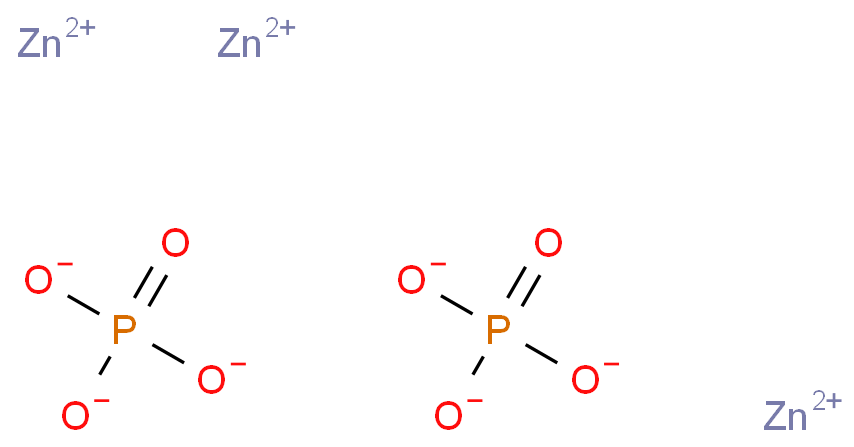
Active anticorrosive pigments such as zinc phosphate Zn3(PO4)2·xH2O (CAS 7779-90-0) protect steel electrochemically and chemically. In the presence of moisture, phosphate ions react with iron ions at anodic sites to form insoluble iron-phosphate complexes that seal the corrosion cell, while zinc cations precipitate as sparingly soluble hydroxides at cathodic sites:
The result is a stable, self-repairing conversion layer that suppresses underfilm creep even when the coating is scratched. Unlike the legacy chromate and lead-based pigments they replaced, zinc phosphate is classified as non-hazardous under EU CLP and is the workhorse anticorrosive for ASTM B117 salt-spray primers.
Complex inorganic colored pigments (CICPs) — mixed-metal oxides such as chromium iron oxide and cobalt chrome aluminate — absorb visible light to give deep, durable color while reflecting most of the solar near-infrared (roughly 700–2500 nm), which carries over 50% of solar energy. A black CICP roof coating can reflect 25–30% of total solar radiation versus under 5% for carbon black, cutting surface temperatures by 15–25 °C and reducing cooling loads. Rutile titanium dioxide (TiO2, CAS 13463-67-7) plays a dual role here as well, as discussed in the titanium dioxide encyclopedia entry, because rutile combines extreme visible opacity with strong UV absorption and high NIR reflectance.
Functional pigments divide into four families according to the job they do inside the dried film: fighting corrosion, managing radiative heat, carrying electrical current, and purifying air. Within each family the chemistry choice trades off activity, cost, color latitude and regulatory profile. The summaries below cover the representative products and the practical limits formulators run into in the lab.
The modern toolbox is built around zinc phosphate (CAS 7779-90-0) as the workhorse, surrounded by higher-activity derivatives: zinc aluminum polyphosphates, zinc molybdate–phosphate hybrids, calcium-exchanged silica (ion-exchange inhibitors that release Ca2+ on demand), organic inhibitor hybrids, and lamellar barrier pigments such as micaceous iron oxide (MIO, CAS 1317-60-8). At the extreme end, metallic zinc dust primers (zinc-rich, zinc dust CAS 7440-66-6) protect galvanically by sacrificing themselves to keep the steel substrate cathodic. Mechanistically, phosphates passivate anodic sites, zinc and calcium ions plug cathodic sites, and platelet-shaped MIO forces water and oxygen through a tortuous path. Limitations: phosphate pigments act more slowly than the chromates they replaced, so early salt-spray results (first 250–500 h) look weaker; typical dosage is 5–15% on total formula; and activity depends on the film staying mildly permeable so inhibitor ions can migrate to the metal interface.
This family combines rutile TiO2 for white and pastel shades with complex inorganic colored pigments (CICPs, mixed-metal oxide spinels) for dark colors: chromium iron oxide brown (Pigment Brown 29, CAS 12737-27-8), cobalt chromite green (Pigment Green 26, CAS 68186-92-9), copper chromite black (Pigment Black 28, CAS 68186-97-4) and cobalt chromite aluminate blue (Pigment Blue 36, CAS 68186-94-1). Their crystal lattices absorb visible light for color but the metal–oxygen bonds do not vibrate in the near-infrared, so 700–2500 nm radiation is reflected instead of converted to heat. Thermally conductive fillers such as aluminum oxide and hexagonal boron nitride form a separate sub-family for conductive-heat management in electronics and LED encapsulants. Limitations: CICPs cost five to twenty times more than ordinary iron oxides, tint strength is low, and any attempt to shade the shade with carbon black collapses total solar reflectance (TSR) — a 1% carbon black addition can cut TSR by 20 points.
Conductive pigments build an electron-transport network inside an insulating binder. Options include conductive grades of carbon black (CAS 1333-86-4) with high structure and surface area, graphite flakes, antimony-doped tin oxide (ATO) coated mica or titanium dioxide for transparent or light-colored systems, and silver-coated substrates where cost is secondary. Below the percolation threshold the film remains insulating; above it, surface resistance drops abruptly by several orders of magnitude. Practical loadings are 8–25% depending on pigment structure, targeting surface resistance of roughly 106–109 Ω for electrostatic-discharge (ESD) floor coatings per IEC 61340-5-1. Limitations: carbon black locks the formulation into gray or black, dispersion demands care because over-grinding deagglomerates conductive structure, and the steep percolation curve makes batch-to-batch resistance highly sensitive to small loading or milling errors.
Photocatalytic grades of anatase titanium dioxide (CAS 1317-70-0) absorb UV light, generating electron–hole pairs that react with water and oxygen at the crystal surface to form reactive oxygen species (hydroxyl and superoxide radicals). These radicals oxidize airborne nitrogen oxides (NOx), sulfur oxides and volatile organic compounds into nitrates and CO2, and they break down organic dirt so rain rinses the surface “self-clean.” Photocatalytic facades and concrete are now qualified against ISO 22197-1 (NOx removal). The critical limitation is that the same radicals attack organic binders: anatase in an acrylic or epoxy film causes rapid chalking, so photocatalytic pigments are restricted to silicate (mineral) paints, cementitious finishes, or sandwiched under inert binder layers where the catalyst sits at the exposed surface only. Doped grades (nitrogen- or carbon-doped TiO2) extend activity into the visible spectrum for interior air-purifying paints.
| Pigment (CAS) | Functional Class | Primary Mechanism | Typical Loading | Key Limitation | Main Applications |
|---|---|---|---|---|---|
| Zinc phosphate (7779-90-0) | Corrosion inhibitor | Anodic passivation by iron–phosphate complexation | 5–15% of primer | Slower than chromates in early salt spray | Epoxy/alkyd anticorrosive primers, coil primers |
| Micaceous iron oxide (1317-60-8) | Lamellar barrier | Tortuous diffusion path; UV screening | 20–40% of film | Dark gray color; platelets fracture under high shear | Marine and industrial one-coat systems, bridges |
| Rutile TiO2 (13463-67-7) | Opacifier + NIR reflector | Refractive-index light scattering; UV absorption | 15–30% | Untreated grades chalk; poor near-UV opacity in tints | White and pastel cool coatings, all exterior paints |
| Chromium iron oxide brown, PBr29 (12737-27-8) | CICP NIR-reflective colorant | Visible absorption + NIR reflection | 5–15% | High cost; low tint strength vs organics | Cool-roof earth tones, vinyl siding, coil coatings |
| Conductive carbon black (1333-86-4) | Conductive / antistatic | Electron transport through percolating network | 8–25% | Locks color to black; steep loading sensitivity | ESD floor coatings, primers for plastics, EMI shielding |
| Hexagonal boron nitride (10043-11-5) | Thermally conductive | Phonon transport through percolating network | 30–60 wt% | Cost; severe viscosity build at high loading | Electronics encapsulants, thermal interface coatings |
| Anatase TiO2, photocatalytic (1317-70-0) | Photocatalytic / air purifying | UV-driven radical oxidation of NOx and VOCs | 2–10% | Degrades organic binders (chalking) | Depolluting facades, cementitious and silicate paints |
Almost every functional pigment decision reduces to one variable: pigment volume concentration relative to the critical pigment volume concentration (CPVC). Below CPVC, pigment particles are fully wetted by binder and the film is dense; above CPVC, air occupies the interstices and film properties break sharply — permeability climbs, corrosion resistance falls, gloss drops and tensile strength collapses. Barrier and anticorrosive coatings are therefore formulated at 0.8–0.9 × CPVC, while zinc-rich primers deliberately sit above CPVC so zinc particles make electrical contact. Thermally conductive and conductive systems also push loading toward and past the percolation threshold, accepting the viscosity and embrittlement penalty.

Figure 3. Film properties change abruptly at the critical pigment volume concentration (CPVC); functional pigments sit on both sides of this cliff on purpose.
Estimate CPVC from pigment oil absorption (ASTM D281) and density, then confirm with a PVC ladder of drawdowns checked for blistering, adhesion (ASTM D3359) and salt-spray creep (ASTM B117 / ASTM D1654). A representative two-part epoxy zinc phosphate primer illustrates the balance points:
| Component | Function | wt% |
|---|---|---|
| Bisphenol-A epoxy resin (EEW 475–550) | Binder (Part A) | 20.0 |
| Zinc phosphate (CAS 7779-90-0) | Active corrosion inhibitor | 12.0 |
| Rutile TiO2 (CAS 13463-67-7) | Opacity and NIR reflectance | 8.0 |
| Barytes (BaSO4) + talc | Extenders; low oil absorption | 23.0 |
| Dispersant, defoamer, thixotrope | Grind and anti-sag control | 3.0 |
| Xylene / n-butanol blend | Processing solvent (Part A) | 18.0 |
| Polyamide curing agent + xylene | Part B | 16.0 |
| Jurisdiction / Body | Regulation or Standard | Relevance to Functional Pigments |
|---|---|---|
| United States (EPA) | TSCA inventory (15 U.S.C. 2601); 40 CFR Part 59 VOC rules | All pigments must be on the TSCA inventory; functional pigments are 100% solids, so VOC limits drive binder and solvent selection around them. |
| United States (OSHA) | HazCom 29 CFR 1910.1200 (GHS); dust PELs | Powder handling requires dust control; respirable TiO2 and pigment dusts carry occupational exposure limits and GHS labelling duties. |
| European Union | REACH (EC 1907/2006); CLP (EC 1272/2008) | Zinc phosphate, MIO, CICPs and boron nitride are REACH registered and largely non-classified; supplier REACH registration numbers should be on file. |
| European Union | Decopaint Directive 2004/42/EC; EU Ecolabel | VOC ceilings push anticorrosive and facade coatings toward waterborne or high-solids systems — test functional pigments for waterborne compatibility. |
| Corrosion performance standards | ASTM B117, ASTM D1654, ISO 9227, ISO 12944 | Qualify zinc phosphate primers against ISO 12944 durability classes (C1–CX) with salt-spray and cyclic tests; ISO 12944-9 covers offshore CX service. |
| Cool-roof programs | CRRC rating; ENERGY STAR (retired 2022, legacy listings); California Title 24 | Cool coatings need aged solar reflectance and thermal emittance data (ASTM E903/E1918, SRI via ASTM E1980) to earn code credits and listings. |
| Air-purification standards | ISO 22197-1; IEC 61340-5-1 | ISO 22197-1 measures NOx removal by photocatalytic materials; IEC 61340-5-1 defines ESD resistance ranges that conductive floor coatings must meet. |
Yes, but rarely as a one-for-one drop-in. Zinc phosphate is non-toxic and REACH-friendly, yet its inhibitor ions leach more slowly, so modern primers blend it with synergists — zinc molybdate-phosphate, calcium-exchanged silica or organic inhibitors — to match chromate-level performance. Systems qualified to ISO 12944 C4–C5 and even CX (ISO 12944-9 offshore) now routinely use phosphate-based packages at 10–15% loading, validated by 1,440-hour-plus cyclic and salt-spray testing.
Replace carbon black and organic tinters with CICP mixed-metal-oxide pigments — Pigment Black 28 or Brown 29 blacks and browns that reflect 25–45% of the NIR while keeping the visible black appearance. Load the film with NIR-transparent extenders, use IR-reflective primers or substrates so reflected NIR is not re-absorbed, and verify with total solar reflectance measurement (ASTM E903) before and after accelerated weathering, since dirt pickup, not pigment failure, is the usual cause of losing a CRRC rating.
For surface resistance in the dissipative range of 106–109 Ω (IEC 61340-5-1), highly structured conductive carbon blacks typically percolate at 8–15% by weight; less structured grades may need 20–25%. Because resistance drops several orders of magnitude across a narrow loading window, always run a loading ladder and measure resistance at defined points on the cured film. For light-colored floors, mica platelets coated with antimony-doped tin oxide provide conductivity without black color, at higher cost.
No — and this is the classic formulation trap. The hydroxyl radicals that oxidize NOx and VOCs indiscriminately attack the carbon backbone of acrylic, epoxy, alkyd and polyurethane binders, causing chalking and film erosion. Photocatalytic pigment belongs in silicate/mineral paints, cementitious renders and concrete, in clear inorganic binder layers, or as a surface treatment where a sacrificial thin film is acceptable. Conventional weatherable paints use rutile TiO2 with silica/alumina surface treatment specifically to suppress photocatalytic activity.
|
 |
 |
|
 EN
EN
 Agricultural News
 Food News
 Industrial News
 Cosmetic News
 Pharmaceutical News
 Science News

 1YR
1YR


