-
We detected your language preference as English. Would you like to switch to the English version for a better experience?
Switch to English
Stay here


The global NR-Cl market is on a steep growth curve, projected to expand at a CAGR of 8.3% to reach US$ 44.8 million by 2031. But as demand skyrockets, the manufacturing supply chain is hitting severe bottlenecks around key intermediates. This in-depth guide—tailored for procurement directors and compliance QA managers—provides actionable risk‑mitigation strategies: auditing GMP-compliant nicotinamide riboside chloride manufacturers, structuring bulletproof sourcing contracts, and building a 70/30 dual‑sourcing supply framework.

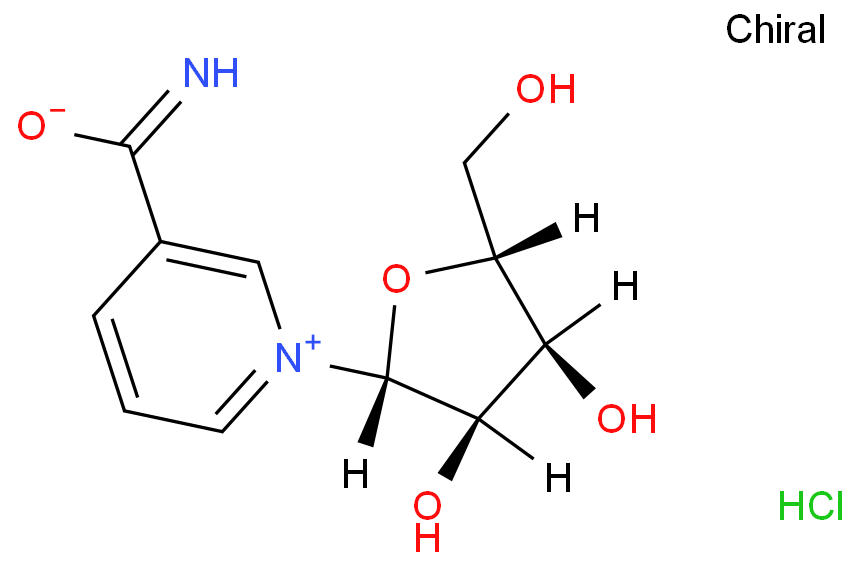
For procurement managers, the most critical question is not "which supplier has stock," but "how many tons of core intermediates are actually leaving the reactor every month?" The global supply of Nicotinamide Riboside Chloride (NR‑Cl, CAS 23111‑00‑4) remains severely constrained by upstream intermediate bottlenecks, specifically the synthesis of D‑ribofuranose tetra‑acetate (tetraacetyl ribose) and the subsequent triacetylated NR intermediate. One of the few documented pathways, originating from ChromaDex’s GRAS notice, involves a two‑step chemical synthesis: first, D‑ribofuranose tetra‑acetate reacts with gaseous hydrogen chloride to yield nicotinamide‑D‑riboside triacetate chloride; second, the triacetate intermediate undergoes deacetylation in the presence of ammonium hydroxide to yield final NR‑Cl.[1]
The entire capacity of the global NR‑Cl chain thus rests on the production lines of tetraacetyl ribose—a niche intermediate with only a handful of chemical plants worldwide capable of producing it at pharmaceutical grade. When one of these plants undergoes maintenance or faces feedstock shortages, lead times for NR‑Cl can stretch from 4‑6 weeks to more than 12 weeks, creating immediate spot‑market shortages.
Source: Wu et al., Molecules 2021, 26(9), 2729[2]
Beyond intermediate bottlenecks, downstream crystallization technology imposes a second layer of constraint. NR‑Cl exists in at least three distinct crystalline forms: anhydrous Form A and Form B (true polymorphs) and a methanolate solvate Form C.[2] The most stable polymorph, Form B, requires precise, controlled crystallization conditions—any deviation yields mixed forms or amorphous product, failing GMP specifications for dissolution rate and stability. Suppliers lacking proprietary crystallization platforms face batch failure rates exceeding 15‑20%, directly impacting lead times and spot availability.
The tension between domestic and overseas sourcing is no longer just a cost calculation—it is a risk‑exposure calculation. Asia‑Pacific commands approximately 39% of the global NR market, with North America following at 35% and Europe at 16%.[3] While overseas sourcing from China or India may offer lower per‑kilogram pricing, hidden costs accumulate rapidly.
For buyers operating CDMOs or branded supplement lines, total cost of ownership (TCO) must include: maritime freight and insurance, cross‑border warehousing, import tariffs (subject to U.S. tariff fluctuations), and the risk cost of capital locked in 4‑6 weeks of in‑transit inventory. In contrast, domestic sources deliver within 3‑5 days, enabling just‑in‑time inventory and flexible batch scaling. For startups launching a new supplement brand, that inventory flexibility can mean the difference between a successful launch and a stockout during critical promotion.
The Compliance and Audit Matrix: Validating GMP Nicotinamide Riboside Chloride Supply and Sourcing Strategies
In 2026, the regulatory bar for NR‑Cl has been permanently raised. The United States Pharmacopeia (USP) has published the first‑ever dietary supplement monograph for Nicotinamide Riboside Chloride, codifying official standards for identity, purity, potency, and testing methods.[4] Any supplier claiming USP compliance must now meet rigorous specifications including residual solvent limits (acetone ≤3000 mg/kg, methanol ≤740 mg/kg), heavy metals (arsenic ≤1 mg/kg, lead ≤0.5 mg/kg, mercury ≤1 mg/kg), microbial limits, and defined assay specifications.[1]
For compliance QA managers, the due diligence checklist should mandate at least the following documentation before approving any new NR‑Cl supplier:
Manufacturing Tier Verification: Who Offers GMP Nicotinamide Riboside Chloride Supply?
Not all NR‑Cl manufacturers operate at the same quality tier. The gap between “bulk chemical grade” and “true cGMP‑compliant” is vast and often invisible on a spec sheet. A true GMP facility maintains segregated production zones, validated sterile piping systems, HEPA‑filtered air handling units, and a fully documented quality management system with batch‑level traceability. Leading players include ChromaDex (patented Niagen®), Gihi Chemicals, Acechem, Maintain Biotech, and Jinan Honest Pharm, with the top three players holding over 60% of the global market.[3][7] Buyers should verify third‑party certifications such as ISO 9001:2015, ISO 22000:2018, NSF cGMP, Kosher, Halal, and, most critically, an on‑site cGMP audit report from the past 24 months.
Scaling Strategy: Should Startups Choose Bulk Nicotinamide Riboside Chloride Supply?
For startups and emerging supplement brands, the temptation to skip directly to bulk pricing is dangerous. While tier‑pricing for 500+ kg MOQs may drop unit cost by 30‑40%, the capital lock‑up and inventory degradation risk are real. NR‑Cl is hygroscopic and prone to hydrolysis; in lyophilized form it is stable for 36 months at –20°C, but in aqueous solution potency declines rapidly—solutions should not be stored beyond one day at room temperature, and liquid stock solutions lose activity within weeks if not frozen.[5] A smarter scaling model for early‑stage brands follows the “pilot batch → price‑locked framework agreement → just‑in‑time call‑offs” approach: start with 10‑25 kg batches to validate formulation and market response, then secure a master supply agreement (MSA) with annual volume commitments but staggered monthly releases, ensuring batch‑to‑batch consistency without tying up working capital.
Contract Architecture and Risk Mitigation: Securing the Best Nicotinamide Riboside Chloride Supply Contract
Commercial Benchmarking: How Should Buyers Compare Nicotinamide Riboside Chloride Supply Pricing?
Raw quoted price is a trap. A robust procurement analysis must decompose total invoice cost to reveal hidden line items. Based on market benchmarks for 2025‑2026, research‑grade NR‑Cl in small quantities commands roughly $62‑$622 for 5‑100g packs, while bulk GMP‑grade pricing for tonnage orders negotiates substantially lower—always requesting a full landed‑cost breakdown. Key hidden costs include: HPLC testing and certificate fees ($200‑$800 per batch); dry‑ice or inert‑gas packaging for temperature‑sensitive shipments; international freight insurance (typically 1‑3% of cargo value); and third‑party verification lab fees for independent COA confirmation. Any price significantly below market averages without transparent cost justification likely signals compromised purity, incorrect polymorph form, or omitted regulatory documentation.
Legal & Sourcing Frameworks: What Is the Best Nicotinamide Riboside Chloride Supply Contract?
An industry‑grade Master Supply Agreement (MSA) for NR‑Cl should contain at least four critical protections. First, a price adjustment mechanism that references public indices for key raw materials (e.g., ribose and nicotinamide precursors) rather than allowing unilateral supplier increases. Second, defined Service Level Agreements (SLAs) including batch acceptance criteria (≥99% purity by HPLC, passing residual solvents), defect tolerance threshold (≤1% of shipments failing release tests per rolling 12 months), and liquidated damages for delayed delivery—for example, 2% of contract value per week of delay after an initial grace period. Third, a binding dispute resolution clause specifying an independent third‑party laboratory—such as a USP‑recognized lab or Eurofins—to arbitrate any quality disagreement, with the losing party bearing all testing and arbitration costs. Fourth, a right‑to‑audit provision allowing the buyer or its designated agent to conduct unannounced cGMP audits of the supplier’s manufacturing facility once per calendar year.
Algorithmic Logistics: Which Nicotinamide Riboside Chloride Supply Option Is Most Reliable?
The most resilient supply model for NR‑Cl is not a single source—it is a structured dual‑source model. Allocate 70% of forecasted volume to a primary GMP‑audited supplier that has passed full quality and compliance screening, and reserve 30% as a strategic buffer with a pre‑qualified secondary supplier. This 70/30 split protects against both sudden capacity loss (if the primary supplier faces a production line breakdown) and pricing pressure (creating negotiating leverage at contract renewal). Using Guidechem’s global chemical supplier database, procurement teams can proactively maintain a backup vendor pool of at least two additional cGMP‑certified NR‑Cl manufacturers, with current COAs and commercial quotes updated quarterly. When the primary supplier extends lead times beyond contractual limits, the buyer can immediately pivot to the secondary source without halting production lines.
Eliminate guesswork with a disciplined reorder point (ROP) formula that accounts for NR‑Cl’s unique degradation behavior. The standard ROP equation—ROP = (Daily Usage × Lead Time) + Safety Stock—must be modified with two degradation‑adjustment factors: a shelf‑life modifier (ShelfLifeₗᵢₘᵢₜ) and a maximum warehouse capacity cap (StorageCapₘₐₓ). For a manufacturer consuming 10 kg of NR‑Cl daily, with a supplier lead time of 21 days and safety stock of 60 kg, the baseline ROP calculates as 270 kg. However, because NR‑Cl has a maximum recommended storage period of 36 months when lyophilized at –20°C but less than 12 months in warehouse conditions above 25°C (ChromaDex’s stability studies confirm 11‑month stability at 25°C/60% relative humidity), the formula must ensure that total warehouse inventory never exceeds the volume that can be consumed before the oldest batch crosses its stability‑validated limit. This mathematically prevents both stockouts and costly write‑offs of expired material.[1] Rolling 12‑month demand forecasts should incorporate historical sales trends, upcoming promotional campaigns, and a planned safety multiplier for anticipated supply chain disruptions.
References
[1] FDA. Agency Response Letter GRAS Notice No. GRN 000635: Nicotinamide riboside chloride (NR). August 3, 2016. https://www.fda.gov/food/gras-notice-inventory/agency-response-letter-gras-notice-no-grn-000635
[2] Wu, D., Wu, B., Wei, P. Polymorphism of Nicotinamide Riboside Chloride and Crystal Structure Determination of the Most Stable Crystalline Form. Molecules. 2021, 26(9), 2729. https://doi.org/10.3390/molecules26092729
[3] QYResearch. Global Nicotinamide Riboside (NR) Market Outlook, In‑Depth Analysis & Forecast to 2031. July 2025. https://www.qyresearch.com
[4] SupplySide Supplement Journal. Nicotinamide riboside chloride added to US Pharmacopeia. April 10, 2026. https://www.supplysidesj.com/certification/niagen-bioscience-usp-collaborate-on-first-ever-monograph-for-nicotinamide-riboside-chloride
[5] Adooq Bioscience. Nicotinamide riboside chloride Product Data Sheet. https://www.adooq.com/nicotinamide-riboside-chloride.html
[6] ChromaDex. GRAS Notice for Nicotinamide Riboside Chloride (GRN 635). https://www.fda.gov/media/134793/download
[7] QYResearch. Global Nicotinamide Riboside Chloride Sales Market Report, Competitive Analysis and Regional Opportunities 2025-2031. February 2025.
FAQs
Q1: What documentation should I request when auditing a Nicotinamide Riboside Chloride manufacturer?
Request at minimum: current COA with HPLC assay, residual solvents (methanol ≤740 mg/kg, acetone ≤3000 mg/kg), heavy metals (As ≤1 ppm, Pb ≤0.5 ppm, Hg ≤1 ppm); DMF registration or evidence of FDA-registered facility; stability data confirming ≥36 months shelf‑life at –20°C; cGMP certification (NSF or equivalent); TSE/BSE non‑animal statement; and third‑party identification of crystalline Form B by XRPD if purity >99% is claimed.
Q2: How should I structure a supply contract to protect against price volatility and quality failures?
Include price adjustment clauses linked to public raw‑material indices; SLAs with defect tolerance ≤1%, liquidated damages for delayed delivery (e.g., 2% of contract value per week), and binding dispute resolution via a pre‑designated independent lab (USP‑recognized or Eurofins). A right‑to‑audit clause allowing unannounced cGMP facility inspections is also essential.
Q3: What is the ideal sourcing model for a startup launching an NR‑Cl supplement?
Start with pilot batches of 10‑25 kg to validate formulation and market response, then secure a master supply agreement with annual volume commitment but staggered monthly call‑offs. Avoid bulk purchases above 500 kg until demand is proven, as high capital lock‑up and NR‑Cl’s shelf‑life constraints pose significant financial risk.
Optimizing Your Nicotinamide Riboside Chloride Sourcing Strategy?
Looking for stable, high‑purity Nicotinamide Riboside Chloride (CAS 23111‑00‑4) with USP monograph compliance and full cGMP documentation? Discover why leading global supplement brands and CDMOs choose our premium supply chain solutions—including GMP‑audited manufacturing partners, flexible call‑off contracts, and full regulatory support.
 |
|
 |
 |
 |
 |
 EN
EN
 Agricultural News
 Food News
 Industrial News
 Cosmetic News
 Pharmaceutical News
 Science News

 2YRS
2YRS

