Daily Chemical Market Price Overview for September 20, 2026: Carbon Black rose 18.8% weekly, Dimethyl Carbonate gained 6.11%, and Asphalt increased 3.2%, highlighting supply constraints and strong market momentum.GuideView17 MIN READSeptember 20, 2026
Daily Chemical Market Price Overview — September 20, 2026
The latest daily chemical price update highlights differentiated price movements across major sectors including
Basic Chemicals,
Fine Chemicals,
Energy,
Plastics, and
Rubber. This report reviews daily, weekly, and monthly price changes to identify short-term market momentum, supply-side constraints, cost transmission, and emerging downstream demand resistance across the chemical supply chain.
Market focus today centered on the continued strength of
Carbon Black,
Dimethyl Carbonate, and
Asphalt, while several previously strong products showed signs of high-price consolidation. Energy markets remained volatile, Plastics faced increasing downstream cost resistance, and selected specialty chemicals continued to show relatively stable pricing conditions.
Carbon Black recorded the strongest daily-to-weekly price momentum among the products covered in today’s market, with prices unchanged on the latest day but weekly gains reaching 18.8%. The sharp weekly increase reflects tight supply, elevated coal-tar feedstock costs and reduced operating rates at some Carbon Black producers. The monthly gain of 27.22% confirms that the market remains under significant supply-side cost pressure.
Dimethyl Carbonate maintained strong weekly momentum, rising 6.11% despite a 0.99% daily correction. The market has gained 38.29% over the month, making DMC one of the strongest cumulative movers in the current chemical market. The recent daily decline suggests that buyers are becoming more cautious at elevated price levels, while upstream cost support and earlier supply tightness continue to underpin the market.
Asphalt posted the strongest daily gain among the major Energy products, rising 3.2% to CNY 6,350/ton. The market is also up 8.74% over the week and 26.81% over the month, indicating a sustained upward trend rather than a single-session rebound. Tight refinery supply, lower inventories and seasonal construction demand are providing additional support beyond the broader crude oil cost effect.
Basic chemicals remained broadly firm, but the market showed a clear shift from broad-based price increases toward
high-level consolidation and increasing divergence between individual value chains. Daily movements were generally limited, with most products either stable or fluctuating within 1–3%, while several products continued to show substantial weekly and monthly gains.
Acetic acid, Methanol, Acetone, Ethylene glycol, Formaldehyde, Benzene, Toluene and Xylene remained the main products with significant monthly appreciation, while
Sulfur, Sulfuric acid, Cobalt, Nickel, Phenol and Propylene glycol were comparatively weaker. The latest market developments suggest that supply-side tightness and elevated feedstock costs are still supporting selected products, but high absolute prices are increasingly limiting downstream purchasing power. The market is therefore moving into a stage where
inventory position, operating rates and actual replenishment demand are becoming more important than simple cost-driven price increases.
The acetic acid chain remained one of the strongest segments. Acetic acid was unchanged at CNY 4,403/ton in the latest daily assessment, but its weekly and monthly gains remained substantial at 12.21% and 22.63%, respectively. Acetic anhydride also held near CNY 7,050/ton, with weekly and monthly gains of 10.47% and 18.02%. The magnitude of the cumulative increases is more important than the latest daily movement: both products have entered a significantly higher price regime compared with one month earlier. Recent market developments support the view that the upstream market remains tight. South China acetic acid prices increased again on September 20, with producer inventory pressure remaining limited and methanol feedstock prices staying elevated. Downstream buyers continued to purchase mainly according to immediate requirements, suggesting that the current price strength is being supported more by
restricted availability and firm producer sentiment than by aggressive speculative demand. The key issue for the next phase is whether downstream users will accept the higher acetyl-chain cost or begin to reduce operating rates.
Ethyl acetate remained supported by the strength of its upstream feedstock chain, although the pace of appreciation has moderated. Ethyl acetate was stable at CNY 6,713/ton in the latest assessment, while its weekly and monthly gains remained at 5.85% and 9.58%. Recent market data showed East China ethyl acetate prices moving higher into September 18, with producer operating rates around 51.08%. The combination of firm acetic acid costs and relatively controlled operating rates has limited the willingness of producers to aggressively lower offers. However, the absence of a fresh daily increase despite the strong monthly gain indicates that
downstream affordability is becoming a constraint. This is an important distinction from the earlier phase of the rally: upstream cost support remains intact, but additional price increases increasingly require actual spot procurement rather than merely higher replacement costs.
The phenol-ketone chain showed a more complicated balance between cost support and downstream margin pressure. Acetone edged up 0.15% to CNY 8,688/ton, but its monthly increase reached 26.05%, making it one of the strongest performers in the entire Basic Chemicals basket. Recent market developments indicate that acetone prices had temporarily moved above CNY 9,000/ton before high raw-material costs began to compress the profitability of downstream BPA, MMA, isopropanol and MIBK producers. As downstream users became increasingly reluctant to absorb additional costs, the acetone market subsequently moved into a volatile consolidation phase, with Jiangsu prices around CNY 8,700–8,850/ton on September 20. This suggests that
Acetone has moved from a pure supply-driven rally into a margin-sensitive phase. Further upside will increasingly depend on replenishment demand and producer inventory rather than on cost support alone. Phenol, meanwhile, fell 1.09% to CNY 9,100/ton, with a more moderate monthly gain of 7.00%, further highlighting the divergence within the phenol-ketone chain.
Methanol became one of the most important upstream signals in the current Basic Chemicals market. Methanol rose 2.92% to CNY 4,083/ton, extending its weekly gain to 8.52% and its monthly gain to an exceptional 32.38%. The latest industry information indicates that domestic methanol producers have been under sustained margin pressure and have responded by reducing operating rates. By September 10, domestic methanol operating rates had fallen to around 82.89%, 7.83 percentage points below the late-June high, while weekly domestic output was around 1.87 million tons and imports had contracted to approximately 100,000 tons. This combination of reduced production incentives and limited import availability has created a tighter supply balance. The significance of Methanol extends beyond its own price: its continued strength increases the cost pressure on downstream chains such as
Acetic acid, Formaldehyde and chloromethanes, and therefore represents an important transmission channel within the Basic Chemicals market.
Formaldehyde also showed unusually strong medium-term momentum. Although the latest price declined 0.69% to CNY 1,738/ton, the product remained 4.01% higher week-on-week and 27.05% higher month-on-month. The contrast between the small daily correction and the very large monthly increase suggests that the market is beginning to consolidate after a rapid repricing. The strength of Methanol, the primary feedstock for formaldehyde production, provides a relatively firm cost floor. However, because Formaldehyde is heavily dependent on downstream construction materials, resins and panel-related demand, further price appreciation requires stronger end-user procurement. The current data therefore points to
cost-driven firmness combined with increasing resistance from downstream margins, rather than an unqualified demand-led rally.
The aromatics complex remained structurally strong on a monthly basis, but short-term momentum weakened. Benzene increased 1.23% to CNY 9,584/ton and remained 18.88% higher than one month earlier. Toluene and Xylene, however, both declined on the day, falling 0.61% and 0.85% to CNY 8,167/ton and CNY 8,527/ton, respectively. Despite these daily declines, their monthly gains remained very large at 19.26% and 21.65%. This combination of
large monthly appreciation and negative daily movement is an important indication that the aromatics market is entering a consolidation phase. Recent xylene market information showed weaker downstream purchasing, softer refinery sales performance and a relatively low MX-PX spread, with buyers mainly replenishing according to rigid demand. The market therefore retains a high cost base, but further price increases are becoming more difficult to sustain without stronger downstream demand. PX remained unchanged at CNY 9,800/ton, with a weekly gain of 4.63% and monthly gain of 9.47%, suggesting that the downstream polyester-related chain is currently more balanced than the upstream aromatics segment.
The ethylene chain remained firm, although the latest session showed limited price movement. Ethylene glycol was unchanged at CNY 6,683/ton, but its monthly increase remained substantial at 23.06%. Ethylene oxide also held at CNY 9,200/ton, with a weekly increase of 7.51% and monthly gain of 13.55%. The combination suggests that the upstream ethylene-oxide/glycol complex remains supported at a relatively high level. Importantly, the latest market information indicates that tight spot availability of ethylene oxide has continued to support downstream monomer prices, while ethylene glycol has also maintained an upward trend. However, the absence of a daily increase in both products suggests that buyers are increasingly adapting to the higher price level. The market is therefore showing
high-level stability rather than accelerating momentum.
Chloromethanes presented a particularly clear example of cost-versus-demand tension. Dichloromethane increased 2.53% to CNY 2,430/ton, bringing its weekly and monthly gains to 5.27% and 7.46%, while Chloroform remained unchanged at CNY 2,383/ton but retained a 9.79% weekly gain. Recent market developments showed that chloromethane prices initially weakened because downstream purchasing was insufficient and traders were reluctant to chase high prices. However, elevated Methanol and liquid chlorine costs pushed producers into negative margins, reducing their willingness to make further concessions. By September 20, lower industry operating rates, pre-holiday replenishment and reduced regional inventory pressure allowed Dichloromethane prices to rebound. The current market therefore has a relatively clear floor created by
producer losses and high replacement costs, while the upside remains constrained by the still-cautious downstream market.
Hydrogen peroxide was another product with strong accumulated momentum. The price remained unchanged at CNY 750/ton in the latest assessment, but its weekly and monthly gains reached 11.46% and 13.14%. The absence of a daily increase following such a strong weekly movement suggests that the market is temporarily consolidating at elevated levels. Similar to several other Basic Chemicals products, the key question is whether downstream consumption can validate the higher price level. If downstream users continue to replenish only against immediate production requirements, further upside may be limited even if producer offers remain firm. The current structure is therefore more consistent with
tight supply and high replacement costs supporting a price floor than with an accelerating demand-led rally.
The sulfur and sulfuric acid chain moved decisively against the broader trend. Sulfur remained unchanged at CNY 7,669/ton but was already down 6.85% week-on-week and 11.71% month-on-month. Sulfuric acid fell a further 4.14% to CNY 1,738/ton, extending its weekly and monthly declines to 1.03% and 3.40%. Recent market information indicates that domestic sulfuric acid supply utilization has been recovering, while the decline in sulfur costs has further weakened producer cost support. Phosphate fertilizer operating rates showed some improvement, but this has not been sufficient to offset the increase in sulfuric acid supply. The market is therefore shifting from the earlier cost-tightness narrative toward
oversupply and margin compression. This is particularly important for Phosphoric Acid, which was unchanged at CNY 8,338/ton but remained down 2.62% over the month, indicating that the weakness in the sulfur-sulfuric acid chain is gradually feeding into the broader phosphate-related complex.
Battery-related metals continued to diverge from the stronger chemical chains. Cobalt remained unchanged at CNY 282,700/ton, but its weekly and monthly changes were -3.37% and -9.06%, respectively. Nickel was also unchanged at CNY 125,867/ton, while remaining 2.09% lower on a weekly basis and 1.86% lower over the month. The lack of a daily decline should not be interpreted as a recovery: both products remain below their recent levels on a cumulative basis. The current pattern suggests that battery-material buyers are still exercising caution, while supply and procurement dynamics are weighing more heavily than the broader cost pressures visible in petrochemical products. This divergence reinforces the view that the Basic Chemicals market cannot be treated as a single commodity cycle, with
different value chains increasingly responding to their own inventory, margin and downstream-demand fundamentals.
Other products showed a similar pattern of high-level consolidation. Propylene declined 0.62% to CNY 9,641/ton, while Propylene glycol fell 1.37% to CNY 9,567/ton. Nevertheless, Propylene remained 13.34% higher on a monthly basis. Calcium chloride held at CNY 1,363/ton but remained 17.35% higher than one month earlier. Hexane increased 2.23% to CNY 10,325/ton, with weekly and monthly gains of 6.61% and 9.69%, while Aniline rose 0.73% to CNY 13,725/ton and remained 10.66% higher monthly. These movements indicate that even where the latest daily direction is mixed, a significant portion of the Basic Chemicals basket remains priced materially above its level one month earlier.
Overall,
the latest Basic Chemicals market is best characterized as a high-price, high-differentiation environment rather than a uniform upward cycle. The strongest structural momentum remains concentrated in
Methanol, Acetic acid, Acetic anhydride, Acetone, Ethylene glycol, Formaldehyde, Benzene, Toluene and Xylene, all of which have recorded double-digit monthly gains. However, several of these products are now showing limited or negative daily changes, indicating that downstream affordability is beginning to constrain additional upside. At the same time, products such as
Dichloromethane and Ethyl acetate continue to benefit from firm upstream costs and relatively controlled supply, while
Sulfur, Sulfuric acid, Cobalt and Nickel remain comparatively weak. The key market transition is therefore from broad cost-driven inflation toward a more fundamental
“supply tightness versus downstream margin” battle. In the near term, products with low inventories, reduced operating rates and firm producer discipline may continue to hold elevated price levels, but products with large accumulated gains are increasingly vulnerable to profit-taking and demand resistance. The next market signal to watch is therefore not simply whether prices rise or fall on a single day, but whether
actual downstream procurement and inventory replenishment can continue to validate the current elevated price structure.
Fine chemicals remained broadly stable on the latest assessment, but the market continued to show
significant differentiation between fast-moving specialty products and mature commodity-like fine chemicals. Most products recorded no daily price change, while
Dimethyl carbonate remained the standout performer despite a 0.99% daily correction, with weekly and monthly gains of 6.11% and 38.29%, respectively.
Dimethyl sulfoxide also remained firm, gaining 8.73% over the week, while Melamine, Sodium acetate and Oleic acid were largely stable. At the weaker end,
Potassium permanganate declined 4.02% on a weekly basis and Sodium metabisulfite remained slightly lower month-on-month. Overall, the fine chemicals market is increasingly characterized by
product-specific supply tightness, feedstock transmission and downstream margin sensitivity, rather than a broad-based demand recovery.
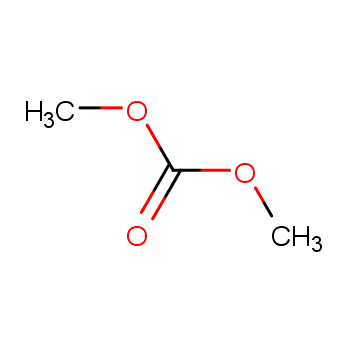
Dimethyl carbonate remained the most significant price story within the fine chemicals segment. DMC declined 0.99% to CNY 6,683/ton in the latest session, but its weekly gain remained at 6.11% and its monthly increase reached an exceptional 38.29%. The latest market data indicate that the product has entered a consolidation phase after a rapid repricing. In Shandong, DMC prices moved down from around CNY 6,150/ton on September 17 to approximately CNY 5,900–5,950/ton on September 18, reflecting weaker downstream purchasing and a decline in the profitability of the propylene oxide transesterification route. The weakening of Propylene glycol and Propylene oxide prices has also reduced immediate cost pressure on DMC producers. This suggests that the current DMC market is transitioning from a
supply-driven price surge toward a margin-sensitive correction. Nevertheless, the extremely large monthly increase indicates that the market remains at a substantially higher price level than one month ago. Further price movements will therefore depend increasingly on actual order recovery, plant operating rates and whether downstream users are willing to replenish inventories at the new cost level.
Dimethyl sulfoxide showed a different pattern, with short-term supply tightness becoming more important than long-term demand growth. DMSO remained unchanged at CNY 12,200/ton, while its weekly gain reached 8.73% and its monthly increase stood at 3.55%. Recent market assessments have shown considerable regional and grade-level price dispersion, with some quotations significantly below or above the prevailing market average. Such a wide spread indicates that
spot availability, product specification and supplier positioning are playing a major role in determining transaction prices. The recent weekly appreciation therefore appears to reflect a tightening in immediately available material and stronger producer offers rather than a broad acceleration in downstream consumption. The unchanged daily price after a strong weekly increase suggests that the market may currently be stabilizing after a short-term repricing.
Melamine remained stable, with upstream urea costs providing the main source of price support. Melamine held at CNY 6,263/ton, while its weekly and monthly changes remained relatively limited at 0.35% and 0.16%. Recent market data show that Chinese melamine prices moved to a slightly higher level during September before stabilizing around CNY 6,250–6,263/ton. The main support has come from the upstream urea market, where prices strengthened during September and increased the production cost of melamine. However, the completion of maintenance at several domestic melamine plants has improved supply availability, limiting the extent to which higher urea costs can be passed through to buyers. The current balance is therefore best described as
cost-supported stability rather than a demand-led rally. Unless downstream demand for resin, wood panels and related applications improves materially, the market is likely to remain relatively range-bound.
Citric acid remained one of the most stable products in the fine chemicals basket. The price was unchanged at CNY 6,200/ton, with no weekly or monthly movement in the reported series. Recent domestic market quotations have also remained around CNY 6,200/ton, although individual grades and suppliers show a wider quotation range. The relative stability reflects the mature nature of the citric acid industry and the importance of export markets. China remains a major global exporter of citric acid, with June 2026 exports reaching approximately 119.5 million kg compared with only around 39,000 kg of imports. This means that
international orders, export competitiveness and production capacity utilization are more important price drivers than short-term domestic industrial demand. The absence of significant price movement suggests that neither domestic supply nor export demand is currently creating sufficient imbalance to trigger a major repricing.
Organic acids remained largely stable, indicating limited near-term changes in supply-demand fundamentals. Glycolic acid remained at CNY 13,000/ton with no weekly or monthly change, while Lactic acid was unchanged at CNY 8,113/ton and gained only 0.30% over the month. These products have relatively specialized downstream applications, including personal care, pharmaceuticals, food ingredients and industrial formulations, and their pricing tends to respond more slowly to changes in broad commodity cycles. The lack of movement therefore suggests that current feedstock and downstream-demand conditions are broadly balanced. Compared with the sharp repricing seen in DMC, these products are currently exhibiting
low volatility and relatively stable producer-buyer negotiations.
Hydroquinone also remained completely stable at CNY 30,500/ton. The absence of daily, weekly and monthly movement suggests that the market is currently characterized by a relatively rigid pricing structure. Hydroquinone serves a range of specialized applications including polymerization inhibitors, photographic chemicals and selected personal-care formulations. Unlike highly commoditized chemicals, transactions in this market can be more specification-sensitive and less directly linked to short-term changes in broad chemical feedstocks. The current price stability therefore appears to reflect
balanced specialty demand and limited short-term supply-demand disruption, although the relatively high absolute price means that downstream users remain sensitive to procurement costs.
Potassium permanganate was one of the weaker fine chemicals. The price remained unchanged at CNY 15,500/ton on the latest day, but the weekly decline reached 4.02%, while the monthly change returned to 0%. The recent correction indicates that the market has lost some of the momentum seen earlier in the period. Because potassium permanganate demand is relatively diversified across water treatment, environmental applications and chemical processing, a sharp change in broad downstream demand is not necessarily required to move the market; changes in supplier inventory and purchasing schedules can have a relatively strong short-term impact. The current weekly decline therefore points toward
weaker short-term procurement rather than a structural collapse in demand.
Sodium metabisulfite remained under mild pressure after a period of elevated raw-material costs. The price held at CNY 3,943/ton, but weekly and monthly changes were -0.35% and -0.73%, respectively. Market assessments indicate that earlier price strength was supported by tighter spot availability and higher sulfur and soda ash costs. More recently, however, cost support has weakened while supply has become relatively sufficient, and downstream buyers have largely maintained rigid-demand procurement patterns. This has shifted the market toward weak consolidation. The relatively small decline in the current data suggests that the adjustment is orderly rather than aggressive, but
without a renewed increase in raw-material costs or stronger downstream orders, the upside remains limited.
Oleic acid and sodium acetate remained broadly balanced. Oleic acid held at CNY 10,000/ton and was 2.76% higher on a monthly basis, while Sodium acetate remained at CNY 5,483/ton with a modest 1.43% monthly gain. The limited price movement suggests that these markets are currently being governed by relatively stable downstream consumption and sufficient supply. Oleic acid remains closely linked to the broader oleochemical chain and therefore to feedstock availability, while Sodium acetate is more dependent on industrial, pharmaceutical and food-related applications. Neither product currently shows the type of supply imbalance visible in DMSO or the rapid repricing seen in DMC.
The broader fine chemicals market therefore remains highly segmented. DMC is currently the clearest example of a product that has undergone a major repricing, with a 38.29% monthly increase despite its latest daily correction. DMSO is experiencing shorter-term supply tightness, while Melamine is primarily receiving cost support from higher urea prices. In contrast, Citric acid, Glycolic acid, Hydroquinone, Lactic acid, Sodium hypochlorite and Water softener salt remain essentially unchanged, indicating balanced supply-demand conditions. Meanwhile, Potassium permanganate and Sodium metabisulfite are experiencing mild downward pressure. This divergence confirms that
Fine Chemicals should not be analyzed as a single homogeneous commodity group; individual products are increasingly being determined by their own feedstock structures, production concentration, inventory levels, export exposure and downstream application cycles.
Overall,
the current Fine Chemicals market can be characterized as “selective repricing rather than broad-based inflation.” The key product to monitor is
Dimethyl carbonate, where the combination of a 38.29% monthly increase and a recent daily correction suggests that the market is moving from a rapid supply-driven rally toward a demand and margin validation phase.
Dimethyl sulfoxide should be monitored for signs of whether its recent weekly strength can be sustained once spot availability normalizes.
Melamine remains primarily cost-supported by urea, while
Citric acid, Glycolic acid, Hydroquinone and Lactic acid continue to show stable pricing structures. On the weaker side,
Potassium permanganate and Sodium metabisulfite indicate that not all specialty chemicals are benefiting from the broader cost environment. Going forward, the most important indicators will be
producer operating rates, spot inventory, downstream order visibility, export demand and feedstock-to-product margins. Products with large accumulated gains but weakening downstream economics are likely to experience greater volatility, while products with tight supply and limited spot availability may remain comparatively resilient.
Energy, Rubber, Plastic and other chemicals Prices
Energy: The Energy sector showed a highly differentiated market structure, with crude oil remaining at an elevated level while downstream products diverged significantly. WTI Crude Oil stood at USD 96/barrel, down 5.88% on the day but still up 4.12% over the week and 17.07% over the month. This indicates that the recent decline represents a short-term correction from a high-cost base rather than a full reversal of the broader energy repricing. Recent market developments showed that expectations for partial recovery of Saudi oil exports and pipeline repairs reduced some immediate supply concerns, although geopolitical and transportation risks remain important sources of volatility.
Gasoline followed a similar but less pronounced pattern, at CNY 10,087/ton, down 0.62% on the day while remaining 1.91% higher on the week and 13.46% higher on the month. The combination of strong monthly appreciation and weaker short-term momentum suggests that a significant portion of the upstream cost increase has already been transmitted into refined-product prices. At these elevated price levels, spot purchasing enthusiasm is becoming more selective, limiting further upside momentum.
Asphalt remained the strongest product in the Energy basket, rising 3.20% on the day, 8.74% on the week and 26.81% on the month to CNY 6,350/ton. Unlike gasoline, the strength of Asphalt cannot be explained by crude oil costs alone. Tight domestic refinery supply, low social inventories and seasonal construction demand have provided additional support. Recent market assessments showed a substantial year-on-year decline in Chinese social asphalt inventories and reduced regional supply following refinery production interruptions. Therefore, Asphalt currently reflects a combination of higher replacement costs, constrained refinery output, low inventories and seasonal demand.
Anthracite moved in the opposite direction, falling 10.00% on the day to CNY 1,575/ton, with weekly and monthly changes also negative at -1.49% and -1.59%. This makes Anthracite one of the clearest weak links within the Energy sector. Its price behavior is increasingly decoupled from the high-cost crude oil environment, suggesting that coal-specific supply-demand conditions and downstream purchasing behavior are more important than general energy inflation.
Overall, Energy is best characterized as a high-cost but increasingly differentiated market. Crude oil continues to provide a high replacement-cost base, but product-specific inventories, refinery operating rates and downstream affordability are becoming more important. Asphalt retains the strongest supply-side support, gasoline is entering a higher-price consolidation phase, while Anthracite remains comparatively weak.
Plastics: The Plastics sector is moving from an earlier cost-driven rally toward a phase dominated by downstream affordability and supply normalization. ABS was priced at CNY 11,300/ton, down 0.59% on the day, virtually unchanged on the week at -0.02%, but still 14.60% higher over the month. This large divergence between monthly appreciation and short-term momentum indicates that the previous rally has already produced substantial repricing, while downstream buyers are becoming more selective at elevated price levels.
ABS fundamentals were previously supported by relatively low operating rates, moderate inventories and weak producer profitability. Chinese ABS operating rates were reported around 57% in early September, with weekly output below 130,000 tons and finished-product inventories below 180,000 tons. At the same time, higher costs for styrene, butadiene and acrylonitrile provided additional cost support. However, as ABS prices have already increased substantially, the key issue is shifting toward whether downstream electrical, appliance and electronics demand can absorb higher material costs. Therefore, the current market is better described as cost-supported but increasingly constrained by downstream affordability.
HDPE showed a weaker trend than ABS, at CNY 10,738/ton, down 0.57% on the day and 0.97% on the week, while still maintaining a 3.88% monthly increase. The fact that weekly momentum has already turned negative while monthly performance remains positive suggests that the earlier recovery is losing momentum. Recent polyethylene market monitoring indicates that maintenance units have gradually returned to production, operating rates have increased and additional restarts or new capacity may add supply pressure, while downstream procurement remains largely limited to immediate requirements.
The divergence between ABS and HDPE is therefore important. ABS has experienced a much stronger cost and supply-driven repricing and is now testing downstream affordability, whereas HDPE is already showing clearer signs of supply normalization and weaker short-term demand momentum. Overall, Plastics are transitioning from broad cost support toward a market where operating rates, inventory levels, producer margins and downstream purchasing behavior will increasingly determine price direction.
Rubber: The Rubber segment is represented primarily by Carbon Black, which showed one of the strongest price movements in the entire dataset. Carbon Black remained unchanged at CNY 12,571/ton on the day, but gained 18.80% over the week and 27.22% over the month. The combination of a flat daily price and very large weekly and monthly gains indicates that the market has entered a high-price consolidation phase after a rapid repricing rather than experiencing another acceleration in the latest session.
The recent Carbon Black rally has a strong supply-side component. High-temperature coal tar feedstock prices increased as coking operating rates declined, while Carbon Black operating rates were reported around 65% due to staggered maintenance and production cuts. These factors reduced spot availability and raised production costs simultaneously. Consequently, the current price structure reflects higher feedstock costs plus constrained Carbon Black supply, rather than being driven solely by tire demand.
The main issue going forward is therefore cost transmission into the tire industry. A monthly increase of 27.22% creates meaningful raw-material pressure for tire manufacturers, and the ability of downstream producers to pass these costs through into tire prices will determine whether Carbon Black can maintain its current high-price level. If tire demand remains stable and Carbon Black operating rates stay restricted, the market may remain firm. Conversely, a recovery in supply or renewed inventory accumulation could reduce the current price premium.
Other Chemicals:Activated Carbon remained comparatively stable, at CNY 12,433/ton with no daily change, a 0.42% weekly increase and a 1.58% monthly increase. This is substantially less aggressive than Carbon Black and indicates that the two carbon-based products are currently operating under very different supply-demand structures.
Recent market monitoring showed that Chinese Activated Carbon prices were supported by tight coconut-shell raw-material availability and higher import logistics costs. Coconut-shell activated carbon factory prices in East China were reported around CNY 9,500–13,000/ton, while downstream buyers continued to replenish mainly according to actual requirements. This combination provides a firm cost floor but has not yet generated the type of broad price repricing seen in Carbon Black.
Overall, Other Chemicals therefore remain in a stable-to-mildly-firm phase. The key support comes from raw-material availability and logistics costs rather than aggressive downstream demand. Unless raw-material tightness intensifies or purchasing demand accelerates materially, Activated Carbon is more likely to remain in a relatively narrow but firm trading range than enter a rapid upward repricing cycle.
Across Energy, Plastics, Rubber and Other Chemicals, the dominant theme is no longer broad-based inflation but increasingly differentiated price transmission. Energy remains the upstream cost anchor, but Asphalt is receiving additional support from low inventories and constrained refinery supply, while Gasoline is showing greater demand resistance. In Plastics, ABS has retained a strong monthly gain but is testing downstream affordability, whereas HDPE is already showing clearer signs of supply normalization. Rubber is the strongest supply-side inflation story because Carbon Black combines higher feedstock costs with reduced production availability. Other Chemicals remain much more stable, with Activated Carbon supported by raw-material tightness but without the same degree of speculative or supply-driven repricing. The key indicators for the next phase are therefore crude oil volatility, refinery operating rates, polymer production restarts, Carbon Black feedstock costs, downstream processing margins, inventory changes and the ability of downstream industries to pass higher raw-material costs through to end-product prices.
Data Source & Update Methodology
The above pricing data is compiled from multiple market channels including domestic ex-works quotations, distributor transaction references, port prices, and mainstream spot market assessments. Data was updated on
September 20, 2026, based on the latest available trading activity and real-time market feedback collected by GuideTrends analysts and industry participants.
All prices are for reference purposes only and may vary depending on region, transaction volume, specification, and contract terms.
Explore More Chemical Price Data
Access Real-Time Chemical Market Intelligence
For real-time price updates, historical trend analysis, and detailed market insights covering thousands of chemical products, visit the
GuideTrends Database .
Track chemical prices, compare product specifications, monitor supply chain movements, and identify sourcing opportunities with professional market intelligence tools designed for global chemical buyers and suppliers.


 EN
EN
 Agricultural News
 Food News
 Industrial News
 Cosmetic News
 Pharmaceutical News
 Science News

 1YR
1YR


