-
We detected your language preference as English. Would you like to switch to the English version for a better experience?
Switch to English
Stay here


Citric acid is naturally found in various fruits and vegetables. Foods high in citric acid include berries like raspberries and strawberries, as well as citrus fruits like lemons and limes. Citric acid is most concentrated in lemons and limes, with their juices containing 1.44 grams and 1.38 grams of citric acid per ounce, respectively. It's known for its antioxidant activity. As per a review published in the Journal of Human Nutrition and Dietetics in 2014, it can even aid in removing aluminum from the body. Citric acid is also manufactured and used in many commercial products, serving as a common food additive. It's used to impart the signature fruity flavor and acidity to soft drinks, as well as enhance the flavor and color of other products. Citric acid is also frequently used as a preservative and can enhance the activity of other antioxidants.
Ascorbic acid is just another name for vitamin C, which our bodies cannot produce on their own. According to the National Institutes of Health, it is recommended that most adults consume 75 to 120 milligrams of vitamin C daily through food or supplements. Vitamin C is associated with preventing various diseases, including age-related macular degeneration, cancer, cataracts, and the common cold. Ascorbic acid is commonly used in the food industry as an effective antioxidant, serving as a preservative that can help slow down food spoilage due to exposure to bacteria, fungi, yeast, mold, and air. The FDA states that antioxidants also prevent fats and oils in food from becoming rancid and off-flavored, as well as prevent fresh fruits from turning brown.
There are some similarities between the two, but also many fundamental differences.
Is ascorbic acid the same as citric acid? Despite their similar names and presence in citrus fruits, citric acid and ascorbic acid have different chemical structures.
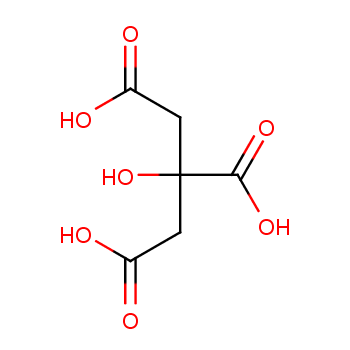
Citric acid is an organic acid found in citrus fruits, with a molecular formula of C6H8O7.

Ascorbic acid is an organic acid with antioxidant properties, having a molecular formula of C6H8O6.

The key difference in their structures lies in the arrangement of carbon atoms and the presence of a double bond between two carbon atoms in ascorbic acid, which is absent in citric acid. This subtle difference leads to their different functions.
Here's a breakdown of ascorbic acid (vitamin C) and citric acid in terms of pH values and taste:
Both are acidic: They activate taste receptors for sourness on the tongue.
(1) Citric A cid: Known for its sha rp taste due to its lower pH. The acidity activates taste receptors on the tongue, sending signals to the brain to release serotonin. Citric acid is commonly used as an additional coating for hard candies to provide an immediate sour flavor burst.
It depends on what you're using it for! Citric acid and ascorbic acid have different uses:
(1) Acidi ty: Citric acid is stronger than ascorbic acid. This makes it more suitable for lowering the pH in canning recipes or adding strong acidity to foods and beverages.
Ascorbic acid and citric acid are both found in citrus fruits but have different uses in skincare. Here's how they act on the skin:
(1) Ascorbic Acid (Vitamin C): This is a potent antioxidant that can help protect the skin from sun damage, brighten the complexion, and stimulate collagen production . However, it's also unstable and easily degrades when exposed to light and air. Skincare products often use stable forms of vitamin C, such as ascorbyl palmitate or tetrahexyldecyl ascorbate.Overall, if you're looking for anti-aging and brightening effects, ascorbic acid (vitamin C) is a good choice. If you want to improve skin texture and achieve a smoother complexion, citric acid (AHA) might be a better option.
In canning, both citric acid and ascorbic acid have their uses, but they excel in different areas:
Can I use ascorbic acid instead of citric acid for canning? It's generally not recommended to directly substitute ascorbic acid for citric acid in canned food formulas. Here's why:
(1) Acidity: Citric acid is a stronger acid than ascorbic acid. In low-acid foods, citric acid helps lower the pH to the safe range for canning, preventing the growth of harmful bacteria like Clostridium botulinum. Ascorbic acid is not as effective at reaching this critical acidity level.
Yes, it's safe to mix citric acid and ascorbic acid. In fact, they are sometimes combined in various products due to their complementary properties:
(1) Food and Beverages: Some commercially produced juices or canned fruits may use a mixture of citric acid (for acidity and sourness) and ascorbic acid (to prevent browning).Here's why mixing them is generally safe:
(1) Chemical Compatibility: Both are organic acids and do not undergo adverse reactions when mixed.
Citric acid and ascorbic acid are both acids commonly used in pool stain removal processes. Citric acid and ascorbic acid pool stain removers are products used to remove specific types of stains from pool surfaces. Both acids act as reducing agents, removing stains caused by metal particles on the surface and converting them into colorless soluble ions. Citric acid pool stain removers work well, but ascorbic acid is most effective against iron stains and rust stains.
If you have iron stains in your pool, opt for a vitamin C pool stain remover composed of ascorbic acid.
If your pool has copper stains, use a citric acid stain remover. Citric acid is common in many stain removal products and can also be purchased in bulk separately. We recommend using products that contain these acids rather than direct acid-based stain removers, as these products are usually balanced for pool use and may have additional functionalities such as chelating agents and clarifying compounds.
Through this article's comparison and analysis of ascorbic acid and citric acid, we have gained a deeper understanding of the characteristics, uses, and differences between these two organic acids. Ascorbic acid and citric acid have important applications in food, cosmetics, and other fields, but they differ in chemical structure, properties, and functions. Choosing the right organic acid for specific needs is crucial in different applications, and we need to select the appropriate acid based on specific requirements and characteristics. We hope the content of this article helps readers better understand the differences and uses of ascorbic acid and citric acid, enabling them to choose the organic acid that suits their needs. We encourage understanding the differences between ascorbic acid and citric acid and finding solutions that suit your needs.
[1] https://eze-cosmetics.com/blogs/from-our-blog/ascorbic-acid-vitamin-c-and-citric-acid
[2] https://blog.lorannoils.com/2019/04/08/serious-pucker-power
[3] https://pubchem.ncbi.nlm.nih.gov
[4] https://www.livestrong.com/article/164362-difference-between-citric-acid-and-ascorbic-acid/
[5] https://www.ifsqn.com/forum/index.php/topic/43699-can-you-mix-citric-acid-and-ascorbic-acid-in-the-same-product/
[6] https://www.troublefreepool.com/threads/citric-acid-vs-ascorbic-acid-for-metal-stain-removal.7555/
[7] https://pooladvisor.com.au/blog/ascorbic-acid-stain-remover
[8] https://enewsletters.k-state.edu/youaskedit/2019/08/06/citric-acid-vs-ascorbic-acid/
 |
 |
 EN
EN
 Agricultural News
 Food News
 Industrial News
 Cosmetic News
 Pharmaceutical News
 Science News


 3YRS
3YRS


