-
We detected your language preference as English. Would you like to switch to the English version for a better experience?
Switch to English
Stay here


Benzyl alcohol, also known as alpha-cresol, is a colourless liquid with a light, pleasantly aromatic scent. Many plants naturally produce it, and it is commonly found in honey, cocoa, mushrooms and various fruits and teas, as well as in many essential oils including jasmine, hyacinth and ylang-ylang. It is used in cosmetics and personal care products as a preservative, fixative and diluent in ointments, perfumes, soaps and various cosmetics.
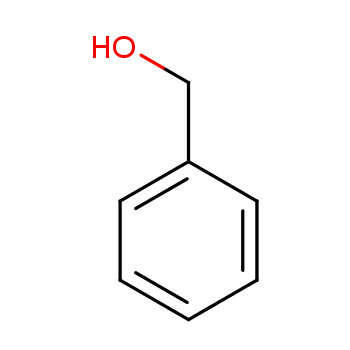
For product developers, the key technical questions are not simply whether benzyl alcohol preserves, but how its solvent power, oxidation behaviour, pH adjustment role, allergenic labelling obligations and category-specific maximum levels interact with the finished formula. This guide consolidates those considerations into a practical B2B formulation framework.
| Parameter | Value | Technical Relevance |
|---|---|---|
| Chemical name | Benzyl alcohol (phenylmethanol; benzenecarbinol; alpha-cresol) | One of several aromatic alcohols, represented as BnOH. |
| Formula | C7H8O (C6H5CH2OH) | The aromatic ring plus hydroxyl group explains the solvent and fragrance character. |
| Molecular weight | 108.14 g/mol | Used for equimolar comparisons with benzaldehyde and benzoic acid oxidation products. |
| CAS number | 100-51-6 | Unique identifier for the material; must match the substance ordered. |
| EC number | 202-859-9 | Regulatory identifier in the EU; CLP index number 603-057-00-5. |
| Preservative limit | 1% maximum as a preservative in ready-for-use preparations (EU) | Sets the ceiling when the ingredient is used for preservation rather than fragrance. |
Benzyl alcohol is one of several aromatic alcohols and is represented as BnOH, with the molecular formula C6H5CH2OH. It serves several functions in cosmetics and personal care products and is especially known for its performance as a solvent due to its polarity, low toxicity and low vapour pressure. Those three properties together explain why it is so widely used: it dissolves a broad range of materials, it is well tolerated, and it does not evaporate away quickly during processing.
Although benzyl alcohol is associated with natural sources, the amounts obtained from plants are only modest, which is why the material traded for commercial and industrial purposes is almost always produced synthetically. The natural narrative is useful for marketing provenance, but the formulator should recognise that the delivered material is a defined synthetic chemical with a specification, not a botanical extract.
Because it is both a preservative and a fragrance material, benzyl alcohol occupies an unusual regulatory position. The same substance can be regulated on the cosmetic preservative list at one limit and treated as a declared fragrance allergen at another threshold, so the developer must understand which role the ingredient is playing in the formula.
For further chemical and commercial background, the technical encyclopedia entry provides additional context on nomenclature, synonyms and suppliers.
| Identifier | Value |
|---|---|
| Chemical name | Phenylmethanol |
| Synonyms | (Hydroxymethyl)benzene; benzenecarbinol |
| Molecular formula | C7H8O |
| CAS number | 100-51-6 |
| EC number | 202-859-9 |
| CLP index number | 603-057-00-5 |
| FEMA number | 2137 |
Benzyl alcohol is a multifunctional cosmetic ingredient whose behaviour depends on its polarity and its chemical reactivity, and the mechanisms below explain why one substance performs so many roles.
As a solvent benzyl alcohol helps to dissolve other ingredients in a product formulation, and its polarity, low toxicity and low vapour pressure make it especially effective for this role. It also helps to alter the viscosity of cosmetic products, allowing the product to flow more easily, which is why it is described both as a solvent and as a viscosity-decreasing agent.
Benzyl alcohol acts as a preservative, inhibiting the development of microorganisms due to its antibacterial and antifungal properties. In personal care products it also functions as a pH adjuster, so it can contribute to both the microbiological stability and the chemical environment of the finished formula.
As an aromatic alcohol, benzyl alcohol is naturally fragrant and gives off a slightly sweet, floral scent, which is why it is used as a fragrance ingredient and fixative in ointments, perfumes and soaps. Its low vapour pressure supports a fixative role, holding the fragrance impression in the product for longer than a highly volatile note would.
Although benzyl alcohol is found in various natural sources, it occurs only in modest amounts, so it is typically manufactured synthetically for commercial and industrial purposes by treating benzyl chloride with sodium or potassium carbonate. This hydrolysis route converts the reactive benzyl chloride into the corresponding alcohol, and it gives the producer direct control over assay and purity rather than depending on the variable yield of a plant extraction.
For buyers, the qualification points centre on assay content, the residual benzyl chloride and chloride content, the benzaldehyde formed on storage, and the water content. Because the material oxidises over time, the specification should include limits for benzaldehyde and benzoic acid, and the purchased lot should be checked against the recommended retest date rather than stored indefinitely.
From a formulation perspective, benzyl alcohol is best understood as a member of the aromatic alcohol family, rather than as a standalone preservative. Its closest relatives behave similarly in formulation, so a developer should recognise them as a group.
Benzyl alcohol is one of several aromatic alcohols, a family in which a hydroxyl group is attached to a side chain on an aromatic ring. This structure combines the solvent character of an alcohol with the odour character of an aromatic compound, which is why the family members so often serve as both fragrance and solvent.
Within cosmetics the same molecule may be classified as a preservative or as a fragrance allergen depending on its function and its concentration. Because benzyl alcohol appears in aromatic compositions and their raw materials, it is frequently present in a formula that is nominally preserved by a different system, so the total contribution from all sources must be considered.
The oxidation products of benzyl alcohol are themselves well-known materials: benzaldehyde, the almond-scented aldehyde, and benzoic acid, a preservative in its own right. This relationship matters for stability, because a degraded product may have changed not only its odour but also its preservative performance.
| Parameter | Benzyl Alcohol | Phenoxyethanol | Benzaldehyde |
|---|---|---|---|
| Chemistry | Aromatic alcohol | Aromatic ether alcohol | Aromatic aldehyde |
| Physical form | Colourless liquid | Oily liquid or solid | Liquid with almond odour |
| Water solubility | 40 g/L at 25 °C | Moderately soluble | Limited |
| Primary function | Preservative, solvent, fragrance, viscosity agent | Preservative, solvent | Fragrance, oxidation product of benzyl alcohol |
| Preservative limit | 1% (EU ready-for-use) | About 1% | Not used as a preservative |
| Allergen labelling | Required above 0.001% leave-on and 0.01% rinse-off | Not a listed fragrance allergen | Fragrance regulated separately |
| Stability concern | Oxidises to benzaldehyde and benzoic acid | Generally more stable | Further oxidises to benzoic acid |
| Main categories | Skin care, hair care, baby care | Broad preservation | Flavour and fragrance |
| Property | Value |
|---|---|
| Physical form | Liquid |
| Colour | Colourless |
| Odour | Slightly aromatic |
| Appearance at 20 °C | Transparent liquid |
| Density at 20 °C | 1.044 g/cm3 |
| Specific gravity at 20 °C | 1.042–1.047 |
| Viscosity at 20 °C | 5.474 cP |
| Melting point | −15.2 °C |
| Boiling point | 205.3 °C |
| Refractive index | 1.5396 |
| Solubility | Soluble in water at 40 g/L at 25 °C; soluble in benzene, methanol, chloroform, ethanol, ether and acetone |
| Shelf life | Recommended retest date 24 months from the date of manufacture |
| Function | Applications |
|---|---|
| Solvent | Benzyl alcohol helps to dissolve other ingredients in a product formulation, and its polarity, low toxicity and low vapour pressure make it well suited to this role. |
| Preservative | Benzyl alcohol acts as a preservative, inhibiting the development of microorganisms due to its antibacterial and antifungal properties. |
| Viscosity controlling agent | It helps to alter the viscosity of cosmetic products, allowing the product to flow more easily and improving spreadability. |
| Fragrance ingredient | As an aromatic alcohol it is naturally fragrant and gives off a slightly sweet, floral scent, functioning as a fragrance and fixative. |
| pH adjuster | In cosmetics and personal care products it functions in part as a pH adjuster, contributing to the chemical environment of the formula. |
Product examples span skin care creams and lotions; hair care including hair colour, shampoo and conditioner; antiperspirant and deodorant products; and baby care including baby lotion, baby cream and baby shampoo. The broad spread reflects the fact that the same ingredient can deliver preservation, solvency and a pleasant scent in the same formula.
Start by deciding whether benzyl alcohol is present as a preservative, as a fragrance, or as a solvent, because the governing limit depends on the role. As a preservative the maximum allowed concentration is 1% in ready-for-use preparations, whereas as a fragrance it must be declared above 0.001% in leave-on products and 0.01% in rinse-off products. Where it is present only as a component of an aromatic composition, that fragrance threshold still applies.
Compare the intended level against the published category ranges. As per CIR these include 0.000008 to 0.8% for the eye area, 0.03 to 0.5% for underarm deodorant, 0.0002 to 3% for non-colouring hair, 0.00007 to 10% for colouring hair, 0.00002 to 0.5% for nail products, 0.004 to 0.9% for baby products, 0.000008 to 3% for leave-on and 0.000006 to 10% for rinse-off products, and 0.001 to 0.9% diluted for bath use.
Benzyl alcohol may be stored in metal or glass containers, but plastic containers should not be used, with exceptions including polypropylene containers or vessels coated with inert fluorinated polymers such as Teflon. It should be stored in an airtight container protected from light in a cool, dry place, and the product should be protected from freezing or excessive heat in a dry area with no possibility of contact with moisture or condensation.
Confirm that the finished product has not oxidised during processing or storage. Aqueous solutions may be sterilised by filtration or autoclaving, and some solutions may generate benzaldehyde during autoclaving, so a heat-treated product should be checked for the bitter-almond note that signals oxidation, and the retest date of 24 months from manufacture should be observed.
The formulation below is an illustrative example of a body therapy cleansing bar for hair and body that uses benzyl alcohol as the preservative. It produces an off-white to yellow solid bar that is stable for one month at 50 °C and three months at room temperature or 40 °C. It is reproduced from published cosmetic reference data for illustration only and is not a recommended commercial formula.
| Phase | INCI Name | % Wt. |
|---|---|---|
| A | Cetearyl Alcohol | 30 |
| A | Hydrogenated Vegetable Oil | 5 |
| A | Cetearyl Alcohol (and) Lecithin (and) Sodium Cetearyl Sulfate (and) Vegetable Oil | 10 |
| A | Sodium Lauryl Sulfate | 33 |
| A | Benzyl Alcohol | 0.4 |
| B | Aqua (demineralised water) | 9 |
| B | Cocamidopropyl Betaine | 5 |
| B | Sorbitol | 2.60 |
| B | Gluconolactone | 1 |
| B | Succinic Acid | 1 |
| B | Gluconic Acid (and) Caprylyl/Capryl Glucoside (and) Cymbopogon Citratus Leaf Extract | 1 |
| C | Cyclodextrin | 2 |
The illustrated procedure prepares phase A at 70 °C in a separate beaker, adds phase B into phase A at 70 °C under gentle to medium agitation and holds agitation and temperature for 10 minutes, adds phase C at 70 °C, and pours into packaging at 60 to 65 °C.
Regulatory treatment of benzyl alcohol varies by jurisdiction and by the role it plays in the formula, so a statement that a material is cosmetic grade does not by itself establish compliance in every destination market. The function, the concentration and the destination should each be checked explicitly.
| Market / Framework | Technical Relevance | Compliance Action |
|---|---|---|
| Cosmetic Ingredient Review | In 2001 the CIR published a final report concluding that benzyl alcohol is safe for use in cosmetic formulations at concentrations up to 5%, and safe for use in hair dyes at concentrations up to 10%. | Compare the intended use level against the 5% cosmetic and 10% hair dye conclusions. |
| European Union | Under the Cosmetic Products Regulation the presence of benzyl alcohol must be indicated in the ingredient list when used as a fragrance or in aromatic compositions and its concentration exceeds 0.001% in leave-on and 0.01% in rinse-off products. As a preservative the maximum allowed concentration is 1% in ready-for-use preparations. Allergenic substances such as benzyl alcohol must be labelled on detergent packaging if added above 0.01%. | Apply the 1% preservative limit and the fragrance labelling thresholds, and check the detergent labelling obligation. |
| United States FDA | Benzyl alcohol is considered safe in the present practices of use and concentration according to the CIR assessment relied upon in the United States, and it is a permitted fragrance and flavouring material. | Confirm the intended use falls within the accepted practice of use for the category. |
| Canada | Benzyl alcohol is included in the Canadian List of Acceptable Non-medicinal Ingredients. | Confirm the ingredient appears on the acceptable list for the intended product type. |
| EFSA and food additive review | EFSA re-evaluated the risks associated with using benzyl alcohol as a food additive in 2019 and concluded that it is a weak sensitiser, consistent with the SCCS assessment. | Where a food or flavouring use is intended, confirm the applicable food additive framework. |
| REACH and CLP | The substance carries EC number 202-859-9 and CLP index number 603-057-00-5, and industrial supply is subject to REACH registration and safety data sheet obligations. | Confirm the registration status and obtain a compliant safety data sheet showing the CLP classification. |
The toxicological picture for benzyl alcohol is favourable on the whole, with the main caveat being sensitisation rather than systemic toxicity. A European Chemicals Agency report found no additional concern for acute toxicity and irritation, and no concerns identified for carcinogenicity or mutagenicity.
The principal concern is skin sensitisation. The ECHA review confirmed a weak to moderate skin sensitising potential and found that classification as a skin sensitizer category 1B was justified based on positive reactions above 500 micrograms per square centimetre in human repeated insult patch tests and a low but substantial incidence of up to 0.3% in large study populations of consecutive patients in clinical dermatology departments. The Scientific Committee on Consumer Safety has stated that benzyl alcohol is an established contact allergen in humans, and the conclusion that it is a weak sensitiser is consistent with the recent EFSA scientific opinion on its use as a food additive.
Exposure limits should be understood as best-case bounds rather than thresholds of safety. The dermal derived no-effect level for local effects should only be seen as an upper bound best-case estimate due to high uncertainties, and it does not represent an exposure level at which no sensitisation will occur in the exposed population; however, any exposure exceeding that value indicates a risk of dermal allergy. In medicine benzyl alcohol is sometimes used as a local anaesthetic to reduce pain associated with lidocaine injection, which further reflects its established pharmacological profile.
The following reference framework summarises the maximum usage levels of benzyl alcohol in cosmetics and should be read as general guidance rather than as a fixed specification. Actual use depends on the product category and the destination market.
| Category | Usage Level (%) | Functional Basis |
|---|---|---|
| Eye area | 0.000008 to 0.8 | Lower levels used because the eye area is the most sensitive site. |
| Deodorant (underarm) | 0.03 to 0.5 | Levels supporting preservation in an occluded and sensitive area. |
| Hair, non-colouring | 0.0002 to 3 | Preservative and fragrance levels in shampoo and conditioner. |
| Hair, colouring | 0.00007 to 10 | Higher permitted level consistent with the CIR hair dye conclusion. |
| Nail | 0.00002 to 0.5 | Solvent and preservative level for nail preparations. |
| Baby products | 0.004 to 0.9 | Levels used in baby lotion, cream and shampoo products. |
| Leave-on | 0.000008 to 3 | General leave-on products including creams and lotions. |
| Rinse-off | 0.000006 to 10 | Highest range because contact time is short and rinsed away. |
| Diluted for bath use | 0.001 to 0.9 | Level appropriate to a high-dilution bath product. |
Note: The figures above are indicative and should be confirmed against the current CIR, EU and national cosmetic provisions and the requirements of the specific product category.
It functions as a fragrance, pH adjuster, preservative, solvent and viscosity-decreasing agent. It is especially known for its solvent performance due to its polarity, low toxicity and low vapour pressure, and it also gives off a slightly sweet, floral scent as a fragrance and fixative.
As a preservative the maximum allowed concentration is 1% in ready-for-use preparations in the EU. The CIR concluded that benzyl alcohol is safe in cosmetic formulations at concentrations up to 5% and safe for use in hair dyes at concentrations up to 10%.
Its presence must be indicated in the ingredient list when used as a fragrance or in aromatic compositions above 0.001% in leave-on and 0.01% in rinse-off products. Allergenic substances such as benzyl alcohol must be labelled on detergent packaging if added above 0.01%.
The SCCS states that benzyl alcohol is an established contact allergen in humans, and the ECHA review confirmed a weak to moderate skin sensitising potential with classification as a skin sensitizer category 1B justified. No concerns were identified for carcinogenicity or mutagenicity.
1. Benzyl alcohol, Wikipedia, accessed 2024.
2. Cosmetic Ingredient Review, final report on the safety assessment of benzyl alcohol, 2001.
3. Cosmetic Ingredient Review, draft report on benzyl compounds.
4. European Chemicals Agency, substance evaluation and CLH documentation for benzyl alcohol.
5. Scientific Committee on Consumer Safety, opinion on fragrance allergens in cosmetic products, 2012.
6. European Food Safety Authority, scientific opinion re-evaluating benzyl alcohol as a food additive, 2019.
7. Regulation (EC) No 1223/2009 on cosmetic products, European Union.
8. Regulation (EC) No 648/2004 on detergents, European Union.
9. Health Canada, List of Acceptable Non-medicinal Ingredients.
10. Chemical Book, technical data for benzyl alcohol.
|
 |
 |
 EN
EN
 Agricultural News
 Food News
 Industrial News
 Cosmetic News
 Pharmaceutical News
 Science News
