-
We detected your language preference as English. Would you like to switch to the English version for a better experience?
Switch to English
Stay here


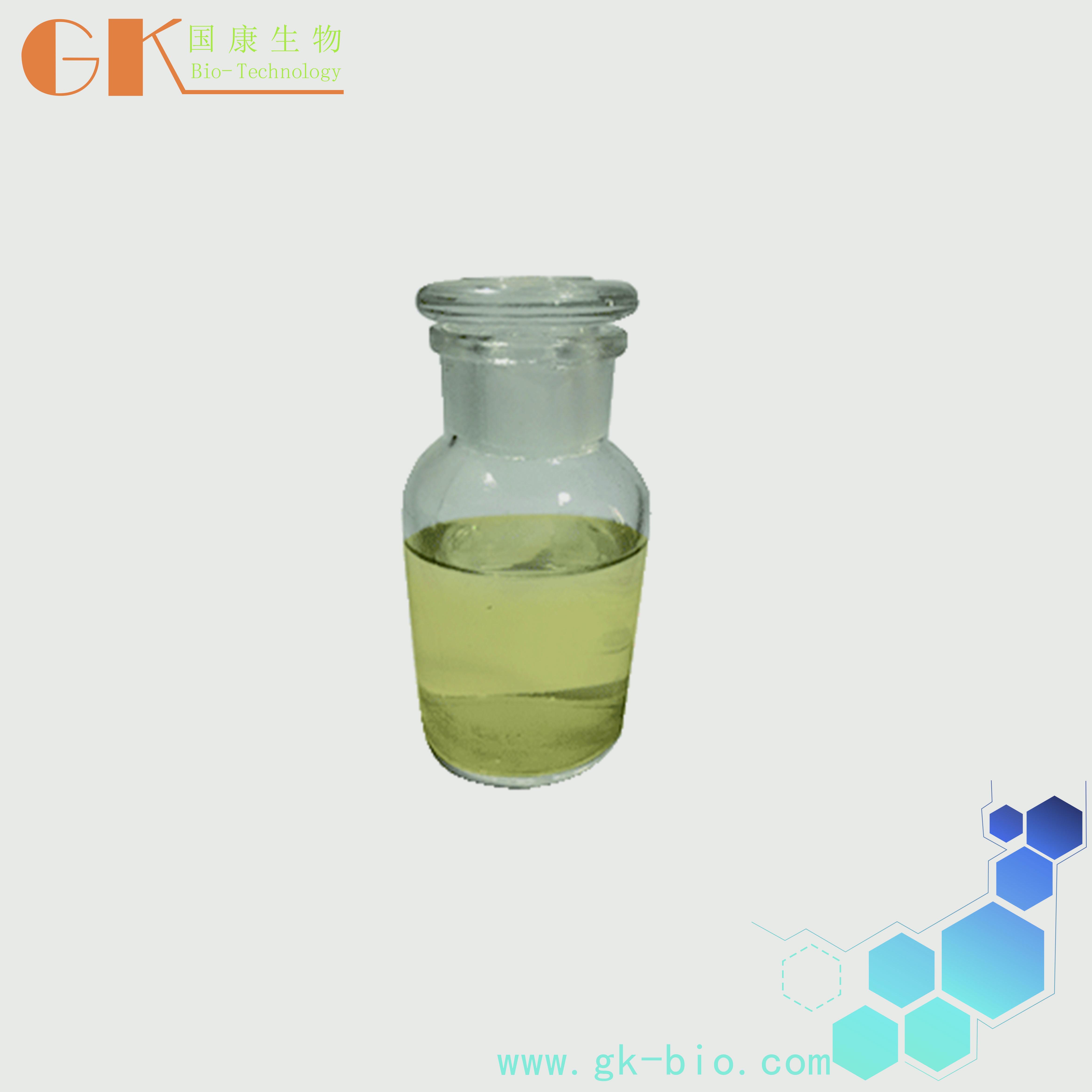
Methyl salicylate, also known as methyl 2-hydroxybenzoate or wintergreen oil, is the methyl ester of salicylic acid and a colorless to slightly yellow liquid with the characteristic wintergreen odor. It is valued for its analgesic, anti-inflammatory and bactericidal effects, which makes it a popular ingredient in topical pain-relief preparations, oral care and fragrance. Because the pure material is toxic by ingestion, its use must be carefully controlled and dosed within category-specific limits.

For product developers, the key technical questions are not simply whether methyl salicylate relieves minor pain, but how its skin permeation, volatility and sensory intensity behave in each vehicle, what the permitted concentration is for the intended product category, and how the toxicological profile must be managed in handling, packaging and labelling. This guide consolidates those considerations into a practical B2B formulation framework.
| Function | Suitable Users | Core Technical Indicators | Compliance Framework |
|---|---|---|---|
| Topical analgesic and rubefacient | Developers of OTC muscle pain gels, liniments and ointments, sports massage products and soothing balms | CAS 119-36-8; molecular weight 152.15 g/mol; lipid-soluble and skin-penetrating; warming on application | OTC drug or cosmetic status varies by market; SCCS category limits apply |
| Oral care flavouring agent | Toothpaste, mouthwash and mouth-spray manufacturers seeking a fresh, clean wintergreen character | Characteristic wintergreen taste; heat-labile; SCCS-based value around 2.52% in toothpaste, 0.60–0.65% in mouthwash and spray | Counted within flavour and category limits; verify oral-use provisions per market |
| Fragrance ingredient | Perfumers and developers of hydroalcoholic fragrances such as aftershave, eau de toilette and cologne | Volatile liquid with a sweet wintergreen note; typical fragrance use around 0.60% | Declared under fragrance and allergen labelling rules where applicable |
| Soothing and aromatherapy agent | Formulators of skin mists, soothing gels, creams and lotions seeking a mild warming effect | Low leave-on limits of about 0.06% mean it is usually a supporting note rather than a dominant active | Leave-on and rinse-off limits differ; confirm by product type |
Methyl salicylate is the methyl ester of salicylic acid, chemically described as methyl 2-hydroxybenzoate, with the formula C8H8O3. It occurs naturally in a variety of plants and can be distilled from them; one of the most common natural sources is wintergreen oil, which typically contains up to 99% methyl salicylate. The molecule combines an aromatic ring bearing both a hydroxyl and an ester group, which explains its character as a moderately polar, lipid-soluble liquid.
For commercial use, methyl salicylate is usually derived synthetically by esterifying salicylic acid with methanol, the most common production method because it gives a consistent, high-purity product at scale. The natural and synthetic materials are chemically identical, so the choice is normally a question of grade, documentation and marketing positioning rather than technical performance.
In cosmetics and personal care, methyl salicylate fulfils several roles. It is a salicylic acid derivative used as a topical analgesic for relief of pain in musculoskeletal, joint and soft-tissue disorders, and methyl salicylate ointment is a common dermatology preparation with analgesic, anti-inflammatory and bactericidal effects. It is also used in diluted form as a flavouring agent and preservative in toothpaste, mouthwash, soaps and hair products, and as a fragrance in hydroalcoholic products.
Product developers should recognise that these roles carry very different regulatory and safety expectations. A muscle-pain gel, a toothpaste and an aftershave may all contain methyl salicylate, but the permitted concentration, labelling and toxicological dossier differ substantially.
Explore the methyl salicylate technical encyclopedia for further data.
| Parameter | Specification / Description |
|---|---|
| Chemical name | Methyl 2-hydroxybenzoate |
| Common names | Methyl salicylate, wintergreen oil, sweet birch oil, gaultheria oil |
| Molecular formula | C8H8O3 |
| Molecular weight | 152.15 g/mol |
| CAS Number | 119-36-8 |
| EC Number | 204-317-7 |
| INCI Name / FEMA Number | Methyl 2-hydroxybenzoate; FEMA 2745 |
Methyl salicylate is not primarily used for a processing function such as emulsification or thickening. Its value combines a pharmacological counter-irritant effect in topical products, a sensory flavouring effect in oral care, and a volatile fragrance contribution.
Methyl salicylate is lipid-soluble and readily penetrates the skin, which is the basis of its topical analgesic and rubefacient behaviour. By stimulating cutaneous circulation and producing a warming sensation, it acts as a counter-irritant that distracts from deeper musculoskeletal pain, and the absorbed salicylate then contributes local anti-inflammatory activity. The same permeation that makes it effective also makes dose control important, because systemic exposure rises with applied area, concentration and occlusion.
As a salicylate ester, methyl salicylate delivers a fresh wintergreen character that is highly recognisable in toothpaste, mouthwash and mouth spray, where it is used as a flavouring agent and preservative in diluted form. Its mild antimicrobial behaviour supports product freshness, but it is normally relied upon as a flavour and freshness component rather than the primary preservation system.
Because the molecule is volatile, it partitions into the headspace and contributes a sweet wintergreen note in hydroalcoholic fragrances and personal care products. This volatility is useful in fragrance construction but also means heat exposure during processing can drive the note off, so addition points and temperature control materially affect the final sensory result.
Methyl salicylate occurs naturally in a variety of plants, and one of the most common natural sources is wintergreen oil, which typically contains up to 99% of the ester. Plants release methyl salicylate when damaged by insects, and because the molecule is volatile it can spread through the air to neighbouring plants as a danger warning signal.
For commercial use, methyl salicylate is most commonly derived synthetically by esterifying salicylic acid with methanol, a well-established reaction that delivers a consistent, high-purity liquid at industrial scale. Process control is directed at residual salicylic acid content, acid value and colour, since these parameters influence both odour quality and skin compatibility.
For cosmetic-grade material, production is only one part of qualification. Manufacturers should additionally evaluate appearance, assay, specific gravity, refractive index, maximum salicylic acid content and acid value, and confirm the grade is intended for cosmetic, oral care or fragrance use rather than an unrelated technical application.
From a formulator's perspective, the most useful comparison is among methyl salicylate and the other salicylate esters and counter-irritant actives that share its role. The main categories are the salicylate esters, the cooling actives used alongside them, and the fragrance and oral care families in which it is sometimes grouped.
Methyl salicylate sits alongside other salicylate esters such as ethyl and glyceryl salicylate in the topical analgesic family. These esters share a common salicylic acid backbone but differ in volatility, skin permeation and sensory intensity, so they are not interchangeable on a weight-for-weight basis. The Cosmetic Ingredient Review concluded in 2018 that methyl salicylate, and all salicylates, are safe in the current practice of use in cosmetics, subject to the applicable use conditions.
In muscle-pain and sports-massage products, methyl salicylate is frequently combined with menthol and camphor, which provide cooling and additional counter-irritant or mild analgesic effects. These actives are usually formulated together in an oil, ointment or hydroalcoholic gel base, and the balance between warming and cooling character is a central design decision.
Functionally, methyl salicylate also sits in the fragrance and oral care flavour families, where its wintergreen note is used in hydroalcoholic fragrances and in toothpaste. These families carry their own labelling and category-limit obligations, so the same substance can trigger distinct compliance requirements depending on its intended role.
| Parameter | Methyl Salicylate | Menthol | Camphor |
|---|---|---|---|
| CAS number | 119-36-8 | 89-78-1 | 76-22-2 |
| Chemical type and molecular weight | Salicylate ester; lipid-soluble liquid; 152.15 g/mol | Cyclic monoterpene alcohol; crystalline solid; 156.27 g/mol | Bicyclic monoterpene ketone; volatile solid; 152.23 g/mol |
| Sensory effect | Warming, rubefacient sensation and analgesic counter-irritant action | Cooling, refreshing sensation with a mild analgesic effect | Warm, penetrating sensation with a camphoraceous odour |
| Primary use | Topical analgesic gels and ointments; oral care flavour; fragrance | Cooling agent in topical, oral and confectionery products | Counter-irritant and preservative in liniments and ointments |
| Formulation advantage | Strong recognisable wintergreen signature and good oil solubility | Immediate cooling impact at low use levels | Warm effect plus antimicrobial contribution |
| Key limitation | Toxic by ingestion and skin-permeable; tightly limited by category | Low water solubility and a cooling effect that can overwhelm a blend | Odour and irritation concerns at higher levels |
| Property | Typical Description |
|---|---|
| Appearance at 25 °C | Colorless to slightly yellow liquid |
| Odour and taste | Characteristic wintergreen odour and taste |
| Molecular weight | 152.15 g/mol |
| Density / specific gravity | 1.17 g/cm³ at 25 °C; specific gravity 1.1800–1.1850 |
| Refractive index | 1.5350–1.5380 at 20 °C |
| Boiling / melting point | 222 °C / −9 °C |
| Solubility | Soluble in alcohol, fatty and essential oils and glacial acetic acid; only slightly soluble in water |
| Salicylic acid content / acid value | Salicylic acid max 0.1%; acid value max 1 mg KOH/g |
| Stability and storage | Stable, but reactive with oxidisers; shelf life 12–18 months; store sealed, cool, dry, out of direct heat and light |
| Function | Typical Applications | Key Formulation Objective |
|---|---|---|
| Topical analgesic | Muscle pain gels, ointments, liniments and sports massage products | Deliver a reliable warming effect while controlling systemic exposure |
| Oral care flavouring | Dentifrices, toothpaste, mouthwash and mouth spray | Provide a fresh wintergreen character within the category limit |
| Fragrance ingredient | Aftershave, eau de toilette and cologne | Contribute a sweet wintergreen note that blends with the fragrance |
| Soothing and skin care | Skin mists, soothing gels, creams, lotions and hair preparations | Add a mild soothing note at low leave-on levels without irritation |
Start by identifying whether the product is a cosmetic, an OTC drug or a fragrance, because each carries different limits and labelling. Fix the target concentration against the applicable category maximum before any other design work.
Before batching, confirm identity, assay, appearance, refractive index, specific gravity, salicylic acid content and acid value against the approved purchasing specification. A certificate of analysis should be matched against that specification, because residual salicylic acid affects odour quality and skin compatibility.
Because methyl salicylate is oil-soluble, it is normally incorporated into the oil phase or dissolved with other hydrophobic actives. In microemulsion systems for spreadable topical medications, menthol, isopropyl myristate and isopropyl palmitate are prominent hydrophobic additives miscible with it, and their addition should be considered for good spreadability and feel.
Methyl salicylate should be added at ambient temperature, around 30–35 °C, to limit volatility losses and avoid degrading heat-sensitive co-actives. Dissolving menthol in methyl salicylate at 40–45 °C before dispersion, as in hydroalcoholic gel processes, is a workable alternative where a clear gel is the target.
Confirm that the finished product meets the applicable limit, that warning and allergen labelling is correct, and that a safety assessment supports the intended use. Because the material is toxic by ingestion, packaging and child-resistant closure decisions should be made consciously for higher-concentration products.
The following formulation is an illustrative technical example adapted from a published soothing ointment, not a universal recipe. Actual levels must be recalculated according to the intended sensory and therapeutic requirements, raw-material potency and destination-market limits.
| Ingredient | Illustrative Quantity | Technical Role |
|---|---|---|
| Emollient base (cocoglycerides, cera alba, candelilla wax) | To 100% | Occlusive emollient vehicle that carries the actives and controls feel |
| Camphor | 4.0% | Warm counter-irritant active contributing a penetrating sensation |
| Menthol | 4.0% | Cooling active that balances the warming actives and adds freshness |
| Methyl salicylate | 12.0% | Principal analgesic and rubefacient active of the ointment |
| Denatured alcohol | 0.5% | Solvent that aids dispersion of the actives in the base |
A second system, a hydroalcoholic clear gel, shows how the same active is built into an aqueous-alcoholic vehicle: methyl salicylate 15.00%, menthol 7.00%, a carbomer polymer 0.30%, ethanol 15.00%, propylene glycol 20.00%, hydroxypropyl cellulose 0.60%, further ethanol 20.00%, deionised water 21.5%, a neutralising amine solution 0.4% and fragrance 0.2%. Menthol is dissolved in methyl salicylate at 40–45 °C, the polymer is dispersed under low agitation, and the neutraliser is added slowly to obtain a clear gel.
Regulatory treatment of methyl salicylate depends on both its identity as a salicylate ester and the intended use of the finished product. A supplier's statement that a material is "cosmetic grade" does not by itself establish compliance in every market, and the permitted concentration can differ sharply between oral care, fragrance and leave-on skin products.
| Market / Framework | Technical Relevance | Compliance Action |
|---|---|---|
| United States FDA | Methyl salicylate is GRAS-listed by FEMA and regarded as safe for OTC and personal care products, but it is toxic by ingestion and its use in foods is restricted by the FDA. | Confirm the intended OTC or cosmetic category, maximum level and required labelling against current FDA requirements. |
| European Union / SCCS | The SCCS sets recommended maximum concentrations that vary by product type, from about 2.52% in toothpaste to 0.60% in mouthwash and hydroalcoholic fragrances and far lower levels in leave-on products. | Apply the category-specific limit in the Cosmetic Product Safety Report and verify the current opinion. |
| Cosmetic Ingredient Review (CIR) | The CIR concluded in its 2018 review that methyl salicylate, and all salicylates, are safe in the current practice of use in cosmetics. | Use the CIR assessment as supporting evidence while applying the applicable national or regional limit. |
| Health Canada | Methyl salicylate can be used as a non-medicinal ingredient in topical, oral and nasal natural health products according to Health Canada. | Verify the permitted role and level for the specific natural health product category and route of use. |
| EU REACH | REACH obligations depend on the substance, the manufacturer or importer, tonnage and applicable exemptions or downstream-use conditions. | Verify the exact registration and classification status for the supply chain rather than assuming cosmetic use removes every obligation. |
| EU BPR | The Biocidal Products Regulation is generally not the governing framework for methyl salicylate used solely as a cosmetic, fragrance or oral care ingredient. | BPR becomes relevant only where the substance or finished product is placed on the market for a biocidal purpose. |
| ISO / GMP controls | Quality management systems support control of contamination, traceability and the safe handling of a material that is toxic by ingestion. | Maintain supplier qualification, batch traceability, ventilation and validated quality procedures. |
Methyl salicylate is toxic by ingestion, and the margin is narrow: ingestion of 15 to 25 mL can be fatal to humans, which is why the FDA restricts its use in foods. Pure material is lipid-soluble and can pass through the skin, posing a threat of severe, rapid-onset salicylate poisoning, and symptoms include nausea, vomiting, gastritis, diarrhoea, respiratory stimulation, laboured breathing, pulmonary oedema, convulsions and coma.
Local and developmental effects have also been documented. Application of methyl salicylate liquid on skin and eyes produced severe irritation in rabbits, and oral, subcutaneous or dermal administration in test animals produced developmental abnormalities affecting the eyes, ears and central nervous system. The material is a weak skin sensitizer in humans and an eye irritant.
At the same time, the irritancy data are more nuanced than the toxicity data. Some studies suggest methyl salicylate may slightly irritate the skin at doses present in commercial products, yet the OECD indicates it does not require classification as a skin irritant under EC No 1272/2008, and human tests show it is not an irritant up to doses of 12%. For developers, the practical principle is to separate topical use from ingestion risk and keep the finished formulation within the category limit.
| Product Type | Recommended Maximum Concentration (%) | Formulation Note |
|---|---|---|
| Toothpaste | 2.520% | Highest permitted category; confirm flavour retention through the paste base. |
| Mouthwash and mouth spray | 0.600% and 0.650% | Verify against the actual dilution and rinse practice of the consumer. |
| Hydroalcoholic fragrance and hand wash | 0.600% | Rinse-off or evaporating systems tolerate the higher fragrance level. |
| Rinse-off skin and hair, leave-on non-aerosol, body lotion spray | 0.060% and 0.040% | Low ceiling reflecting repeated skin contact; test for irritation. |
| Face makeup, lipstick, lip balm, eye products and deodorant spray | 0.030–0.050% and 0.002–0.009% | Mucosal, eye-area and aerosol routes drive the very low limits. |
These values are illustrative SCCS-based reference levels and should not be interpreted as universal legal maximums. Product developers should use the current opinion and the applicable national limits for the intended category.
It acts as a rubefacient and counter-irritant: the warming sensation and increased cutaneous circulation distract from deeper musculoskeletal pain, while the absorbed salicylate contributes local anti-inflammatory activity. It is typically combined with menthol and camphor, and the warming-cooling balance is a central design decision.
Because the material is toxic by ingestion and skin-permeable, and the margin between therapeutic and adverse exposure is narrow. Permitted concentrations differ by up to three orders of magnitude between categories, so a level acceptable in toothpaste would be unacceptable in an eye product.
Because it is oil-soluble, it is normally added to the oil phase or dissolved with other hydrophobic actives, and the processing temperature should be kept around 30–35 °C to limit volatility losses. For clear hydroalcoholic gels, dissolve menthol in methyl salicylate first, disperse the polymer under low agitation, and neutralise slowly to avoid air entrapment.
The picture is reassuring at permitted levels. It is considered a weak skin sensitizer and an eye irritant, and some studies suggest mild irritation, yet the OECD indicates it does not require classification as a skin irritant under EC No 1272/2008, and human tests show it is not an irritant up to about 12%.
| Identifier | Value | Resource |
|---|---|---|
| INCI Name | Methyl 2-hydroxybenzoate | Technical encyclopedia |
| CAS Number | 119-36-8 | Chemical dictionary |
| CAS product lookup | 119-36-8 | Supply search |
| Supplier / trade search | 119-36-8 | Supplier search |
1. European Commission, Scientific Committee on Consumer Safety. Opinion on Methyl Salicylate, CAS 119-36-8.
2. Cosmetic Ingredient Review. Safety assessment of salicylates as used in cosmetics, 2018.
3. U.S. Food and Drug Administration. Drug Approval Package: methyl salicylate 30% and menthol 10% topical analgesic liquid.
4. Health Canada. Summary Safety Review: pain relievers containing menthol, methyl salicylate and capsaicin.
5. Flavor and Extract Manufacturers Association. Methyl salicylate, FEMA number 2745.
6. European Parliament and Council. Regulation (EC) No 1272/2008 on classification, labelling and packaging.
7. OECD. SIDS and skin irritation assessment for methyl salicylate.
8. Published formulation guidance on methyl salicylate and menthol hydroalcoholic clear gels.
9. Reference literature on wintergreen oil composition and methyl salicylate plant signalling.
10. Standard references on salicylate toxicology and percutaneous absorption.
|
 |
 |
|
 |
 |
 EN
EN
 Agricultural News
 Food News
 Industrial News
 Cosmetic News
 Pharmaceutical News
 Science News

 3YRS
3YRS

