-
We detected your language preference as English. Would you like to switch to the English version for a better experience?
Switch to English
Stay here


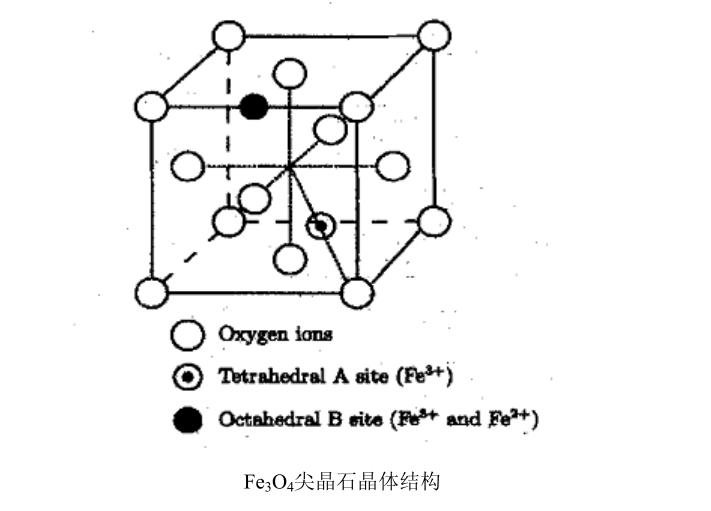
Black iron oxide, also known as ferric oxide, has the chemical formula Fe3O4 or Fe2O3·FeO, and is chemically known as magnetite. It has a saturated bluish-black color and is used in the coatings industry for its strong covering and coloring power, as well as its good light resistance. It is also widely used in the construction industry for cement coloring due to its alkali resistance. Additionally, black iron oxide is used in inks, printing, plastic coloring, polishing, and metal flaw detection.
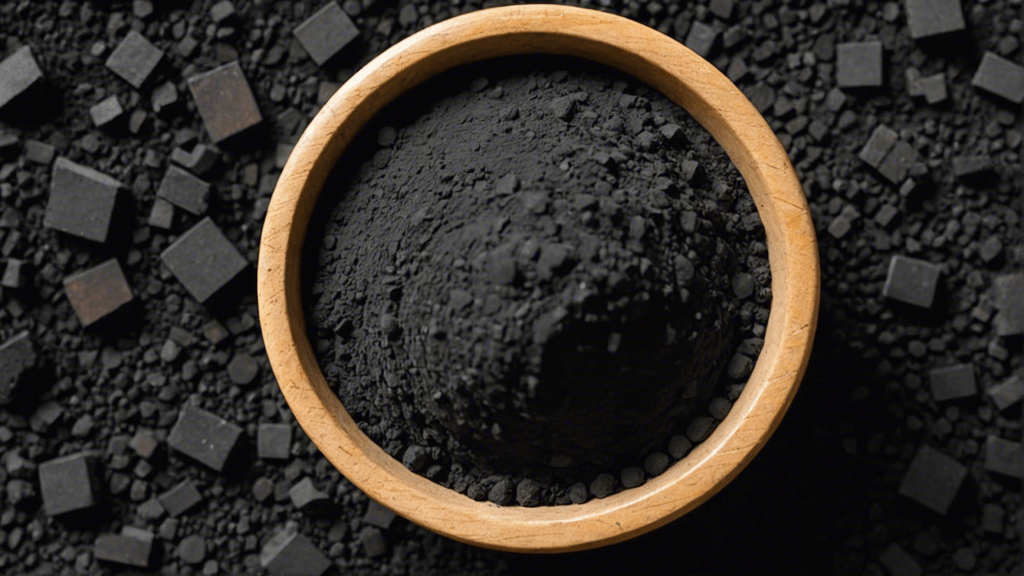
Black iron oxide can be prepared using ferric sulfate and ferrous sulfate as the main raw materials, adopting a co-precipitation method. Under conditions where the molar ratio of Fe3+ to Fe2+ is 1.31:1, with a reaction system pH of 10.0, reaction time of 1.0 hour, and reaction temperature of 85℃, the resulting black iron oxide closely matches the standard sample with a color difference ΔE of 1.507. The experimental setup is illustrated below:

Black iron oxide, red iron oxide, and yellow iron oxide are intended as colorants, added at recommended concentrations of 500 to 1,200 mg/kg to restore the color of feeds. Data on the tolerance of target animals is not provided. Black iron oxide, red iron oxide, and yellow iron oxide are excreted unchanged in the feces of target animals. These water-insoluble iron oxides have very low iron absorption rates. However, due to the lack of sufficient biological and toxicological databases, especially genotoxicity data, it is not possible to conclude the safety of these iron oxides for target animals. The use of iron oxide in animal nutrition is unlikely to lead to direct consumer exposure and will not affect the iron content of edible tissues and products from treated animals. Therefore, the addition of these iron oxides to animal feed does not pose a risk to consumers. Black iron oxide, red iron oxide, and yellow iron oxide should be considered as skin and eye irritants. In the absence of information, the FEEDAP Panel cannot conclude whether the additive has skin sensitization potential. Inhalation of iron oxide may cause nonspecific lung inflammation, so inhalation exposure should be considered hazardous. Any exposure route should be viewed as dangerous due to concerns about the potential genotoxicity of iron oxides. Using black iron oxide, red iron oxide, and yellow iron oxide in animal nutrition does not pose an environmental hazard. Iron oxide effectively colors feed.
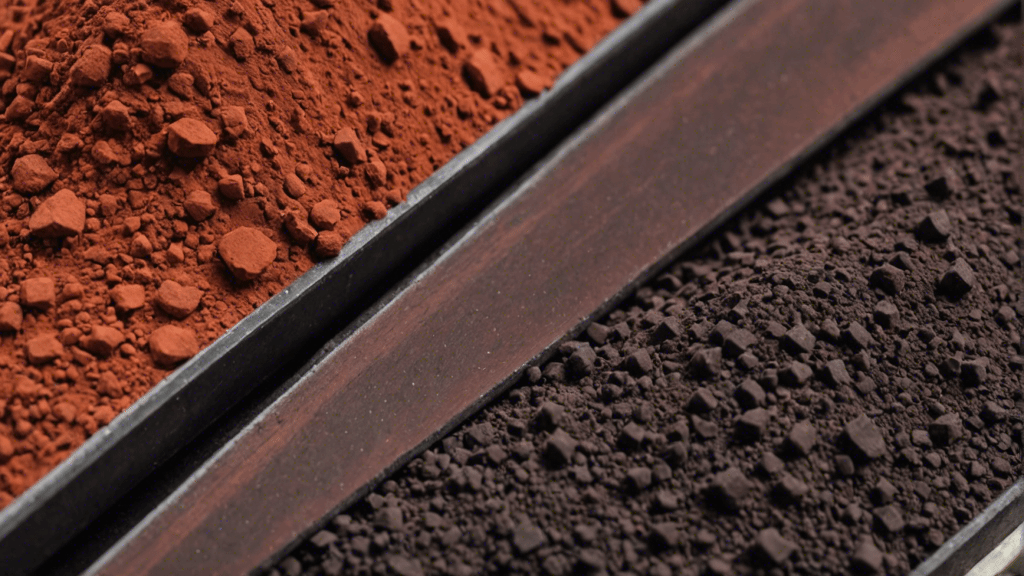
Black iron oxide is a fine powder pigment. Iron oxides produced during oxidation come in various earthy tones and shades, not just red and brown. Think of deep yellows, fiery oranges, and even blacks. These colorful fine powders are divided into three major color groups: yellow, red, and black iron oxide. These compounds are used in cosmetics and beauty products mainly for their rich and intense color. Another reason is their admirable durability. Iron oxides are moisture-resistant, which, when transferred to cosmetics, results in long-lasting products that don’t need frequent reapplication and are less likely to smudge or bleed.
Iron oxide is rated safe for use in cosmetics and is synthetically produced to avoid impurities commonly found in natural iron oxides, including ferrous or ferric oxide, arsenic, lead, and other toxic substances. Use only a small amount. Start with a small quantity and gradually increase to avoid excessive pigmentation.
On March 20, 2015, the FDA approved red, yellow, and black iron oxide as “exempt from certification” (i.e., natural) colors for use in gummies, hard candies, mints, and chewing gum. Natural colors often face stability issues, posing formulation challenges in certain cases. Iron oxide is an excellent alternative to some synthetic colors in terms of stability, hue, and cost of use. Iron oxides have been approved for use in food in Europe for many years and are very stable. They do not chemically or physically react to acids, heat, light, moisture, oil, oxygen, or pH, making them ideal for candy applications.
Black iron oxide is generally considered safe. However, there may be side effects depending on the route of exposure.
Inhaling large amounts of black iron oxide dust can irritate the lungs and cause siderosis, a benign lung disease characterized by iron deposits in the lungs. Symptoms of iron toxicity include coughing and shortness of breath but usually do not impair lung function.
Black iron oxide can cause skin irritation, especially with prolonged exposure. This can manifest as redness, dryness, and itching.
Exposure to black iron oxide can irritate the eyes and may result in permanent corneal staining.
If you experience any of these side effects after exposure to black iron oxide, seek medical attention.
(1) Minimize Dust Generation: Reduce dust generation when handling black iron oxide by using techniques such as wet methods or enclosed systems to transfer materials.
(2) Ensure Proper Ventilation: Ensure the workspace is well-ventilated to prevent dust buildup. Local exhaust ventilation is ideal for tasks generating dust.
(3) Avoid Contact: Limit skin and eye contact with black iron oxide.
(4) Good Housekeeping: Regularly clean up spills to prevent dust accumulation in the work area. Avoid dry sweeping or dust blowing.
(5) Designated Storage: Store black iron oxide in its original sealed container in a cool, dry place when not in use. Keep away from incompatible materials and heat sources.
(6) Prohibit Eating, Drinking, or Smoking: Avoid these activities in areas where black iron oxide is handled.
(1) Respiratory Protection: Wear a NIOSH-approved dust-filtering respirator (N95 or higher) when exposure to large amounts of dust (above occupational exposure limits) is possible.
(2) Skin Protection: Wear chemical-resistant gloves to prevent skin contact.
(3) Eye Protection: Wear safety glasses or goggles to protect eyes from dust particles.
(4) Clothing: Wear long-sleeved clothing to minimize skin contact.
(5) Hygiene: Wash hands thoroughly with soap and water after handling black iron oxide, especially before eating, drinking, or smoking. Contaminated clothing should be removed and washed before reuse.
These are general recommendations. Always consult the Safety Data Sheet (SDS) for specific black iron oxide products for detailed safety information.
It is crucial to be aware of the side effects of black iron oxide and take appropriate measures for its management and control. By understanding the potential risks associated with black iron oxide, we can ensure its safe and sustainable use in practical applications. Future research and practice should continue to focus on the side effects of black iron oxide and seek more solutions to ensure its safe use.
[1]https://www.madmicas.com/products/black-iron-oxide
[2]https://lamav.com/blogs/articles/what-s-in-my-skin-care-iron-oxide
[3]https://efsa.onlinelibrary.wiley.com/doi/full/10.2903/j.efsa.2016.4482
[4]https://sensientfoodcolors.com/en-us/confection/iron-oxides-approved-by-the-fda/
[5] Liu Jijun, Li Mingyu, Lu Feng, et al. Study on influencing factors of preparation of black iron oxide by coprecipitation method [J]. Modern Chemical Industry, 2018, 38(02): 139-143. DOI: 10.16606/j.cnki.issn0253-4320.2018.02.033.
[6]https://www.fishersci.com/
 |
 |
|
 |
|
|
 EN
EN
 Agricultural News
 Food News
 Industrial News
 Cosmetic News
 Pharmaceutical News
 Science News

 4YRS
4YRS

