-
We detected your language preference as English. Would you like to switch to the English version for a better experience?
Switch to English
Stay here


Phthalic anhydride, an essential organic compound widely used in chemical, pharmaceutical, and materials science, raises safety concerns with increased usage. Understanding its safety and preventive measures is crucial for personnel health and environmental safety. This article delves into the potential hazards of phthalic anhydride, preventive measures, and aims to provide readers with a comprehensive understanding to address its potential risks.
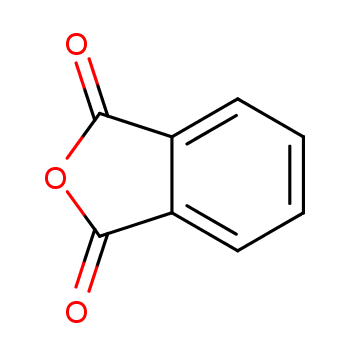
Phthalic anhydride (PA), with a molecular formula of C6H4(CO)2O, is a white crystalline compound or transparent molten liquid, possessing an irritating odor. It is sparingly soluble in hot water, hydrolyzing to phthalic acid. PA is soluble in ethanol and carbon disulfide. It is currently produced from ortho-xylene or naphthalene through catalytic oxidation. PA is a precursor to various organic synthesis reagents, including phthalic acid and phthalimide. Its wide industrial use includes the production of plasticizers, such as Vestinol 9 DINP, for flexible PVC products, among others.
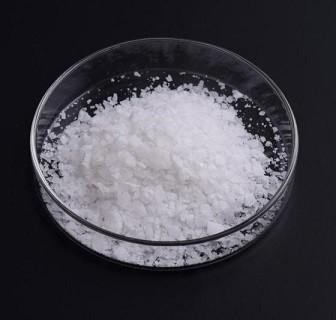
Phthalic anhydride is flammable and may burn but is not easily ignited. It reacts with water, releasing flammable, toxic, or corrosive gases and runoff. Vapor may form explosive mixtures with air indoors, outdoors, and in sewers. Most vapors are heavier than air and may accumulate in low-lying or confined areas, posing explosion hazards. Containers may explode when heated or contaminated with water.
Solid PA irritates skin and eyes, causing coughing and sneezing. Liquid PA can cause severe burns on contact.
Inhalation: Inflammation of the nose, throat, and lungs, coughing, wheezing, shortness of breath.
Eye Contact: Irritation, redness, tearing, burning sensation.
Skin Contact: Irritation, redness, itching, burning sensation.
Repeated or prolonged exposure may cause respiratory problems like asthma.
Skin sensitization leading to allergic reactions.
Potential damage to the liver and kidneys.
Phthalic anhydride reacts exothermically with water. Although sometimes slow, the reaction becomes violent when locally heated. Accelerated by acids, this reaction can be hazardous. Incompatible with acids, strong oxidizers, alcohols, amines, and bases. Mixtures with fuming nitric acid-sulfuric acid may produce potentially explosive mixtures of phthalic anhydride or nitrate or nitro derivatives. Mixtures of phthalic anhydride and anhydrous CO2 may violently explode when heated.
(1) Air and Water Pollution: Released into the air during production and use, potentially contaminating water sources if mishandled.
(2) Aquatic Toxicity: Phthalic anhydride is harmful to aquatic life, affecting fish, invertebrates, and algae.
(3) Soil Contamination: Leaks or improper disposal may contaminate soil, affecting plant growth and soil organisms.
Phthalic anhydride has a slight distinctive odor. Inhalation or ingestion is moderately toxic and not safe for food use.
Phthalic anhydride is not approved by the FDA or similar regulatory agencies worldwide for use in food.
A corrosive substance, it can irritate and burn the skin, eyes, and respiratory system. Ingestion can lead to serious health issues, including:
Vomiting
Diarrhea
Stomach cramps
Difficulty breathing
While food contamination with phthalic anhydride is unlikely, improper storage may pose risks. If food is suspected of being contaminated, do not consume and immediately contact a poison control center.
(1) Wear Chemical-Resistant Gloves: Phthalic anhydride can irritate and corrode the skin. Wear gloves made of materials resistant to phthalic anhydride, such as nitrile or butyl rubber.
(2) Safety Glasses or Chemical Splash Goggles: Dust or fumes of phthalic anhydride can irritate the eyes. Wear safety glasses with side shields or chemical splash goggles to protect your eyes.
(3) Long-Sleeved Clothing: Wear long-sleeved clothing to prevent skin contact with phthalic anhydride.
(4) Respirator: If dust is present in the air, wear a respirator certified for phthalic anhydride.
(1) Respiratory Irritant: Avoid inhalation of dust or fumes. Work in well-ventilated areas when handling phthalic anhydride. You may also need to use local exhaust ventilation systems to clear dust and fumes from the breathing zone.
(2) Thoroughly Wash Hands after Contact: This helps prevent skin irritation and accidental ingestion.
(3) Store Phthalic Anhydride in a Cool, Dry, Well-Ventilated Area: Keep containers tightly closed when not in use. Phthalic anhydride can react with moisture to form phthalic acid, releasing heat.
(4) Keep Away from Incompatible Materials When Stored: Store phthalic anhydride away from alkalis, strong oxidizers, and water, which can react violently with it.
(1) Eyes: Check if the victim wears contact lenses, if so, remove them. Flush the victim's eyes with water or saline solution for 20 to 30 minutes and call the hospital or poison control center. Do not put any ointments, oils, or medications into the victim's eyes without specific instructions from a doctor. After flushing the eyes, immediately take the victim to the hospital, even if no symptoms (such as redness or irritation) appear.
(2) Skin: Immediately flood the affected skin with water and remove and isolate all contaminated clothing. Gently wash all affected skin areas with soap and water. If symptoms such as redness or irritation occur, call a doctor immediately and prepare to take the victim to the hospital for treatment.
(3) Inhalation: Immediately leave the contaminated area; breathe fresh air deeply. If symptoms such as wheezing, coughing, shortness of breath, or burning sensation in the mouth, throat, or chest occur, call a doctor and prepare to take the victim to the hospital. Provide appropriate respiratory protection for rescue personnel entering unknown atmospheres. Self-contained breathing apparatus (SCBA) should be used as much as possible; if unavailable, use protective gear recommended equal to or greater than the level of protection.
(4) Ingestion: Do not induce vomiting. If the victim is conscious and not convulsing, give 1 or 2 glasses of water to dilute the chemical and immediately call the hospital or poison control center. If advised by a doctor, prepare to take the victim to the hospital. If the victim is convulsing or unconscious, do not give anything by mouth, ensure the victim's airway is clear, and place the victim on their side with the head lower than the body. Do not induce vomiting. Immediately take the victim to the hospital. (NTP, 1992)
Phthalic anhydride is a widely used chemical, but its safety varies according to specific industry regulations.
Direct handling during production and processing poses the greatest risk.
Inhalation of dust or fumes can irritate the respiratory tract, causing symptoms similar to asthma.
Skin contact can cause burns and allergic reactions.
Strict adherence to exposure limits set by OSHA (12 mg/m3) and ACGIH (0.002 mg/m3) is crucial.
Proper ventilation, personal protective equipment (such as respirators and gloves), and leak control measures are essential.
Phthalic anhydride may be used in certain processes, but the risk is lower due to limited potential exposure.
Residual dust or fumes may occur during cleaning or equipment maintenance.
In these cases, the same safety measures as in the chemical industry should be taken.
Phthalic anhydride may be an ingredient in some resins used in paints and coatings.
The main risk comes from potential worker exposure during manufacturing processes rather than from the finished products.
Proper ventilation during handling and the use of personal protective equipment are crucial to minimize the risk of inhalation and skin contact.
Avoiding skin contact is essential in all industries due to the irritant nature of phthalic anhydride. Workers should receive training on its hazards and appropriate safety procedures.
Through this introduction, we gain a deeper understanding of the safety issues related to phthalic anhydride. We have learned about its potential hazards and the preventive measures to protect human health and environmental safety. Safety is paramount in the use of chemicals. Only by fully understanding the nature of the compound and its potential risks, and taking effective preventive measures, can the probability of accidents be reduced and workplace safety ensured. It is hoped that through this introduction, readers will pay more attention to the safety issues of phthalic anhydride and take corresponding measures to ensure the safety of their work and living environment.
[1] https://thechemco.com/chemical/phthalic-anhydride/
[2] https://cameochemicals.noaa.gov/chemical/4254
[3] https://www.epa.gov/sites/default/files/2016-09/documents/phthalic-anhydride.pdf
[4] https://www.nj.gov/health/eoh/rtkweb/documents/fs/1535.pdf
[5] https://pubchem.ncbi.nlm.nih.gov/compound/Phthalic-anhydride
 |
|
 |
 |
|
|
 EN
EN
 Agricultural News
 Food News
 Industrial News
 Cosmetic News
 Pharmaceutical News
 Science News

 4YRS
4YRS


