-
We detected your language preference as English. Would you like to switch to the English version for a better experience?
Switch to English
Stay here


Phthalic anhydride is an important organic compound with wide-ranging applications and research value. Its unique chemical structure and properties make it play a significant role in industrial production, scientific research, and daily life. This article explores the various uses of phthalic anhydride, revealing its importance and application value in various fields. By gaining a deeper understanding of the uses of phthalic anhydride, we can better comprehend and utilize this compound, providing more possibilities for development and innovation in various industries.

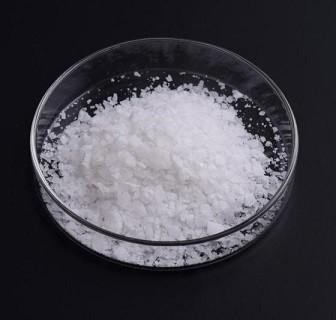
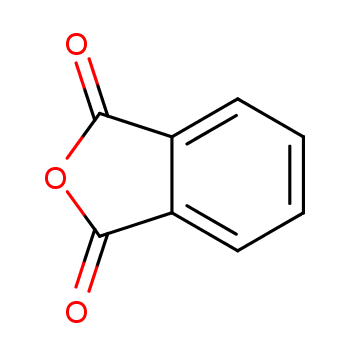
Phthalic anhydride, with the molecular formula C6H4(CO)2O, is a crucial industrial chemical. It is the anhydride of phthalic acid, formed by the removal of a water molecule from phthalic acid. Phthalic anhydride, a white solid, is soluble in many organic solvents. What are the uses of phthalic anhydride? It is a key intermediate for producing many important products. It's estimated that the global annual production of phthalic anhydride was approximately 3 million tons in 2000. Phthalic anhydride is a widely used chemical substance, playing a role in many products we use daily.
What is phthalic anhydride used for? Phthalic anhydride is a versatile industrial chemical with multiple commercial applications. Here are some of its most important uses:
(1) Plasticizers: This is a major application. Phthalic anhydride is crucial for producing phthalate esters, which are added to plastics like PVC (polyvinyl chloride) to make them more flexible and easier to handle. Products containing phthalate plasticizers include wires and cables, coated fabrics, roofing membranes, and pool liners.
(2) Polyester Resins: Phthalic anhydride is also a precursor to polyester resins used in various applications such as paints, coatings, and composites.
(3) Alkyd Resins: Derived from phthalic anhydride, alkyd resins are used in paints.
(4) Dyes and Pigments: Phthalic anhydride serves as a raw material for certain dyes and pigments used in various industries.
(5) Other Uses: Phthalic anhydride has some less common commercial applications such as insect repellents and as a coating for cellulose acetate pills.
Phthalic anhydride finds wide use in industry for the production of certain dyes. One well-known application of this reactive compound is the preparation of anthraquinone dye alizarin by reaction with chlorophenol, followed by hydrolysis of the chloride. Phenolphthalein can be synthesized by condensation of phthalic anhydride with two equivalents of phenol under acidic conditions (hence the name). It was discovered by Adolf von Baeyer in 1871.
Phthalic anhydride plays a role as a precursor to alkyd resins in paint production. These resins are basic components of many traditional paints and coatings.
(1) Durability: Alkyd resins offer good resistance to scratching, abrasion, and weathering, making them suitable for high-traffic areas and exterior applications.
(2) Flexibility: Alkyd paints adhere well to various surfaces and provide a certain degree of flexibility, preventing cracking and peeling over time.
(3) Fast Drying: Alkyd paints dry relatively quickly compared to other types of coatings, allowing for faster project completion.
(4) Gloss Options: Alkyd resins can achieve a range of finishes, from high gloss to satin and even flat, through formulation.
(5) Good Adhesion: Alkyd paints generally adhere well to various substrates including wood, metal, and masonry.
Phthalic anhydride itself is not directly used as a drug. However, it is a precursor to some chemically relevant substances with medicinal value. Here are some examples:
This is an intestinal antimicrobial agent once used to treat diarrhea. However, it is no longer widely used due to the development of more effective antibiotics.
Derived from phthalic anhydride treated with cellulose acetate, CAP is a common enteric coating excipient used in some medications. Enteric coatings are special coatings that allow drugs to pass through the stomach without dissolution, but subsequently dissolve and release the drug in the intestines. CAP has also been found to have some antiviral activity.
One of the advantages of phthalic anhydride is its use as a plasticizer. These substances are typically natural and organic, often existing in liquid form. When combined with plastics or elastomers, plasticizers impart expandability and flexibility, enhancing the possibilities of polymer processing.
Plasticizers are generally considered the most widely used additives in the plastic industry. They are much cheaper than other additives used in polymer processing. Using them can reduce costs. Plasticizers are commonly used in the manufacture of PVC, enabling its use in various products. They reduce the viscosity of molten polymers, increasing the melt temperature, the glass transition temperature, and the elastic modulus in the final product, thereby enhancing the polymer's flowability and thermal resilience.
Another widespread use of phthalic anhydride is in alkyd resins. These types of resins are known as the most common and inexpensive synthetic resins. Alkyd coatings exhibit good resistance to sunlight, mild acidic environments, and rain. They are not very sensitive to surface cleanliness during application and adhere easily to the desired surface. Spraying weak acids and low sulfur dioxide vapors does not affect the quality of these coatings.
Another advantage of using phthalic anhydride is its application in medicine. When treated with cellulose acetate, phthalic anhydride cellulose acetate undergoes normal reactions in the body. This material is used as a common auxiliary choice for coating intestines. Another advantage of this substance is its antiviral activity.
Another use of phthalic anhydride is to enhance the fire resistance and flame retardancy of materials and coatings. Other advantages of this material include its use in the production and manufacture of polyester polyols, polyesterimide resins, and halogenated anhydrides.
One of the main advantages of phthalic anhydride is its use in the production of unsaturated polyester resins. These resins are difficult to heat and can be cured from a liquid state as long as suitable conditions are present. The most widely used resin in the world is the unsaturated polyester resin. These resins have a primary polymer chain resulting from ester bonds. Additionally, the result of reinforcement reactions is the combination of multi-element acids and multi-element alcohols.
Another advantage of using this material is that it can be considered a precursor to various useful reagents in organic compounds. One of its well-known applications is as a reactant in the preparation of anthraquinone vat dyes through the hydrolysis reaction of chlorides and chlorophenols.
Through our discussion in this paper, we gained insights into the primary uses and applications of phthalic anhydride across various sectors. Phthalic anhydride demonstrates its diverse potential and significance. To maximize its potential, we encourage industries to continue innovating and exploring new application areas and possibilities. Through ongoing exploration and practical application, we can better harness this compound to drive progress and development across industries.
[1] https://en.wikipedia.org/wiki/Phthalic_anhydride
[2] https://mohebbaspar.com/en/advantages-of-phthalic-anhydride/
[3] https://www.epa.gov/assessing-and-managing-chemicals-under-tsca/risk-evaluation-phthalic-anhydride
[4] https://hpvchemicals.oecd.org/UI/handler.axd?id=ce1be9d2-c97e-414a-b21f-60e9f4923a38
 |
 |
 |
 |
|
|
 EN
EN
 Agricultural News
 Food News
 Industrial News
 Cosmetic News
 Pharmaceutical News
 Science News

 3YRS
3YRS


