-
We detected your language preference as English. Would you like to switch to the English version for a better experience?
Switch to English
Stay here


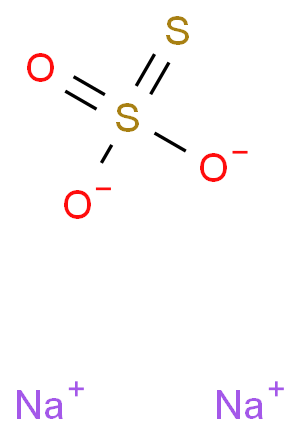
Sodium thiosulfate, also known as hypo, is a colorless crystal with valuable industrial applications, primarily used as an antidote for cyanide poisoning and to mitigate side effects during chemotherapy. Additionally, it finds extensive use in the photography industry, water treatment sector, and aquaculture. In swimming pool water maintenance, sodium thiosulfate serves as a common chemical ingredient and reducing agent, crucial for neutralizing chlorine content and maintaining water quality. This article will delve into the applications of sodium thiosulfate and how to properly add it to swimming pools.
In swimming pool maintenance, maintaining water balance is crucial. Even slight temperature and water quality fluctuations can lead to chemical changes in the water, causing discomfort. Chlorine in pool water can damage hair, leading to dryness, breakage, and discoloration. Therefore, proper circulation, filtration, and disinfection of pool water are essential.
During pool water treatment, sodium thiosulfate plays a critical role. Widely used in medical and industrial fields, it's a common additive in pool water treatment processes, mainly for chlorine removal. Chlorine, a common disinfectant in pool water, kills bacteria and microorganisms to maintain cleanliness and hygiene. However, excess chlorine can harm human health, causing skin and eye irritation, respiratory issues, and dizziness.

There are several convenient and effective methods for adding sodium thiosulfate to swimming pools. One common method is to dissolve it in a bucket of water before adding it to the pool. This ensures uniform distribution of the chemical in the water, minimizing the risk of localized high concentrations. Another method is to use chemical feeders or automatic dosing systems designed for pool maintenance. These systems can be set to automatically add the correct amount of sodium thiosulfate to the pool water, providing convenient and precise dosing.
Sodium thiosulfate for swimming pools can remove free chlorine and combined chlorine (chloramines) from pool water, balancing the chemical levels. It's a simple, safe, and cost-effective method to balance the chemical levels in pool water. The use of sodium thiosulfate in swimming pools has no adverse side effects, so you don't have to worry.
Determining the proper dosage of sodium thiosulfate for a swimming pool depends on factors such as pool size, chlorine levels, and water chemistry. Generally, dosage guidelines recommend gradually adding sodium thiosulfate and regularly testing chlorine levels in the pool water, adjusting the dosage as needed. So, how much sodium thiosulfate is needed to neutralize chlorine? In pool maintenance, the typical dosage range of sodium thiosulfate is about 1 pound per 10,000 gallons of water, used for neutralizing chlorine after shock treatment or maintaining residual chlorine levels within the recommended range. Therefore, knowing the volume of your swimming pool is essential when you do this yourself. When used as directed, sodium thiosulfate reduces your chlorine level by approximately 10ppm.
Sodium thiosulfate, a sulfur-containing compound, undergoes the following chemical reaction when it comes into contact with chlorine gas:
2Na2S2O3 + 4Cl2 → 4NaCl + 6SO2 + 6H2O
In this reaction, sulfur atoms in sodium thiosulfate combine with chlorine atoms in chlorine gas, producing harmless sulfur dioxide and sodium chloride. Simultaneously, the reaction converts chlorine gas in the pool water into sulfur dioxide, effectively reducing the chlorine content in the pool water.
By using sodium thiosulfate, excess chlorine in pool water can be effectively neutralized, maintaining optimal pool water conditions and protecting the health of swimmers.
Sodium thiosulfate prevents scaling in pool equipment. Precipitation of calcium carbonate due to water chemistry imbalance causes calcium scaling. Sodium thiosulfate prevents this by binding with calcium ions, preventing their deposition on pool surfaces and equipment. This not only extends the life of pool components but also reduces the need for frequent cleaning and maintenance, saving time and resources for pool owners.
Does sodium thiosulfate lower pH? Sodium thiosulfate plays a crucial role in stabilizing the pH of swimming pools, contributing to improved water quality and swimmer comfort. Fluctuations in pH can cause discomfort to swimmers and affect the effectiveness of chlorine disinfection. Sodium thiosulfate acts as a buffer, helping to maintain a stable pH within the optimal range for swimming. By stabilizing pH, sodium thiosulfate ensures that pool water remains comfortable and safe for swimmers, while also optimizing the effectiveness of other pool chemicals.
Chlorine is commonly used for pool water disinfection but can cause irritation, especially to those with sensitive skin or eyes. Sodium thiosulfate can neutralize excess chlorine, ensuring that swimmers are less likely to experience discomfort or irritation during and after swimming. This provides a more enjoyable and comfortable swimming experience for all pool users.
Sodium thiosulfate effectively prevents algae growth in pool water, primarily due to its chemical properties. Although chlorine plays an essential role in pool water treatment, it cannot distinguish between bacteria and algae in the water. Sodium thiosulfate has strong antioxidant properties, which effectively inhibit algae growth. Therefore, by controlling chlorine levels and using sodium thiosulfate, pool water quality can be ensured.
Sodium thiosulfate can play a proactive remedial role in cases of excessive chlorine levels. When chlorine levels are too high, it can cause skin damage, resulting in dryness, redness, itching, etc. Sodium thiosulfate can effectively remove chlorine from pool water, ensuring that water quality meets ideal health standards.
Sodium thiosulfate significantly improves overall water quality, making the pool cleaner and eliminating pathogens and microorganisms from the water. For example, Daisylex's Dream Blue eco-friendly water treatment agent, designed to address common problems with swimming pool water quality, contains sodium thiosulfate as one of its main ingredients. This agent can coagulate and precipitate large particles of pollutants, combined with potassium hydrogen peroxysulfate, to improve water quality.
Sodium thiosulfate is a commonly used hazardous chemical that requires special attention to safety when handling and storing it. Here are some safety tips for using sodium thiosulfate:
(1) Proper use should be carried out under the guidance of professionals, and the safety instructions for the product should be carefully read before use.
(2) Safety goggles, masks, and gloves should be worn before use to prevent injury to the skin, eyes, respiratory system, etc.
(3) When storing, it should be kept in a dry, ventilated, and cool place, away from sources of fire, acids, oxidants, and other flammable materials.
(4) In case of accidents, the scene should be isolated immediately, and professional chemical handling methods should be used for cleaning or disposal to avoid further danger.
(1) Adhere to government and local environmental regulations for safe waste disposal to avoid environmental harm.
(2) Sodium thiosulfate after use should be disposed of properly using appropriate waste liquid treatment techniques to avoid environmental pollution.
(3) When handling waste, special containers and handling methods should be used to prevent secondary pollution.
(1) Pool owners are advised to consult professionals for best practices and safety requirements for using sodium thiosulfate to obtain more specific and personalized guidance.
(2) Professionals can provide expert advice and guidance to help pool owners manage sodium thiosulfate safely and effectively.
The benefits of using sodium thiosulfate for pool maintenance are numerous and significant. It prevents scale formation in pool equipment, stabilizes pH, reduces exposure to chlorine for skin and eyes, making it a valuable addition to any pool maintenance routine. By adding sodium thiosulfate, pool owners can enjoy cleaner and more comfortable swimming conditions while extending the life of pool infrastructure. Therefore, we encourage readers to take action and incorporate sodium thiosulfate into their pool maintenance plans. Whether through manual dosing or automatic systems, incorporating sodium thiosulfate into pool care practices can provide a safer and more enjoyable swimming experience for everyone.
[1] https://clearchoicepoolcaretx.com/sodium-thiosulfate-for-pools/
[2] Yang Jun, Hu Xiaoli, Dai Yongrui, et al. Experimental Study on Microwave Synthesis of Sodium Thiosulfate [J]. Journal of Southwest University(Natural Science Edition), 2012,37(01):114-117. DOI:10.13718/j.cnki.xsxb.2012.01.017.
[3] Cao Xiangyu, Cui Chongwei, Huang Junli. Kinetics of Sodium Thiosulfate Reducing Chlorine Dioxide [J]. Journal of Chemical Engineering of Chinese Universities, 2007, (05):803-807.
 |
 |
 |
 |
 |
 |
 EN
EN
 Agricultural News
 Food News
 Industrial News
 Cosmetic News
 Pharmaceutical News
 Science News

 1YR
1YR

