-
We detected your language preference as English. Would you like to switch to the English version for a better experience?
Switch to English
Stay here


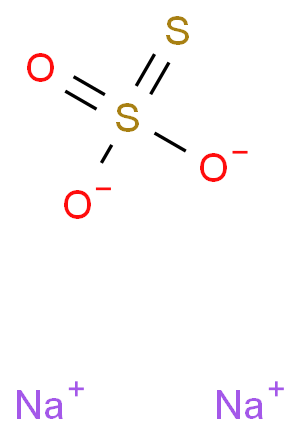
Sodium thiosulfate is an inorganic compound with the molecular formula Na2S2O3·(H2O)(x). Typically provided as a white or colorless pentahydrate (x = 5), it is a white solid that readily dissolves in water. Sodium thiosulfate is primarily used in dyeing, converting certain dyes into soluble colorless forms. It is also used in bleaching wool, cotton, silk, and more. However, both the benefits and hazards of sodium thiosulfate merit careful consideration. While its efficacy in detoxification processes and medical treatments is well-known, it also poses inherent risks to human health and the environment. In this article, we will delve into the multifaceted nature of sodium thiosulfate, exploring its potential hazards, safety risks, and its non-toxic mechanisms in the human body.
Is sodium thiosulfate hazardous? Sodium thiosulfate finds widespread application in industries such as printing and papermaking, reacting with iodine under different conditions to produce various products. However, it has been found to possess certain dangers, hence understanding the hazards of sodium thiosulfate is crucial for safeguarding human health and the environment. Safety hazards associated with sodium thiosulfate include:
(1) Sodium thiosulfate is a hazardous chemical, possessing reducing and corrosive properties, which are significant factors in its danger. It can cause irritation to the human body, potentially leading to damage to organs such as the liver and kidneys with prolonged exposure. Strict adherence to operational procedures is necessary during any handling processes to avoid direct or indirect contact with sodium thiosulfate, reducing the occurrence of hazardous accidents.
(2) Hazardous reactions may occur during the handling of sodium thiosulfate. For instance, it may produce toxic gases such as chlorine and sulfur dioxide when reacting with chlorine gas or sodium hypochlorite. Therefore, adequate ventilation is required during sodium thiosulfate handling, along with strict adherence to safety protocols, to prevent gas leaks and poisoning accidents.
(3) Sodium thiosulfate may pose environmental hazards. It can be absorbed by water bodies, negatively impacting the growth and reproduction of aquatic organisms. Sodium thiosulfate may also combine with other substances to form harmful compounds, polluting the environment. Thus, measures must be taken to ensure the safe handling and disposal of sodium thiosulfate during processing and transportation to avoid further environmental contamination.

Potential health effects on eyes: may cause mild eye irritation.
Engineering Controls: Facilities storing or using this material should be equipped with eyewash facilities and safety showers. Ensure adequate ventilation during use to maintain low concentrations in the air.
Sodium thiosulfate is a hazardous chemical, possessing irritant, corrosive, and toxic properties. Contact or inhalation of sodium thiosulfate may result in irritation of the eyes, skin, and respiratory tract, and even cause severe chemical burns.
Interpreting hazard symbols associated with sodium thiosulfate is crucial for identifying potential dangers and taking appropriate preventive measures. Hazard symbols serve as visual cues, warning individuals of specific dangers associated with the substance. By understanding these symbols, individuals can quickly identify the risks involved in handling sodium thiosulfate and take necessary precautions to minimize exposure. Whether corrosive, toxic, or environmentally hazardous, hazard symbols provide valuable information to ensure safe handling.
Implementing safety precautions is crucial for reducing hazards associated with sodium thiosulfate throughout its entire cycle, from storage to disposal. By adhering to recommended safety measures, such as wearing appropriate personal protective equipment (PPE), maintaining good hygiene practices, and using proper storage containers, individuals can minimize the risk of accidents or exposure. Additionally, proper handling and disposal procedures are essential for preventing environmental pollution and ensuring workplace safety. Through comprehensive safety measures, individuals can mitigate potential risks associated with sodium thiosulfate and promote a safe working environment for all.
Exposure to sodium thiosulfate can pose various health hazards that require careful consideration of potential complications. When handled properly, sodium thiosulfate is generally considered relatively safe, but prolonged or excessive exposure may lead to adverse health effects. Respiratory irritation, skin allergies, and eye irritation are potential health complications associated with sodium thiosulfate exposure. In more severe cases, ingestion or inhalation of high concentrations of sodium thiosulfate may cause nausea, vomiting, and gastrointestinal discomfort. Therefore, individuals using sodium thiosulfate must adhere to recommended safety protocols, including wearing appropriate PPE and maintaining good hygiene practices.
Is Sodium Thiosulfate Harmful to the Environment? Besides health hazards, sodium thiosulfate and its pollutants may also impact the environment, necessitating careful handling and disposal. While sodium thiosulfate itself is considered relatively harmless to the environment, improper disposal or accidental leaks may lead to contamination of soil, water bodies, and aquatic ecosystems. The presence of sodium thiosulfate residues in waterways can disrupt aquatic ecosystems, affecting the health and biodiversity of aquatic organisms. Therefore, for individuals and industries using sodium thiosulfate, implementing effective waste management measures and complying with regulatory guidelines are crucial to minimize environmental impact and promote environmental sustainability.
Despite its hazardous nature, sodium thiosulfate is considered non-toxic to humans due to its mechanism of action. This compound acts as a reducing agent, effectively neutralizing toxins through redox reactions. Specifically, sodium thiosulfate reacts with harmful substances by providing sulfur atoms, forming harmless sulfate that can be easily excreted from the body. This mechanism protects humans from toxicity, making sodium thiosulfate a valuable reagent in various applications.
In medical practice, sodium thiosulfate is widely used due to its therapeutic effects and significant safety. Its versatility extends to the treatment of cyanide poisoning, acting as an antidote by forming less toxic compounds with cyanide. Additionally, sodium thiosulfate is used in dermatological treatments to counteract the irritant effects of certain chemicals, making it a primary ingredient in skincare formulations. Importantly, its use is generally well-tolerated with minimal side effects, further demonstrating its practicality and reliability in medical settings.
Compared to other chemicals, sodium thiosulfate's impact on the environment is generally less severe. However, due to its potential to disrupt ecosystems, it still warrants attention. One significant issue is its contribution to eutrophication when released into water bodies as a source of sulfur. Excessive sulfur can stimulate algae growth, leading to oxygen depletion and harming aquatic life. Additionally, overuse of sodium thiosulfate in agricultural practices can alter soil pH, potentially affecting plant health and soil fertility. To mitigate these risks, proactive measures must be taken. Implementing appropriate waste management schemes to prevent sodium thiosulfate from entering waterways is crucial. Promoting the use of less hazardous alternative substances where feasible can help reduce environmental impact. Encouraging responsible application techniques in agriculture, such as precise dosing and targeted application, can minimize soil pollution and mitigate potential negative impacts on ecosystems. Adopting sustainable practices is key to ensuring the responsible use of sodium thiosulfate and safeguarding environmental health.
When handling sodium thiosulfate, following safe operational methods is key to minimizing risks and ensuring personal safety: (1) Sodium thiosulfate must be stored in well-ventilated areas, away from incompatible substances such as acids and oxidizers, to prevent potential reactions or hazards. When using the compound, ensure containers are properly labeled, clearly identifying sodium thiosulfate to avoid confusion with other chemicals. (2) Handle sodium thiosulfate with care, avoiding spills or splashes that may cause skin or eye irritation. In case of accidental contact, affected areas should be immediately rinsed with water, and medical attention sought if necessary. (3) Maintain good hygiene practices, such as thorough handwashing after handling sodium thiosulfate, to prevent accidental ingestion or contact.
Personal protective equipment plays a crucial role in protecting individuals from potential hazards associated with sodium thiosulfate. When using this compound, appropriate PPE must be worn, including safety goggles or face shields to prevent eye contact and splashes. Additionally, wearing gloves resistant to chemical substances can provide a barrier against skin contact and minimize the risk of irritation or dermatitis. Wearing laboratory coats or protective clothing can prevent accidental contamination of clothing and skin. In situations where there is a risk of inhalation, such as when handling powdered forms, wearing dust masks or respirators is recommended to prevent respiratory irritation. Adhering to these PPE guidelines reinforces safety protocols and ensures the health of individuals handling sodium thiosulfate.
While sodium thiosulfate has valuable applications across various fields, recognizing and addressing the potential hazards and safety issues associated with its handling is crucial. Therefore, individuals and industries must prioritize safety measures and adhere to recommended guidelines when using sodium thiosulfate. By implementing proper storage, handling, and disposal practices, as well as using appropriate personal protective equipment, the risks associated with sodium thiosulfate can be effectively mitigated. Let us strive to promote safe practices, cultivate responsible behavior in using sodium thiosulfate, ensuring its beneficial applications while minimizing potential hazards.
[1] https://www.cdc.gov/niosh/ipcsneng/neng0165.html
[2] https://fscimage.fishersci.com/msds/96523.htm
[3] https://www.ilo.org/dyn/icsc/showcard.display?p_card_id=1138&p_version=2&p_lang=en
[4] https://en.wikipedia.org/wiki/Sodium_thiosulfate#Production
 |
 |
 |
 |
 |
 |
 EN
EN
 Agricultural News
 Food News
 Industrial News
 Cosmetic News
 Pharmaceutical News
 Science News

 6YRS
6YRS

