-
We detected your language preference as English. Would you like to switch to the English version for a better experience?
Switch to English
Stay here


What is sodium thiosulfate? Sodium thiosulfate is an important inorganic compound that has drawn attention due to its wide-ranging applications in aquaculture, gold mining, water treatment, silver-based film development, and printing. Its influence in aquaculture is particularly significant, serving purposes such as detoxification, nitrite degradation, chlorine removal, reduction of water temperature, and management of black and red water caused by algal blooms.
What is the common name of sodium thiosulphate? Sodium thiosulfate is commonly known as sodium hyposulfite and hypo. These names stem from different forms of the chemical formula Na2S2O3·5H2O. For instance, sodium hyposulfite refers to the hydrated form, while hypo is the name for the anhydrous sodium thiosulfate. These names are widely used in chemical industry and pharmaceuticals.
This article will delve into the basic properties and applications of sodium thiosulfate, aiming to explore its potential in various fields. Let's uncover the wonders of sodium thiosulfate together!
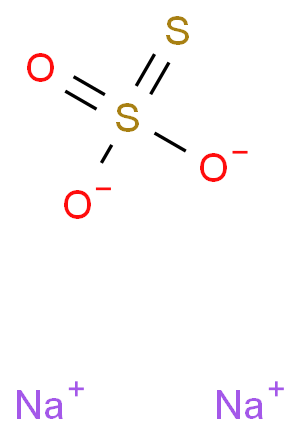
The sodium thiosulfate formula is Na2O3S2. It exhibits a range of unique physical and chemical properties, making it indispensable in various applications. Physically, sodium thiosulfate typically appears as colorless crystalline solid with a distinctive odor. Its chemical structure comprises sodium ions (Na+) and thiosulfate ions (S2O32-), granting it unique properties.
Solubility and pH characteristics are crucial factors determining its efficacy in different environments. Sodium thiosulfate has high solubility in water, forming clear and colorless solutions, commonly used in analytical chemistry and water treatment applications.
Moreover, sodium thiosulfate demonstrates significant stability and reactivity under various conditions. Properly stored, it remains stable, resistant to decomposition, ensuring its long-term effectiveness during storage and transportation. However, its reactivity with certain substances, such as acids and oxidizing agents, highlights its utility as a reducing agent in chemical reactions and industrial processes.
Due to its versatile applications and multifunctionality, sodium thiosulfate serves as a cornerstone in various industries. From chemical synthesis to biochemistry, from wastewater treatment to mineral separation, sodium thiosulfate finds applications across diverse fields. Its roles include dyeing, bleaching, and purification agent, such as thiosulfate-based dyes like Bunte salts, integral components in electroplating and water purification processes. In chemical industry, sodium thiosulfate contributes as a reducing agent and dechlorinating agent in numerous manufacturing processes. It plays a crucial role in textile applications, such as reducing chlorine after bleaching cotton fabrics and serving as a sulfur dyeing agent for wool fabrics. Furthermore, sodium thiosulfate in pharmaceuticals serves as a detergent, disinfectant, and decolorizing agent, showcasing its multifunctionality in different environments. As a desulfurizing agent, sodium thiosulfate addresses environmental challenges by treating automotive exhaust, wastewater, and sulfur-containing compounds, underscoring its indispensable role in sustainable solutions.
In photography, sodium thiosulfate, known as a fixing agent, sometimes still referred to as "hypo," derived from its initial chemical name—hypo sulfite soda. Its role is to dissolve silver halides, such as AgBr, components of photosensitive emulsions. It is used in the processing of films and photographic papers. However, for this application, ammonium thiosulfate is often preferred over sodium thiosulfate. The ability of sodium thiosulfate to dissolve silver ions relates to its ability to dissolve gold ions.
Sodium thiosulfate is used to treat cyanide poisoning and is listed on the World Health Organization's List of Essential Medicines. Other uses include local treatment of tinea and pityriasis versicolor, treatment of some side effects of hemodialysis and chemotherapy. In September 2022, the U.S. Food and Drug Administration (FDA) approved the sale of sodium thiosulfate under the trademark Pedmark to reduce the risk of ototoxicity and hearing loss in infants, children, and adolescents receiving chemotherapy for cancer.
Sodium thiosulfate is used to remove chlorine from tap water, including reducing the chlorine content used in aquariums, swimming pools, and spas, as well as treating backwash water settling in water treatment plants before discharge into rivers. The reduction reaction is similar to the iodine reduction reaction.
In pH testing of bleach, sodium thiosulfate neutralizes the bleaching action of bleach, allowing liquid indicators to test the pH of bleach solutions. The reaction is similar to the iodine reaction: thiosulfate reduces hypochlorite (the active ingredient in bleach) and is oxidized to sulfate. The complete reaction is:
4 NaClO + Na2S2O3 + 2 NaOH → 4 NaCl + 2 Na2SO4 + H2O
Similarly, sodium thiosulfate reacts with bromine to remove free bromine from solution. Sodium thiosulfate solution is commonly used in chemical laboratories as a precautionary measure when dealing with bromine, iodine, or other strong oxidants.
Sodium thiosulfate is an important chemical raw material, widely used in printing and dyeing, papermaking, and other fields. However, its properties are extremely dangerous, requiring us to understand its hazards and take corresponding safety measures. Sodium thiosulfate is a strong reducing agent with strong corrosiveness and pollution. Its reaction with oxygen, acids, and other substances is intense, producing toxic and corrosive gases that pose serious hazards to the environment and life safety. Therefore, proper protective measures must be taken when handling and storing sodium thiosulfate to prevent accidents.
Secondly, sodium thiosulfate also has strong toxicity, which can cause harm to the human body. When using and storing sodium thiosulfate, it is necessary to strictly follow the operating procedures, wear protective equipment, store it in a dry, ventilated, and cool place, away from flammable and explosive materials, and label, mark, and record its handling in accordance with the prescribed methods. At the same time, avoid contact with most metals and pay attention to environmental protection.
When handling sodium thiosulfate accidents, isolation measures must be taken promptly, and professional chemical handling methods must be adopted. If accidentally exposed to sodium thiosulfate, rinse immediately with plenty of water and seek medical attention promptly.
To reduce the hazards of sodium thiosulfate, companies should formulate comprehensive emergency plans for environmental pollution, strengthen the collection and transfer of waste liquids and other products, and adopt appropriate waste liquid treatment technologies. Meanwhile, the public should enhance safety awareness, avoid contact with sodium thiosulfate, and protect their own health.
Sodium thiosulfate is a widely used reagent, employed in tasks such as iodometric titrations and determining the concentrations of various oxidizing agents, including chlorates, hypochlorites, and potassium permanganate.
In analytical chemistry, sodium thiosulfate serves primarily as a redox titrant. It facilitates electron transfer in redox reactions, leading to smoother reactions and easier observation and determination of endpoints. Consequently, sodium thiosulfate finds extensive application in experimental work involving analytical chemistry and titration methods.
In chemical education, the role of sodium thiosulfate is equally significant. By studying its properties, uses, and application methods, students can better comprehend chemical reactions and titration processes. Particularly in the conditions of the iodometric determination method, the utilization of sodium thiosulfate allows students to gain a deeper understanding of the principles and techniques involved in chemical titrations.
Sodium thiosulfate is a compound with diverse properties and applications. From its unique physical and chemical properties to its wide industrial applications, sodium thiosulfate is a valuable asset in chemistry synthesis, water treatment, photography, and more. However, vigilance must be maintained regarding potential hazards associated with its handling and storage, ensuring compliance with safety protocols at all times. Here, readers are encouraged to delve deeper into more resources to deepen their understanding of sodium thiosulfate and stay informed about the latest developments and innovations in its applications and uses. By remaining proactive and well-informed, we can harness the power of sodium thiosulfate for the betterment of society and the environment.
[1] Niu, M. Research on the Electrocatalytic Oxidation Kinetics of Sodium Thiosulfate on Polycrystalline Gold Electrode[D]. China University of Mining and Technology, 2022. DOI:10.27623/d.cnki.gzkyu.2022.001704.
[2] Wikipedia. Sodium Thiosulfate. Available at: https://en.wikipedia.org/wiki/Sodium_thiosulfate
[3] PubChem. Sodium Thiosulfate. Available at: https://pubchem.ncbi.nlm.nih.gov/compound/Sodium-Thiosulfate
 |
 |
 |
|
 |
|
 EN
EN
 Agricultural News
 Food News
 Industrial News
 Cosmetic News
 Pharmaceutical News
 Science News

 6YRS
6YRS

