-
We detected your language preference as English. Would you like to switch to the English version for a better experience?
Switch to English
Stay here


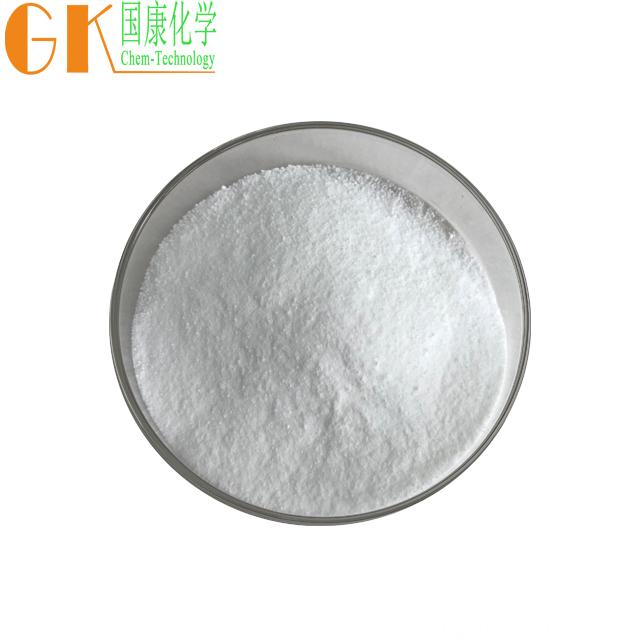
Etidronic acid, widely designated HEDP and identified by CAS 2809-21-4, is a compact organophosphonate used for threshold scale inhibition, metal-ion sequestration and corrosion-control support. Its two phosphonic-acid groups and hydroxyethylidene structure give strong interaction with calcium and iron species across industrial water treatment, oilfield, reverse-osmosis, textile and metal-treatment operations.
The commercial product is usually an aqueous acid solution, commonly standardized by active content, density, pH, phosphorous acid, chloride and iron, rather than traded solely as neat crystalline material. Procurement must align concentration and assay basis with the application. Performance depends on water chemistry, temperature, oxidant exposure and compatibility with other formulation components; a generic “scale inhibitor” certificate is insufficient.
The 2026 market faces a dual pressure: industrial systems need dependable control at low dose, while regulators and water authorities increasingly scrutinize total-phosphorus discharge and eutrophication. Suppliers must support REACH, CLP, TSCA and transport compliance, quantify phosphorus contribution and help customers evaluate low-phosphorus or phosphorus-free programs. PASP, PESA and polycarboxylates are gaining attention, although substitution requires system-specific performance validation.
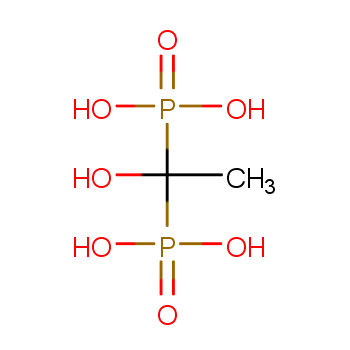
HEDP has molecular formula C2H8O7P2 and relative molecular mass about 206.03. Commercial acid solutions are strongly acidic and highly water soluble. Multiple dissociation steps generate phosphonate donor sites as pH rises. These sites adsorb on nascent mineral surfaces and coordinate multivalent ions, allowing HEDP to function below stoichiometric sequestration levels when threshold inhibition is the objective.
Established manufacturing reacts an acetyl source with phosphorus reagents, commonly through acetic-acid or acetyl-chloride chemistry involving phosphorus trichloride, followed by controlled hydrolysis. Alternative process families use phosphorous acid with activated acetic reagents. Industrial route selection balances reagent availability, HCl management, heat removal, conversion, color and residual phosphite while keeping corrosive intermediates enclosed.
Water reuse, higher cooling cycles of concentration, membrane desalination and aging industrial infrastructure sustain demand for robust antiscalants. At the same time, phosphorus permits are narrowing acceptable discharge. Buyers are moving from single-ingredient purchasing toward total-program optimization, using monitoring and blended polymers to reduce phosphorus per unit of water treated. Commodity demand remains significant, but documented application efficiency increasingly shapes tenders.
China is a leading production and export base with integrated phosphorus-chemical and water-treatment clusters. The United States combines domestic production, formulation and oilfield or industrial service networks. Europe maintains specialty formulation, regulatory expertise and high-specification demand despite elevated energy and compliance costs. HEDP often moves as aqueous solution in drums, IBCs or tanks, so freight, container utilization and corrosive-liquid handling materially affect landed economics.
Pricing follows phosphorus trichloride or phosphorous-acid economics, acetic inputs, hydrochloric-acid credits or disposal, energy, water and freight. Standard industrial solution competes on active-equivalent delivered cost, while low-color, low-iron and tightly controlled phosphite grades command premiums. Buyers must correct for assay, density and packaging return. A dilute quote can appear cheaper per tonne while costing more per unit of active HEDP and carrying more water across oceans. Tender comparisons should also isolate the cost of neutralization: purchasing acid and adding local caustic may be attractive where safe equipment exists, whereas a formulated salt reduces handling burden but embeds alkali and conversion cost. Contract indices work best when they distinguish phosphorus feedstock, concentration energy, packaging and regional freight. Spot discounts during oversupply should not displace qualification of corrosion, impurity and treatment performance, because an off-spec batch can cause membrane cleaning, heat-exchanger fouling or wastewater noncompliance far beyond the material saving.
Compliance must address the exact acid concentration or salt sold. Strong acid solutions may meet corrosive classifications, while aquatic-hazard conclusions depend on available substance and formulation data. Labels, SDS and transport documents must remain consistent with current jurisdictional criteria. Wastewater obligations often govern practical market access more directly than chemical registration because the active contributes phosphorus and can mobilize metals.
The principal sustainability tension is clear: HEDP can improve water and energy efficiency by keeping heat-transfer and membrane surfaces clean, yet it adds persistent phosphorus to water systems and can ultimately yield orthophosphate. ESG evaluation should quantify avoided blowdown or cleaning against total-phosphorus load, precursor impacts, acid-gas control and wastewater treatment.
Upstream phosphorus chemistry, chlorine-linked reagents, steam and neutralization contribute to product footprint. Producers can improve intensity through yield optimization, heat integration, HCl recovery, closed transfer and concentration choices that avoid shipping excess water. Customer programs should measure treatment efficiency per cubic metre and phosphorus discharged, not reward higher chemical volume. Returnable IBC systems can reduce packaging waste where cleaning and reverse logistics are controlled.
Traceability should cover phosphorus reagent source, acetyl input, reaction batch, finishing tank and packaging. ISO 9001 and ISO 14001 provide system evidence but buyers also need phosphorus mass balance, emissions history and waste-treatment data. Low-phosphorus sourcing strategies may blend HEDP with PASP, PESA or polycarboxylates; “phosphorus-free” claims require analytical confirmation across every component and contaminant source. Alternative selection must compare calcium-carbonate and calcium-sulfate inhibition, iron tolerance, thermal stability, oxidant response, biodegradation, aquatic profile and impact on downstream membrane or wastewater operations. PASP and PESA can support more biodegradable or lower-phosphorus positioning in suitable systems, while polycarboxylates provide dispersancy and crystal modification, but no candidate is a universal one-for-one replacement. Pilot testing should reproduce concentration cycles, residence time, metallurgy and biological-control chemistry. Procurement specifications can then cap phosphorus per delivered performance unit rather than simply banning one ingredient, avoiding substitutions that increase total chemical demand, corrosion, cleaning frequency or water consumption. Supplier traceability should include the alternative polymer's residual monomers, molecular-weight distribution and preservation system.
Resilience planning should distinguish acid HEDP from neutralized salts and formulated antiscalants. They are not interchangeable in pH, solids, corrosion or shipping profile. Buyers should qualify at least two plants using matched analytical methods, retain samples and test performance in representative water. Seasonal phosphorus-plant constraints and container availability can be more disruptive than nominal synthesis capacity.
For sea transport, the shipper must determine corrosive classification, proper shipping name, packing group and any marine-pollutant status for the exact product under the current IMDG Code. ADR and IATA decisions require separate confirmation. Packaging approvals, venting policy, segregation, labels and emergency information must match the declaration. Export documents should state concentration and avoid ambiguous substitution of HEDP salt data.
Winning exporters combine active-equivalent cost transparency, destination registration and practical water-treatment evidence. They should avoid universal performance claims and instead provide data across pH, hardness, temperature and oxidant conditions. Distribution partners need corrosion-safe storage, batch traceability and enough technical capability to prevent acid product from being substituted casually for a salt or formulated blend.
HEDP remains a versatile industrial phosphonate because it combines threshold inhibition, metal sequestration and formulation robustness. Its future is not defined by simple phase-out or unrestricted growth, but by measured use in systems where water, energy and asset-protection benefits justify the associated phosphorus load.
For 2026 procurement, buyers should prioritize active-content transparency, pH and impurity control, relevant performance testing, lawful corrosive-liquid transport and credible total-phosphorus management. Suppliers that pair efficient manufacture with low-phosphorus program design and transparent alternative screening will be best positioned as eutrophication controls tighten across markets.
Powered by Guidechem
This white paper is exclusively compiled by the Guidechem Intelligence Team based on global customs data, regulatory databases, and industry research. Guidechem is a leading global B2B chemical platform, dedicated to connecting global buyers with verified, high-quality manufacturers.
Relying on Guidechem's extensive global database, we have mapped the core participants in the current global Etidronic acid (HEDP) supply chain:
Disclaimer: The content of this white paper is compiled based on public market data and regulatory information available as of 2026. Global chemical regulations are subject to dynamic adjustments. In actual export operations, enterprises must consult professional regulatory advisors or relevant competent authorities to obtain the latest compliance guidance.
|
 |
 |
 |
 EN
EN
 Agricultural News
 Food News
 Industrial News
 Cosmetic News
 Pharmaceutical News
 Science News

 1YR
1YR

