-
We detected your language preference as English. Would you like to switch to the English version for a better experience?
Switch to English
Stay here


Looking for reliable Trifluoromethanesulfonic anhydride (CAS 358-23-6) suppliers? This comprehensive procurement guide covers U.S. distributors, commercial availability, pricing factors, quality specifications, hazardous transportation requirements, regulatory compliance, and sourcing strategies for pharmaceutical, agrochemical, and specialty chemical manufacturers.

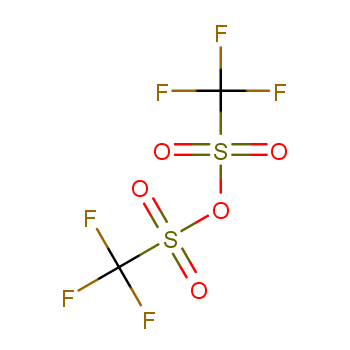
Trifluoromethanesulfonic anhydride (commonly abbreviated as triflic anhydride, Tf2O, or trifluoromethanesulfonic acid anhydride) is one of the most powerful electrophilic trifluoromethanesulfonylating reagents used in modern organic synthesis. With CAS No. 358-23-6, it plays an essential role in pharmaceutical API manufacturing, fluorinated intermediate synthesis, agrochemical production, electronic chemicals, and advanced research laboratories.
Because triflic anhydride reacts rapidly with moisture and alcohols while exhibiting high corrosivity, buyers rarely purchase this reagent through general laboratory distributors for production-scale applications. Instead, industrial procurement teams typically source directly from qualified manufacturers or authorized distributors capable of supplying hazardous-material logistics, complete batch documentation, and regulatory support. For U.S. buyers, supplier selection extends well beyond product price to include warehouse proximity, emergency inventory availability, hazardous shipping capability, and documentation quality.
Commercially available triflic anhydride is generally offered in synthesis-grade purity of ≥98.0% or ≥99.0%, packaged under moisture-free conditions in sealed amber glass bottles, fluoropolymer-lined metal containers, or stainless-steel drums for bulk customers. Production facilities serving pharmaceutical and fine chemical manufacturers frequently maintain nitrogen-filled packaging systems and rigorous moisture control throughout manufacturing and distribution.
The North American supply network generally consists of four procurement channels, each serving different purchasing requirements and production scales.
Industrial buyers often prioritize suppliers with domestic hazardous-material warehouses to minimize transportation risks and reduce delivery times. Warehousing location can significantly affect freight costs, regulatory documentation, and emergency replenishment capability.
*Typical lead times assume in-stock inventory and standard hazardous-material ground transportation within the United States.

Before issuing purchase orders for triflic anhydride, procurement professionals should verify whether a supplier can consistently provide:
Many industrial suppliers additionally support blanket purchase agreements, vendor-managed inventory (VMI), and safety stock programs for pharmaceutical manufacturers operating under continuous production schedules. These services reduce procurement risk while minimizing production interruptions caused by hazardous-material transportation constraints.
For most industrial buyers, the purchase price of Trifluoromethanesulfonic anhydride (Tf2O) is only one component of the total acquisition cost. Because the reagent is classified as a moisture-sensitive and corrosive hazardous chemical, packaging specifications, dangerous goods transportation, storage requirements, insurance, and regulatory documentation all contribute to the final landed cost. Procurement teams should therefore evaluate quotations based on total cost of ownership (TCO) rather than unit price alone.
Global pricing remains influenced by several market variables, including fluorochemical feedstock availability, manufacturing capacity utilization, pharmaceutical demand, hazardous freight costs, and order volume. Long-term supply agreements with qualified manufacturers typically provide significantly lower pricing than catalog purchases from laboratory reagent distributors. Buyers planning annual consumption above 100 kg are generally in a strong position to negotiate contract pricing, inventory reservation, and scheduled deliveries.
As of 2026, typical commercial quotations generally fall within the following reference ranges. Actual pricing varies depending on purity, package size, Incoterms (EXW, FOB, CIF, DDP), destination, and supplier qualification requirements.
*Commercial prices vary considerably according to supplier qualification, purchase quantity, shipping destination, purity specification, and negotiated contract terms.

Several technical and commercial variables influence supplier quotations beyond the published catalog price:
A structured supplier comparison should include both direct procurement costs and indirect operational expenses. The following framework provides a practical method for evaluating competing quotations.
To obtain accurate quotations and shorten procurement cycles, purchasing teams should provide the following information when requesting bulk pricing:
Providing these details during the initial RFQ stage enables suppliers to prepare more accurate commercial proposals, recommend appropriate packaging solutions, and allocate production capacity for long-term procurement programs.
Product Specifications: Purity Grades, COA, and Batch Traceability
For pharmaceutical manufacturers, CDMOs, fluorochemical producers, and research laboratories, the quality of Trifluoromethanesulfonic anhydride (Tf2O) directly influences reaction efficiency, product yield, and downstream purification costs. Because triflic anhydride is an extremely moisture-sensitive electrophilic reagent, procurement decisions should be based not only on assay value but also on comprehensive analytical documentation and manufacturing consistency. Suppliers capable of providing batch-specific analytical data and complete traceability generally offer lower operational risk for commercial production.
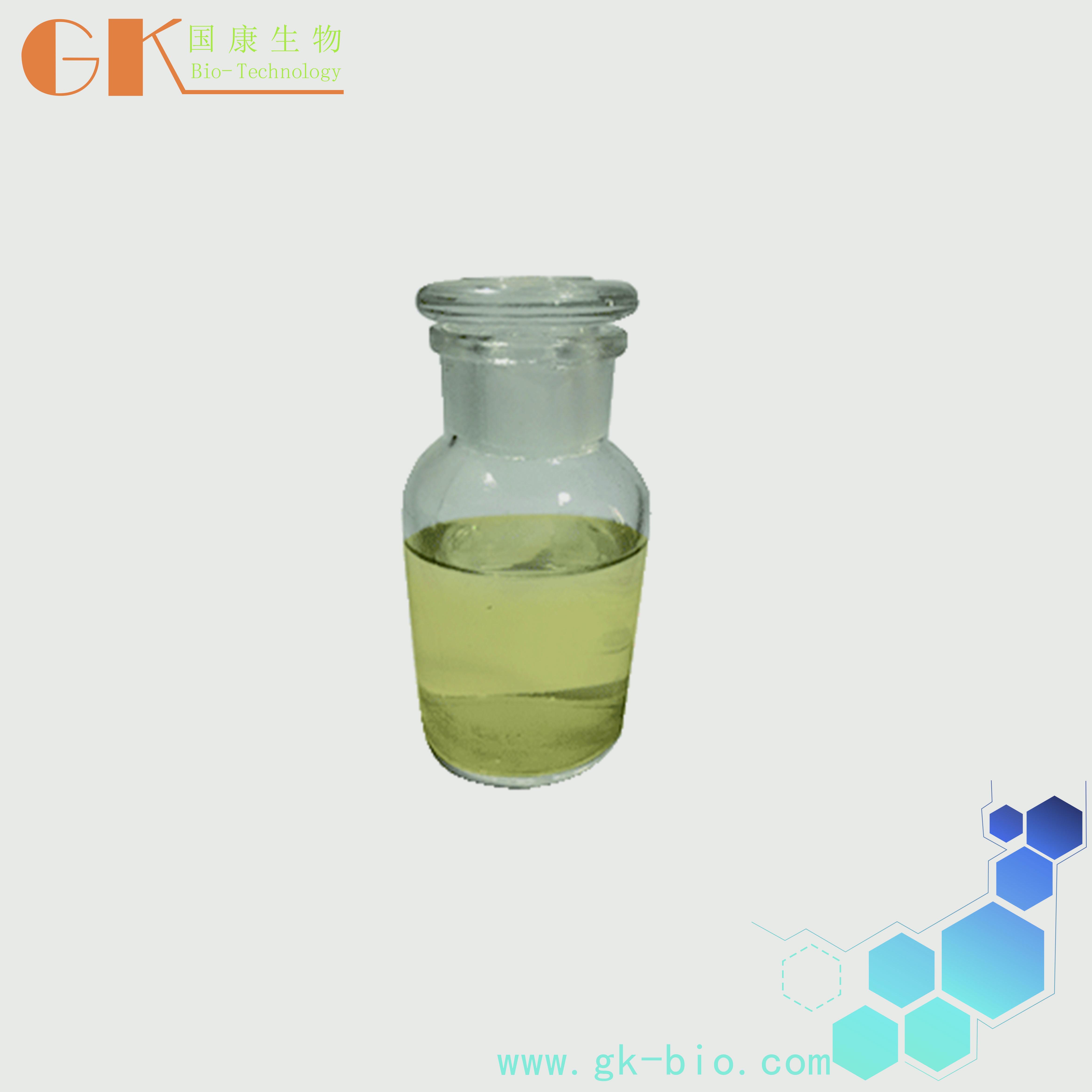
Commercial material is commonly supplied as a colorless to pale yellow transparent liquid with synthesis-grade purity of ≥98.0% or ≥99.0%. Premium manufacturers maintain strict control of water content through closed-system production, nitrogen blanketing, and moisture-free packaging to preserve reagent activity during storage and transportation. Since hydrolysis rapidly converts triflic anhydride into triflic acid, excessive moisture can significantly reduce effective reagent concentration and reaction reproducibility.
A professional COA should contain substantially more information than a simple purity statement. Procurement teams should ensure that each shipment is accompanied by a batch-specific COA referencing the exact lot number supplied. The analytical report should be generated by the manufacturer's quality control laboratory and include both specification limits and actual test results.
The most valuable analytical parameters include:
For regulated pharmaceutical manufacturing, many companies additionally request impurity profiles, chromatographic system suitability data, analytical method references, and internal quality release documentation to facilitate supplier qualification and regulatory inspections.
Although many commercial websites provide only a downloadable SDS, experienced procurement organizations frequently require additional analytical evidence before approving a supplier. These supporting documents help verify manufacturing consistency and reduce quality risks during scale-up.
Expert Commentary
Prof. Barry M. Trost (Stanford University), whose research has extensively utilized highly reactive sulfonylating and activating reagents, has consistently emphasized that reagent purity and reproducibility are fundamental to achieving reliable reaction performance, particularly during process development and scale-up where impurity-related variability can significantly affect manufacturing efficiency.
Guidechem Quality Insight: One of the most common weaknesses among commodity chemical suppliers is limited analytical transparency. Rather than relying solely on a stated assay value, professional buyers should request batch-specific GC chromatograms, Karl Fischer moisture results, NMR spectra, complete COA documentation, and lot traceability records. Suppliers capable of providing these documents promptly generally maintain stronger quality management systems and are better equipped to support pharmaceutical validation, customer audits, and long-term supply agreements.

Why Batch Traceability Matters
Comprehensive lot traceability has become a critical requirement across pharmaceutical, electronic chemical, and specialty chemical supply chains. Each production batch should be uniquely identifiable from raw material sourcing through manufacturing, quality testing, packaging, warehousing, and final shipment. This traceability enables rapid root-cause investigations, simplifies customer audits, supports regulatory compliance, and minimizes supply chain risk if deviations occur.
When qualifying a new supplier, buyers should verify whether the manufacturer maintains documented change-control procedures, retained reference samples, electronic batch records, and long-term archival of analytical data. These capabilities demonstrate mature quality management systems and provide additional confidence for high-value commercial procurement programs.

Shipping, Storage, and Safety: Hazardous Transport and Handling
Unlike conventional laboratory reagents, Trifluoromethanesulfonic anhydride (Tf2O) requires rigorous transportation and storage controls because of its extreme moisture sensitivity, corrosivity, and vigorous reaction with water, alcohols, amines, and other nucleophilic compounds. Procurement professionals, logistics providers, warehouse operators, and laboratory managers should ensure that every stage—from supplier dispatch to end-user handling—complies with applicable U.S. Department of Transportation (DOT), OSHA Hazard Communication, IATA Dangerous Goods Regulations (DGR), and IMDG Code requirements.
Failure to maintain moisture-free packaging or comply with dangerous goods regulations can result in hydrolysis, container pressurization, shipment rejection, regulatory penalties, or compromised product quality. Consequently, supplier logistics capability should be evaluated with the same rigor as analytical quality and manufacturing capacity.
Hazardous Transportation Classification
Although transport classifications should always be verified using the supplier's current Safety Data Sheet (SDS) and the latest regulatory editions applicable to the shipment, industrial suppliers generally classify triflic anhydride as a corrosive hazardous material requiring compliant dangerous goods packaging and labeling throughout the logistics chain.
Recommended Storage Conditions
Because triflic anhydride readily reacts with atmospheric moisture, storage conditions directly influence product stability. Most manufacturers recommend maintaining unopened containers in a cool, dry, well-ventilated chemical storage area under an inert atmosphere whenever practical. Containers should remain tightly sealed immediately after dispensing, and exposure to ambient humidity should be minimized throughout use.
Laboratory and Production Handling SOP
Organizations handling triflic anhydride should establish written Standard Operating Procedures (SOPs) covering receiving, storage, dispensing, spill response, waste management, and emergency actions. Operations involving large quantities are typically performed inside closed transfer systems or certified chemical fume hoods equipped with appropriate local exhaust ventilation.
Personal Protective Equipment (PPE)
Because triflic anhydride is a highly corrosive reagent capable of causing severe skin burns and eye damage, personnel should receive documented hazardous chemical training before handling the material.
Regulatory Compliance, Export Controls, and Vendor Assurance
Beyond product quality, industrial procurement increasingly emphasizes regulatory compliance, supply chain transparency, and vendor qualification. Buyers sourcing triflic anhydride for pharmaceutical, agrochemical, and specialty chemical manufacturing should verify that suppliers maintain robust quality management systems and provide complete documentation supporting both domestic distribution and international trade.
In the United States, commercial chemical transactions generally involve compliance with multiple regulatory frameworks, including the Toxic Substances Control Act (TSCA), OSHA Hazard Communication Standard (HazCom 2012), applicable EPA reporting obligations where relevant, and hazardous materials transportation regulations administered by the U.S. Department of Transportation. Export shipments may additionally require customs declarations, dangerous goods documentation, and country-specific import compliance.
Typical Compliance Documents Required
Expert Commentary
Modern supplier qualification extends far beyond analytical purity. According to best practices reflected in ICH Q7 supplier management principles and the American Chemistry Council's Responsible Care® initiative, sustainable procurement increasingly depends on documented quality systems, change-control procedures, supply chain transparency, and continuous risk management rather than simply selecting the lowest-priced vendor.
Guidechem Procurement Insight: For strategic sourcing of high-value fluorinated reagents, leading pharmaceutical and specialty chemical companies typically perform supplier audits that evaluate manufacturing capability, environmental compliance, emergency response procedures, cybersecurity for electronic quality records, business continuity planning, and long-term production capacity. Suppliers that can demonstrate complete lot traceability, third-party quality certifications, and transparent regulatory documentation are generally better positioned to support multi-year supply agreements and reduce operational risk across the product lifecycle.
Request a Quote, Sample, or Batch Verification
Whether you are sourcing trifluoromethanesulfonic anhydride for pharmaceutical process development, fluorination chemistry, agrochemical manufacturing, or specialty organic synthesis, selecting the right supplier requires more than comparing prices. Evaluating analytical quality, hazardous materials compliance, supply continuity, and documentation completeness helps reduce procurement risk and supports successful scale-up.
To accelerate supplier qualification, include the following information in your RFQ:
Professional suppliers can typically provide sample evaluation quantities, expedited hazardous-material shipments, batch-specific analytical documentation, technical consultation, and customized contract manufacturing support for qualified industrial customers.


Looking for high-purity Trifluoromethanesulfonic anhydride (CAS 358-23-6) from qualified global manufacturers? Guidechem connects buyers with verified suppliers offering batch-specific COA, SDS, hazardous goods documentation, ISO-certified manufacturing, custom packaging, and reliable international logistics.
Request quotations, compare multiple suppliers, verify analytical documentation, and source confidently through Guidechem's global chemical marketplace.
FAQs
Q1: Which U.S. distributors typically stock trifluoromethanesulfonic anhydride?
Major laboratory chemical distributors, specialty fluorochemical suppliers, and global chemical marketplaces generally maintain inventory for laboratory quantities, while kilogram-scale orders are often supplied directly by manufacturers or authorized regional distributors. Lead times for domestic inventory are commonly 2–7 business days, whereas international bulk shipments generally require approximately 2–6 weeks depending on production scheduling and hazardous goods transportation arrangements.
Q2: How should I request an accurate bulk quotation?
Provide the required purity, annual purchasing volume, preferred packaging size, destination country, delivery schedule, intended application, and documentation requirements. Including estimated annual demand enables suppliers to offer more competitive contract pricing and production planning.
Q3: Which analytical tests should be verified before accepting a shipment?
Professional buyers should verify assay (GC), moisture content (Karl Fischer), batch-specific COA, identity confirmation (NMR or IR), lot traceability, manufacturing date, and current SDS. For regulated manufacturing, additional impurity profiles and chromatographic data may also be requested.
Q4: What transportation regulations apply to triflic anhydride?
Trifluoromethanesulfonic anhydride is generally transported as a corrosive hazardous material under applicable DOT, IATA, and IMDG regulations. Shipments must use approved dangerous goods packaging, hazard labels, shipping papers, and trained hazardous-material carriers in accordance with current transportation regulations.
Q5: What storage conditions maximize product stability?
Store triflic anhydride in tightly sealed original containers under dry conditions, protected from atmospheric moisture and incompatible materials. Most manufacturers recommend cool storage and immediate resealing after use to minimize hydrolysis and preserve reagent activity throughout its shelf life.
Q6: Which compliance documents should international buyers request?
A complete procurement package generally includes the Certificate of Analysis (COA), Safety Data Sheet (SDS), Certificate of Origin, Dangerous Goods Declaration, commercial invoice, packing list, and any additional export documentation required by the destination country's customs authorities.
Q7: Are there alternatives to trifluoromethanesulfonic anhydride?
Depending on the synthetic transformation, alternative activating reagents such as trifluoromethanesulfonyl chloride (TfCl), p-toluenesulfonyl chloride (TsCl), methanesulfonyl chloride (MsCl), or phosphorus oxychloride (POCl₃) may be suitable. However, these reagents differ substantially in reactivity, selectivity, reaction conditions, and substrate compatibility. Selection should be based on the specific synthetic route and process development objectives.
References
[1]. CAS Registry®. Trifluoromethanesulfonic Anhydride (CAS No. 358-23-6). Chemical Abstracts Service.
[2]. PubChem. Trifluoromethanesulfonic Anhydride Compound Summary. National Center for Biotechnology Information (NCBI).
[3]. Safety Data Sheet (SDS). Trifluoromethanesulfonic Anhydride. Multiple global chemical manufacturers including Sigma-Aldrich, Thermo Fisher Scientific, and TCI Chemicals.
[4]. U.S. Occupational Safety and Health Administration (OSHA). Hazard Communication Standard (29 CFR 1910.1200).
[5]. U.S. Department of Transportation (DOT). Hazardous Materials Regulations (49 CFR Parts 171–180).
[6]. International Air Transport Association (IATA). Dangerous Goods Regulations (DGR), Latest Edition.
[7]. International Maritime Organization (IMO). International Maritime Dangerous Goods (IMDG) Code.
[8]. U.S. Environmental Protection Agency (EPA). Toxic Substances Control Act (TSCA) Chemical Substance Inventory.
[9]. International Council for Harmonisation (ICH). Q7 Good Manufacturing Practice Guide for Active Pharmaceutical Ingredients.
[10]. American Chemistry Council. Responsible Care® Management System Guidance.
[11]. Clayden, J.; Greeves, N.; Warren, S. Organic Chemistry, 2nd Edition, Oxford University Press.
[12]. March, J. March's Advanced Organic Chemistry: Reactions, Mechanisms and Structure, 7th Edition, Wiley.
|
|
|
 |
 |
 |
 EN
EN
 Agricultural News
 Food News
 Industrial News
 Cosmetic News
 Pharmaceutical News
 Science News

 5YRS
5YRS


Expert Commentary
Guidechem Procurement Insight: The lowest quotation is rarely the most economical choice for moisture-sensitive reagents such as triflic anhydride. A shipment delayed because of incomplete dangerous goods documentation or an out-of-specification water content can result in production downtime far exceeding any apparent savings. Leading procurement teams therefore prioritize suppliers capable of providing validated analytical data, stable manufacturing capacity, flexible inventory programs, and responsive technical support throughout the supply agreement.