-
We detected your language preference as English. Would you like to switch to the English version for a better experience?
Switch to English
Stay here


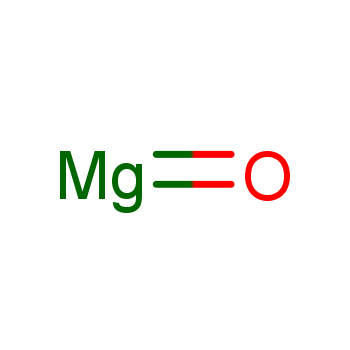
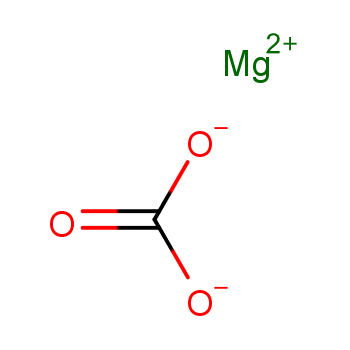
Magnesium carbonate is an inorganic compound of magnesium and carbonate ions with the chemical formula MgCO3. It is a white to colourless solid mineral found naturally in rocks such as magnesite, dolomite and limestone, and it can also be produced synthetically by reacting a soluble magnesium salt with sodium bicarbonate. Relied on since the early 1900s, it is a highly versatile mineral used across a broad spectrum of foods and beverages to improve nutrition, texture, taste and quality.
For product developers, the key technical questions are not simply whether magnesium carbonate can regulate acidity or prevent caking, but how its low water solubility, alkaline character and particle form interact with the dough, beverage or powdered matrix, what dosage keeps it from harming texture or inactivating yeast, and how its identity as a magnesium source is treated across markets. This guide consolidates those considerations into a practical B2B formulation framework.
| Function | Suitable Users | Core Technical Indicators | Compliance Framework |
|---|---|---|---|
| Acidity regulator and buffer | Beverage and bakery formulators who need to neutralise excess acidity or raise pH in a controlled way | CAS 546-93-0; molecular weight 84.31 g/mol; pH 9.5–10.5 in 5% aqueous dispersion; reacts with both acids and bases | Food-additive authorisation in the destination market; E504 in the EU and permitted food-additive status in the US |
| Anticaking and free-flow agent | Dry-mix, seasoning, salt and powdered-beverage producers fighting caking and poor flow | Practically insoluble in water; hygroscopic behaviour and low solubility let it coat particle surfaces and keep powders free-flowing | Food-grade specification; HACCP and GMP expectations for dry-blend handling and traceability |
| Raising agent and dough modifier | Bread, cake and dough developers seeking gluten strengthening and controlled aeration | Heat stable up to high temperature; strengthens gluten by modifying electrostatic forces; excessive dosage raises pH and inactivates yeast | Bakery additive rules and country-specific use limits; dosing should be validated against finished-product quality |
| Mineral source | Nutrition and fortification formulators adding magnesium to foods, beverages and supplements | Supplies magnesium but is poorly soluble, so the delivery form and matrix strongly affect the practical contribution | Nutrition-labeling rules and any applicable maximum levels; verify magnesium source requirements per market |
Magnesium carbonate is the inorganic salt formed from magnesium and carbonate ions. In its common anhydrous form, known as magnesite, it is a white, odourless, non-toxic mineral that occurs naturally in dolomite, magnesite and limestone and can also be produced synthetically by reacting a soluble magnesium salt with sodium bicarbonate. It exists in several hydrated and basic forms, which matters because the different hydrates do not behave identically in a formulation.
The most common forms are the anhydrous salt magnesite (MgCO3) and the di-, tri- and pentahydrates known as barringtonite (MgCO3·2H2O), nesquehonite (MgCO3·3H2O) and lansfordite (MgCO3·5H2O). Some basic forms such as artinite, hydromagnesite and dypingite also occur as minerals. Because these forms differ in their water content and reactivity, a supplier specification that states only "magnesium carbonate" is incomplete for critical applications.
In foods and beverages the material performs a wide range of roles: antacid, clarifying agent, acidity regulator, stabilizer, raising agent, anticaking agent, mineral source, dough modifier, emulsifier, adsorbent, laxative and colorant. Its low solubility is the thread that links many of these functions, because an insoluble alkaline solid can neutralise acid locally and coat particles without dissolving fully into the product.
Explore the magnesium carbonate technical encyclopedia for additional chemical and application information.
| Parameter | Specification / Description |
|---|---|
| Chemical name | Magnesium carbonate |
| Common names | Magnesite, magnesium carbonate anhydrous, E504, barringtonite (dihydrate) |
| Molecular formula | MgCO3 |
| Molecular weight | 84.31 g/mol |
| CAS Number | 546-93-0 |
| Food-additive number | E504 (European Union) |
Magnesium carbonate is unusual among food additives in that its usefulness comes from being both alkaline and largely insoluble. Those two properties together explain why a single material can regulate acidity, prevent caking and strengthen dough, and why its behaviour is strongly matrix dependent.
As an alkaline compound, magnesium carbonate neutralises acids and raises the pH of a food system. In low-acid or fermentation-driven products this slows the fermentation rate by reducing acidity, which checks yeast development and prevents undesirable or excessive sourness. Because it reacts with both acids and bases, it can also act as a buffer, absorbing and neutralising acid while moderating pH swings across the process.
Because it is practically insoluble and mildly hygroscopic, magnesium carbonate can be distributed as fine particles over the surface of a powder, where it absorbs moisture and separates sticky particles so the blend keeps flowing. This is the same principle that led to its addition to table salt as early as 1911, and it remains the basis of its role as an anticaking agent in powdered beverages, seasonings and dry mixes.
In dough, magnesium carbonate has a binding or strengthening effect on gluten. Adding it to the mixing water changes how electrostatic forces act on the gluten, and the additional firmness enables the network to hold water and gas so the dough can expand without tearing. This influence becomes significant when soft water is used for mixing or when immature flour must be used, and, because of its strong water-retaining capacity, it can dehydrate the gluten and improve machinability and handling.
Magnesium carbonate is obtained either by mining and refining natural deposits such as magnesite, or by synthetic precipitation in which a soluble magnesium salt is reacted with sodium bicarbonate or a related carbonate source. The mineral route benefits from abundant feedstock, while the synthetic route allows tighter control of particle-size distribution, purity and the specific hydrate that is produced.
For food-grade material, the production route is only one part of qualification. Buyers should evaluate assay and magnesium content, the hydrate or basic form, particle-size distribution, bulk density, moisture, microbiological quality and relevant elemental impurities, because each of these variables affects how the ingredient performs as an acidity regulator, anticaking agent or dough modifier.
Consistency between batches is often the property that matters most in practice. A change in particle size can change free-flow behaviour, and a change in hydrate content can change the rate at which the material reacts with acid, so purchasing specifications should define these parameters rather than relying on a single chemical identity.
From a formulation perspective, the most useful comparison is among the magnesium salts and the other alkaline minerals that can perform similar functions, since these are the materials a formulator evaluates when choosing between magnesium sources.
Magnesium carbonate is the carbonate salt of magnesium and combines mineral value with pronounced alkalinity and very low solubility. It is the preferred choice where free-flow behaviour and pH control are the main objectives, and where the formulator wants a heat-stable solid that resists oxidation during processing and storage.
Magnesium oxide, magnesium hydroxide, magnesium citrate and magnesium sulfate are alternative magnesium sources, and they differ markedly in solubility and reactivity. The more soluble salts dissolve readily and can contribute magnesium more predictably in beverages, while the less soluble compounds behave more like magnesium carbonate as buffering or anticaking solids. These materials should be evaluated independently rather than treated as interchangeable.
Calcium carbonate and calcium-magnesium carbonates perform closely related functions and frequently appear alongside magnesium carbonate in fortification and anticaking systems. They share the alkaline, low-solubility character but differ in the cation supplied, so the choice between them is driven by the mineral target and by the sensory and pH consequences in the finished product.
| Parameter | Magnesium Carbonate | Calcium Carbonate | Magnesium Oxide |
|---|---|---|---|
| CAS number | 546-93-0 | 471-34-1 | 1309-48-4 |
| Chemical type | Inorganic carbonate of magnesium; alkaline and practically insoluble | Inorganic carbonate of calcium; alkaline and poorly soluble | Inorganic oxide of magnesium; alkaline and slightly soluble |
| Water solubility | Practically insoluble; requires acid to dissolve | Very low; dissolves slowly in acid | Slightly soluble, reacts more readily in water |
| Primary food use | Acidity regulator, anticaking agent, dough conditioner, magnesium source | Calcium fortification, anticaking and raising agent | Magnesium source and acidity regulator, often in supplements |
| Formulation advantage | Multifunctional; heat and oxidation stable; keeps powders free-flowing | Well-established and economical for calcium delivery | Higher magnesium density per unit weight |
| Key limitation | Low solubility limits soluble magnesium contribution in neutral systems | Can impart chalky notes and affect pH | Strong alkalinity; harder to control dosage precisely |
| Property | Typical Description |
|---|---|
| Molecular weight | 84.31 g/mol |
| Physical form and color | White powder; typically supplied as a fine, free-flowing solid |
| Melting / decomposition | Decomposes around 350 °C anhydrous; the trihydrate loses water near 165 °C |
| Density | Approximately 2.958 g/cm3 |
| Solubility in water | Practically insoluble; dissolves in acid with release of carbon dioxide |
| pH | 9.5–10.5 in a 5% aqueous dispersion |
| Storage | Room temperature at low humidity, in closed containers protected from moisture pickup |
| Function | Typical Applications | Key Formulation Objective |
|---|---|---|
| Dough strengthening and raising | Breads and doughs, where gluten reinforcement and controlled aeration improve volume and crumb | Improve dough handling and gas retention without over-raising pH |
| Acidity regulation | Juices and soft drinks, where pH control supports stability and carbonation | Buffer the system while keeping flavour and clarity acceptable |
| Anticaking and conditioning | Cereals, powdered beverages and ready-to-cook foods, where flow and dispersion matter | Prevent caking and maintain free flow through distribution and use |
| Stabilization | Ice cream and yogurt, where texture and consistency must be maintained over shelf life | Support consistent body and limit unwanted textural change |
| Color and mineral function | Candies and chocolates, plus table salt and table sweeteners where anticaking is needed | Deliver mineral and color functionality while preserving flow and taste |
Because magnesium carbonate is so versatile, it appears in bakery, beverages, convenience foods, dairy and confectionery. In convenience foods it is valued as an anticaking agent, conditioner and emulsifier; in dairy it acts as a stabilizer; and in confectionery it contributes to color stability. It is also a familiar anticaking agent and adsorbent in table salt and table sweeteners.
Decide at the outset whether the material is present primarily as an acidity regulator, an anticaking agent, a dough conditioner or a mineral source, because these roles call for different grades and doses. If pH control is the goal, set the acceptable pH window for the finished product and confirm that rise in pH will not harm flavour, colour or fermentation.
Before batching, confirm identity, assay, the hydrate or basic form, particle-size distribution, bulk density, moisture and relevant elemental impurities against the approved specification. A certificate of analysis should be matched against that specification rather than accepted on the strength of the supplier name, because form and particle size drive performance.
Typical food use runs from about 0.1% to 0.5% by weight, but the appropriate level varies with the function and the matrix. Start low and increase in trials, watching particularly for pH-related effects, because breads are highly sensitive and too much material can cause taste and texture problems and yeast inactivation.
In dry blends, confirm that the fine particles are distributed evenly to deliver consistent free-flow behaviour. In dough, evaluate the interaction with the flour and the mixing water, since the strengthening effect is most pronounced with soft water or immature flour. In beverages, confirm that the insoluble solid does not settle or create unacceptable haze.
The following formulations are illustrative technical examples rather than universal commercial recipes. Actual ingredient levels must be recalculated according to the target nutrition, raw-material potency, processing losses and destination-market requirements.
| Ingredient | Illustrative Quantity | Technical Role |
|---|---|---|
| Calcium carbonate (fortified beverage) | 2.5 g | Calcium source complementing the magnesium addition |
| Magnesium carbonate (fortified beverage) | 1 g | Magnesium source and acidity regulator |
| Citric acid (fortified beverage) | 8 g | Acidulant that dissolves the carbonates and defines tartness |
| Sugar and oligosaccharide (fortified beverage) | 100 g and 15 g | Sweetener and bulking components shaping body and mouthfeel |
| Ascorbic acid (fortified beverage) | 500 mg | Vitamin C source and antioxidant protection |
| Flour, bread dough (bread) | 100 pounds | Principal structural component of the dough |
| Magnesium carbonate (bread) | 7.5 ounces | Dough conditioner and mineral source strengthening the gluten |
| Emulsifier and dough developer (bread) | 1 pound and 2 pounds | Improve crumb softness and dough processing behaviour |
| Calcium propionate (bread) | 4 ounces | Mould inhibitor extending shelf life |
Regulatory treatment of magnesium carbonate depends on its identity as a food additive and on the intended use of the finished product. A supplier statement that a material is food grade does not by itself establish compliance in every destination market, and use limits are frequently category specific.
| Market / Framework | Technical Relevance | Compliance Action |
|---|---|---|
| United States FDA | Magnesium carbonate is permitted as a food additive in the United States, and FDA has established an acceptable daily intake of up to 0.5 g per kg body weight per day. | Confirm the permitted use category, use level and labeling for the intended product. |
| European Union | Magnesium carbonate is authorised as food additive E504, with use conditions that depend on the food category. | Check the applicable Annex conditions and labeling rules for the specific food category. |
| National competent authorities | Individual countries may set their own additive and fortification rules, and magnesium-fortified products may face additional labeling expectations. | Verify destination-specific additive lists and any nutrient-claim conditions before launch. |
| EFSA and equivalent bodies | EFSA and comparable scientific bodies have assessed magnesium carbonate and related magnesium compounds for use in food. | Treat scientific opinions as risk-management input and monitor updates to the assessment. |
| EU REACH | REACH obligations depend on the substance, manufacturer or importer, tonnage and any applicable exemptions; food use is not a blanket exemption. | Verify the REACH status of the specific supply chain rather than assuming food use removes every obligation. |
| EU BPR | The Biocidal Products Regulation is generally not the governing framework for magnesium carbonate used solely as a food additive. | BPR becomes relevant only where the substance or finished product is placed on the market for a biocidal purpose. |
| ISO 22000 / HACCP | Food-safety management systems support the control of contamination, traceability and dry-blend hazards. | Maintain supplier qualification, batch traceability, risk assessment and validated quality procedures. |
Magnesium carbonate is safe for use in food when limited to recommended amounts, and it is allowed as a food additive in both the United States and the European Union. Its safety profile is supported by long-standing use, and the principal regulatory control is a defined acceptable daily intake rather than a hazard-based restriction.
The practical caution for formulators is one of dosage rather than toxicity. Because the additive is alkaline, adding too much can negatively affect food quality, and breads are especially sensitive, showing taste and texture problems and yeast inactivation as pH rises. Magnesium salts also have recognised laxative effects at high intake, so products that could deliver a large daily amount should be reviewed against the applicable intake guidance.
As with any food additive, the appropriate principle is to separate technical function from any therapeutic claim. Magnesium carbonate does act as an antacid in some contexts, but a conventional food or beverage should not be marketed with unsupported claims implying treatment or prevention of disease, and any nutritional statement should be traceable to the current requirements of the target market.
| Application Context | Typical Use Range | Formulation Note |
|---|---|---|
| General food use | About 0.1–0.5% by weight | Set the dose from the function and validate against product quality. |
| Bakery dough conditioning | Application specific | Watch pH rise and yeast activity closely during trials. |
| Anticaking in dry blends | Low, levels set by flow performance | Confirm free flow under accelerated humidity conditions. |
| Mineral fortification | Based on target magnesium contribution | Account for limited solubility when calculating delivered magnesium. |
These ranges are illustrative formulation examples and should not be interpreted as universal legal maximums. Product developers should use the current requirements and any applicable use limits for the intended market, product category and population.
Its very low water solubility and mild hygroscopic behaviour allow fine particles to coat the surface of a powder, absorb moisture and keep sticky particles apart so the blend continues to flow. This mechanism is effective at low use levels and is the reason it has been added to table salt since 1911 and is widely used in powdered beverages and seasonings.
It strengthens the gluten network by modifying the electrostatic forces acting on the protein, which lets the dough hold more water and gas and expand without tearing. This is particularly useful with soft mixing water or immature flour. Because it is alkaline, however, too much raises pH and can inactivate yeast and harm taste and texture.
It can be used, but its poor solubility limits how much magnesium it contributes in a neutral beverage, and the insoluble fraction can affect clarity or sediment. Formulators should measure the magnesium actually delivered in the finished product rather than assuming the added amount is fully available, and should consider a more soluble magnesium salt where a specific delivered level is required.
Qualification should cover identity, assay, the hydrate or basic form, particle-size distribution, bulk density, moisture and relevant elemental impurities, supported by a certificate of analysis that matches the agreed specification. Batch-to-batch consistency in particle size and form is especially important because these variables directly change flow behaviour and reactivity.
| Identifier | Value | Resource |
|---|---|---|
| Chemical name | Magnesium carbonate | Technical encyclopedia |
| CAS Number | 546-93-0 | Chemical dictionary |
| CAS product lookup | 546-93-0 | Supply search |
| Supplier / trade search | 546-93-0 | Supplier search |
1. National Institutes of Health. Magnesium carbonate compound summary and safety information.
2. U.S. Food and Drug Administration. Food additive status and acceptable daily intake for magnesium carbonate.
3. European Food Safety Authority. Scientific opinion on magnesium carbonate and related magnesium compounds as food additives.
4. Journal of Food Science. Effect of various magnesium sources on breadmaking characteristics of wheat flour.
5. Cargill. Salt in bread dough: functionality beyond flavour.
6. Magnesia. Mineral compounds as helpful additives for the food industry.
7. National Institutes of Health. Effects of calcium-magnesium carbonate and calcium-magnesium hydroxide on microbial fermentation.
8. 1Source. E504 magnesium carbonate ingredient reference.
|
 |
 |
 |
 |
|
 EN
EN
 Agricultural News
 Food News
 Industrial News
 Cosmetic News
 Pharmaceutical News
 Science News

 1YR
1YR

