-
We detected your language preference as English. Would you like to switch to the English version for a better experience?
Switch to English
Stay here


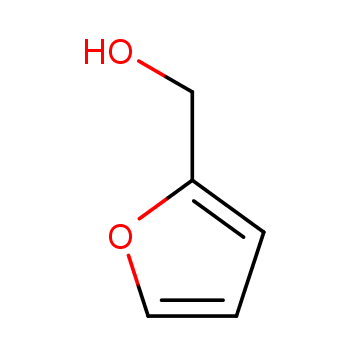
Can Furfuryl Alcohol Cause Cancer? The question of whether furfuryl alcohol can cause cancer is a topic of significant concern, particularly in the food and chemical industries. Furfuryl alcohol, an organic compound, finds widespread use in food additives, resin manufacturing, and other industrial applications. However, the scientific community has yet to reach a definitive conclusion regarding its potential carcinogenicity. This article will carefully examine existing research, exploring the toxicity of furfuryl alcohol and its potential cancer risks, to help readers understand the safety implications of this compound.

Can Furfuryl Alcohol Cause Cancer? Compounds present in food and beverages have long been associated with human cancer etiology. The International Agency for Research on Cancer (IARC), a part of the World Health Organization (WHO), continues to classify such substances based on their potential carcinogenicity to humans, utilizing new evidence from both animal and human studies. Furfuryl alcohol and β-myrcene are potential human carcinogens awaiting evaluation.
The production and processing of food and beverages may inevitably lead to significant changes in the chemical composition of products. The Maillard reaction generates furan compounds such as furfural and 5-hydroxymethylfurfural (HMF), as well as furfuryl alcohol, during heating or baking processes. Furfuryl alcohol, a food contaminant, is abundant in heat-processed foods like coffee, fruit juices, and baked goods; in barrel-aged alcoholic beverages (such as wine), wine-derived spirits (like brandy), and whisky due to enzymatic or chemical reduction of furfural; and in butter and butter-flavored confectionery when furfuryl alcohol is used as a flavoring agent. Quinic acid or 1,2-enediol can also form furfuryl alcohol as a precursor during the heating of food items like coffee beans. Under acidic conditions, furfuryl alcohol polymerizes into aliphatic polymers, imparting a brown color to food.

Does furfuryl alcohol cause cancer?Furfural has a penetrating odor similar to benzaldehyde and should not be ingested, inhaled, or applied to the skin due to its potential adverse effects on the respiratory, nervous, hepatic, and renal systems. Furfural at 260 ppm (exposure duration undefined) does not cause lethal reactions in animals. In humans, exposure to concentrations ranging from 5 to 16 ppm has been shown to cause widespread eye and respiratory tract irritation, while exposure to concentrations between 1.9 to 14 ppm may lead to headaches, throat itching, and redness and tearing of the eyes.
Furfural is generally considered a safe chemical. It is used as a flavoring or adjunct in the food and beverage industry, as well as in industrial manufacturing, personal care products, and insecticides. Furfural is present in fruit juices, coffee, wine, essential oils, foods, and cosmetics. Other applications include refining, as a binder in grinding wheels and sandpaper, pharmaceuticals, and phenolic resin adhesives. Furfural is the sole precursor among compounds containing furan, furyl, furfuryl, or tetrahydrofuran radicals in the chemical industry.
California has extended the comment period for listing furfuryl alcohol, a common food ingredient, under Proposition 65; the deadline for comments is the end of September. According to Proposition 65, a substance will be listed under Proposition 65 if (1) it is determined by an "authoritative body" to have carcinogenic properties, and (2) the evidence considered by the authoritative body meets the sufficiency standards in the regulations. Since September 30, 2016, the Office of Environmental Health Hazard Assessment (OEHHA) has listed furfuryl alcohol (CAS No. 98-00-0) as a chemical known to the state of California to cause cancer to enforce Proposition 65. The listing of furfuryl alcohol is based on the formal determination by the authoritative body, the United States Environmental Protection Agency (US EPA), that this chemical is carcinogenic. The Office of Environmental Health Hazard Assessment lists criteria for chemicals used under the "authoritative body" mechanism, which can be found in Section 25306 of the California Code of Regulations. Furfuryl alcohol is classified by the US Environmental Protection Agency (US EPA) Cancer Assessment Review Committee (CARC) as "likely to be carcinogenic to humans." Since the draft screening assessment was published, the International Agency for Research on Cancer (IARC) has classified furfuryl alcohol as Group 2B ("possibly carcinogenic to humans"), and the European Chemicals Agency considers furfuryl alcohol "suspected of causing cancer" (Carc.2B). The potential risks of exposure to furfuryl alcohol in outdoor air for residents living near facilities that release this substance have been estimated. Estimated acute and chronic exposures to furfuryl alcohol from environmental air near release facilities were compared with cancer and non-cancer critical effect levels (acute and chronic). The profitability of certain facilities (i.e., foundries, non-metal product manufacturing) was considered insufficient to explain the health impacts and uncertainties in the exposure data used to describe risks.
In 2014, the US Environmental Protection Agency published a report titled Cancer Assessment Document for Furfural and Furfuryl Alcohol (US EPA, 2014). This report meets the formal identification and substantial evidence criteria for furfuryl alcohol in Proposition 65 regulations. The US Environmental Protection Agency concluded that furfuryl alcohol is "likely to be carcinogenic to humans." OEHHA relies on the discussion of the data and conclusions on furfuryl alcohol carcinogenicity in the report by the US Environmental Protection Agency. The evidence described in the report includes studies indicating an increased incidence of rare nasal epithelial squamous cell carcinomas and combined nasal epithelial and squamous cell carcinomas in male rats, as well as rare renal carcinomas and combined carcinomas and adenomas in male mice.
Therefore, the US EPA (2014) found that furfuryl alcohol increased the incidence of rare malignant nasal tumors in male rats and the incidence of rare malignant renal tumors and malignant benign renal tumors in male mice.
Furfuryl alcohol, a small organic molecule, is classified as a potential human carcinogen. Understanding its interactions with biological systems and the molecular pathways involved in its carcinogenicity is crucial for risk assessment and prevention strategies.
Furfuryl alcohol readily enters the human body through inhalation, a primary route of exposure. It is distributed throughout the body, with the nasal epithelium and kidneys being the most affected organs.
(1) Nasal Epithelium: Furfuryl alcohol directly stimulates and damages the nasal epithelium, leading to inflammation, degeneration, and metaplasia.
(2) Kidneys: Furfuryl alcohol can cause kidney damage, including nephropathy and the formation of renal tumors in mice.
The exact mechanism of furfuryl alcohol carcinogenicity is still under investigation, but several potential pathways have been identified:
(1) Non-Genotoxic Mechanisms: Furfuryl alcohol does not directly damage DNA, suggesting non-genotoxic mechanisms of carcinogenicity.
(2) Oxidative Stress: Furfuryl alcohol can induce oxidative stress by increasing the production of reactive oxygen species (ROS) within cells. This oxidative damage can lead to DNA mutations and promote tumor formation.
(3) Alteration of Cell Proliferation and Differentiation: Furfuryl alcohol can disrupt cell signaling pathways involved in cell proliferation and differentiation, resulting in uncontrolled cell growth and tumor formation.
The carcinogenic effects of furfuryl alcohol may involve complex interactions among these factors, with oxidative stress and changes in cell signaling playing crucial roles. However, further research is needed to fully understand the specific molecular mechanisms underlying furfuryl alcohol carcinogenicity.
(1) Limiting Exposure in the Workplace: If you work in industries where furfuryl alcohol is used, such as food processing, foundries, or the chemical industry, wearing appropriate personal protective equipment (PPE) like masks and gloves is essential.
(2) Minimize Consumption of Potentially Contaminated Foods: While furfuryl alcohol naturally occurs in foods like coffee and caramel, it can also form during food processing. Choosing minimally processed foods and avoiding excessive consumption of foods high in furfuryl alcohol content can help reduce the risk of exposure.
(3) Ensure Good Ventilation: Proper ventilation in homes and workplaces can help lower the concentration of furfuryl alcohol in the air.
(1) Read Labels Carefully: Look for ingredient lists and avoid products containing furfuryl alcohol or additives known to produce furfuryl alcohol during processing.
(2) Choose Natural and Minimally Processed Foods: Opt for fresh fruits, vegetables, and whole grains instead of heavily processed foods to minimize exposure to furfuryl alcohol and other potentially harmful chemicals.
(3) Support Companies Committed to Transparency and Safety: Look for brands prioritizing transparency in raw material sourcing and processing methods.
The question of whether furfuryl alcohol can cause cancer remains inconclusive. While some studies suggest potential toxicity at high concentrations, further research is needed to determine whether the levels of exposure in daily life pose health risks. Consumers should be vigilant about the furfuryl alcohol content in foods and products and follow relevant safety guidelines. Meanwhile, the scientific community and regulatory agencies must continue to investigate the potential health impacts of furfuryl alcohol to provide clearer guidance on its safe use.
[1] https://www.burdockgroup.com/because-of-its-near-ubiquity-in-food-california-must-set-a-realistic-safe-harbor-level-for-furfuryl
[2] https://casetext.com/analysis/california-proposition-65-actions-expected-to-target-furfuryl-alcohol-in-food-and-beverages-1
[3] https://www.ncbi.nlm.nih.gov/pmc/articles/PMC5606676/
[4] https://www.linkedin.com/pulse/furfural-finds-application-food-beverages-industrial-personal-kart
[5] https://oehha.ca.gov/proposition-65/crnr/notice-intent-list-furfuryl-alcohol
[6] https://www.canada.ca/en/environment-climate-change/services/evaluating-existing-substances/furfuryl-alcohol-tetrahydrofuran-outdoor-air-exposure-human-health-risk-characterization.html
[7] https://oehha.ca.gov/proposition-65/crnr/chemical-listed-effective-september-30-2016-known-state-california-cause-cancer
[8] https://echa.europa.eu/
 |
|
 |
 |
|
|
 EN
EN
 Agricultural News
 Food News
 Industrial News
 Cosmetic News
 Pharmaceutical News
 Science News

 5YRS
5YRS

