-
We detected your language preference as English. Would you like to switch to the English version for a better experience?
Switch to English
Stay here


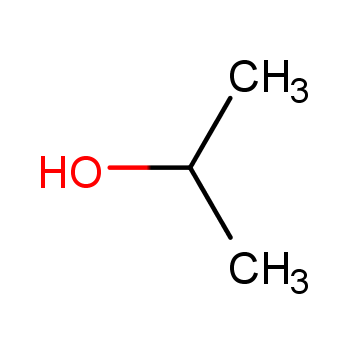
Isopropyl Alcohol, also known as isopropanol (C3H8O, CAS number 67-63-0), is a colorless, flammable liquid that is commonly used as a disinfectant and solvent. It is widely known for its use as rubbing alcohol, a key component for sanitizing skin before injections and cleaning surfaces. It has a broad range of applications in medical, cosmetic, and household products.

Acetone (C3H6O, CAS number 67-64-1) is another flammable solvent commonly used in laboratories and industrial settings. It is an effective solvent for organic materials and is often used to clean laboratory equipment, such as vials and tubes, due to its ability to dissolve a wide range of substances. Acetone is also a common ingredient in products like nail polish removers.

Although both isopropyl alcohol and acetone are excellent solvents for organic materials, their uses and chemical properties differ significantly. The key difference between isopropyl alcohol and acetone lies in their primary applications and their interactions with various materials.
Both isopropyl alcohol and acetone are produced through industrial processes. Isopropyl alcohol is primarily synthesized via the hydration of propene (propylene), typically in the presence of sulfuric acid, resulting in its formation. Acetone, on the other hand, is generally produced by the cumene process, where cumene (isopropylbenzene) is oxidized to produce acetone and phenol as byproducts.
In terms of physical properties, both isopropyl alcohol and acetone are colorless liquids with a distinctive odor. However, acetone has a lower boiling point (56 °C) compared to isopropyl alcohol (82.5 °C), which means acetone evaporates more quickly. This property makes acetone ideal for cleaning purposes in laboratories, as it can swiftly evaporate from surfaces without leaving a residue. Isopropyl alcohol, with its higher boiling point, evaporates more slowly, which can be advantageous for sanitization applications where prolonged contact is needed.
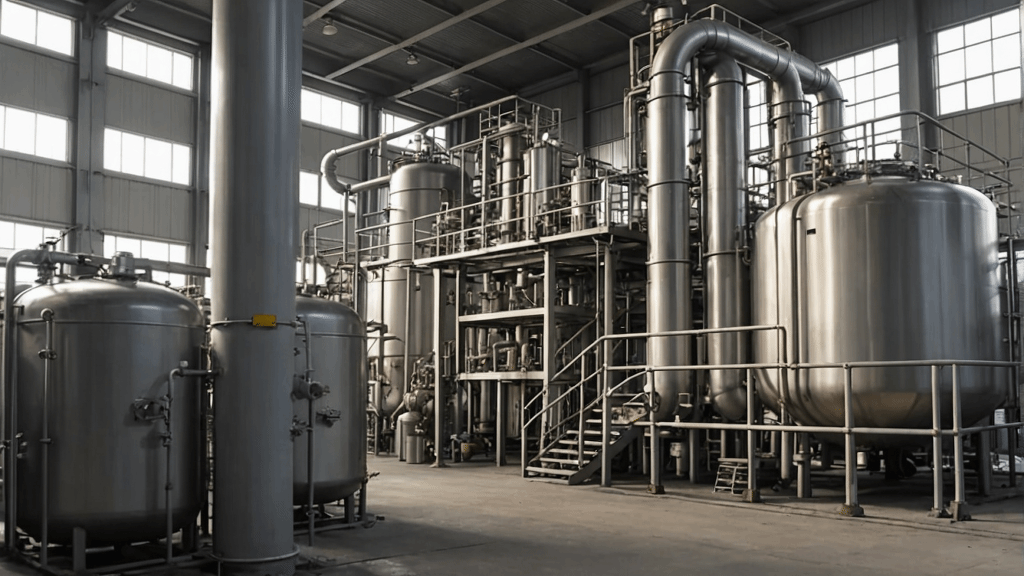
What is the Difference Between Isopropyl and Rubbing Alcohol? Isopropyl alcohol is primarily used in the medical field as rubbing alcohol, particularly for cleaning skin before injections and as a disinfectant. It is highly effective in killing bacteria, fungi, and viruses, making it a popular choice for sanitizing hands and surfaces in medical settings. Its application extends to first aid, where it is used to clean cuts, scrapes, and minor wounds to prevent infection.
Isopropyl alcohol also has industrial uses, such as in the formulation of cleaning agents, hand sanitizers, and degreasers. It can be applied to clean contaminants on electronic devices, especially those that require a quick-drying solvent. Additionally, it plays a significant role in the pharmaceutical industry for sterilizing medical tools and equipment.
On the other hand, acetone is predominantly used in laboratory and industrial settings as a powerful solvent for cleaning and degreasing. It is ideal for cleaning lab vials, glassware, and tubes because of its ability to dissolve a broad spectrum of organic substances. Acetone is also used for extracting compounds in research and is a key ingredient in the production of plastics, fibers, and pharmaceuticals.
Acetone’s high volatility makes it an excellent solvent in the laboratory, where quick evaporation is essential. It is used to clean laboratory glassware that has been exposed to organic compounds and can be used to remove paint, oil, and adhesives from various surfaces. It’s also used in the production of cosmetic products such as nail polish removers, where it helps dissolve the nail lacquer.
The term “rubbing alcohol” is commonly used in reference to isopropyl alcohol, especially in the context of disinfecting and cleaning skin. The primary difference between rubbing and isopropyl alcohol is the concentration. Rubbing alcohol can refer to a solution of isopropyl alcohol that typically contains 70-90% isopropanol, while some formulations include additional ingredients such as water or other stabilizers. While rubbing alcohol can be used for cleaning wounds or sanitizing, isopropyl alcohol itself is a more concentrated form of the substance and may be used for different applications, including industrial cleaning and as a solvent.
Acetone is a highly effective solvent that excels in dissolving a variety of organic materials, including oils, greases, resins, and plastics. It is commonly used in laboratory settings to clean glassware and instruments that have been exposed to organic substances. Acetone is often preferred over other solvents because of its ability to quickly evaporate, leaving no residue behind. Additionally, its low surface tension makes it excellent for cleaning fine or detailed surfaces.
Because of its potency and quick evaporation, acetone is also commonly used to remove adhesives, resins, paints, and coatings in various industrial applications. It is highly versatile in both laboratory and industrial environments and serves as a key solvent in the production of various chemical products.
What is the difference between rubbing alcohol and isopropyl? In conclusion, the difference between isopropyl and rubbing alcohol lies primarily in the concentration and intended use. Isopropyl alcohol, particularly in its rubbing alcohol form, is widely used for disinfecting, cleaning, and sanitizing purposes, particularly in medical settings. Acetone, on the other hand, is a powerful solvent that is primarily used in laboratories and industries for cleaning and dissolving organic substances. While both are essential solvents in their respective applications, they are best suited to different tasks due to their chemical properties and uses.
| Drawback |
Isopropyl Alcohol |
Acetone |
|---|---|---|
| Flammability | Highly flammable, requires careful storage and handling | Highly flammable, can pose a fire risk in unventilated areas |
| Health Risks (Skin Contact) | Can cause dryness or irritation on prolonged contact | Can cause skin irritation or dermatitis with prolonged exposure |
| Health Risks (Inhalation) | Can cause dizziness, headaches, and respiratory irritation if inhaled in high concentrations | Can cause dizziness, headaches, and nausea due to inhalation of vapors |
| Material Compatibility | May damage some plastics and varnishes if left in contact for extended periods | Can damage paints, plastics, and varnishes, especially with prolonged exposure |
| Evaporates Quickly | Evaporates quickly, which may reduce its effectiveness in some applications | Evaporates very quickly, which may be problematic in applications requiring longer contact times |
If you're looking to purchase these compounds, Guidechem is your go-to platform for sourcing high-quality raw materials and reliable suppliers. With our extensive global network, we connect you to a wide range of Isopropyl Alcohol suppliers, ensuring you find the right products to meet your specific research or production requirements. Whether you're in pharmaceuticals, food additives, or other industries, Guidechem simplifies the sourcing process, offering verified supplier information, competitive pricing, and seamless communication.
 |
|
 |
 |
 |
 |
 EN
EN
 Agricultural News
 Food News
 Industrial News
 Cosmetic News
 Pharmaceutical News
 Science News

 1YR
1YR


