-
We detected your language preference as English. Would you like to switch to the English version for a better experience?
Switch to English
Stay here


Malic acid and citric acid are two common organic acids with wide applications in food, pharmaceuticals, cosmetics, and other fields. While they differ in chemical structure, they share similarities in some aspects of their properties and uses. Comparing and analyzing the characteristics and uses of malic acid vs citric acid can help in selecting the appropriate acid for different applications.
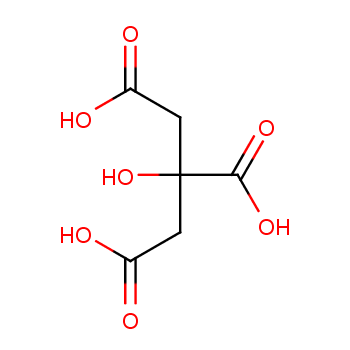
Citric acid, also known as 2-hydroxypropane-1,2,3-tricarboxylic acid, is a crucial intermediate in metabolism and serves as the starting point of the tricarboxylic acid (TCA) cycle. It is one of the most important bioproducts, with global annual production reaching around 1.6 million tons in 2009. Various plants, especially citrus fruits like lemons and oranges, contain significant amounts of citric acid. Malic acid, like citric acid, is a common acidulant used in many foods. It is typically associated with apples, hence its common name derived from the Latin word for apple, "malum". Although it is used in various foods, it is more suitable for apple-containing products due to its flavor and relatively higher cost compared to citric acid.

Is citric acid more acidic than malic acid? Citric acid and malic acid are two common acids found in various fruits and vegetables. One of the main differences between them is their pH value. Citric acid has a lower pH value, making it more acidic, while malic acid has a higher pH value, making it less acidic. This difference in acidity affects their reactions with other ingredients in recipes and their health benefits.
The pH value of citric acid ranges from 3 to 6, falling within the range of acidic substances like lemon juice. Malic acid itself does not have a single defined pH value, but a typical range might be around 2.35 for a 1% solution of malic acid, which is lower than citric acid and closer to vinegar's range. This difference in acidity is due to citric acid having three carboxyl groups (functional groups that determine acidity in organic acids), while malic acid has only two.
Both malic acid and citric acid enhance the sourness of foods and beverages, but they have some noticeable differences in taste:
- Citric Acid: Known for its sharp, clean, and citrusy taste, reminiscent of lemons, limes, and grapefruits.
- Malic Acid: With a smooth, tart taste that lingers in the mouth, it does not have an immediate burst of flavor like citric acid.
Malic acid provides a fuller, smoother taste compared to citric acid, which can be beneficial in low-energy drinks, masking some unpleasant tastes of artificial sweeteners. It falls economically between citric acid and tartaric acid.
Malic acid and citric acid are both natural cleaning agents, but they have some key differences that make them more suitable for certain cleaning tasks. Here's a detailed analysis:
- Acidity:
- Citric Acid: With a lower pH value, it is more acidic and effectively dissolves mineral deposits, soap scum, and hard water stains.
- Malic Acid: May help with lighter stains such as fruit or vegetable stains due to its chelating properties (binding to metal ions, aiding in stain color removal).
- Rust Removal:
- Citric Acid: More effective in removing limescale from kettles, coffee makers, and other appliances. Its strong acidity tackles limescale buildup effectively.
- Stain Removal:
- Citric Acid: Generally more effective due to its higher acidity. It can handle rust stains, tea/coffee stains, and some ink stains.
- Malic Acid: May be helpful for lighter stains, such as fruit or vegetable stains, due to its chelating properties.
- Disinfection:
- Both have some disinfecting effects: While not as strong as commercial disinfectants, both acids can kill some surface bacteria and molds. Citric acid may have a slight edge due to its lower pH value.
- Odor Removal:
- Citric Acid: Usually a better choice for odor elimination, such as in musty odors or pet accidents. It can neutralize some odors with a mild citrus scent.
- Malic Acid: May have some deodorizing properties but not as strong as citric acid.
- Surface Mildness:
- Malic Acid: Gentler on surfaces like marble or granite due to its slightly lower acidity.
- Overall:
- Citric Acid: Generally a more versatile and powerful cleaner due to its stronger acidity.
- Malic Acid: A good choice for delicate surfaces or mild cleaning actions. It can also be used to target specific organic stains.
Malic acid is also used in the cosmetics industry, primarily for adjusting the pH of low-concentration formulations. Many cosmetics, such as skin-lightening creams, cleansers, and moisturizers, contain malic acid as a pH controller. Its derivative, malic acid monolaurate, is also used as a skin cleansing agent. Citric acid helps to neutralize the skin's pH, cleanse pores, and even out rough patches on the skin. Malic acid itself is not as effective as other acids, but it enhances the effectiveness of other acids.
Tooth erosion associated with soft drink consumption may be due to dietary acids in the formulations. The pH value of any formulation is an important variable in acid erosion, but not necessarily the only important factor. J A Hughes et al. measured the erosive effect of citric acid, malic acid, and lactic acid on dental enamel over a range of pH values and acid concentrations and determined the effect of adding calcium to soft drink formulations. Specifically:
- Method: Sampled human unerupted third molars were prepared to expose flat enamel surfaces. Each group of 5 specimens was placed in solutions of citric acid, malic acid, and lactic acid at different pH values and acid concentrations, exposed three times for 10 minutes each at 35°C. The enamel specimens were also exposed simultaneously to citric acid solutions at different pH values with calcium and citric acid solutions at the same pH values with different calcium concentrations.
- Results: Numerical data and contour plots for each acid showed similar patterns, with erosion increasing with decreasing pH and acid concentration, and vice versa. Increasing calcium concentration in fixed-pH citric acid solutions reduced erosion, with this effect most pronounced at higher pH values.
- Conclusion: The study suggests that under highly controlled conditions, dietary acid solutions' erosion of dental enamel is influenced by the interaction of pH, acid concentration, and calcium. These variables, particularly calcium concentration, can be controlled to produce soft drinks with reduced enamel erosion.
In the world of sour candies, malic acid and citric acid both play leading roles, but they bring different qualities to the sour taste:
- Taste: Citric acid provides a strong sour taste that hits your taste buds quickly and fades fast. Malic acid, compared to citric acid, offers a slightly milder initial sourness, but its charm lies in its aftertaste. Malic acid produces a lingering fruity sourness that tingles the taste buds.
- Texture: Malic acid may make candy texture softer and chewier compared to citric acid.
- Availability: Citric acid is more readily available and usually cheaper than malic acid.
- Best Points: Candy manufacturers often combine citric acid and malic acid for the ideal sourness. Citric acid provides the initial punch, while malic acid adds lasting sourness and depth of fruitiness.
Through the comparison and analysis presented in this article, we have gained a deeper understanding of the characteristics, uses, and applications of malic acid vs citric acid. Choosing the appropriate acid is crucial for different applications, and understanding their specific properties and characteristics helps in making informed decisions. It is hoped that the content of this article can assist readers in better understanding the characteristics of malic acid and citric acid, thus enabling them to choose the most suitable acid for their needs.
[1]https://www.sciencedirect.com/topics/agricultural-and-biological-sciences/citric-acid
[2]https://getuppermost.com/blogs/news/citric-malic-acid
[3]https://www.sciencedirect.com/topics/agricultural-and-biological-sciences/malic-acid
[4]https://www.reddit.com/r/AskCulinary/comments/8driy6/a_friend_has_given_me_some_pure_malic_acid_and/
[5]https://www.quora.com/Which-is-the-best-for-cleaning-citric-acid-or-oxalic-acid
[6]https://joik.eu/blog/15_aha-acids-secret-of-youthful-skin.html
[7]https://pubmed.ncbi.nlm.nih.gov/10666974/
 |
 |
 |
 EN
EN
 Agricultural News
 Food News
 Industrial News
 Cosmetic News
 Pharmaceutical News
 Science News

 3YRS
3YRS


