-
We detected your language preference as English. Would you like to switch to the English version for a better experience?
Switch to English
Stay here


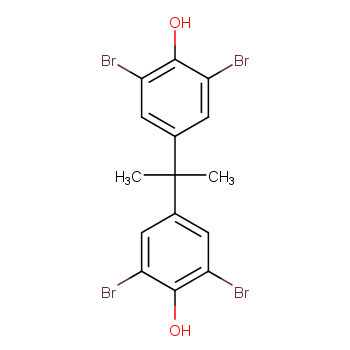
Tetrabromobisphenol A TBBPA primarily serves as a reactive flame retardant in epoxy resin circuit boards. It is also used in polycarbonate and polyester resins, and as chemical intermediates like bisphenol A allyl ether, bis(2-hydroxyethyl) ether, carbonate oligomers, and diglycidyl ethers. TBBPA is extensively used as a flame retardant in plastics, paper, textiles, as well as plasticizers in adhesives and coatings. Covalently binding with polymers limits the potential release of unbound chemicals during manufacturing processes.
Tetrabromobisphenol A TBBPA primarily serves as a reactive flame retardant in epoxy resin circuit boards. The hydroxyl groups on TBBPA can react with epichlorohydrin under alkaline conditions to form diglycidyl ethers, widely used in epoxy resin formulations. TBBPA is also used in polycarbonate and polyester resins, and as chemical intermediates like bisphenol A allyl ether, bis(2-hydroxyethyl) ether, carbonate oligomers, and diglycidyl ethers. Additionally, TBBPA acts as a flame retardant in plastics, paper, textiles, and as plasticizers in adhesives and coatings. Its covalent bonding with polymers limits the release of excess unreacted chemicals during production.
Tetrabromobisphenol A TBBPA in the environment, its sources, occurrence, health impacts, and control are illustrated below:
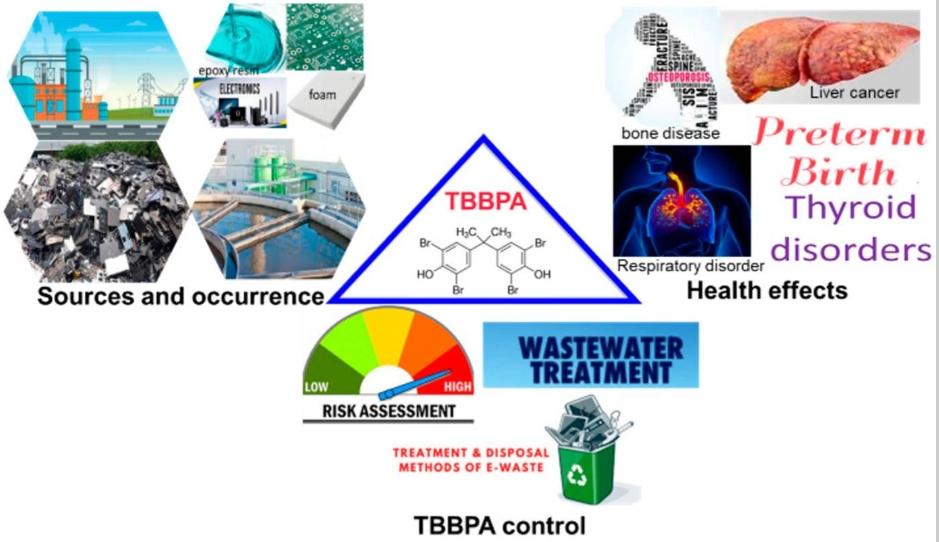
TBBPA is highly volatile, lipophilic (log Kow=4.5), poorly soluble in water (0.72 mg/mL), and bioaccumulative, posing potential ecological and human health concerns. Given its widespread production, environmental exposure is inevitable.
Moreover, the behavior and distribution of this compound across different biological systems and environments can be attributed to its chemical properties. For instance, its solubility increases with higher pH levels. As an additive flame retardant (AFR), TBBPA can leach from consumer products into dust and indoor air. Used in electronics/equipment casings like computers and TVs, studies indicate that old appliances and electronic products, particularly TVs and computers, are major sources of TBBPA in dust and indoor air. Global monitoring data reveal low levels of TBBPA detected in water, air, soil, and sediment in remote and urban areas. However, higher concentrations may persist in sediments and soils near brominated flame retardant manufacturing facilities and e-waste recycling plants. TBBPA products not only serve as a source of TBBPA in aquatic environments but also contribute to wastewater in landfills and wastewater treatment plants. Harmful to various aquatic organisms, even low concentrations of TBBPA can threaten their reproduction, development, and survival.
Is TBBPA toxic? The potential health impacts of TBBPA on the general population remain uncertain. Toxicological and human exposure data suggest harmful effects of exposure to this compound.
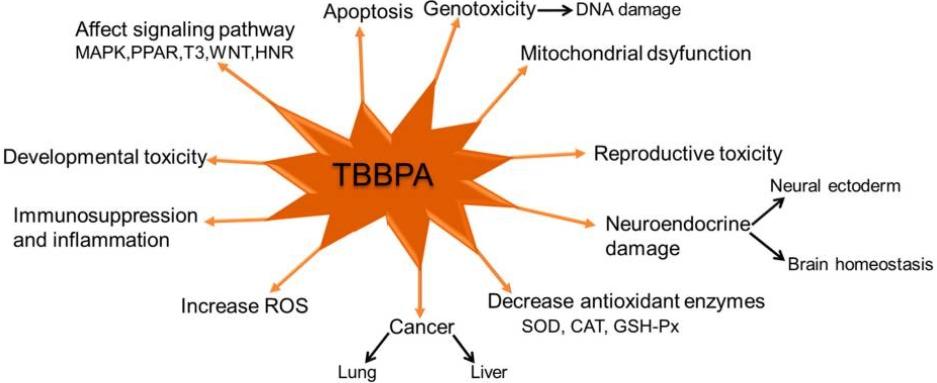
How does TBBPA cause reproductive toxicity? TBBPA significantly reduces sex hormone activity in males and females, exacerbating infertility. TBBPA toxicity increases concentrations of hormones such as estradiol, luteinizing hormone (LH), and progesterone, thereby lowering cortisol levels in serum. According to Hales and Robaire, TBBPA induces testosterone synthesis in cultured MA-10 Leydig cells and alters expression of steroidogenic genes. Liang's research group also concluded that TBBPA treatment can reduce viability of spermatogonial cells, affecting endpoints like disruption of cytoskeleton and increased apoptosis. In vitro studies indicate embryonic stem cells (ESCs) exposed to TBBPA suffer cell death, increased reactive oxygen species production, and mitochondrial dysfunction. Exposure to varying concentrations of TBBPA during pregnancy can lead to miscarriages, affecting fetal development and maternal health, including premature birth. Prenatal exposure may increase risk of late pregnancy anemia. Elevated TBBPA concentrations can reduce male reproductive capability, altering sperm motility, concentration, head and tail movements.
Studies suggest maternal exposure to TBBPA may adversely affect infant neurologic and intellectual development. As human exposure to TBBPA increases, early stages of heart development may be affected. During embryonic development, TBBPA significantly impacts the heart and nervous/musculoskeletal systems. While sufficient evidence is lacking to conclusively link TBBPA to autism spectrum disorders in children, one study noted higher TBBPA concentrations in plasma of autistic children. Additionally, increasing TBBPA levels correlate with peculiar behavioral and reaction trends in boys.
Disruption of neuroendocrine function leads to metabolic disorders and other associated health conditions. TBBPA may interrupt metabolism and normal physiological activities, resulting in chronic diseases like neurodevelopmental disorders, immune system diseases, and lower-grade endocrine disruptions. Research indicates glucose levels in human liver cancer cells directly correlate with TBBPA levels.
TBBPA triggers significant metabolic changes in human liver cancer cells. Liver diseases and damage are commonly caused by TBBPA. There is sufficient evidence indicating respiratory system issues like lung disease and pulmonary fibrosis result from TBBPA exposure, although the epidemiology of TBBPA on the respiratory system remains unclear. TBBPA can activate production of reactive oxygen species and induce apoptosis of osteoblasts, potentially leading to bone diseases.
Graphical representation of TBBPA's toxic effects is shown below:
In conclusion, TBBPA as a compound under certain conditions may exhibit toxicity, posing potential threats to the environment and organismal health. However, further research and monitoring are necessary to comprehensively assess the toxicity and potential risks of TBBPA, enabling appropriate preventive and management measures to safeguard human and environmental health and safety.
[1] https://www.ncbi.nlm.nih.gov/pmc/articles/PMC10054480/
[2] Miao B, Yakubu S, Zhu Q, et al. A review on tetrabromobisphenol A: human biomonitoring, toxicity, detection and treatment in the environment[J]. Molecules, 2023, 28(6): 2505.
[3] https://www.sciencedirect.com/science/article/abs/pii/B9780128146552000281
[4] https://www.sciencedirect.com/topics/pharmacology-toxicology-and-pharmaceutical-science/tetrabromobisphenol-a
[5] https://www.sciencedirect.com/science/article/abs/pii/B9780128243152003237
 |
|
 |
 |
 |
 |
 EN
EN
 Agricultural News
 Food News
 Industrial News
 Cosmetic News
 Pharmaceutical News
 Science News

 3YRS
3YRS

