-
We detected your language preference as English. Would you like to switch to the English version for a better experience?
Switch to English
Stay here


Safety Data Sheets (SDS) are crucial resources providing essential information for the safe handling, storage, and disposal of chemicals, including Sodium Metabisulfite. By comprehensively outlining potential hazards, proper handling procedures, and emergency response protocols, SDS plays a crucial role in mitigating risks and preventing accidents in workplaces where Sodium Metabisulfite is used. Therefore, in this article, we will delve into the importance of SDS and its indispensable role in promoting chemical safety practices, specifically focusing on Sodium Metabisulfite SDS.
Sodium Metabisulfite SDS is a comprehensive document required by regulations for companies involved in the production or sale of hazardous chemicals, detailing 16 aspects including the chemical composition, physicochemical parameters, combustion and explosion performance, toxicity, environmental hazards, and more. Its main purpose is to assist chemical users in understanding the physical, chemical, and toxicological properties of the chemical to ensure safety during use. Mandated by regulations such as the Regulations on the Safety Management of Hazardous Chemicals, SDS is compulsory.
Sodium Metabisulfite, widely used in the industrial sector, has significant importance for relevant companies and users. On one hand, by reading the SDS, users can gain comprehensive insights into the characteristics and risks of Sodium Metabisulfite, including detailed information on its chemical composition, health hazards, ecological impacts, methods of use, safe handling, and storage methods. This helps users formulate safe usage strategies, reducing potential risks to the environment and health. On the other hand, Sodium Metabisulfite SDS also provides relevant safety usage advice and warnings, such as precautions during production and storage processes, and potential safety issues when mixed with other chemicals. This information plays a crucial guiding role in the safe use of chemicals for users.

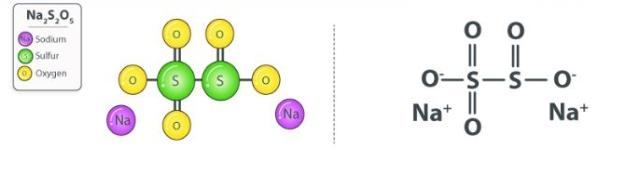
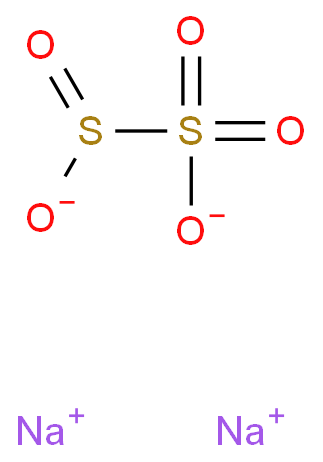
Sodium Metabisulfite, also known as sodium pyrosulfite or disodium metabisulfite, with the chemical formula Na2S2O5, is an inorganic compound. Sodium Metabisulfite exists as a white crystalline or powdery solid, with a slight sulfur odor. Inhalation is toxic. It strongly irritates the skin and tissues. Non-combustible, but may decompose at high temperatures releasing toxic fumes of sulfur and sodium oxides. Corrosive acid when mixed with water. Used as a food preservative and laboratory reagent. It is obtained by absorbing sulfur dioxide in sodium carbonate solution, followed by separation and drying. Its uses include:
(1) Pharmaceutical Industry: Used in the production of chloroform, phenylsulfonylmethane, and benzaldehyde. In the rubber industry, it is used as a coagulant.
(2) Textile Industry: Used as a dechlorinating agent for cotton bleaching and a scouring agent for cotton fabrics.
(3) Leather Industry: Used in leather processing to make leather soft, full, tough, and with properties such as waterproof, crease resistance, and abrasion resistance.
(4) Chemical Industry: Used in the production of vanillin, hydroxylamine hydrochloride, etc.
(5) Photographic Industry: Used as a developer, etc.
(6) Food Industry: Used as a preservative, antioxidant, and flour improver.
(7) In the process of reducing gold from chloroauric acid (gold dissolved in aqua regia), Sodium Metabisulfite is utilized.
Here are some overviews of Sodium Metabisulfite SDS:
(1) Chemical Information: The first part of the SDS provides basic information about the chemical, including the name, chemical formula, molecular weight, boiling point, melting point, flash point, etc. In addition, the SDS also provides specific test data such as the main content.
(2) Hazard Summary: The second part of the SDS provides an overview of the hazards of the chemical, including health hazards, environmental hazards, fire and explosion hazards, reaction hazards, etc. This information can help readers understand the hazards of the chemical and take corresponding measures to protect themselves and those around them.
(3) First Aid Measures: The third part of the SDS provides first aid measures after exposure to the chemical, including emergency handling methods for skin contact, eye contact, inhalation, ingestion, etc.
(4) Firefighting Measures: The fourth part of the SDS provides firefighting measures when the chemical is on fire, including types of fires, selection and use of extinguishers, fire prevention measures, etc.
(5) Leak Emergency Handling: The fifth part of the SDS provides emergency handling methods after a chemical leak, including isolation of the leak area, evacuation of personnel, cleaning up the leak, etc.
(6) Handling and Storage: The sixth part of the SDS provides requirements for handling and storage of the chemical, including storage conditions, protective measures for operators, measures to prevent leaks, etc.
(7) Safety Precautions: The seventh part of the SDS provides safety precautions during the use and storage of the chemical, including safe storage, use, and handling methods of the chemical, measures to prevent leaks, etc.
(8) Exposure Control/Personal Protection: The eighth part of the SDS provides requirements for exposure control and personal protection of the chemical, including safe storage, use, and handling methods of the chemical, measures to prevent leaks, etc.
Understanding Sodium Metabisulfite SDS is crucial for ensuring workplace safety and compliance with regulatory requirements. SDS is an important resource for workers, providing detailed information on hazards related to Sodium Metabisulfite and guidance on safe handling, storage, and disposal. By reviewing and familiarizing themselves with SDS, employees can effectively assess risks, implement appropriate control measures, and respond appropriately to emergencies. Additionally, regulatory authorities require employers to make SDS easily accessible to workers and provide training on its contents, emphasizing the importance of SDS as a key component of workplace hazard communication and risk management.
(1) Guidance on interpreting the information provided in Sodium Metabisulfite SDS:
Interpreting the Safety Data Sheet (SDS) for Sodium Metabisulfite requires a systematic approach to interpreting the wealth of information provided. (1) Carefully examining the identification and composition sections, which provide key insights into the chemical composition of the substance and the presence of any impurities. Understanding details such as chemical formulations, molecular weights, and other component details lays the foundation for assessing potential risks and determining appropriate procedures. (2) Paying close attention to the hazard identification section can help identify specific hazards associated with Sodium Metabisulfite, such as its corrosiveness and the potential release of toxic sulfur dioxide gas when in contact with water.
(2) Understanding hazard classifications and pictograms:
The hazard classifications and pictograms for Sodium Metabisulfite provide valuable visual clues to its potential hazards. Hazard classifications categorize Sodium Metabisulfite based on its hazards to human health and the environment, providing a clear understanding of the specific dangers it poses. Pictograms complement these classifications by providing visual representations of these hazards, making it easy to identify potential risks quickly and easily. By familiarizing themselves with these hazard classifications and pictograms, individuals can better understand the hazards associated with Sodium Metabisulfite and take necessary preventive measures to mitigate risks.
(3) Identifying potential risks and safety measures:
Identifying potential risks and understanding the corresponding safety measures outlined in Sodium Metabisulfite SDS is crucial for ensuring the safe handling and use of this substance. SDS provides detailed information on potential hazards, such as skin and eye irritation, respiratory effects, and environmental hazards, as well as recommended safety measures to minimize exposure and prevent accidents. By identifying potential risks and understanding the corresponding safety measures, individuals can effectively implement appropriate control measures, such as personal protective equipment (PPE), engineering controls, and emergency response procedures, to protect themselves and others from harm.
Sodium Metabisulfite is a strong reducing agent that releases sulfur dioxide gas upon contact with water, posing toxic and irritating effects on the respiratory system. Therefore, careful handling of Sodium Metabisulfite is essential, wearing appropriate personal protective equipment (PPE) such as gloves, goggles, and respirators to minimize contact. Additionally, direct contact with Sodium Metabisulfite can cause irritation to the skin and eyes, thus thorough washing with water upon contact and seeking medical care is necessary.
To mitigate the risks associated with Sodium Metabisulfite, it is important to store it in a well-ventilated area, away from heat sources and incompatible substances such as strong acids or oxidizers. Proper labeling on containers and clear communication of hazards to all personnel handling the substance is crucial. In case of spills or leaks, immediate containment measures should be taken to prevent further spread, and appropriate cleanup procedures should be followed to minimize environmental impact.
Emergency response protocols should be established, including procedures for handling spills, leaks, or exposure incidents. This may involve evacuating the area, providing medical assistance to affected individuals, and notifying relevant authorities as necessary. Regular training for staff on safe handling and emergency procedures regarding Sodium Metabisulfite is essential to ensure preparedness and compliance with safety regulations.
The United Nations number is a globally recognized, unique identification code used to code and track various chemical substances. The UN number system was jointly developed by the United Nations Environment Programme (UNEP) and the International Programme on Chemical Safety (IPCS) to assign a globally unique identification code to each chemical, facilitating tracking, management, and control of chemical use and transport. The United Nations number, abbreviated as UN number, is a unique numerical identifier prescribed by the United Nations for hazardous substances, primarily used for identifying and classifying various hazardous substances to ensure safety during transportation and handling processes. This identification system consists of four digits, ranging from 0004 to 3549, capable of recording ten thousand different UN numbers. In the food industry, this system is also widely used, especially in identifying and handling the safety and transport processes of chemicals.
What is the UN number for Sodium Metabisulfite? Sodium Metabisulfite is commonly used as a preservative in various industries, and its UN number is: 1759. This classification indicates specific hazards associated with the substance, such as the potential release of sulfur dioxide gas when in contact with moisture, posing health risks if inhaled. Understanding the United Nations number associated with Sodium Metabisulfite is crucial for compliance with regulations and taking safety measures, especially in its transportation and storage. Regulatory agencies and emergency responders rely on UN numbers to quickly assess the hazards posed by chemicals and implement appropriate safety procedures in the event of accidents or leaks. Therefore, understanding the United Nations number for Sodium Metabisulfite aids informed decision-making and ensures compliance with regulatory requirements to protect human health and the environment.
Safety Data Sheets (SDS) are comprehensive and detailed documents providing essential information for the safe use and handling of chemicals, widely used in companies involved in the production and sale of chemicals. It contains many key pieces of information such as the chemical composition, hazards, and usage recommendations, enabling operators to handle chemicals in a safe environment.
Globally, various countries have strict legal regulations on SDS compliance. For example, in the European Union, SDS must comply with a series of regulatory requirements, including information on the physical, chemical, and biological hazards of chemicals, as well as necessary safety measures. In China, companies need to provide accurate SDS and safety labels in various stages such as production, operation, import, and export.
Non-compliance with SDS regulations may lead to serious consequences. For example, if operators do not have correct information about chemicals, accidents such as chemical burns and poisoning may occur during the handling process. Additionally, if companies fail to provide SDS that comply with regulatory requirements, they may face legal responsibilities and fines.
To ensure the effectiveness of SDS regulations, the European Union will begin enforcing updates to SDS regulations in 2023 and check the compliance of SDS. Countries such as China, Canada, the United Kingdom, and Japan have also made adjustments to SDS. Canada adopted the 7th revised edition of the GHS, the EU implemented the REF-11 project, the UK withdrew from the EU and implemented UKREACH, and China and Japan adjusted the safety management of cosmetics and hazardous chemicals. Therefore, companies need to closely follow changes in these regulations and adjust their SDS in a timely manner to remain compliant.
For some companies, compliance with SDS regulations may bring additional costs and workload. However, compared to the costs and responsibilities arising from non-compliance operations, compliance with SDS regulations is essential.
Understanding and digesting the information provided in Sodium Metabisulfite Safety Data Sheets (SDS) is crucial for ensuring the safe handling and use of this chemical substance. In this article, we have explored the importance of comprehensively interpreting SDS, including identifying potential hazards, understanding safety precautions, and implementing appropriate emergency response procedures. By summarizing key points from the guidelines, such as the importance of hazard classification, pictograms, and safety measures, individuals can effectively mitigate risks associated with Sodium Metabisulfite. For those seeking to leverage the benefits of Sodium Metabisulfite while striving for safety, I encourage considering its safe handling methods and compliance with regulatory requirements.
[1] https://www.unece.org/cefact/codesfortrade/codes_index.html
[2] www.ilo.org/dyn/icsc/showcard.display?p_lang=zh&p_card_id=1461&p_version=2
[3] https://en.wikipedia.org/wiki/Sodium_metabisulfite
[4] https://pubchem.ncbi.nlm.nih.gov/compound/656671#section=UN-Number
 |
 |
|
 |
 |
 |
 EN
EN
 Agricultural News
 Food News
 Industrial News
 Cosmetic News
 Pharmaceutical News
 Science News

 1YR
1YR


