We detected your language preference as English. Would you like to switch to the
English
version for a better experience?
Switch to English
Stay here
EN
En
Es
JP
Category
Encyclopedia
Dictionary
Database & Tools
CN Chemical Plant Database
CN Chemical Capacity Database
Cosmetic ingredients
Supplier
GuideTrends
GuideView
News
Industry News
Agricultural News
Food News
Industrial News
Cosmetic News
Pharmaceutical News
Science News
Exhibition News
Chemical Policy
Articles
Trends
Application
Research
Property
History
Trades
HOT RFQ
Featured Suppliers
TradeShow
FAQ
Structure Search
About Us
News
Industry News
Exhibition News
Chemical Policy
Articles
Trends
Application
Research
Property
History
Trades
HOT RFQ
Featured Suppliers
FAQ
Visit Guidechem
EN
En
Es
JP
Guideview
>
Articles
> Food
Food
Discover Guideview's Food articles! Stay informed about the latest news, policies, and scientific insights relevant to the food industry.
HOT Topics
Comparison
Distilled water
Iodized salt
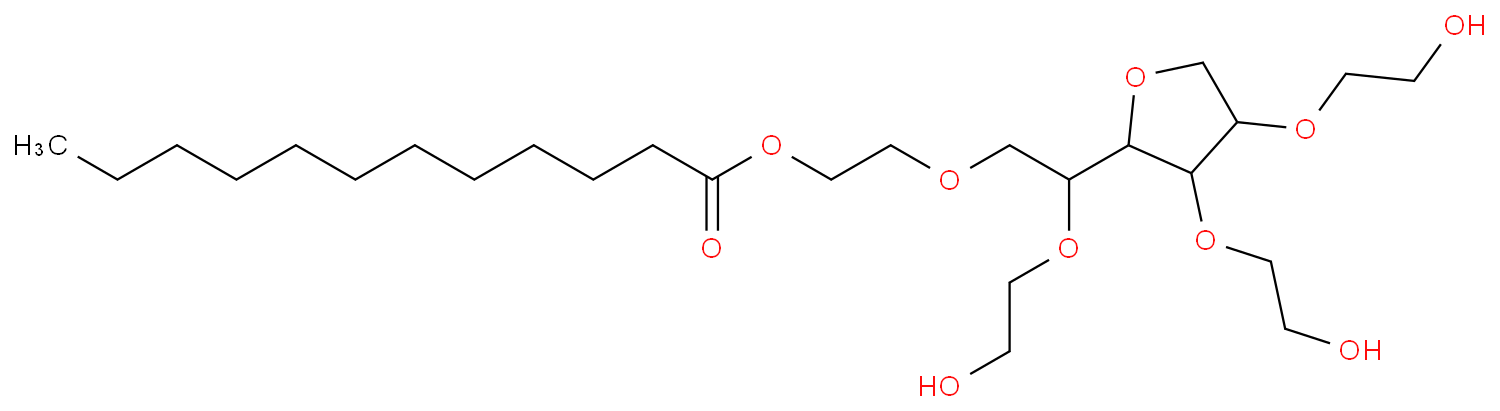
Polysorbate 20 in Food Products: A Technical Guide for Formulation Chemists
Polysorbate 20
Polysorbate 20 is a high-HLB (around 16.7) nonionic surfactant that stabilises oil-in-water emulsions and solubilises lipophilic actives. Its greatest strengths are emulsion stability and texture control.
Terpenes in Food and Nutrition: A Technical Guide for Formulation Chemists
Terpenes
Terpenes are hydrocarbons assembled from C5 isoprene units, and their behaviour is governed by carbon count and polarity rather than by functional groups. Low-carbon monoterpenes and sesquiterpenes are volatile and nonpolar.
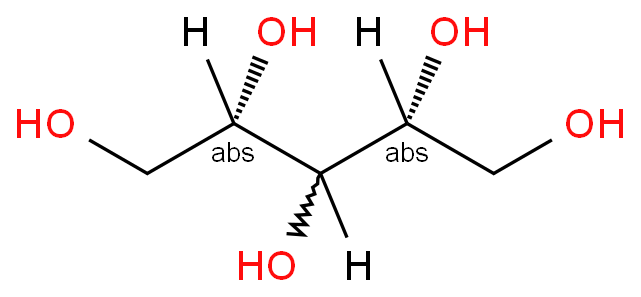
Xylitol in Food & Nutrition: Technical Guide to Properties, Formulation, Function and Regulatory Compliance
Xylitol
Xylitol is a five-carbon sugar alcohol with molecular formula C5H12O5, molecular weight approximately 152 g/mol and CAS 87-99-0. Its principal value is as a sucrose-like sweetener with a low glycemic response.
Microcrystalline Cellulose in the Food Industry: Technical Guide to Function, Formulation, Stability and Regulatory Compliance
Microcrystalline Cellulose
Xanthan gum
Microcrystalline cellulose is a purified crystalline cellulose with the repeat unit formula (C6H10O5)n, CAS 9004-34-6 and EC 232-674-9. For food formulation its principal value is a combination of very low bulk density.
Rosemary Extract in Food & Nutrition: Technical Guide to Antioxidant Function, Formulation, Safety and Regulatory Compliance
Rosemary Extract
Rosemary extract is a phenolic-rich botanical antioxidant with CAS 84604-14-8, EC 283-291-9 and food additive identities E 392 and INS 392. For food formulation.
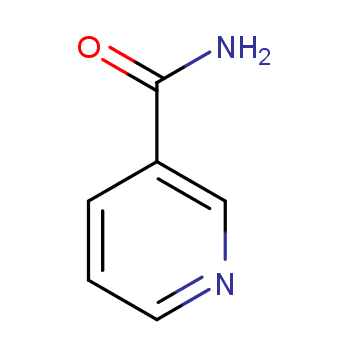
Niacinamide in Food & Nutrition Products: Technical Guide to Function, Formulation, Fortification and Regulatory Compliance
Niacinamide
Niacinamide is pyridine-3-carboxamide with molecular formula C6H6N2O, molecular weight 122.12 g/mol, CAS 98-92-0 and EC 202-713-4. It is a colorless to white crystalline powder that melts near 130 °C and dissolves readily in water.
Fumaric Acid in Food Products: Technical Guide to Acidulant Function, Formulation and Compliance
Fumaric Acid
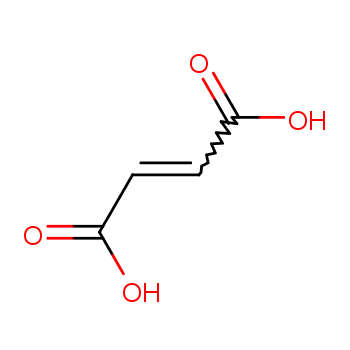
Fumaric acid is a symmetric unsaturated dicarboxylic acid with the formula C4H4O4 and molar mass 116.072 g/mol. For food formulation, its principal value is intense sourness that lowers pH and supports preservation.
Sodium Ferrocyanide in Food Products: Technical Guide to Anti-Caking Function, Safety and Regulatory Compliance
Sodium Ferrocyanide
Sodium ferrocyanide is a yellow crystalline coordination compound with the formula Na4[Fe(CN)6], molar mass 303.91 g/mol and CAS 13601-19-9. For food formulation.
Caffeine in Food & Beverage Products: Technical Guide to Function, Formulation, Safety and Regulatory Compliance
Caffeine
Theobromine
Theophylline
Caffeine is a white, odorless, bitter purine alkaloid with molecular formula C8H10N4O2, molecular weight 194.19 g/mol and CAS 58-08-2. For food and beverage formulation.
Baker's Yeast in the Food Industry: Technical Guide to Function, Fermentation, Formulation and Regulatory Compliance
Baker's Yeast
Bakers Yeast
Baker's yeast is the eukaryotic microorganism Saccharomyces cerevisiae, used commercially as a leavening agent, starter culture, protein source and vitamin and mineral source.
< Pre
1
...
24
25
26
27
28
29
30
...
35
Next >
Articles Archives
Hot Articles
Distilled vs Deionized water: Complete Comparison & Procurement Guide
Light molasses vs Dark molasses: Complete Comparison & Procurement Guide
Cleaning with apple cider vinegar vs White: Key Differences & Buyer Guide
Pure cane vs Granulated sugar: Complete Comparison & Procurement Guide
Sodium chloride vs Salt: Complete Comparison & Procurement Guide
Chinese star anise vs Japanese star anise: Key Differences & Buyer Guide
Potassium bicarbonate vs Baking soda: Complete Comparison & Procurement Guide
Distilled water vs Di water: Complete Comparison & Procurement Guide
Related Exhibition
All Categories
Agri & Industry
Cosmetic
History
Laboratory
Pharmaceutical






 EN
 Agricultural News
 Food News
 Industrial News
 Cosmetic News
 Pharmaceutical News
 Science News

