-
We detected your language preference as English. Would you like to switch to the English version for a better experience?
Switch to English
Stay here


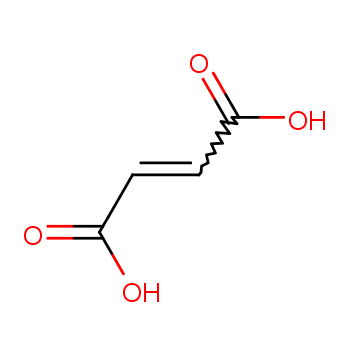
Fumaric acid is the trans isomer of butenedioic acid and one of the most potent acidulants available to the food and beverage industry. First isolated from plants of the genus Fumaria, it is a colourless crystalline powder with a clean, persistent sourness that functions as an acidulant, flavour enhancer, buffering agent and antimicrobial aid. Its stability, sourness and preservative-supporting properties have made it a versatile ingredient across bakery, beverage, confectionery, dairy and oenology applications.
For product developers, the technical question is not simply whether fumaric acid acidifies, but how its low water solubility, strong acidity, flavour profile and salt forms interact with the matrix, the preservative system and the destination-market limits. This guide consolidates those considerations into a practical B2B framework.
| Function | Suitable Users | Core Technical Indicators | Compliance Framework |
|---|---|---|---|
| Acidulant | Beverage, confectionery and bakery producers needing strong acidification with low use levels | Molecular formula C4H4O4; molar mass 116.072 g/mol; density 1.635 g/cm3; solubility 4.9 g/L at 20 °C; pKa1 3.03, pKa2 4.44 | GRAS in the USA; additive restricted by purity and use conditions under 21 CFR 172.350 |
| Flavour enhancer | Developers of fruit-based beverages and sour candies seeking a clean, fruity sourness | Provides a true-to-fruit flavour roundness and is often perceived as sweeter and less harshly sour than citric acid | Used within the amount needed to achieve the desired effect |
| Buffering agent | Formulators needing to hold a stable pH through processing and shelf life | Weak acid that stabilises pH and, in bakery, lowers it below 5.5 so preservatives can function | Confirm use level against the specific category requirement |
| Antimicrobial aid | Producers of high-pH products where preservative systems are otherwise ineffective | Lowers pH to inhibit harmful bacteria and mould and to optimise the performance of other preservatives | Used in combination with permitted preservatives such as sorbate and propionate |
Fumaric acid is the trans isomer of the symmetric, unsaturated dicarboxylic acid 2-butenedioic acid, characterised by two carboxyl groups and a carbon-carbon double bond. Its cis isomer is maleic acid, and the two share the same formula but differ sharply in properties.
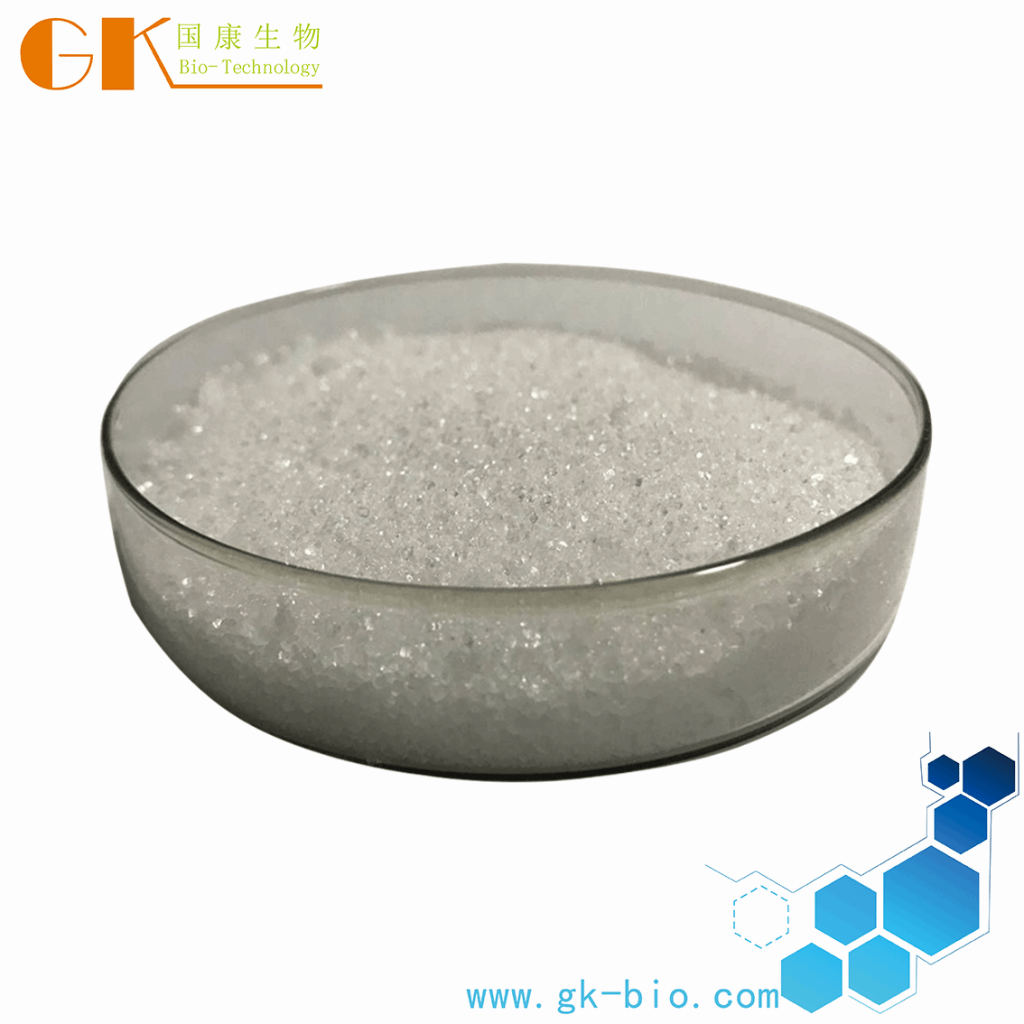
Physically, it is a dry white or nearly white crystalline powder or granule with a clean, persistent sourness. Its density is about 1.635 g/cm3 and its melting point about 287 °C, notably higher than that of its cis isomer because of the trans arrangement of its carboxyl groups. Its solubility in water is only about 4.9 g/L at 20 °C, and its acidity is described by pKa1 of 3.03 and pKa2 of 4.44.
From a formulator's viewpoint, the importance of fumaric acid is its potency. As the most potent of the common food acids, it delivers intense sourness from a smaller mass than citric or tartaric acid, which supports cost savings, and it also contributes preservative support by lowering pH. Its low solubility is the principal trade-off.
Explore the fumaric acid technical encyclopedia for additional chemical and application information.
| Parameter | Specification / Description |
|---|---|
| Chemical name | trans-butenedioic acid |
| Common names | Fumaric acid, 2-butenedioic acid, allomaleic acid |
| Molecular formula | C4H4O4 |
| Molar mass | 116.072 g/mol |
| Melting point | About 287 °C |
| pKa values | pKa1 3.03; pKa2 4.44 |
| Solubility in water | About 4.9 g/L at 20 °C |
Fumaric acid is a functional acidulant rather than a bulk ingredient. Its technical value derives from three interacting behaviours: the release of hydrogen ions that lowers pH, the interaction of sourness with sweetness perception, and the acidification that enables preservative systems.
Because fumaric acid is a diprotic acid with pKa values of 3.03 and 4.44, it releases hydrogen ions when dissolved and lowers the pH of the final formulation, providing a sour taste and helping preserve the food. The lowered pH prevents the growth of several microorganisms and positions the product within the range where other preservatives work effectively, which is why the acid is used as much for stability as for taste.
Fumaric acid contributes a fruity, true-to-fruit flavour that boosts the overall taste profile, particularly in fruit-based beverages and sour candies. A comparative study of citric, malic and fumaric acids in a peach mango juice beverage found that citric acid gave a higher upfront sweetness, while fumaric acid provided a more true-to-fruit flavour roundness and was perceived as sweeter and less sour.
Many preservatives are weak acids whose antimicrobial activity depends on the pH of the matrix. In bakery products with a pH of 5.5 or higher, less than 10 percent of the preservative functions, so practical shelf-life extension fails even when preservatives are present. Fumaric acid lowers the pH below 5.5, where about 50 percent of the preservative is active, which is why it makes sorbic acid and calcium propionate effective.
Fumaric acid is mainly produced today by petroleum-based chemical synthesis. The petrochemical route isomerises maleic acid obtained from maleic anhydride, and maleic anhydride is produced by catalytic gas-phase oxidation of suitable hydrocarbons. Benzene was the predominant starting material historically, but oxidation of n-butane or n-butane and n-butene mixtures has become more important in recent years.
Microbial production is an alternative route. Fumaric acid was produced by fermentation in the United States during the 1940s, but the process was later discontinued and replaced by chemical synthesis. Fermentation using Rhizopus species has been patented occasionally, and in 1989 DuPont patented an improved process producing carboxylic acids by controlling dissolved oxygen between 30 and 80 percent. Productivity depends on the microbial strain and its morphology, the neutralising agent and the feedstock, and interest in bio-based fumaric acid is growing.
From a formulation perspective, the most relevant comparison is among the common food acidulants and among the fumarate salts, because they share technical functions but differ in solubility, sourness and mineral contribution. Grouping them correctly is essential, because a use level written for one acid does not transfer directly to another.
Fumaric acid is the most potent of the common food acids, and its trans configuration gives it a high melting point and low solubility. It is used principally in fruit juices and wines and as a substitute for tartaric acid, and it can occasionally take the place of citric acid at about 0.91 grams of fumaric acid for every 1.36 grams of citric acid for the same taste.
Maleic acid is the cis isomer of butenedioic acid and shares the same molecular formula, but the different geometry changes the physical and chemical behaviour. The cis arrangement results in a lower melting point, and maleic acid is a classic example of how isomerism influences properties, which is why the two are treated as distinct substances rather than interchangeable forms.
Fumaric acid and its calcium, ferrous, magnesium, potassium and sodium salts may be safely used in food. Calcium, magnesium and ferrous fumarate are added to enrich products with those minerals, while potassium and sodium fumarates are widely used as acidulants and for nutrient enrichment.
| Parameter | Fumaric Acid | Citric Acid | Tartaric Acid |
|---|---|---|---|
| Molecular formula | C4H4O4 | C6H8O7 | C4H6O6 |
| Molar mass | 116.072 g/mol | 192.12 g/mol | 150.09 g/mol |
| Water solubility | Low; about 4.9 g/L at 20 °C | High; readily soluble | High; readily soluble |
| Relative potency | Highest among the common food acids | Moderate | Moderate |
| Flavour character | True-to-fruit roundness; perceived sweeter and less sour | Sharper and more immediate sourness | Firm, characteristic acidity used in wine |
| Equivalence | About 0.91 g replaces 1.36 g citric acid | Reference for sourness comparison | Used for specific wine and baking functions |
| Key limitation | Low solubility; needs time to dissolve | Weaker potency and higher use levels | Higher cost and specific sensory profile |
| Property | Typical Description |
|---|---|
| Chemical formula | C4H4O4 |
| Molecular weight | 116.072 g/mol |
| Appearance | White solid; crystalline powder or granule |
| Density | About 1.635 g/cm3 |
| Melting point | About 287 °C, higher than the cis isomer |
| Solubility in water | About 4.9 g/L at 20 °C |
| Acidity | pKa1 3.03; pKa2 4.44 |
| Magnetic susceptibility | About -49.11 x 10⁻⁶ cm3/mol |
| Category | Product Examples | Technical Objective |
|---|---|---|
| Bakery | Tortilla, sour dough, rye bread, biscuit dough | Lower pH so preservatives function and shelf life extends |
| Beverage | Fruit juice, nutraceutical drinks | Provide a clean, true-to-fruit sourness and enhance flavour |
| Dessert and confectionery | Gelatin desserts, gelling aids, pie fillings, candy, snack foods, breakfast cereals | Add sourness and control pH in sugar-based and gel systems |
| Oenology | Wine, wine cocktails | Adjust acidity and contribute to stability and taste balance |
| Dairy | Chocolate milk, cocoa, eggnog, condensed milk, milk and cream powders, yogurt, cheese | Control acidity and enhance flavour in dairy and dairy-based drinks |
Fumaric acid is used in the food industry as one of the most common acidulants, and it is considered the most potent acid available for food use. Because of its sour taste it also serves as a flavour enhancer and controls the pH of the final formulation, while its antimicrobial properties inhibit the growth of harmful bacteria and mould.
Begin by identifying whether fumaric acid is present to acidify, to enhance flavour, to buffer or to support preservation, because each objective implies a different use level and point of addition. Because it is the most potent common acid, define the level from the target pH and desired sourness rather than copying a citric acid level, using the equivalence of about 0.91 grams of fumaric acid to 1.36 grams of citric acid as a starting guide.
Verify identity, assay, appearance and colour, solubility, loss on drying, heavy-metal limits and microbiological quality against the approved purchasing specification. Where the additive is regulated as a named food additive, confirm that it meets the required purity, such as not less than 99.5 percent fumaric acid on an anhydrous basis, and match each batch certificate to the specification.
Because fumaric acid has low solubility and needs additional time to dissolve, allow sufficient mixing time and confirm complete dissolution before progressing. Where slow dissolution would limit throughput, consider an encapsulated grade, which is used in bakery applications to control when the acid becomes available during processing.
When fumaric acid is used to support preservation, target a pH below 5.5 so that a meaningful fraction of the preservative remains active, and model the effect on the finished product rather than the acid alone. In bakery systems, confirm that the pH is low enough for the sorbate or propionate system to work, since above pH 5.5 less than 10 percent of the preservative functions.
Because sourness interacts with sweetness, aroma and the rest of the acid profile, taste the finished product against the sensory target rather than relying on theoretical addition. Confirm the final pH after equilibration, and verify shelf life and microbiological stability in the actual matrix, since the acid's contribution to preservation depends on both pH and the partner preservative system.
The following formulations are illustrative technical examples rather than universal commercial recipes. Actual ingredient levels must be recalculated according to the target taste, pH, preservative system and market requirements.
| Tortilla Ingredient | Illustrative Quantity | Technical Role |
|---|---|---|
| Wheat flour | 1000 g | Structure-forming base |
| Water | 505 g | Hydration phase for gluten development |
| Shortening and emulsifiers | 75 g combined | Fat phase and dough conditioning for softness |
| Baking powder, salt and L-cysteine HCl | 30 g combined | Leavening, seasoning and dough relaxation |
| Encapsulated fumaric acid | 1.28 g | Controlled acidification supporting preservation and pH control |
| Potassium sorbate and calcium propionate | 9 g combined | Preservative system whose efficacy depends on low pH |
In a typical sauce formulation, fumaric acid is used at 0.30 grams alongside acetic acid, soybean oil, microcrystalline cellulose, mustard powder, egg yolk solids, gums and potassium sorbate to acidify and stabilise the emulsified system. The contrast between the encapsulated acid in the tortilla and the freely soluble acid in the sauce shows how physical form determines when the acidity becomes available and therefore what function the acid serves.
Regulatory treatment of fumaric acid depends on its identity as a food acidulant and on the intended use. A supplier's statement that a material is food grade does not by itself establish compliance, and purity and use conditions are frequently specified rather than left open.
| Market / Framework | Technical Relevance | Compliance Action |
|---|---|---|
| United States FDA | Fumaric acid has been designated generally recognised as safe, and under 21 CFR 172.350 the additive should contain not less than 99.5 percent fumaric acid by weight on an anhydrous basis. | Confirm the purity requirement and the intended use, and verify the current provisions before launch. |
| Salts of fumaric acid | Calcium, magnesium, sodium and potassium salts should be not less than 99 percent by weight on an anhydrous basis, and ferrous fumarate contains at least 31.3 percent total iron and not more than 2 percent ferric iron. | Specify and verify the correct salt and its purity requirement for the intended application. |
| Use-level conditions | Except for ferrous fumarate, salts of fumaric acid, used singly or in combination, should not exceed the amount required to obtain the desired effect. | Justify the use level by the intended function and avoid unnecessary excess. |
| Nutritional use of ferrous fumarate | Ferrous fumarate can be used as a source of iron in dietary supplements provided it does not exceed the required dosage. | Confirm the iron contribution and labelling against the nutrient rules for the intended market. |
| International frameworks | Fumaric acid is authorised as an acidity regulator and acidulant in many markets, often with good manufacturing practice levels. | Verify the digital additive listing for each intended sales market rather than assuming harmonisation. |
| EU REACH | Obligations depend on the substance, the manufacturer or importer and the tonnage, and food-grade material may still carry registration duties. | Verify the exact REACH status for the supply chain rather than assuming food use removes every obligation. |
| ISO 22000 / HACCP | Food-safety management systems support control of contamination, traceability and manufacturing hazards throughout production and packing. | Maintain supplier qualification, batch traceability and validated quality procedures for the finished product. |
Fumaric acid is a non-toxic food additive that has been designated generally recognised as safe, and it has a long history of use in beverages, baking powders, confectionery and baked goods. Its salts, including calcium, magnesium, ferrous, potassium and sodium fumarate, are likewise permitted, and several are valued as mineral sources.
Because fumaric acid is a strong acidulant, its principal practical consideration is the effect of the pH reduction on the food matrix and on the performance of other ingredients. Lowering pH changes flavour balance, influences preservative activity and can affect proteins and hydrocolloids, so the acid should be dosed to achieve a defined pH target.
For manufacturers, the most important safety principle is to keep the additive within its authorised use and to avoid marketing claims that exceed permitted nutrient-content or health claims. Fumaric acid is an acidulant and flavour enhancer, not a therapeutic agent, and where ferrous fumarate is used as an iron source the iron contribution and its labelling should be managed within the applicable nutrient rules.
| Reference Point | Illustrative Value |
|---|---|
| Equivalent to citric acid | About 0.91 g fumaric acid replaces 1.36 g citric acid |
| Target pH for bakery preservation | Below 5.5, where about 50% of preservative functions |
| Water solubility | About 4.9 g/L at 20 °C |
| pKa values | 3.03 and 4.44 |
| Minimum assay for food use | Not less than 99.5% by weight on an anhydrous basis |
These values are illustrative references drawn from published sources and should not be interpreted as universal legal maximums. Product developers should use the current category-specific requirements applicable to the intended market and should account for the total acid profile of the finished product.
It is used as an acidulant, flavour enhancer, buffering agent and antimicrobial aid. It lowers pH to aid preservation and enhance flavour, provides sourness in fruit-based beverages, sour candies and desserts, and helps optimise the performance of preservative systems in bakery products.
They share the same formula C4H4O4 but differ in geometry: fumaric acid is the trans isomer and maleic acid is the cis isomer. The trans arrangement gives fumaric acid a significantly higher melting point and lower solubility, making the two distinct substances rather than interchangeable forms.
Fumaric acid has a solubility of only about 4.9 g/L at 20 °C, far below that of citric acid, so it needs additional time and care to dissolve fully in aqueous systems. This slow dissolution is a practical constraint, and incomplete dissolution can cause localised acidity, gritty texture and inconsistent pH unless adequate mixing time is allowed.
Yes. Calcium, ferrous, magnesium, potassium and sodium salts of fumaric acid may be safely used in food. Calcium, magnesium and ferrous fumarate enrich products with those minerals, while potassium and sodium fumarates are used as acidulants and for nutrient enrichment. Ferrous fumarate is a recognised iron source containing at least 31.3 percent total iron.
| Identifier | Value | Resource |
|---|---|---|
| Chemical name | trans-butenedioic acid | Technical encyclopedia |
| CAS Number | 110-17-8 | Chemical dictionary |
| CAS product lookup | 110-17-8 | Supply search |
| Supplier / trade search | 110-17-8 | Supplier search |
1. U.S. Food and Drug Administration. Code of Federal Regulations Title 21, Sec. 172.350: fumaric acid and salts of fumaric acid, use conditions and purity.
2. Food Business News. Influencing fruit-flavoured beverages with acidulants: citric, malic and fumaric acid comparison.
3. Bartek Ingredients Inc. Comparative study of citric, fumaric and malic acids in a peach mango juice beverage.
4. Maxx Performance. Microencapsulated fumaric acid for shelf-life extension in bakery products.
5. NCBI. Production of fumaric acid by fermentation and petrochemical routes.
6. Thirumalai Chemicals. Fumaric acid product data sheet: properties and applications.
7. Lucknow University. Additives for beverages: acidulant selection and function.
8. ScienceDirect. Fumaric acid: chemistry, production and food applications.
9. Wikipedia and PubChem. Fumaric acid: isomerism, physical properties and occurrence.
|
 |
 |
 |
 |
|
 EN
EN
 Agricultural News
 Food News
 Industrial News
 Cosmetic News
 Pharmaceutical News
 Science News

 3YRS
3YRS

