Daily chemical market prices on September 17, 2026: Anthracite fell 10.00% to CNY 1,575/ton, while Formic acid rose 4.17% to CNY 2,500/ton and Heptane gained 3.92% to CNY 15,900/ton.GuideView15 MIN READSeptember 17, 2026
Daily Chemical Market Price Overview — September 17, 2026
The latest daily chemical market update highlights significant price differentiation across
Basic Chemicals,
Fine Chemicals,
Energy,
Plastics,
Rubber, and other chemical products. While several markets continued to benefit from strong monthly cost inflation, short-term price movements increasingly reflected product-specific supply conditions, downstream purchasing behavior, inventory levels, and margin pressure rather than a uniform upstream cost trend.
Market focus today centered on a sharp
10.00% decline in Anthracite, a
4.17% increase in Formic acid, and a
3.92% rise in Heptane. Meanwhile,
WTI Crude Oil declined 3.77% after reaching elevated levels, while Asphalt and Carbon Black remained particularly strong on a monthly basis. Plastics including ABS, HDPE, and PVC moved lower as downstream demand and processing margins increasingly limited further cost pass-through.
Anthracite recorded the largest daily price movement across all monitored markets, falling sharply by 10.00% to CNY 1,575/ton. The decline was significantly larger than the moves seen across crude oil, refined products and other coal-related materials, indicating a strong product-specific adjustment rather than a broad-based energy selloff. Despite the sharp daily drop, the weekly decline remained limited at 3.34%, suggesting that the latest move may reflect short-term supply-demand rebalancing and price normalization rather than a fully established downward trend.
Price dropped 10.00% today — the largest daily decline across all monitored products.
Formic acid posted the second-largest daily move, rising 4.17% to CNY 2,500/ton. The product has already gained 2.28% over the week and 20.29% over the month, indicating that the latest increase forms part of a broader upward repricing rather than an isolated one-day spike. The combination of strong monthly appreciation and continued short-term gains suggests that supply availability, replacement costs and downstream replenishment demand remain supportive. However, after a 20% monthly increase, further price gains will increasingly depend on whether downstream buyers continue to accept higher offers.
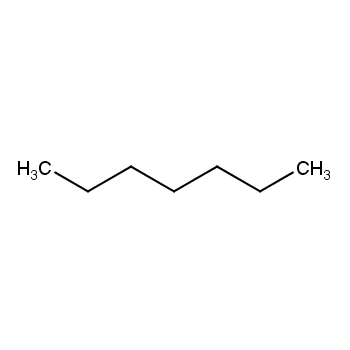
Heptane increased 3.92% to CNY 15,900/ton, marking the third-largest daily move across the full market dataset. The increase comes after a relatively stable weekly performance of 1.36%, while the monthly change remained negative at -2.63%. This combination suggests that the latest rally is more consistent with a short-term spot-market rebound or tightening in available supply than with a fully established medium-term uptrend. As a solvent and hydrocarbon product closely linked to refinery and light-hydrocarbon economics, Heptane remains sensitive to feedstock replacement costs and regional availability.
Price increased 3.92% today, but monthly performance remains -2.63% — indicating a short-term rebound rather than a confirmed longer-term reversal.
Basic chemicals remained structurally firm on September 17, but the market showed increasing differentiation between upstream feedstocks, intermediates, and downstream solvents.
Acetic acid, Acetic anhydride, Formaldehyde, Methanol, Formic acid, Phenol and Chloroform continued to strengthen, while
Ethyl acetate, Benzene, PET, Propylene, Toluene and Xylene were either stable or slightly weaker on a daily basis despite maintaining substantial weekly or monthly gains. The strongest daily increases were recorded in
Formic acid (+4.17%), Heptane (+3.92%), Phenol (+3.32%) and Chloroform (+2.85%). At the same time, Methanol reached CNY 4,030/ton, extending its monthly gain to 30.17%, while Formaldehyde rose 25.66% over the same period. The divergence between upstream/intermediate strength and weaker downstream acceptance suggests that the market is gradually shifting from a broad cost-driven rally toward a more selective phase in which procurement resistance and downstream margins are becoming increasingly important.
The Acetic acid chain remained one of the clearest areas of strength. Acetic acid increased another 1.20% to CNY 4,203/ton, extending its weekly and monthly gains to 9.12% and 19.59%, respectively.
Acetic anhydride also rose 2.24% to CNY 6,838/ton, bringing its monthly increase to 15.44%. The synchronized gains across the two products indicate that strength in the acetyl chain remains firmly established rather than being driven by a single-day transaction imbalance. The upstream price increase is also beginning to influence downstream acetate economics. Recent market monitoring showed that upstream Acetic acid remained at elevated levels and continued to support prices of related acetate products, although the transmission to downstream products is becoming less complete as buyers become more resistant to high quotations. This creates an important distinction between the upstream and downstream portions of the chain:
Acetic acid and Acetic anhydride remain supplier-driven, while Ethyl acetate is increasingly demand-sensitive.
Ethyl acetate provided the clearest evidence of downstream resistance. Despite the strong performance of its upstream Acetic acid chain, Ethyl acetate edged down 0.06% to CNY 6,683/ton on September 17. Its weekly and monthly gains remained positive at 4.78% and 8.24%, but the loss of daily momentum is significant when compared with the 19.59% monthly increase in Acetic acid. Market monitoring on September 17 also showed that Ethyl acetate quotations in both East and North China were adjusted lower, with downstream users showing resistance to high prices and actual transactions increasingly dependent on negotiation. This indicates that the cost increase is no longer being passed through to downstream buyers at the same pace.
The narrowing gap between upstream cost pressure and downstream price acceptance is likely to become one of the key constraints on further upside in the acetate market.
Methanol and Formaldehyde formed another important cost-transmission chain. Methanol increased 0.75% to CNY 4,030/ton, with its weekly gain reaching 7.36% and its monthly increase expanding to 30.17%, the strongest monthly appreciation among the major products in the current dataset. Formaldehyde followed with a 0.87% daily increase to CNY 1,745/ton, while its monthly gain reached 25.66%. The relationship between the two products remains particularly important because methanol represents the key feedstock cost component for formaldehyde. Previous market analysis has shown that higher Methanol prices have been transmitted into Formaldehyde quotations, although downstream acceptance tends to limit the speed and magnitude of the pass-through. The latest data suggest that this transmission remains active, but with an increasingly important margin constraint on downstream buyers. Meanwhile, recent methanol market analysis indicates that Middle East supply disruptions are supporting import costs and prices, while China's expected Q4 coal-based plant restarts and new capacity additions could gradually increase domestic supply.
This means the current Methanol rally is strong, but its sustainability will increasingly depend on whether supply additions can offset the geopolitical supply premium.
Phenol strengthened even as Benzene moved lower, highlighting a growing supply-side divergence within the aromatics chain. Benzene declined 1.37% to CNY 9,601/ton on September 17, while Phenol increased 3.32% to CNY 9,325/ton. On a monthly basis, however, Benzene remained 18.30% higher, compared with a 6.45% increase in Phenol. The opposite daily movements are important because Phenol is closely linked to Benzene through the cumene production route. The divergence suggests that Phenol pricing is currently receiving support from product-specific supply conditions rather than simply following the upstream Benzene market. European phenol and acetone supply has remained affected by the July BP Gelsenkirchen refinery fire, which disrupted benzene feedstock supplies to INEOS and resulted in force majeure and allocation measures for European Phenol and Acetone. Domestic Chinese phenol and acetone plants also experienced concentrated maintenance during June-August, temporarily reducing merchant availability. These factors have provided additional support to the Phenol market even when Benzene itself experiences short-term corrections. :contentReference[oaicite:2]{index=2}
The broader aromatics complex, however, appears to be entering a consolidation phase after a substantial monthly rally. Toluene declined 0.19% to CNY 8,417/ton and Xylene fell 0.19% to CNY 8,733/ton, while their monthly gains remained very strong at 19.22% and 21.32%, respectively. Benzene also declined 1.37% despite remaining 18.30% higher over the month. The simultaneous daily corrections suggest that buyers may be becoming increasingly cautious after the sharp repricing of the aromatics complex. In particular, the fact that monthly gains remain close to or above 20% while daily prices have started to soften indicates a transition from an acceleration phase toward a consolidation phase.
The key question is no longer whether aromatics have risen, but whether downstream demand can continue validating the higher replacement-cost structure.
Chloroform also showed notable short-term momentum. Chloroform increased 2.85% to CNY 2,383/ton, extending its weekly gain to 8.81% and its monthly increase to 5.32%. The daily movement was considerably stronger than the broader chemical market and suggests that short-term supply conditions are playing a meaningful role. The product has also appeared among the stronger chemical commodities in recent domestic market monitoring, alongside Acetic acid, Acetic anhydride and Methanol. While the available market information does not indicate a single dominant demand shock, the combination of firmer upstream conditions and limited spot availability appears to have supported supplier pricing.
Chloroform should therefore be monitored as a supply-sensitive product rather than treated simply as a beneficiary of broad chemical inflation. :contentReference[oaicite:3]{index=3}
Formic acid was another standout mover, rising 4.17% to CNY 2,500/ton. Its weekly increase remained relatively modest at 2.28%, but the monthly gain reached 20.29%, indicating that the latest move forms part of a broader upward trend. Compared with the stronger cost-transmission chains such as Acetic acid-Methanol-Formaldehyde, Formic acid appears to be moving on a more product-specific supply-demand balance. The relatively large daily increase compared with its weekly performance suggests that the latest price movement may partly reflect a short-term tightening in spot availability or a shift in supplier quotations rather than a fully established demand-driven trend.
Further confirmation from production rates, inventories and downstream purchasing would therefore be needed before interpreting the latest increase as a structural acceleration.
Propylene and PET showed a different pattern, with the broader value chain losing some daily momentum. Propylene declined 0.24% to CNY 9,784/ton, although it remained 13.25% higher on a monthly basis. PET decreased 1.02% to CNY 8,938/ton, while its monthly increase remained substantial at 10.95%. The divergence between Propylene's strong monthly appreciation and its latest daily decline suggests that the upstream market has already absorbed a significant amount of cost inflation. The weaker PET movement is particularly relevant because it indicates that downstream polymer demand is not necessarily following the pace of feedstock appreciation. This is consistent with a broader pattern visible across the current dataset:
upstream chemicals can remain strong while downstream products increasingly encounter margin and procurement resistance.
Lithium carbonate, Nickel and Cobalt remained the main source of weakness within the battery-related segment, although Nickel rebounded slightly on the day. Lithium carbonate increased 1.55% to CNY 131,000/ton on September 17, but remained down 5.58% for the week and 4.29% for the month. Nickel gained 1.62% to CNY 125,400/ton but was still 2.35% lower week-on-week, while Cobalt was almost unchanged at CNY 283,700/ton but remained down 8.49% over the month. The latest lithium move therefore appears more consistent with a short-term rebound following the recent correction than with a confirmed trend reversal. Market reports have highlighted expectations for additional lithium supply and mine restarts as a major source of medium-term pressure, while demand from energy storage and battery applications remains a countervailing factor. The result is a market in which short-term prices can rebound on procurement interest while the broader monthly trend remains under pressure.
Sulfur and Phosphoric Acid remained weak, providing a useful contrast to the stronger methanol and acetyl chains. Sulfur declined 0.23% to CNY 7,686/ton, extending its weekly loss to 6.48% and its monthly decline to 10.76%. Phosphoric Acid also slipped 0.30% to CNY 8,300/ton and was down 2.47% over the month. White phosphorus remained broadly stable, rising only 0.12% on the day and remaining 0.34% lower on a monthly basis. The weakness across these products indicates that not all inorganic and phosphorus-related chemicals are participating in the broader cost-driven strength seen in organic chemicals.
The divergence suggests that product-specific supply-demand fundamentals remain decisive, particularly where downstream fertilizer and industrial demand is insufficient to absorb higher input costs.
Overall,
the September 17 Basic Chemicals market was characterized by strong upstream pricing but increasingly uneven downstream transmission. The strongest structural momentum remained concentrated in
Methanol, Acetic acid, Acetic anhydride, Formaldehyde, Toluene and Xylene, all of which retained double-digit monthly gains. However, the latest daily performance shows that the rally is becoming less synchronized: Benzene, Toluene, Xylene, Propylene and PET all weakened slightly, while Ethyl acetate was essentially flat despite continued strength in its upstream Acetic acid feedstock. At the same time, Phenol strengthened even as Benzene declined, demonstrating that product-specific supply constraints can override simple feedstock correlations. The key market development is therefore a transition from
generalized cost inflation toward selective supply tightness and margin-driven differentiation. In the near term, products with constrained spot availability and strong upstream support may continue to trade firmly, while downstream solvents and polymers are likely to face increasing resistance as buyers adjust to the higher price base. The market should therefore be monitored through the interaction of
feedstock costs, producer operating rates, spot availability, downstream margins and inventory behavior, rather than through headline price movements alone.
Fine Chemicals remained broadly stable on September 17, with most tracked products showing no day-on-day price movement. The lack of daily changes, however, masks significant differences in underlying market conditions.
Dimethyl carbonate remained at CNY 6,750/ton, with a substantial 36.26% monthly increase, while
Dimethyl sulfoxide held at CNY 12,200/ton after gaining 7.43% over the week.
PTMEG was the only notable daily mover, rising 0.98% to CNY 17,167/ton, although it remained 8.20% lower than one month earlier. Meanwhile, Citric acid, Glycolic acid, Hydroquinone, Lactic acid, Oleic acid, Sodium hypochlorite and Water softener salt were unchanged on both a daily and weekly basis. The overall market therefore remained in a consolidation phase, with cost-driven products showing greater volatility while mature food additives, inorganic chemicals and water-treatment products continued to exhibit strong price stickiness.
Dimethyl carbonate remained the most significant medium-term strength point within the Fine Chemicals basket. The price held unchanged at CNY 6,750/ton on September 17, but its weekly and monthly gains remained substantial at 6.21% and 36.26%, respectively. The absence of another daily increase should therefore be interpreted as consolidation after a strong repricing rather than a reversal of the broader trend. Recent market data show considerable regional and grade-level dispersion, with quoted Dimethyl carbonate prices ranging from approximately CNY 6,350 to CNY 6,950/ton in different Chinese markets. At the same time, some Shandong quotations recently moved lower as downstream buyers became more cautious. The market is therefore showing a two-sided structure:
high historical price momentum remains intact, but the willingness of downstream users to chase further increases is weakening. Profitability in the propylene oxide transesterification route has also declined recently, indicating that the current DMC price structure is increasingly constrained by downstream economics. This suggests that the next phase of the DMC market is likely to depend less on speculative price momentum and more on actual order recovery, plant operating rates and the ability of producers to maintain margins.
Dimethyl sulfoxide remained at CNY 12,200/ton, but its recent weekly performance indicates that the market has already experienced a significant repricing. DMSO was unchanged on September 17, while its weekly gain reached 7.43% and its monthly increase stood at 2.26%. This combination of a strong weekly gain and a relatively modest monthly increase suggests that the latest market strength has been concentrated in a relatively short period. Regional quotations also show considerable dispersion, with recent Shandong offers ranging from roughly CNY 9,500/ton to above CNY 13,000/ton depending on grade and supplier. This wide quotation range indicates that spot availability, product specification and supplier positioning are important determinants of the observed market price.
The current flat daily price should therefore be viewed as a stabilization signal following a rapid short-term adjustment, rather than evidence of broad-based demand acceleration.
PTMEG was the only clearly rising product in the Fine Chemicals basket, increasing 0.98% to CNY 17,167/ton. The move is particularly notable because PTMEG remains down 8.20% on a monthly basis, meaning that the latest increase represents an early-stage rebound rather than a completed recovery. The main driver is upstream
BDO. During the third quarter, increased BDO plant maintenance, unexpected outages and slower regional deliveries tightened the BDO supply-demand balance. This pushed BDO prices higher and placed significant cost pressure on PTMEG producers. CCFGroup reported that PTMEG suppliers had already attempted to raise offers in late August, with non-spandex-grade spot prices increasing by around CNY 200–300/ton, while September new-order quotations were expected to move higher.
The current PTMEG rebound is therefore primarily cost-driven, and its sustainability will depend on whether higher BDO costs can be passed through to downstream spandex and other polyurethane-related buyers. :contentReference[oaicite:4]{index=4}
Melamine remained essentially range-bound, reflecting a balance between higher upstream costs and limited downstream demand. The price held at CNY 6,263/ton, with only a 0.34% weekly gain and a 0.10% monthly increase. Recent market analysis indicates that Urea has been the principal cost-side support: by September 15, Urea prices had increased approximately 4.96% from the beginning of the month, materially faster than Melamine itself. However, Melamine operating rates remained at relatively low-to-moderate levels, while several previously shut units resumed production, limiting the potential for a sustained supply shortage.
The result is a classic cost-supported consolidation pattern: producers have stronger cost justification for maintaining quotations, but weak downstream demand limits their ability to raise prices aggressively. :contentReference[oaicite:5]{index=5}
Citric acid, Lactic acid and Glycolic acid remained completely stable, highlighting the defensive characteristics of several specialty chemical markets. Citric acid held at CNY 6,200/ton, with no weekly or monthly change, while Glycolic acid remained at CNY 13,000/ton and Lactic acid stayed at CNY 8,113/ton. The absence of price movement suggests that these markets are currently characterized by relatively balanced supply and demand and limited short-term procurement urgency. Citric acid is particularly noteworthy because China's export market has shown signs of improvement earlier in 2026, with Chinese citric acid exports reported to have increased 18% in the early part of the year. However, the lack of recent domestic price movement indicates that stronger export activity has not yet translated into a fresh domestic spot-price acceleration.
For these mature specialty chemicals, stable production and established supplier competition appear to be offsetting incremental demand improvements. :contentReference[oaicite:6]{index=6}
Sodium metabisulfite remained slightly weaker, continuing to reflect pressure from its sulfur-based cost structure. The product held at CNY 3,950/ton in the supplied dataset, but its weekly and monthly changes remained negative at 0.23% and 0.65%. Recent market information indicates that sulfur prices have weakened, and this has already begun to pressure downstream sodium metabisulfite quotations. On September 17, industrial-grade Sodium metabisulfite in Shanghai was reported at around CNY 3,800/ton, down CNY 100/ton, with the decline attributed directly to lower sulfur raw-material prices. Inventory was reported at approximately 20%. This provides a useful example of a product where
weakening upstream costs are gradually being transmitted downstream, contrasting with PTMEG, where rising BDO costs are supporting a rebound. :contentReference[oaicite:7]{index=7}
Potassium permanganate, Ferric chloride, Sodium acetate and Sodium hypochlorite remained broadly unchanged, suggesting limited short-term supply-demand disruption in the inorganic and water-treatment segment. Potassium permanganate stayed at CNY 15,500/ton, Ferric chloride at CNY 2,808/ton, Sodium acetate at CNY 5,483/ton and Sodium hypochlorite at CNY 553/ton. Their limited price movement indicates that these products are currently less exposed to the sharp cost transmission seen in Methanol-, BDO- or other petrochemical-linked chains. In particular, the stability of Sodium hypochlorite and Ferric chloride suggests that water-treatment-related demand remains relatively balanced with available supply.
The lack of price volatility in this group is itself a market signal: downstream consumption appears sufficient to maintain normal transactions but not strong enough to trigger aggressive restocking.
Oleic acid and Hydroquinone also showed strong price stability. Oleic acid remained at CNY 10,000/ton, although its monthly gain of 2.76% indicates modest underlying appreciation. Hydroquinone remained unchanged at CNY 30,500/ton, with no weekly or monthly movement. These products illustrate the relatively high price stickiness of specialty chemicals with established supplier relationships and differentiated applications. Unlike more actively traded feedstock-linked chemicals, their prices tend to adjust less frequently because contract structures, product specifications, qualification requirements and customer relationships can delay the transmission of short-term raw-material changes.
The current stability should therefore not necessarily be interpreted as a complete absence of cost pressure; rather, it reflects slower price transmission and a relatively stable transaction environment.
Overall,
the September 17 Fine Chemicals market was characterized by broad spot-price stability but substantial divergence in underlying momentum.Dimethyl carbonate remained the strongest medium-term performer, with a 36.26% monthly increase, although regional quotations and downstream profitability indicate that the market is increasingly encountering resistance at elevated price levels.
Dimethyl sulfoxide stabilized after a strong weekly increase, while
PTMEG rebounded as higher BDO costs provided renewed support despite its still-negative monthly performance. By contrast, Citric acid, Glycolic acid, Lactic acid, Hydroquinone, Ferric chloride, Potassium permanganate, Sodium hypochlorite and Water softener salt remained essentially unchanged, reflecting balanced supply-demand conditions and strong price stickiness.
Melamine remained supported by higher Urea costs but constrained by limited downstream demand, while Sodium metabisulfite faced pressure from weaker sulfur prices. The overall market can therefore be described as a
“low-volatility spot market with high internal differentiation”: cost-sensitive products remain capable of sharp repricing, while mature specialty chemicals are largely waiting for a meaningful change in orders, inventories or production rates before moving out of their current ranges.
Energy, Rubber, Plastic and other chemicals Prices
Energy, plastics, rubber and other chemical markets showed increasingly differentiated movements on September 17.
WTI crude oil fell 3.77% to USD 102/barrel as concerns over near-term supply disruptions eased somewhat, but the benchmark remained 5.15% higher on a weekly basis and 17.07% higher over the month, indicating that the underlying energy market remained structurally tight. Downstream energy products showed mixed responses, with
Gasoline declining 0.45% while Asphalt increased 1.92% and reached a monthly gain of 24.61%. In plastics,
ABS, HDPE and PVC all declined on the day, suggesting that elevated feedstock costs are increasingly encountering downstream demand resistance. The Rubber segment remained much stronger, with
Carbon black holding at CNY 12,779/ton while retaining a 19.63% weekly and 24.01% monthly increase, supported by severe coal-tar cost inflation and supply contraction. Overall, the market is shifting from a broad energy-driven rally toward a more differentiated structure in which crude oil remains expensive, but individual products are increasingly being determined by their own supply-demand balances, inventories and margin conditions.
WTI crude oil remained the central macro driver, but the September 17 correction should be viewed as a short-term easing of the supply premium rather than a reversal of the broader trend. WTI fell from approximately USD 106/barrel to USD 102/barrel in the supplied data, while Brent remained above USD 100/barrel. Reuters reported that Brent settled around USD 104.82/barrel and WTI around USD 101.91/barrel as Saudi Arabia offered additional crude supplies through alternative routes and worked toward restoring part of the damaged East-West Pipeline. The pipeline disruption had threatened a significant portion of Saudi export flows, while tanker traffic through the Strait of Hormuz remained substantially below normal levels. As a result, the immediate supply-risk premium eased somewhat, but the underlying physical supply situation remained fragile.
The combination of a 17.07% monthly WTI increase and a 3.77% daily decline indicates that the energy market has entered a high-volatility consolidation phase rather than a confirmed downward trend. :contentReference[oaicite:2]{index=2}
Gasoline did not fully follow the earlier crude rally, indicating that refined-product demand and inventory conditions are beginning to differentiate downstream energy prices. Gasoline declined 0.45% to CNY 10,230/ton on September 17, although it remained 2.38% higher on a weekly basis and 13.16% higher over the month. The relatively small daily decline compared with WTI's 3.77% drop suggests that downstream fuel prices are retaining part of the earlier supply premium. At the same time, global refined-product markets remain exposed to refinery disruptions and constrained inventories. Recent U.S. data showed gasoline inventories below the five-year average, while refinery utilization remained elevated. In China, August refinery throughput also increased for a second consecutive month, supported in part by stronger fuel exports.
The current gasoline structure therefore reflects a balance between elevated crude replacement costs and increasingly important refinery-side and end-user demand factors. :contentReference[oaicite:3]{index=3}
Asphalt remained substantially stronger than crude oil on the day, highlighting the importance of its own supply-demand balance. Asphalt increased 1.92% to CNY 6,100/ton, extending its weekly gain to 7.12% and monthly increase to 24.61%. The divergence from WTI is significant: while crude oil corrected sharply on September 17, Asphalt continued to rise. This suggests that the current Asphalt rally cannot be explained solely by crude feedstock costs. Refinery operating schedules, regional inventories, infrastructure-related demand and the availability of asphalt feedstock are likely playing increasingly important roles.
Asphalt has therefore become one of the strongest-performing energy-related products in the current dataset, with its 24.61% monthly gain substantially exceeding the monthly increase in WTI. This also means that further price movements will depend increasingly on domestic refinery supply and road-construction demand rather than simply tracking international crude prices.
Anthracite moved sharply lower, providing an important contrast to the strength of crude-linked energy products. Anthracite declined 10.00% to CNY 1,575/ton, extending its weekly decline to 3.34% and its monthly loss to 1.77%. The scale of the daily decline is considerably larger than movements in other energy products and suggests a strong product-specific supply-demand adjustment. Unlike crude oil, which is currently supported by geopolitical supply risks, Anthracite is more directly influenced by domestic coal production, inventories, environmental and safety controls, and industrial demand. The latest move therefore indicates that the tightness visible in international oil markets is not being transmitted uniformly across China's domestic solid-fuel market.
The sharp divergence between WTI and Anthracite reinforces the need to distinguish global energy supply risk from domestic coal-market fundamentals.
Plastics showed a clear loss of short-term momentum despite retaining positive monthly performance in several products. ABS declined 1.01% to CNY 11,417/ton, HDPE fell 0.80% to CNY 10,925/ton, and PVC dropped 1.78% to CNY 4,700/ton. Their monthly gains remained positive at 14.57%, 4.15% and 9.12%, respectively, meaning that the latest weakness represents a correction after earlier gains rather than a complete reversal. Recent China plastic market monitoring showed weak spot trading in PVC despite prices remaining at relatively elevated levels, while the broader polymer market has been affected by high energy costs and elevated replacement values.
The key change is that cost support is no longer sufficient to generate continuous price increases: downstream converters are becoming more selective, and high polymer prices are increasingly encountering resistance from processing margins. :contentReference[oaicite:4]{index=4}
ABS showed the strongest monthly appreciation among the plastics products, but its daily correction suggests that the market is beginning to test downstream affordability. ABS fell 1.01% to CNY 11,417/ton after gaining 14.57% over the month. ABS pricing remains influenced by the combined costs of Styrene, Acrylonitrile and Butadiene, all of which are exposed to higher petrochemical feedstock costs. However, the latest correction indicates that resin buyers are not necessarily willing to chase every increase in feedstock costs. ABS demand is closely connected with appliances, electronics and automotive applications, meaning that producer margins and finished-goods demand can determine how much upstream inflation can actually be transferred into resin prices.
The current ABS market therefore appears to be transitioning from cost-driven appreciation toward margin-sensitive consolidation.
HDPE also softened despite the continuing high energy-cost environment. The price declined 0.80% to CNY 10,925/ton and was essentially unchanged on a weekly basis, while its monthly gain remained 4.15%. HDPE is highly exposed to ethylene and broader polyethylene feedstock economics, and recent market reports have shown that geopolitical disruptions can lift PE prices sharply when Middle Eastern supply and shipping routes are constrained. However, the latest daily decline suggests that the initial supply premium is increasingly being balanced by downstream procurement discipline.
For HDPE, the critical variable is therefore shifting from feedstock replacement cost toward inventory turnover and converter purchasing behavior. If inventories continue to accumulate while downstream demand remains cautious, high feedstock costs may increasingly compress producer and converter margins rather than translate directly into higher resin prices. :contentReference[oaicite:5]{index=5}
PVC was the weakest plastic product on the day, falling 1.78% to CNY 4,700/ton. Its weekly loss reached 2.02%, although the monthly increase remained 9.12%. Recent market assessments indicate that PVC spot trading has remained weak even after prices moved higher, with the market experiencing wide-range fluctuations rather than sustained one-way momentum. The latest decline therefore appears consistent with a market where futures and cost-side sentiment can remain firm while physical transactions fail to fully confirm the price increase.
The divergence between elevated price levels and weak spot trading is an important warning signal for the PVC market, suggesting that downstream demand remains the main constraint on further upside. :contentReference[oaicite:6]{index=6}
Carbon black remained the strongest product in the Rubber category and one of the strongest performers across the entire dataset. The price held at CNY 12,779/ton on September 17, but the product had already gained 19.63% over the week and 24.01% over the month. The key driver is not simply tire demand. Industry data indicate that high-temperature coal tar, the primary feedstock for carbon black, accounts for approximately 65–80% of carbon black production costs. Coal-tar prices have risen sharply as coking-coal supply tightened, while safety inspections and environmental supervision have constrained upstream coal availability. The China Rubber Industry Association has explicitly linked the recent carbon-black price increase to the tightening supply of high-temperature coal tar and the resulting cost transmission through the coal-to-carbon-black chain.
The current carbon-black rally is therefore fundamentally a cost-and-supply shock rather than evidence of overheated downstream tire demand. :contentReference[oaicite:7]{index=7}
Silica remained comparatively stable, highlighting the different cost structure of the rubber additives segment. Silica held at CNY 6,067/ton on September 17, with a weekly decline of 0.31% and a modest monthly increase of 1.35%. The sharp contrast with Carbon black suggests that the current rubber-material inflation is highly product-specific. Carbon black is experiencing a direct and severe coal-tar supply shock, whereas Silica is less directly exposed to the same upstream constraint.
The divergence between Carbon black and Silica indicates that the rubber-material market is not undergoing a uniform inflationary cycle; instead, individual feedstock structures are determining the magnitude of cost transmission.
Carbon remained relatively stable, with only a 0.27% daily increase to CNY 12,433/ton. Its weekly and monthly gains were limited to 0.33% and 1.50%, respectively. This stability contrasts with the sharp increase in Carbon black and confirms that the two products are being driven by different market mechanisms despite their common carbon-related characteristics. Carbon's current price behavior is more consistent with balanced industrial demand and relatively stable supply, while Carbon black is experiencing a highly specific feedstock shock through coal tar.
The comparison is useful because it demonstrates that the current commodity inflation is highly dependent on the upstream cost structure of each individual product.
Overall,
the September 17 market across Energy, Plastics, Rubber and Other Chemicals was characterized by a transition from broad cost inflation toward increasingly product-specific price formation. In Energy,
WTI remained structurally elevated despite a 3.77% daily correction, while Asphalt continued to rise and Gasoline softened only marginally, demonstrating that downstream energy products are increasingly responding to their own supply-demand balances. In Plastics,
ABS, HDPE and PVC all declined on the day despite substantial monthly gains, indicating growing resistance from downstream processors and a gradual shift toward margin-sensitive trading. In Rubber,
Carbon black remained exceptionally strong because of the severe coal-tar supply squeeze, while Silica remained broadly stable. The Other category's Carbon also remained relatively range-bound. Taken together, the market suggests that
high upstream costs are still providing a firm price floor, but downstream products are becoming less capable of passing the full cost increase through to end users. The key variables to monitor next are therefore the restoration of Middle Eastern crude flows, domestic refinery and coal supply, polymer inventories and converter margins, as well as the availability and pricing of coal tar for carbon-black producers.
Data Source & Update Methodology
The above pricing data is compiled from multiple market channels including domestic ex-works quotations, distributor transaction references, port prices, and mainstream spot market assessments. Data was updated on
September 17, 2026, based on the latest available trading activity and real-time market feedback collected by GuideTrends analysts and industry participants.
All prices are for reference purposes only and may vary depending on region, transaction volume, specification, and contract terms.
Explore More Chemical Price Data
Access Real-Time Chemical Market Intelligence
For real-time price updates, historical trend analysis, and detailed market insights covering thousands of chemical products, visit the
GuideTrends Database .
Track chemical prices, compare product specifications, monitor supply chain movements, and identify sourcing opportunities with professional market intelligence tools designed for global chemical buyers and suppliers.



 EN
EN
 Agricultural News
 Food News
 Industrial News
 Cosmetic News
 Pharmaceutical News
 Science News

 3YRS
3YRS

