Daily Chemical Market Price Overview — June 24, 2026
The latest daily chemical price update highlights key movements across major sectors including
Basic Chemicals,
Fine Chemicals,
Energy, and
Plastics. This report summarizes daily, weekly, and monthly price fluctuations to help manufacturers, traders, and procurement professionals better track short-term market volatility and broader pricing trends throughout the chemical supply chain.
Market attention today focused on exceptional gains in
Poly(ethylene glycol) and
Dimethyl sulfoxide, while
Oleic acid,
Acetone, and several bulk solvents remained under pressure. Weak crude oil sentiment continued to weigh on energy and plastics markets, whereas sulfur-chain products and selected specialty chemicals maintained relatively firm pricing trends.
Top Price Movers
Poly(ethylene glycol) recorded the strongest daily increase across all monitored products. The sharp rally was mainly driven by tight spot availability and active replenishment demand from pharmaceutical, personal care, and industrial users. Weekly and monthly gains also remained positive, indicating that the market has entered a short-term supply-driven uptrend.
Dimethyl sulfoxide (DMSO) posted a strong rebound after recent weakness, supported by short-term supply adjustments and improved downstream purchasing activity. Despite the sharp daily increase, monthly prices remain more than 14% lower, suggesting that the market is recovering from previous corrections and volatility remains elevated.
Oleic acid experienced the largest decline of the day as weaker vegetable oil feedstock sentiment and slower downstream procurement weighed on the market. Although monthly prices remain slightly higher, the sharp correction indicates that buyers have become increasingly cautious amid sufficient market supply.
Price dropped 13.28% today — Attractive sourcing window for oleochemical buyers.
Basic Chemicals Prices
| Product |
CAS |
Price (CNY/TON) |
Daily |
Weekly |
Monthly |
| Acetic acid prices |
64-19-7 |
3,057 |
0.23% |
0.66% |
-5.03% |
| Acetone prices |
67-64-1 |
5,350 |
-7.96% |
-4.84% |
-14.56% |
| Benzene prices |
71-43-2 |
6,993 |
-0.48% |
-1.32% |
-11.02% |
| Boric acid prices |
10043-35-3 |
10,900 |
0.46% |
0.38% |
1.23% |
| Cobalt prices |
7440-48-4 |
377,800 |
-0.13% |
-2.08% |
-5.69% |
| Dichloromethane prices |
75-09-2 |
2,013 |
0.45% |
1.35% |
-7.52% |
| Ethanol prices |
64-17-5 |
5,595 |
-0.25% |
-0.28% |
-2.39% |
| Ethyl acetate prices |
141-78-6 |
5,667 |
2.42% |
-1.81% |
-6.75% |
| Ethylene glycol prices |
107-21-1 |
4,490 |
-0.11% |
-0.86% |
-7.32% |
| Heptane prices |
142-82-5 |
13,300 |
1.53% |
0.72% |
1.44% |
| Isopropyl alcohol prices |
67-63-0 |
6,475 |
-2.66% |
-4.31% |
-13.25% |
| Lithium carbonate prices |
554-13-2 |
159,000 |
2.58% |
-7.34% |
-9.76% |
| Methanol prices |
67-56-1 |
2,698 |
-2.88% |
-6.57% |
-1.01% |
| Nickel prices |
7440-02-0 |
132,333 |
-1.56% |
-1.63% |
-5.84% |
| PET prices |
- |
7,538 |
-0.88% |
-1.54% |
-10.41% |
| Phenol prices |
108-95-2 |
7,700 |
-0.65% |
0.18% |
-0.97% |
| Phosphoric Acid prices |
7664-38-2 |
10,800 |
-0.92% |
-1.06% |
17.8% |
| Potassium chloride prices |
7447-40-7 |
3,583 |
1.42% |
-0.06% |
-0.03% |
| Propylene prices |
115-07-1 |
7,334 |
-4.55% |
-1.7% |
-9.37% |
| Propylene glycol prices |
57-55-6 |
9,000 |
3.64% |
-3.88% |
-3.05% |
| Sulfur prices |
7704-34-9 |
9,178 |
0.74% |
-5.35% |
24.82% |
| Sulfuric acid prices |
7664-93-9 |
2,168 |
2.36% |
-4.16% |
8.4% |
| Titanium dioxide prices |
13463-67-7 |
16,600 |
-0.72% |
0% |
-2.25% |
| Toluene prices |
108-88-3 |
6,064 |
-0.88% |
-2.46% |
-4.9% |
| Urea prices |
57-13-6 |
1,831 |
-0.16% |
0.49% |
-0.6% |
| Xylene prices |
1330-20-7 |
6,118 |
-1.81% |
-1.5% |
-3.3% |
The
Basic Chemicals market remained under mixed pressure on June 24, with aromatic solvents including
Acetone, Benzene, Toluene, Xylene, and Isopropyl alcohol continuing to weaken amid sluggish downstream demand and cautious procurement activity.
Propylene and
Methanol also posted notable declines, reflecting weaker energy markets and softer feedstock sentiment following lower refinery operating rates and easing crude-related premiums. Meanwhile, selected products including
Propylene glycol, Ethyl acetate, Sulfuric acid, Potassium chloride, and Heptane recorded daily gains, supported by replenishment demand and localized supply tightness.
Lithium carbonate rebounded by 2.58% on the day despite remaining nearly 10% below month-ago levels, indicating improving battery material sentiment. Although
Phosphoric Acid slipped slightly on the day, its monthly gain remained close to 18%, while
Sulfur maintained an increase of nearly 25% from a month earlier, suggesting that sulfur-chain products continue to trade at historically elevated levels despite recent market corrections.
Recent
industry news continues to provide mixed signals for the chemical market. China's refinery operating rates have remained relatively low due to weak fuel demand and high inventories, reducing feedstock consumption across several petrochemical chains and weighing on products such as
Benzene, Propylene, Methanol, and Acetone. At the same time, sulfur-related products remain supported by tight supply conditions, helping sustain elevated prices for
Sulfur,
Sulfuric acid, and downstream phosphate products. In the battery materials sector, improving energy-storage demand and declining lithium inventories have contributed to renewed optimism, supporting the rebound in
Lithium carbonate prices despite lingering concerns over oversupply.
Fine Chemicals Prices
The
Fine Chemicals market showed significant volatility on June 24, with several specialty products experiencing sharp price movements driven by supply adjustments and downstream procurement activity.
Poly(ethylene glycol) recorded the strongest increase, surging more than 38% on a daily basis and maintaining monthly gains, indicating temporary supply tightness and active replenishment demand from pharmaceutical and industrial applications.
Dimethyl sulfoxide (DMSO) also rebounded sharply by 12.64% after recent weakness, although prices remained more than 14% below month-ago levels, suggesting that the market is recovering from previous corrections. Meanwhile,
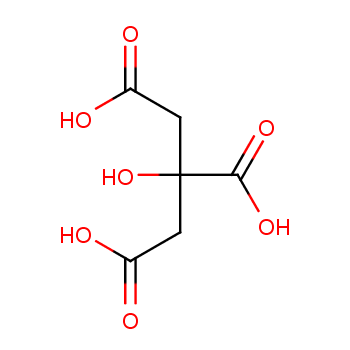
Citric acid posted a solid gain of 7.47%, supported by steady export demand and improved food additive consumption. On the downside,
Oleic acid declined sharply by more than 13% amid weakening feedstock sentiment and slower purchasing activity.
Melamine continued to soften due to weak construction and wood-panel demand, while
Potassium permanganate experienced a moderate correction after recent gains. Overall, the sector remained characterized by selective strength in specialty additives and pharmaceutical intermediates, while demand-sensitive products continued to face pricing pressure.
Recent
industry developments continue to generate mixed signals across the fine chemicals market. Demand from pharmaceutical, personal care, and food additive sectors has provided support for products such as
Citric acid,
Sodium acetate, and
Poly(ethylene glycol), while intermittent supply constraints have contributed to short-term price spikes in selected specialty chemicals. In contrast, downstream construction materials and laminate industries remain relatively weak, limiting purchasing activity for
Melamine. Feedstock fluctuations in vegetable oils and oleochemical markets have also increased volatility in
Oleic acid pricing. Additionally, environmental treatment and industrial water treatment demand continue to support
Sodium thiosulfate, which has maintained weekly and monthly gains.
Energy and Plastic Chemicals Prices
The
Energy and Plastics markets remained under downward pressure on June 24, as weaker crude oil sentiment and cautious downstream purchasing continued to weigh on both fuel and polymer products.
WTI Crude Oil declined by 1.35% on the day and more than 13% from a month earlier, reflecting easing geopolitical risk premiums and concerns over global demand growth. The softer energy market subsequently pressured downstream products, with
Gasoline and
Asphalt posting moderate daily declines. In the plastics sector, both
ABS and
HDPE continued to weaken amid subdued manufacturing demand and conservative inventory replenishment.
ABS remained the weakest performer, falling nearly 14% on a monthly basis, indicating persistent oversupply and sluggish consumption from household appliance and consumer goods sectors. Meanwhile,
HDPE prices softened due to adequate market supply and weak purchasing activity from packaging and industrial applications. Overall, lower feedstock costs and cautious downstream sentiment continued to exert pressure across both energy and polymer markets.
Recent
industry developments have further influenced market sentiment. International oil prices have retreated as supply concerns eased and traders increasingly focused on global economic growth and fuel demand expectations, contributing to weaker pricing across the energy chain. Lower crude costs have reduced production support for downstream fuels and petrochemical feedstocks, placing additional pressure on products such as
Gasoline,
ABS, and
HDPE. In the plastics market, ample domestic supply capacity and slower recovery in manufacturing demand have limited purchasing interest, while export conditions remain relatively competitive. The construction and infrastructure sectors continue to provide some support for
Asphalt, allowing prices to remain above month-ago levels despite recent corrections.
Data Source & Update Methodology
The above pricing data is compiled from multiple market channels including domestic ex-works quotations, distributor transaction references, port prices, and mainstream spot market assessments. Data was updated on
June 24, 2026, based on the latest available trading activity and real-time market feedback collected by GuideTrends analysts and industry participants.
All prices are for reference purposes only and may vary depending on region, transaction volume, specification, and contract terms.
Explore More Chemical Price Data
Access Real-Time Chemical Market Intelligence
For real-time price updates, historical trend analysis, and detailed market insights covering thousands of chemical products, visit the
GuideTrends Database .
Track chemical prices, compare product specifications, monitor supply chain movements, and identify sourcing opportunities with professional market intelligence tools designed for global chemical buyers and suppliers.


 EN
EN
 Agricultural News
 Food News
 Industrial News
 Cosmetic News
 Pharmaceutical News
 Science News

 3YRS
3YRS

