Daily Chemical Market Price Overview — August 7, 2026
The latest daily chemical price update highlights divergent movements across major sectors including
Basic Chemicals,
Fine Chemicals,
Energy,
Plastics, and
Rubber. This report summarizes daily, weekly, and monthly price fluctuations to help manufacturers, traders, and procurement professionals better track short-term market volatility, supply-demand changes, and broader pricing trends across the chemical supply chain.
Market focus today centered on sharp corrections in
Imidazole and
Polyethylene glycol, a strong rebound in
Anthracite, and continued divergence between firmer energy prices and weaker downstream plastics demand. Meanwhile,
WTI Crude Oil gained amid renewed geopolitical and supply-risk concerns, while
PVC remained under significant pressure despite higher energy costs. Across the chemical market, product-specific supply conditions, cautious downstream procurement, inventory adjustments, and energy-market volatility continued to drive increasingly differentiated price movements.

Top Price Movers
Imidazole recorded the largest daily decline across all monitored products, falling sharply from CNY 30,000/ton to CNY 22,000/ton. The correction came despite a 10.35% weekly gain, indicating that the market had experienced a significant short-term rebound before the latest adjustment. The exceptionally large one-day decline is likely to reflect
rapid transaction-price normalization, profit-taking after the recent rally, and improved spot availability rather than a broad monthly downtrend, as the monthly price change remained flat.
Polyethylene glycol (PEG) posted the second-largest daily decline, dropping 14.09% to CNY 9,450/ton. Despite the sharp correction, its monthly price remained broadly unchanged at +0.16%, suggesting that the move was primarily a
short-term market adjustment rather than a sustained bearish trend. The relatively modest weekly decline of 1.07% also indicates that recent prices have been volatile around a relatively stable monthly level, with spot supply, inventory normalization, and cautious downstream procurement likely contributing to the abrupt correction.
Anthracite recorded the strongest daily gain among all monitored products, rising 11.11% to CNY 1,750/ton. However, the weekly price was unchanged and the monthly decline remained marginal at -0.24%, suggesting that the sharp increase was more likely a
short-term spot-market adjustment driven by regional availability and transaction-price changes than the beginning of a sustained upward cycle. Broader Chinese coal-market fundamentals remain mixed, with supply-side controls providing periodic support while relatively soft demand and structural oversupply concerns continue to limit the upside.
Price jumped 11.11% today — Monitor spot availability and coal-market supply conditions before treating the move as a sustained bullish signal.
Basic Chemicals Prices
| Product |
CAS |
Price (CNY/TON) |
Daily |
Weekly |
Monthly |
| Acetic acid prices |
64-19-7 |
3,110 |
-0.54% |
-2.73% |
-0.91% |
| Acetone prices |
67-64-1 |
6,344 |
0.81% |
1.91% |
10.92% |
| Acetonitrile prices |
75-05-8 |
7,625 |
-1.1% |
-2.19% |
-4.09% |
| Ammonium sulfate prices |
7783-20-2 |
1,167 |
-5.35% |
5.63% |
-0.26% |
| Benzene prices |
71-43-2 |
7,401 |
-0.23% |
-4.52% |
-0.95% |
| Borax prices |
1303-96-4 |
5,660 |
0.18% |
2.5% |
6.14% |
| Cobalt prices |
7440-48-4 |
332,600 |
-2% |
-1.87% |
-7.39% |
| Dichloromethane prices |
75-09-2 |
2,053 |
-2.19% |
-2.75% |
2.04% |
| Ethyl acetate prices |
141-78-6 |
5,847 |
2.42% |
-0.19% |
0.63% |
| Ethylene glycol prices |
107-21-1 |
5,047 |
-1.37% |
2.98% |
10.41% |
| Formaldehyde prices |
50-00-0 |
1,235 |
-0.24% |
-2.35% |
-1.65% |
| Glycerol prices |
56-81-5 |
9,800 |
3.16% |
-0.61% |
0.37% |
| Isopropyl alcohol prices |
67-63-0 |
6,808 |
-1.28% |
-0.82% |
3.65% |
| Lithium carbonate prices |
554-13-2 |
141,000 |
0.71% |
-2.48% |
-7.7% |
| Methanol prices |
67-56-1 |
2,560 |
1.11% |
-2.32% |
-2.04% |
| Nickel prices |
7440-02-0 |
130,067 |
-1.19% |
-0.84% |
1.29% |
| PET prices |
- |
7,418 |
1.02% |
-0.32% |
2.67% |
| Phenol prices |
108-95-2 |
8,425 |
-3.44% |
2.59% |
6.49% |
| Phosphoric Acid prices |
7664-38-2 |
8,650 |
-0.29% |
-0.65% |
-3.41% |
| Propylene prices |
115-07-1 |
8,134 |
1.45% |
2.25% |
-1.78% |
| Propylene glycol prices |
57-55-6 |
9,183 |
0.36% |
-0.45% |
4.27% |
| Sulfur prices |
7704-34-9 |
9,536 |
1.78% |
2.62% |
1.83% |
| Toluene prices |
108-88-3 |
6,450 |
0.51% |
-3% |
2.87% |
| Urea prices |
57-13-6 |
1,751 |
0.29% |
-0.68% |
-1.74% |
| Xylene prices |
1330-20-7 |
6,567 |
0.77% |
1.05% |
5.84% |
Basic chemicals traded on a mixed note, with
Ammonium sulfate,
Phenol, and
Dichloromethane posting the most notable daily declines, while
Glycerol,
Ethyl acetate, and
Sulfur recorded stronger gains.
Acetone rose 0.81% on the day and remained up 10.92% month on month, although the market continues to face structural oversupply pressure from capacity additions in China and relatively weak downstream demand.
Ethylene glycol also eased 1.37% daily but retained a solid 10.41% monthly increase, indicating that recent corrections have not fully reversed its earlier rally. Meanwhile,
Propylene and
Methanol gained 1.45% and 1.11%, respectively, supported by firmer energy-market sentiment as Brent crude settled higher amid continued uncertainty over the reopening of the Strait of Hormuz.
Benzene and
Toluene remained under pressure on a weekly basis, while
Xylene held a 5.84% monthly gain, suggesting divergent performance across the aromatics complex. In the fertilizer segment,
Ammonium sulfate fell 5.35% on the day despite a 5.63% weekly increase, pointing to short-term profit-taking and weaker spot buying after its recent rebound. In battery materials,
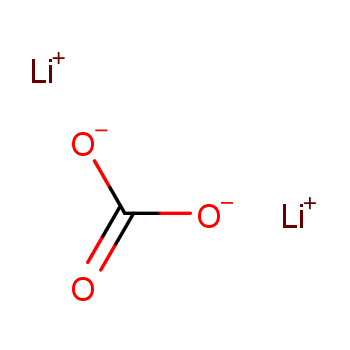
Lithium carbonate edged up 0.71% daily but remained down 7.70% over the month, reflecting continued market uncertainty over supply-demand fundamentals; the launch of new global spodumene shipment data by SMM on August 7 also highlights growing market attention to overseas mine supply and future Chinese raw-material arrivals. Overall, the market remains characterized by a combination of
energy-cost support, uneven downstream demand, and product-specific supply pressures, leaving individual chemical prices on divergent short-term trajectories.
Fine Chemicals Prices
| Product |
CAS |
Price (CNY/TON) |
Daily |
Weekly |
Monthly |
| Calcium carbonate prices |
471-34-1 |
500 |
4.17% |
11.87% |
-53.92% |
| Dimethyl carbonate prices |
616-38-6 |
4,383 |
0.76% |
1.25% |
10.61% |
| Imidazole prices |
288-32-4 |
22,000 |
-26.67% |
10.35% |
0% |
| Lauric acid prices |
143-07-7 |
14,533 |
-5.63% |
-9.31% |
-16.3% |
| Melamine prices |
108-78-1 |
6,363 |
0.6% |
2.4% |
4.02% |
| Poly(ethylene glycol) prices |
25322-68-3 |
9,450 |
-14.09% |
-1.07% |
0.16% |
| Potassium Citrate prices |
866-84-2 |
8,875 |
-1.07% |
3.29% |
4.53% |
| Sodium dodecyl sulfate prices |
151-21-3 |
17,500 |
-7.89% |
9.77% |
-6.99% |
| Sorbitol prices |
50-70-4 |
5,567 |
-0.59% |
-6.19% |
-2.6% |
| Stearic acid prices |
57-11-4 |
10,675 |
4.32% |
0.14% |
-1.46% |
| Tetrahydrofuran prices |
24979-97-3 |
20,750 |
5.51% |
5.76% |
2.4% |
Fine chemicals showed a highly divergent performance, with
Calcium carbonate,
Stearic acid, and
Polytetramethylene ether glycol (PTMEG) posting notable daily gains, while
Imidazole,
Polyethylene glycol (PEG), and
Sodium dodecyl sulfate (SDS) came under significant pressure.
Calcium carbonate rose 4.17% on the day and was up 11.87% weekly, suggesting a short-term tightening in spot availability or firmer procurement, although its monthly price remained sharply lower by 53.92%, indicating that the recent rebound is still occurring from a deeply depressed base.
Dimethyl carbonate continued to strengthen, gaining 0.76% daily and 10.61% monthly, supported by relatively firm demand from the electrolyte and new-energy materials chain; recent market assessments also show DMC trading at elevated levels compared with earlier periods.
Imidazole experienced the sharpest correction, plunging 26.67% in one day after a strong weekly rebound, pointing to aggressive profit-taking, improved spot availability, or a rapid adjustment in transaction prices.
Lauric acid also remained weak, falling 5.63% daily and 16.30% monthly, consistent with pressure across fatty-acid markets amid subdued downstream buying and weaker feedstock economics. Meanwhile,
Melamine edged higher and retained a 4.02% monthly gain, reflecting relatively stable demand despite persistent concerns over capacity and operating rates in the Chinese market.
Polyethylene glycol (PEG) dropped 14.09% on the day, marking one of the largest corrections in the group, while its monthly change remained broadly flat, suggesting that the move was more likely related to short-term supply-demand adjustments and transaction normalization than a fundamental monthly trend reversal.
Potassium citrate and
Sorbitol remained relatively stable, although Sorbitol was still down 6.19% on a weekly basis, indicating limited downstream purchasing momentum in food, pharmaceutical, and related applications.
Sodium dodecyl sulfate (SDS) declined 7.89% daily despite remaining 9.77% higher on the week, pointing to a sharp short-term correction after its recent rally. By contrast,
Stearic acid gained 4.32% daily, supported by firmer feedstock and oleochemical market sentiment, while
PTMEG climbed 5.51% daily and 5.76% weekly as the polyurethane and spandex-related value chains remained sensitive to supply expectations. The PTMEG market is also being influenced by
U.S. antidumping investigations covering PTMEG imports from China, South Korea, Taiwan, and Vietnam, with the U.S. International Trade Commission having initiated preliminary investigations in April 2026; this introduces an additional trade-flow and regional pricing risk for the product. Overall, the Fine Chemicals market is currently characterized by
sharp product-specific price adjustments rather than a broad-based market trend, with downstream demand, inventory normalization, feedstock costs, and trade-policy developments driving increasingly divergent price movements across individual products.
Energy, Rubber, Plastic and other chemicals Prices
Energy, plastics, and rubber markets showed divergent movements, with
WTI Crude Oil and
Anthracite posting the strongest daily gains, while
PVC remained under significant pressure despite a firmer energy complex.
WTI Crude Oil rose 2.67% to around USD 77/bbl on the day, supported by renewed uncertainty over the reopening of the Strait of Hormuz and the associated risk premium in global crude supply. Recent market reports indicate that crude prices regained upward momentum as concerns over shipping and regional supply disruptions resurfaced, although rising U.S. production and still-uncertain demand fundamentals could limit the sustainability of the rally.
Gasoline edged down 0.09% daily but remained 6.25% higher on a monthly basis, indicating that higher crude and refined-product costs are still feeding through the energy market even as short-term downstream consumption remains mixed.
Asphalt increased 0.39% on the day but remained down 0.71% weekly and 0.96% monthly, suggesting that stronger crude costs have so far provided only limited support to construction-related demand. In the coal segment,
Anthracite jumped 11.11% daily to CNY 1,750/ton, representing the sharpest move in the group, although its weekly price was unchanged and its monthly decline remained marginal. The move appears more consistent with a short-term spot-market adjustment than a broad structural tightening, as China's broader coal market continues to face a combination of supply-side controls, relatively soft demand, and ongoing energy-transition pressure. Wood Mackenzie has highlighted the risk of continued coal oversupply in China in 2026, while supply-policy changes and lower seaborne imports could periodically tighten regional balances. In plastics,
ABS rose 0.53% daily and remained 1.02% higher on a monthly basis, suggesting relatively better resilience than PVC, although its 1.27% weekly decline indicates that downstream purchasing remains cautious. By contrast,
Polyvinyl chloride (PVC) fell 0.88% daily and was down a substantial 11.09% weekly, making it the weakest performer in the group. The sharp weekly correction indicates that
weak downstream demand, ample availability, and cautious buying are currently outweighing the support from higher crude and energy costs. Recent ICIS analysis also points to divergent PVC fundamentals in Asia, with China's carbide-based production remaining relatively resilient while downstream demand and export-market conditions remain important constraints. In the rubber sector,
Silica edged up 0.57% daily and 0.25% weekly, indicating a relatively stable market despite fluctuations in upstream energy and chemical costs. Demand from tire and rubber applications provides a more stable underlying support, although the absence of a stronger monthly increase suggests that downstream buyers remain price-sensitive. Overall, the market is being shaped by a clear divergence between
higher energy-related cost pressure and relatively cautious downstream demand: crude oil and selected energy products are receiving geopolitical support, while plastics such as PVC continue to face supply-demand pressure. This divergence is likely to remain a key feature of the near-term market, with further movements in crude prices, Chinese operating rates, export demand, and seasonal construction and automotive activity determining whether cost-driven support can translate into sustained gains across plastics and rubber.
Data Source & Update Methodology
The above pricing data is compiled from multiple market channels including domestic ex-works quotations, distributor transaction references, port prices, and mainstream spot market assessments. Data was updated on
August 7, 2026, based on the latest available trading activity and real-time market feedback collected by GuideTrends analysts and industry participants.
All prices are for reference purposes only and may vary depending on region, transaction volume, specification, and contract terms.
Explore More Chemical Price Data
Access Real-Time Chemical Market Intelligence
For real-time price updates, historical trend analysis, and detailed market insights covering thousands of chemical products, visit the
GuideTrends Database .
Track chemical prices, compare product specifications, monitor supply chain movements, and identify sourcing opportunities with professional market intelligence tools designed for global chemical buyers and suppliers.



 EN
EN
 Agricultural News
 Food News
 Industrial News
 Cosmetic News
 Pharmaceutical News
 Science News

 1YR
1YR

