Chemical Prices Today – May 29, 2026
The latest daily chemical price update from GuideTrends highlights significant market movements across
Basic Chemicals, Fine Chemicals, Energy, Plastics, and Rubber. Today's market experienced exceptional volatility in several specialty and solvent products. Products including
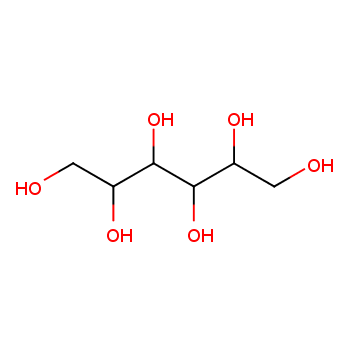
Sorbitol,
Trichloroethylene, and
Hydrochloric Acid posted strong gains, while
Mannitol,
Dimethyl Sulfoxide, and
Acetic Acid recorded substantial declines. This report summarizes
daily, weekly, and monthly price changes to help procurement teams, traders, and chemical manufacturers monitor short-term fluctuations and identify broader market pricing trends.
Top Price Movers
Sorbitol recorded the strongest daily increase across all monitored products. The sharp rally was likely driven by tight spot availability and concentrated transactions in the sweetener and pharmaceutical intermediate markets. Despite today's surge, monthly performance remains negative, indicating ongoing volatility.
Trichloroethylene rebounded dramatically following previous weakness. Strong replenishment demand and reduced low-price inventories supported the market, making it one of today's most actively traded solvent products.
Mannitol posted the steepest decline of the session as pricing corrected sharply after previous gains. Market participants reported weaker buying interest and increased competitive offers from suppliers.
Price dropped 44.44% today — Potential sourcing opportunity for pharmaceutical and food ingredient buyers.
Basic Chemicals Prices
Basic chemicals markets traded with a mixed tone today, as persistent cost support from upstream energy markets continued to offset subdued downstream demand across several major petrochemical value chains. While buyers remained cautious amid ongoing macroeconomic uncertainty, supply-side risks and regional operating rate adjustments helped prevent a sharper decline in pricing sentiment.
In olefins, Asian ethylene and propylene markets remained under pressure due to weak derivative demand and conservative procurement activity from polymer producers. According to market analysis from ICIS, slower purchasing activity across China and Southeast Asia has resulted in relatively comfortable supply conditions, weighing on spot pricing despite producers' efforts to maintain operating discipline. Industry participants continue to monitor cracker utilization rates, as prolonged margin pressure could trigger additional production rationalization.
Energy-linked feedstocks remain a key market driver. ICIS Editor-at-Large Soohwee Peh recently noted that disruptions to global petrochemical supply chains, coupled with elevated logistics costs and geopolitical uncertainty affecting major energy-exporting regions, continue to provide underlying support for chemical feedstock pricing. Market participants remain particularly attentive to developments in Middle Eastern supply routes and global shipping conditions, which could influence availability across multiple chemical intermediates.
On the supply side, North America's structural feedstock advantage remains intact. ICIS analyst Kojo Orgle highlighted that growing U.S. natural gas liquids (NGL) production, particularly ethane and propane, continues to enhance the competitiveness of North American petrochemical producers. This expanding feedstock base is expected to support stable production economics for key basic chemicals despite volatility in crude oil markets.
From an industry perspective, the global basic chemicals sector remains in a transitional phase characterized by capacity expansion in Asia, margin compression across commodity petrochemicals, and accelerating restructuring efforts in mature markets. Industry observers note that producers in Europe and Japan are increasingly pursuing asset optimization, plant consolidation, and low-carbon transformation initiatives to address long-term supply-demand imbalances and evolving sustainability requirements.
Overall, today's market reflects a balance between weak end-market consumption and continued cost support. Prices are expected to remain range-bound in the near term as participants evaluate demand recovery trends, inventory levels, and geopolitical developments. Market focus is gradually shifting from supply disruption concerns toward the pace of downstream consumption recovery, with the industry continuing to navigate a "high-cost, moderate-demand" operating environment.
Fine Chemicals Prices
The fine chemicals market today continued to show strong product-level divergence, with pricing trends driven by specific value chains rather than broad sector movement.
In pharmaceutical intermediates,
phenylacetic acid remained firm with a mildly upward bias, supported by steady demand from downstream beta-lactam antibiotic APIs. Market participants note that ongoing contract-based restocking from API manufacturers in China has kept operating rates relatively high in this chain, limiting spot availability.
Within the anti-infective segment,
6-APA (6-aminopenicillanic acid) and related penicillin G salt derivatives held stable overall, although margins remain under pressure due to intensified export competition between Chinese and Indian producers. According to commentary from
Chemical Weekly, Indian API and intermediate exporters continue to expand market share in Europe, constraining pricing power across traditional Asian supply hubs.
In vitamins,
Vitamin E maintained a weak-to-stable tone. Demand from the animal feed additive sector remains sluggish, with downstream buyers maintaining cautious procurement strategies amid elevated inventory levels in Europe. Industry observers widely view the vitamin complex as still being in a destocking phase, limiting near-term upside despite stable production costs.
In agrochemical intermediates,
iminodiacetic acid (IDA), a key intermediate in the glyphosate chain, edged lower. The decline is primarily attributed to softer export demand for glyphosate products and slower purchasing activity in South American agricultural markets. Analysts from S&P Global Commodity Insights highlight that reduced fertilizer and crop protection spending in key agricultural regions is continuing to transmit downward pressure through upstream intermediate chains.
In contrast,
photoinitiators (such as TPO and 819) remained comparatively resilient, supported by steady demand from UV-curable coatings, inks, and emerging 3D printing applications. ICIS electronic chemicals analysts note that ongoing growth in high-performance coating materials and electronics manufacturing continues to provide structural support to this segment, keeping margins above the broader chemical average.
Overall, today’s fine chemicals market reflects a clear “pharma intermediates stability, vitamins weakness, agrochemical pressure, and electronics-driven resilience” structure. Pricing dynamics are increasingly determined by end-use demand cycles and inventory behavior at the product level rather than upstream cost movements, reinforcing continued fragmentation across individual chemical chains.
Energy, Plastics & Rubber Prices
Energy markets remained relatively stable with Kerosene showing the strongest gain among tracked fuels. Asphalt edged higher while Gasoline remained soft. In plastics, ABS continued to face significant downward pressure due to sluggish manufacturing demand, whereas PVC posted a moderate rebound. Overall market sentiment remained cautious as buyers focused on inventory control and short-term procurement needs.
Data Source & Update Methodology
The above pricing data is compiled from multiple market channels including domestic ex-works quotations, distributor transaction references, port prices, and mainstream spot market assessments. All data was updated on
May 29, 2026, based on the latest available trading activity and market feedback collected by GuideTrends market analysts. GuideTrends continuously monitors fluctuations across upstream raw materials, solvents, fine chemicals, polymers, and energy products to provide transparent and timely pricing intelligence for global chemical buyers and suppliers.
Explore More Chemical Price Data
Access Real-Time Chemical Market Intelligence
For real-time price updates, historical trend analysis, and detailed market insights covering thousands of chemical products, visit the
GuideTrends Database .
Track chemical prices, compare product specifications, monitor supply chain movements, and identify sourcing opportunities with professional market intelligence tools designed for global chemical buyers and suppliers.


 EN
EN
 Agricultural News
 Food News
 Industrial News
 Cosmetic News
 Pharmaceutical News
 Science News

 1YR
1YR

