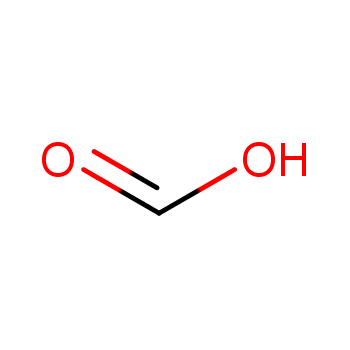
Sept 23, 2026 chemical prices: Formic acid plunged 10.87% to CNY 2,050/ton, Anthracite dropped 10% to CNY 1,575/ton and Aniline rose 2.49% to CNY 14,400/ton. Track daily, weekly and monthly moves across basic, fine, energy and plastic markets.GuideView16 MIN READSeptember 23, 2026
Daily Chemical Market Price Overview — September 23, 2026
The latest daily chemical price update shows a market losing directional conviction as crude oil swung sharply and policy signals began to weigh on the coal complex.
Formic acid recorded the largest daily decline at 10.87%, followed by
Anthracite at 10.00%, while
Aniline posted the strongest daily gain at 2.49%. Across the tracked basket, gains and losses were almost evenly balanced, with the chemical price index slipping only one point to 1,082, indicating consolidation rather than a broad reversal. Monthly performance remains firmly positive in most chains, led by
Methanol at 34.19%,
dimethyl carbonate at 39.65%,
Formaldehyde at 28.05% and
Asphalt at 28.49%.
Market focus today centered on two opposing forces. On the energy side, crude benchmarks first extended their slide to multi-week lows before rebounding sharply after Iranian President Masoud Pezeshkian told the United Nations that Tehran would never surrender to the United States while still supporting diplomacy, leaving the timing of any reopening of the Strait of Hormuz uncertain. On the domestic side, a joint notice from the National Development and Reform Commission, the National Energy Administration and the National Mine Safety Administration pushing coal mines to restart and ramp up production, together with the release of capacity reserves, triggered a sharp correction in coal-linked products. Meanwhile, supply-tight aromatics such as
Benzene, Aniline and styrene continued to attract support from low inventories and concentrated maintenance schedules.
Formic acid recorded the largest daily move across all tracked products, falling 10.87% to CNY 2,050/ton and extending its weekly decline to 9.77%. The drop followed a period of substantial appreciation during which prices rose more than 20% over the month, and reflects a sharp unwinding once buying interest faded at elevated levels. Market quotations for 85% industrial-grade material have been clustered around CNY 2,050–2,700/ton depending on region and grade, with several Shandong suppliers offering material at the lower end of that range, indicating that the correction is being led by competitive offers rather than by a collapse in demand. Notably, the product remains roughly one third below its level one year earlier, which suggests that the September rally has now run ahead of underlying fundamentals and is being retraced.
Price dropped 10.87% today — A clear sourcing window for leather, textile and rubber-chemical buyers after the sharp correction.
Anthracite posted the second-largest daily decline, dropping 10% to CNY 1,575/ton after having gained 7.69% over the previous week. The reversal is directly linked to policy: the National Development and Reform Commission, the National Energy Administration and the National Mine Safety Administration jointly issued a notice in mid-September requiring coal-producing regions and producers to accelerate steady production and supply guarantees, pushing forward mine restarts, speeding up acceptance of joint trial-operation mines and signalling the timely release of coal production capacity reserves. Port coal prices have also begun to retreat from recent highs as cooling temperatures reduce power plant daily consumption and buyers become more cautious at elevated spot levels. Rail shipments have improved markedly, with Daqin line volumes rising to around 1.117 million tons per day in mid-September from roughly 953,000 tons in early September. Despite the correction, weekly prices remain 4.12% higher and underlying supply losses accumulated over the year have not yet been fully recovered.
Price dropped 10% today — Coal-chemical and calcium carbide producers may see meaningful cost relief if the policy-driven supply recovery continues.
Aniline was the strongest gainer of the day, rising 2.49% to CNY 14,400/ton and extending its weekly advance to 3.38% with a monthly gain of 11.30%. The move follows consecutive ex-works increases by major producers, including Dongying Huatai, which raised prices by CNY 200/ton to CNY 13,900/ton, and Jiangsu Fuqiang and Chongqing Changfeng, which each lifted offers by CNY 100/ton. Industry data show aniline producers holding low inventories while facing a concentrated maintenance schedule in late September and October, with MDI demand described as solid and export purchasing continuing to absorb available volumes. Industry surveys indicated unanimous expectations of further increases in North China. The main constraint remains feedstock: pure benzene has shifted from strength to weakness, which may limit the size of additional gains even as spot availability stays tight.
Basic chemicals were finely balanced, with 12 products higher, 13 lower and 26 unchanged among the 51 tracked.
Formic acid posted the sharpest move, falling 10.87% to CNY 2,050/ton, while
Aniline led the gains at 2.49% to CNY 14,400/ton. Other notable movers included
Phenol down 2.38% to CNY 8,713/ton,
Lithium carbonate down 2.24% to CNY 131,000/ton,
Hydrogen peroxide down 1.81% to CNY 707/ton,
Urea down 1.30% to CNY 1,745/ton and
Methanol down 1.18% to CNY 4,017/ton. On the upside,
Nickel rose 1.23% to CNY 127,767/ton,
Dichloromethane gained 1.15% to CNY 2,468/ton,
Propylene glycol added 1.05% to CNY 9,633/ton and
Formaldehyde increased 1.03% to CNY 1,758/ton. The narrow daily changes and the one-point decline in the composite chemical price index to 1,082 confirm that the segment is consolidating after an exceptionally strong month rather than reversing.
The acetic acid chain remained the most consistently supported group.
Acetic acid rose 1.10% to CNY 4,603/ton, lifting its weekly and monthly gains to 7.23% and 25.49%. On September 23 Shandong Hualu-Hengsheng raised its acetic acid price by CNY 50/ton to CNY 4,600/ton for bulk material, citing low producer inventories and strong cost support from high-priced
Methanol, while ex-works prices across North China, South China and Zhejiang have been raised repeatedly since mid-September.
Acetic anhydride was unchanged at CNY 7,158/ton but remains up 5.14% weekly and 20.21% monthly, and
Formaldehyde extended its monthly gain to 28.05%, reflecting the same methanol-driven cost push.
ethyl acetate edged down 0.24% to CNY 6,767/ton, a sign that downstream ester producers are beginning to resist further cost pass-through even as the acid chain stays firm.
Aromatics continued to outperform the broader energy complex.
Benzene rose 0.06% to CNY 9,824/ton, with Dongying Fuhai Weilian lifting its petroleum benzene ex-works price by CNY 50/ton to CNY 9,853/ton on September 23, and styrene quotes rising by CNY 100/ton to CNY 10,000/ton at Li Huayi. Spot benzene firmed even as energy futures fell broadly, reflecting low port inventories and continued cost support requirements from downstream styrene, ABS and PS producers.
Toluene gained 0.81% to CNY 8,243/ton with South China listed prices at CNY 8,600/ton, while
Xylene was essentially flat at CNY 8,320/ton, down 0.08% on the day and 3.65% over the week.
Phenol was the weakest major aromatic, falling 2.38% to CNY 8,713/ton with a weekly loss of 2.96%, as easing
Propylene values, down 0.88% to CNY 9,401/ton, reduced cost support and buyers stepped back from high-priced spot cargoes.
PX held at CNY 9,800/ton with a 10.24% monthly gain.
Methanol-linked products began to correct after an exceptional monthly run.
Methanol fell 1.18% to CNY 4,017/ton, although it remains up 2.41% on the week and 34.19% on the month, one of the strongest monthly performances in the entire basket. The decline suggests that high methanol prices are increasingly squeezing downstream margins and limiting incremental buying, particularly from MTO and formaldehyde producers.
Ethylene glycol declined 1.01% to CNY 6,550/ton, with its weekly change turning negative at 0.98% while the monthly gain remains substantial at 23.35%. Technical assessments describe ethylene glycol as consolidating at an elevated level with downside pressure, as rising operating rates, the restart of coal-based units and a turn to stock building at East China ports change the supply-demand balance.
Ethylene Oxide was unchanged at CNY 9,700/ton but remains up 5.43% weekly and 15.39% monthly, still supported by low inventories and supply diversion from co-production units.
Fertilizer, sulphur and battery-material chains remained the weakest part of the segment.
Urea fell 1.30% to CNY 1,745/ton and is now down 2.06% over the week, caught between maintenance outages and export loading on the supply side and seasonally soft agricultural demand on the demand side.
sulfuric acid was flat at CNY 1,738/ton with weekly and monthly declines of 4.4% and 3.93%, while
Sulfur held at CNY 7,752/ton with a monthly loss of 12.33%, even as selected producers including Shandong Li Huayi raised offers by CNY 100/ton; national port sulphur inventories were reported at around 940,200 tons.
Lithium carbonate fell 2.24% to CNY 131,000/ton, with industrial-grade lithium hydroxide posting an even steeper decline, as softer ternary cathode schedules, elevated visible inventories and a firmer dollar continued to pressure the battery-materials complex despite the product remaining more than 78% above year-earlier levels.
Cobalt eased 0.18% to CNY 280,000/ton with a 9.58% monthly decline, whereas
Nickel rose 1.23% to CNY 127,767/ton, the strongest gain among the metals.
Chlor-alkali, solvent and inorganic products showed mixed, mostly modest moves.
Sodium hydroxide declined 0.62% to CNY 2,567/ton and
Hydrogen peroxide fell 1.81% to CNY 707/ton, extending its weekly loss to 3.11%, while
Dichloromethane moved in the opposite direction, up 1.15% to CNY 2,468/ton with weekly and monthly gains of 2.25% and 8.34%.
Chloroform was unchanged at CNY 2,383/ton with a 7.89% monthly gain.
Ammonium sulfate rose 0.32% to CNY 1,267/ton after Hualu-Hengsheng lifted caprolactam-grade material by CNY 10/ton to CNY 1,300/ton and power-plant grade by CNY 40/ton to CNY 1,095/ton.
Sodium bicarbonate added 0.41% to CNY 1,210/ton,
Potassium chloride gained 0.51% to CNY 3,350/ton, and
Propylene glycol recovered 1.05% to CNY 9,633/ton after a weak week, although it remains 3.12% lower over seven days.
Acetone was almost unchanged at CNY 8,863/ton, consolidating after the volatile moves of the previous two sessions.
Several large-volume products were entirely unchanged, reinforcing the impression of a market waiting for clearer direction.
Ethanol held at CNY 5,577/ton,
Caustic Soda at CNY 639/ton,
calcium carbide at CNY 2,670/ton,
Phosphoric Acid at CNY 8,350/ton,
Titanium dioxide at CNY 14,200/ton,
White phosphorus at CNY 27,766/ton,
Mineral oil at CNY 72,000/ton,
Pyridine at CNY 18,471/ton and
EVA at CNY 11,033/ton.
Acetic anhydride, Heptane, Hexane and
Borax were likewise stable. Overall, the Basic Chemicals complex is characterised by strong but increasingly uneven cost support: products with tight supply or concentrated maintenance, such as aniline, acetic acid and benzene, continue to attract increases, while products exposed to easing feedstock costs or weak seasonal demand, including urea, methanol, ethylene glycol and lithium salts, are beginning to give back part of their September gains.
Fine Chemicals were the quietest segment, with 11 of 14 products unchanged.
Tetrahydrofuran was the main mover, rising 1.47% to CNY 17,250/ton, followed by
Melamine up 0.80% to CNY 6,288/ton, while
sodium acetate was the only decliner, easing 0.16% to CNY 5,483/ton. The most striking statistic in the group remains
dimethyl carbonate, unchanged at CNY 6,683/ton but still up 39.65% over the month, the largest monthly gain anywhere in the tracked basket, even though it has slipped 0.79% over the week. The pattern is consistent with a segment driven by identifiable raw-material shifts and contractual purchasing rather than by speculative flows, and it stands in clear contrast to the volatility seen in energy-linked bulk chemicals.
PTMEG-related Tetrahydrofuran rebounded 1.47% to CNY 17,250/ton, turning its weekly change positive at 0.32%, although the product remains 8.20% lower than a month earlier. The recovery is closely linked to the
BDO chain, which is reported to be running at an annual high with strong cost support and limited downside momentum. On September 23 Xinjiang Lanshan Tunhe published its September BDO settlement at CNY 8,695/ton for East China and CNY 8,895/ton for South China, while setting October list prices sharply higher at CNY 10,000/ton and CNY 10,200/ton respectively, with one 100,000-ton line still shut and the remaining lines running at 70%–80% of capacity. East China BDO spot bulk material was discussed at CNY 10,000–10,100/ton. This combination of firm upstream costs and constrained operating rates explains why PTMEG has begun to recover even though downstream spandex demand remains seasonally soft.
Melamine rose 0.80% to CNY 6,288/ton, lifting its weekly change to 0.10% and its monthly gain to 0.22%, after easing in the previous session. The product continues to be supported by firm
Urea and coal costs on the cost side while being capped by modest demand from laminate, tableware and resin producers. The very small monthly increase, in a month during which energy and petrochemical costs have risen sharply, indicates that melamine producers have so far been unable to pass the full cost increase through to customers.
sodium acetate edged down 0.16% to CNY 5,483/ton, remaining broadly stable with a 1.46% monthly gain, while
Sodium metabisulfite held at CNY 3,927/ton with weekly and monthly declines of 0.51% and 0.85%, tracking the continued softness in
Sulfur, which is 12.33% lower over the month.
The remaining fine chemical products were entirely unchanged, underlining how narrow current price drivers are.
Citric acid held at CNY 6,200/ton,
Lactic acid at CNY 8,113/ton,
Hydroquinone at CNY 30,500/ton,
Oleic acid at CNY 10,000/ton,
glycolic acid at CNY 13,000/ton,
Ferric chloride at CNY 2,808/ton,
Sodium hypochlorite at CNY 553/ton,
Water softener salt at CNY 967/ton and
Dimethyl sulfoxide at CNY 12,200/ton. Taken together, the Fine Chemicals segment remains a market of
cost transmission rather than demand-led expansion: PTMEG is being pulled higher by a firm BDO chain, melamine is supported by urea and coal but capped by weak resin demand, and sodium metabisulfite is being weighed down by falling sulphur costs. With the Mid-Autumn Festival and National Day holidays approaching, selected chains may see temporary restocking support, but the narrow daily ranges suggest buyers and sellers remain closely matched on price expectations.
Energy, Rubber, Plastic and other chemicals Prices
Energy, Rubber, Plastic and other chemicals produced the most dramatic single move of the day, with
Anthracite falling 10% to CNY 1,575/ton, while
WTI Crude Oil eased 1.09% to USD 91/barrel,
HDPE declined 0.54% to CNY 10,513/ton and
Gasoline rose 0.23% to CNY 10,091/ton.
Asphalt,
Carbon Black,
Silica,
kerosene,
ABS,
PVC and
Carbon were all unchanged. The segment illustrates the current split in the market very clearly: coal and crude-linked products are correcting on improved supply expectations, while products supported by structural supply constraints and low inventories are holding their levels even as feedstock costs fall.
WTI Crude Oil fell to USD 91/barrel, though the session was far more volatile than the net change suggests. Benchmarks first extended their decline, with Brent touching USD 97.36 on September 22, its lowest since September 8, and WTI reaching its weakest level since September 1 early on September 23, as increased Middle East supplies and hopes of a United States–Iran agreement weighed on prices. Sentiment then reversed after Iranian President Masoud Pezeshkian told the United Nations General Assembly that Tehran would never surrender to the United States while still supporting diplomacy, and Brent settled 3.86% higher at USD 103.08. Several supply-side developments had already pressured the market: Saudi Arabia restarted its East-West Pipeline to the Red Sea on September 22 after drone attacks on September 11 halted loadings at Yanbu, Iraq reported exports above 3 million barrels per day, and United States crude inventories rose by 3 million barrels to 426.4 million in the week ended September 18 against expectations of a draw. Weekly WTI prices remain 7.92% lower, reflecting the scale of the recent de-rating of geopolitical risk.
Anthracite saw the sharpest correction in the segment, falling 10% to CNY 1,575/ton after rising 7.69% over the previous week. The trigger was a joint notice from the National Development and Reform Commission, the National Energy Administration and the National Mine Safety Administration requiring coal-producing provinces and producers to accelerate steady production and supply guarantees, actively advance mine restarts and ramp-ups, speed up acceptance of joint trial-operation mines and adjust policies to release coal production capacity reserves in a timely manner. The notice also addressed medium and long-term thermal coal contract performance, the supplementary role of imports and the development of replacement capacity. Market data show port coal prices retreating from highs as power plant daily consumption enters its seasonal decline and buyers grow cautious at elevated spot levels, with Daqin line daily shipments rising to about 1.117 million tons in mid-September from roughly 953,000 tons in early September. August domestic raw coal output was 360 million tons, down 7.7% year on year, so the cumulative supply loss remains large and the pace of any price relief will depend on how quickly policy translates into physical tonnes.
Refined products and asphalt reflected the same tension between weaker crude and tight physical balances.
Asphalt was unchanged at CNY 6,200/ton, holding a 2.23% weekly gain and a 28.49% monthly increase, as refinery production plans remain far below normal and both producer and social inventories continue to sit at multi-year lows, offsetting the softer crude backdrop.
Gasoline edged up 0.23% to CNY 10,091/ton despite a 1.11% weekly decline, supported by reduced refinery runs, low product inventories and the pending domestic retail price adjustment scheduled for September 24, while
kerosene was flat at CNY 8,200/ton. The divergence between sharply lower crude futures and broadly stable domestic refined product prices indicates that physical tightness and the domestic pricing mechanism are still cushioning the downstream fuel market against the international cost retreat.
Rubber-related materials were entirely unchanged on the day, suggesting that the carbon black correction has paused for now.
Carbon Black held at CNY 12,243/ton after falling 2.61% in the previous session, leaving it 2.66% lower on the week but still 29.27% higher on the month, while
Silica was steady at CNY 6,400/ton with weekly and monthly gains of 3.06% and 2.73%. The two products continue to be driven by different mechanisms: carbon black remains hostage to high-temperature coal tar costs and to the ability of tyre makers, running at around 65% utilisation, to absorb further increases, whereas silica has been supported by tight upstream organosilicon supply and firmer precipitated and fumed grade quotations. The stabilisation in carbon black prices suggests that the initial phase of raw-material easing has now been priced in.
Plastics remained under modest pressure as converters continued to resist elevated resin prices.
HDPE fell 0.54% to CNY 10,513/ton, extending its weekly decline to 2.94% while retaining a 3.45% monthly gain, and
ABS and
PVC were unchanged at CNY 11,017/ton and CNY 4,650/ton respectively. Broader market data for September 23 showed linear low density polyethylene down about 0.89%, polypropylene down around 1.49% and ABS marginally lower, with resin prices generally easing from intra-month highs even though month-to-date gains remain significant. On the supply side, September polypropylene maintenance has been heavy, with 22 units shut and average monthly operating rates around 68.4%, as oil-based, PDH and MTO routes remain loss-making or barely profitable; however, new capacity additions have been delayed to the fourth quarter, and restarted units plus new lines are expected to accelerate supply growth from October.
Carbon was unchanged at CNY 12,433/ton with a 1.65% monthly gain.
Overall, the Energy, Rubber, Plastic and other chemicals segment is now defined by
policy-driven supply recovery in coal, geopolitically driven volatility in crude, and demand-driven resistance in polymers.
Anthracite has reacted immediately to the government supply-guarantee push, and further downside is possible if restarts accelerate, which would in turn relieve cost pressure on calcium carbide, nitrogen fertilizers and coal-chemical producers.
WTI Crude Oil has become a two-way market in which diplomatic headlines around the Strait of Hormuz dominate short-term direction, with the weekly decline of 7.92% contrasting against a still-positive 17.07% monthly change.
Asphalt,
Carbon Black and
Silica are holding up on structural supply tightness, while
ABS, HDPE and PVC remain in a phase of price digestion that is likely to intensify once idled capacity returns in the fourth quarter. The approaching National Day holiday should provide temporary restocking support, but also raises the risk of post-holiday inventory normalisation.
Data Source & Update Methodology
The above pricing data is compiled from multiple market channels including domestic ex-works quotations, distributor transaction references, port prices, and mainstream spot market assessments. Data was updated on
September 23, 2026, based on the latest available trading activity and real-time market feedback collected by GuideTrends analysts and industry participants.
All prices are for reference purposes only and may vary depending on region, transaction volume, specification, and contract terms.
Explore More Chemical Price Data
Access Real-Time Chemical Market Intelligence
For real-time price updates, historical trend analysis, and detailed market insights covering thousands of chemical products, visit the
GuideTrends Database .
Track chemical prices, compare product specifications, monitor supply chain movements, and identify sourcing opportunities with professional market intelligence tools designed for global chemical buyers and suppliers.


 EN
EN
 Agricultural News
 Food News
 Industrial News
 Cosmetic News
 Pharmaceutical News
 Science News